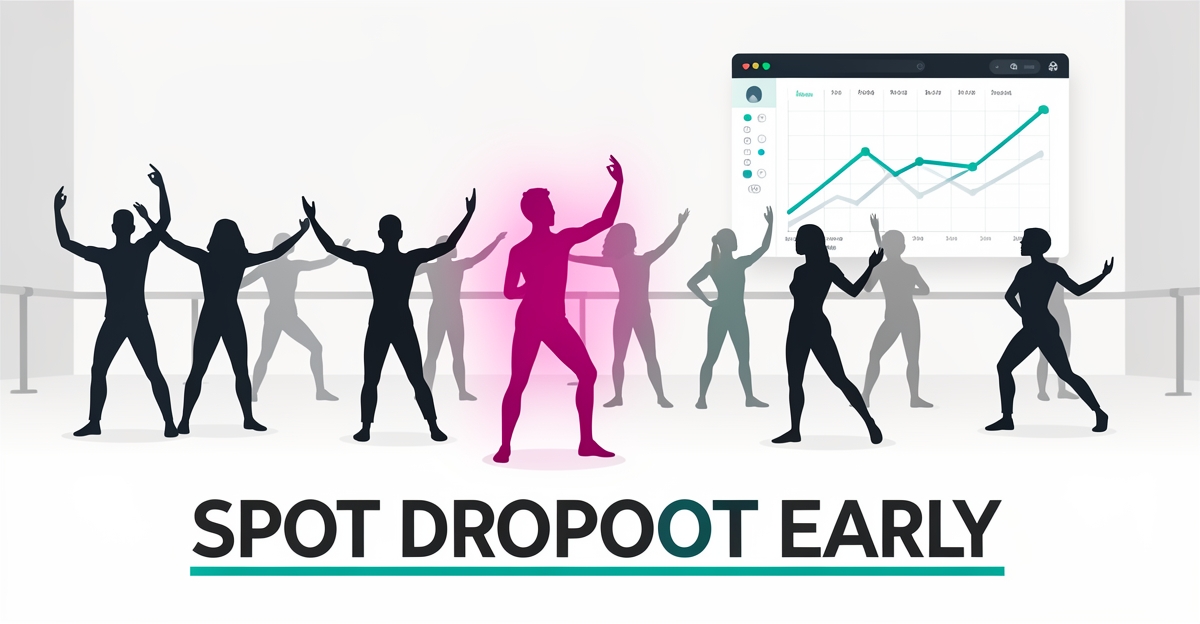
5 Signs Your Dance School Needs AI for Student Attendance & Behavior Tracking
Key Facts
- Predictive analytics can flag a substantial share of at-risk students before dropout, according to educational data analysis
- Multi-model consensus approaches improve the reliability of at-risk flagging per educational data analysis
- Structured scheduling and resource planning are linked to better parent satisfaction per resource allocation research in dance schools
- Human-centered AI guidance keeps educators at the center of instruction while AI handles monitoring per state education guidance
Hire a team member that works 24/7 — for less than a part-time wage.
AI receptionists, SDRs, dispatchers and 99+ roles. Trained on your business, fully managed.
Not sure where to start? Ask our AI planner
Spotting Early Warning Signs of Attendance and Engagement Gaps
Dance instructors often notice subtle shifts before a student fully disengages, missed warm-ups, quieter participation, or repeated late arrivals. These early behavioral cues can signal deeper attendance and engagement challenges that, if left unaddressed, increase the risk of dropout. Educational data analysis suggests predictive analytics can identify a meaningful share of at-risk students before they withdraw, highlighting how common these warning signs are across educational settings Source 2. When patterns like unexplained absences or declining effort emerge consistently, they reflect not just individual struggles but systemic gaps in monitoring and intervention.
AI-powered monitoring helps dance schools detect these trends before they escalate. By analyzing attendance logs, participation frequency, and progress milestones, AI systems can surface at-risk students early, research on multi-model consensus approaches shows that combining several predictive models improves confidence in at-risk flags Source 2. This early detection allows instructors to step in with personalized support, whether through adjusted choreography, extra practice time, or conversations with parents. The result is a proactive approach that preserves student motivation and reduces preventable attrition.
- Unexplained or recurring absences without communication
- Inconsistent participation during technique or rehearsal
- Noticeable decline in skill progression over time
- Withdrawal from group interactions or performances
- Frequent tardiness or early departures
These behavioral red flags are more than operational hiccups, they're predictors of disengagement. When dance schools leverage AI to track and interpret these patterns, they transform reactive teaching into proactive mentorship. AIQ Labs supports this shift through AI Workflow Builds that rebuild attendance and behavior tracking into a system that flags risks in real time, enabling timely interventions that keep students engaged, progressing, and committed to their dance journey.
How AI Transforms Attendance and Behavior Tracking in Dance Education
Manual roll calls and paper behavior logs leave gaps that show up in retention. When patterns are invisible until the end of term, instructors react too late and parents are surprised.
AI-powered attendance and behavior tracking closes that gap by turning daily observations into real-time signals. Systems automate logging, correlate participation with outcomes, and flag shifts before they become dropouts. This is workflow automation applied to dance education, where consistent presence directly shapes progress.
Predictive models make risk visible early. Educational data analysis shows that predictive analytics can flag a substantial portion of at-risk students, and that consensus across multiple models strengthens the reliability of those flags. That level of detection enables timely interventions that improve engagement and retention.
Automation also removes the administrative drag that hides trends. AI systems log attendance automatically from check-ins or class entry, then map it to participation quality, tardiness, and behavioral notes. Instructors receive proactive alerts instead of compiling reports after the fact.
Schools that streamline resource management see broader benefits. Resource allocation research in dance schools links structured scheduling to improved parent satisfaction and better studio space utilization through workshops and conditioning classes. When attendance data is accurate and timely, scheduling and staffing decisions improve too.
Effective tracking focuses on patterns, not single incidents. AI can surface:
- Repeated late arrivals or unexcused absences clustered around specific classes
- Declining participation scores and reduced on-time check-ins over 2-3 weeks
- Behavioral flags such as disengagement, peer conflict, or missed corrections
- Early warning composites that combine attendance, effort, and instructor notes
These signals allow human-centered interventions. Human-centered AI guidance for schools emphasizes keeping educators and students at the center of instruction, using AI as support rather than replacement. Teachers review flagged cases, personalize outreach, and document follow-ups within the same system.
AIQ Labs helps schools implement systems that proactively notify instructors and parents, turning data into conversations. Implementation aligns with responsible use principles, including clear expectations, consistent feedback, and training for staff on AI capabilities and limitations.
The result is a feedback loop: automated capture, pattern detection, real-time alerts, and documented intervention. Attendance improves because issues are addressed early, behavior is shaped with consistency, and retention rises as students feel seen and supported.
Implementing AI Tracking: From Assessment to Action in Your Dance School
Dance schools often face hidden inefficiencies in tracking student attendance and behavior that only become apparent when patterns emerge, like recurring no-shows or disengagement during rehearsals. These gaps can erode instructional quality and parent trust over time, especially when staff rely on manual logs or memory to follow up. Recognizing these signs early allows schools to shift from reactive fixes to proactive, data-informed support.
Start by auditing your current tracking methods: Are attendance records updated in real time, or delayed until end-of-week? Do instructors have immediate visibility into behavior trends, such as repeated tardiness or withdrawal during group work? If answering these questions requires cross-referencing spreadsheets, paper sheets, or disparate apps, you're likely operating with blind spots that AI can eliminate. Research on resource allocation in dance schools links structured scheduling to stronger parent confidence, highlighting how clarity in operations directly impacts family trust and retention Resource Allocation in Dance Schools.
Next, define what success looks like with AI tracking, whether it's reducing unexplained absences, flagging at-risk students earlier, or freeing front-desk staff from manual check-ins to focus on student engagement. AIQ Labs' Start Monthly model offers a low-risk entry point: a flat monthly fee covering setup, training, tool integrations, and ongoing optimization, so you can pilot an AI Employee for front-desk automation or attendance monitoring without a long-term commitment. Implementation begins with a short discovery phase to map your workflows and identify integration points with existing tools like scheduling software or payment systems, book a free 30-minute strategy call to start.
- Assess current pain points: track how long staff spend on attendance logging and follow-up calls each week.
- Identify integration needs: list all tools (e.g., scheduling, billing, communication) the AI system must connect with.
- Define measurable goals: set targets for reducing no-shows, improving response times to absences, or increasing parent-reported satisfaction.
- Choose a pilot scope: begin with one high-impact area like front-desk check-ins or behavior trend alerts.
- Review and adjust monthly: use the Start Monthly model to pause, scale, or refine based on real-time data.
Once deployed, the system continuously learns from your school's patterns, adjusting alerts for chronic lateness or suggesting personalized check-ins for students showing early signs of disengagement. Over time, this builds a proactive culture where instructors intervene before small issues become larger challenges, and parents feel assured their child's progress is being monitored with consistency and care. The result isn't just better tracking, it's a more responsive, supportive environment where every student has the chance to thrive.
Still paying for 10+ subscriptions that don’t talk to each other?
We build custom AI systems you own outright. No vendor lock-in. Full control.
Not sure where to start? Ask our AI planner
Frequently Asked Questions
How can AI help detect early signs of student disengagement in dance classes?
What specific behaviors should dance instructors look for that might indicate a student is at risk of dropping out?
How does AI improve attendance tracking compared to manual methods in dance schools?
Can AI tracking systems actually improve parent satisfaction and studio operations in dance schools?
Is implementing AI for attendance tracking too complex or expensive for small dance schools?
How does AI ensure that teachers remain central to student support rather than being replaced by technology?
From Missed Classes to Momentum: Build a Proactive Dance School
The five warning signs, unexplained absences, inconsistent participation, declining skill progression, withdrawal from groups, and frequent tardiness, are not isolated lapses. They are early data points that, when tracked consistently, reveal engagement gaps before they become dropouts. AI workflow automation turns those daily observations into real-time signals, automating attendance logging, correlating participation with outcomes, and flagging at-risk patterns so instructors can intervene with personalized support instead of end-of-term surprises. Schools that pair accurate tracking with structured operations see tangible benefits, including the improved parent satisfaction linked to structured scheduling in resource allocation research Resource Allocation in Dance Schools. Start by auditing how attendance and behavior are captured today, define measurable goals for reducing no-shows and response time, and pilot AI tracking in one high-impact area. AIQ Labs can help you implement systems that proactively notify instructors and parents, turning data into timely conversations. Take the 2-minute Fit Check at aiqlabs.ai/apply, then book your free 30-minute strategy call to map your biggest bottleneck and a low-risk Start Monthly pilot.
Make AI your competitive advantage — not just another tool.
Strategy, implementation and ongoing optimization. One partner, end to end.
Not sure where to start? Ask our AI planner