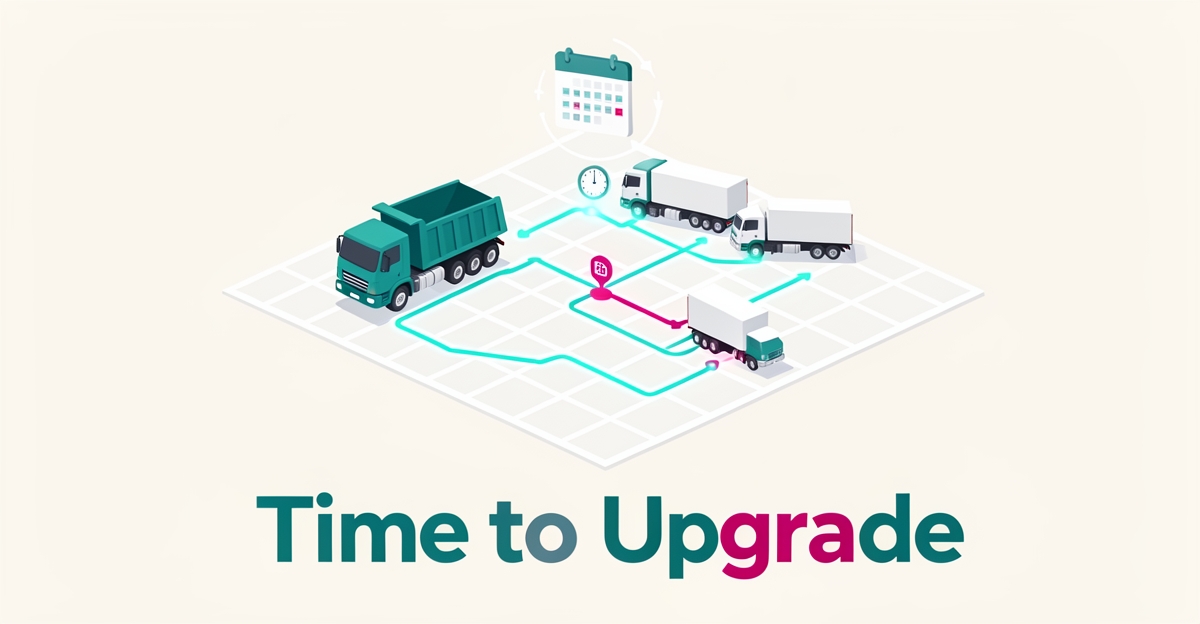
5 Signs Your Debris Removal Business Needs AI for Job Scheduling and Dispatch
Key Facts
- Lead response speed is decisive, businesses that respond in minutes rather than hours typically win far more price-sensitive jobs, per industry research
- AI-assisted routing typically cuts fuel costs meaningfully and helps crews complete more jobs per day, as documented by field operations platforms
- Junk removal operators commonly spend several hours a day on paperwork and customer messages instead of running crews, per industry research
- AI-powered quoting tools can generate prices from customer photos in under a minute, per automation specialists
- Automated follow-up sequences can recover a meaningful share of leads that would otherwise go cold, per lead recovery data
- AI scheduling can cut no-show rates sharply by forecasting optimal arrival windows, per scheduling analytics
- The AI in waste management market is projected to grow from roughly $1.6 billion to $18.2 billion by 2033, per Market.us analysis
Hire a team member that works 24/7 — for less than a part-time wage.
AI receptionists, SDRs, dispatchers and 99+ roles. Trained on your business, fully managed.
Not sure where to start? Ask our AI planner
The Scheduling Pain Points Costing Debris Removal Companies Revenue
Most debris removal operators know the feeling: the phone rings nonstop, the whiteboard is a mess of crossed-out names, and the day ends with two crews sitting idle while a high-value job sits unscheduled. That operational chaos isn't just frustrating, it's expensive.
Junk removal operators commonly spend several hours a day on paperwork and customer messages instead of running crews, according to industry research. Meanwhile, field data suggests no-show rates can hover in the double digits, burning capacity that could go to paying jobs. On the road, fuel waste from inefficient routing eats directly into margins, a pattern field operations platforms consistently document across fleets.
These aren't isolated headaches, they're symptoms of a dispatch model that hasn't caught up to modern demand. Customers now expect same-day service and instant quotes, yet many shops still rely on manual callbacks, static route sheets, and a single dispatcher juggling everything. The market is responding: AI in waste management is projected to grow from roughly $1.6 billion to $18.2 billion by 2033, per Market.us analysis, because the ROI of automating these decisions is too large to ignore.
The red flags show up in predictable patterns:
- Missed or double-booked appointments that erode trust and trigger negative reviews
- Crews driving past each other on overlapping routes while other zones go uncovered
- Overstaffing on slow days and scrambling for subcontractors on peak days
- Quote turnaround measured in hours instead of minutes, losing price-sensitive leads
- A dispatcher who can't take a lunch break without the schedule collapsing
AIQ Labs works with field service companies to replace that fragility with AI-driven dispatch, through AI Employees like dispatchers and receptionists, or a targeted Workflow Build that rebuilds the one scheduling process costing you the most. The shift isn't theoretical; it's the difference between a schedule that reacts and one that optimizes.
5 Red Flags That Signal It's Time for AI-Powered Dispatch
Is your debris removal business losing revenue to inefficiency? AI-powered scheduling and dispatch systems can transform your operations, reducing costs and boosting customer satisfaction. Here are five red flags signaling it's time to upgrade to AI-driven dispatch.
First, consider your response time to customer inquiries. According to industry research, responding within minutes rather than half an hour dramatically increases your odds of converting a lead. If your team is struggling to respond quickly, you may be losing valuable business to competitors.
Next, examine your routing efficiency. Inefficient routes lead to wasted time and fuel. AI-powered dispatch systems can optimize routes, cutting fuel costs and helping crews complete more jobs per day, as reported by FieldCamp.
Overstaffing is another red flag. If you're consistently overstaffed, you're likely overspending on labor costs. AI-powered scheduling can help optimize staffing levels, reducing waste and improving customer satisfaction.
Slow quote turnaround can also cost you business. With AI-powered quoting tools, you can generate quotes in under a minute from customer photos, improving customer satisfaction and reducing lost business.
Finally, consider the efficiency of your dispatch process. Dispatcher bottlenecks lead to increased wait times and reduced productivity. AI dispatch systems can automatically match jobs to crews based on vehicle capacity, current location, and availability, as noted by FieldCamp.
If you're experiencing any of these issues, it may be time to consider AI-powered dispatch. AIQ Labs builds custom AI solutions that can help optimize your operations, reduce costs, and improve customer satisfaction.
- Missed appointments and slow response times
- Inefficient routing and wasted resources
- Overstaffing and increased labor costs
- Slow quote turnaround and lost business
- Dispatcher bottlenecks and reduced productivity
How AI Scheduling and Dispatch Transforms Debris Removal Operations
AI scheduling and dispatch transforms debris removal operations by directly addressing the core inefficiencies that plague manual systems. Predictive scheduling cuts no-show rates by forecasting optimal arrival windows and proactively confirming with customers, ensuring crews arrive when clients are ready. Route optimization engines analyze traffic, job clusters, and vehicle capacity to reduce fuel consumption and fit more jobs into each day, turning inefficient detours into streamlined workflows. Dynamic staffing algorithms eliminate overstaffing by predicting daily workload spikes and adjusting crew assignments in real time, preventing idle labor costs without sacrificing service coverage. AI photo quoting tools generate fast, accurate prices from customer-uploaded images, replacing slow manual estimates that lose leads to faster competitors. Finally, AI dispatchers automatically match jobs to crews based on real-time location, vehicle specs, and skill sets, removing human bottlenecks and ensuring the right team is always en route. These capabilities aren't theoretical, they're built into AIQ Labs' AI Employees for dispatch and AI Workflow Builds, which integrate with existing tools like your CRM and scheduling software to create systems you own outright and that scale with your business.
From Manual Dispatch to AI-Optimized Fleet in 4 Steps
Many debris removal businesses still rely on manual spreadsheets and phone calls for scheduling, leading to costly inefficiencies. The transition to AI-optimized dispatch doesn't require a full overhaul, it can be achieved in four practical steps grounded in real operational pain points.
Start by auditing current scheduling workflows to identify red flags like missed appointments, inefficient routing, or overstaffing, signals that AI-driven scheduling can resolve. Research consistently shows that responding to customer inquiries in minutes rather than hours dramatically improves conversion, highlighting the cost of delayed responses in manual systems. Once pain points are mapped, deploy an AI-powered scheduling and dispatch system that automatically matches jobs to crews based on vehicle capacity, current location, and availability, reducing idle time and improving daily job completion rates.
Next, layer in AI-powered quoting tools that generate instant pricing from customer photos, cutting quote turnaround from hours to seconds. Pair this with automated follow-up sequences to recover leads that typically slip through due to delayed responses. Finally, use AI insights to optimize staffing levels and dynamically adjust routes throughout the day, reducing fuel costs while ensuring crews are neither overburdened nor underutilized. This phased approach aligns with AIQ Labs' Start Monthly and Build in Milestones payment models, letting you implement AI workflow fixes incrementally, starting with dispatch automation, then expanding to quoting and follow-up, without upfront complexity or long-term commitments. Each phase delivers measurable improvements in job completion, lead recovery, and operational efficiency, creating a foundation for a full AI Operating System as your business grows.
Still paying for 10+ subscriptions that don’t talk to each other?
We build custom AI systems you own outright. No vendor lock-in. Full control.
Not sure where to start? Ask our AI planner
Frequently Asked Questions
How can I tell if my debris removal business is losing money to bad scheduling?
Will AI dispatch actually save fuel and help us fit in more jobs?
Is responding faster really that important for junk removal leads?
Can AI really reduce no-shows and quote turnaround time?
What if I'm worried about overstaffing on slow days and scrambling on busy days?
Do I have to replace my whole system to try AI dispatch?
Turn Scheduling Chaos into Competitive Advantage
If your debris removal business is showing any of the five red flags, missed appointments, inefficient routing, overstaffing, slow quotes, or dispatcher overload, it's not just an operational headache; it's revenue leaking out the door. AI-powered scheduling and dispatch directly tackles these pain points, turning reactive chaos into proactive optimization: cutting fuel waste, fitting more jobs into each day, and converting more leads with instant quoting and fast response readiness. The good news? You don't need to rip and replace your existing systems to start seeing results. AIQ Labs helps debris removal companies implement AI workflow fixes incrementally, starting with dispatch automation, then expanding to quoting and follow-up, through flexible payment models like Start Monthly or Build in Milestones, so you own the solution and scale at your pace. Ready to see where AI can unlock the most value in your operations? Start with the two-minute Fit Check, then schedule a free 30-minute strategy call to map your biggest bottleneck and identify high-ROI automation opportunities, no sales pitch, just clarity on your AI opportunity.
Make AI your competitive advantage — not just another tool.
Strategy, implementation and ongoing optimization. One partner, end to end.
Not sure where to start? Ask our AI planner