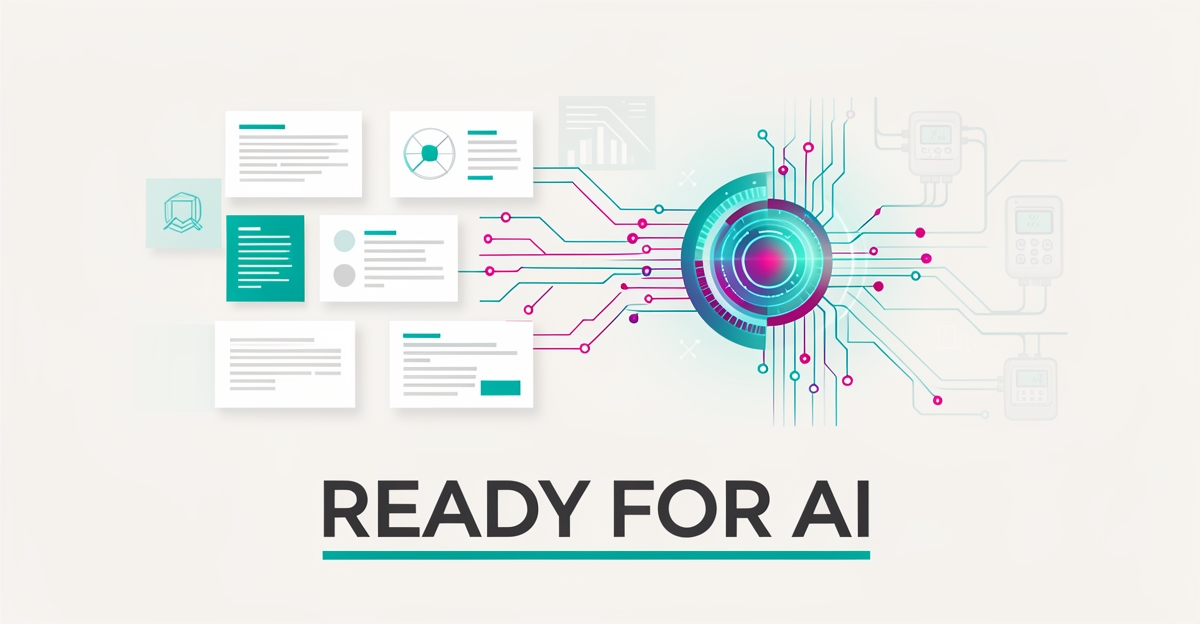
5 Signs Your Energy Brokerage Firm Is Ready for AI Automation
Key Facts
- Industry analysis as of late 2026 points to agentic AI being bundled into existing SaaS and cloud renewals rather than replacing them, rewarding firms with connected, API-first systems per TechRadar analysis
- FINRA's Regulatory Oversight Report has repeatedly flagged inadequate written supervisory procedures, underscoring scrutiny around supervision as processes change as reported by FINRA
- EY research finds most leaders encourage daily AI use, but today's workforce needs training, mindset shifts and digital fluency to evolve successfully per EY research
- AI agents sharpen requirements for managing structured data, enforcing permissions, executing workflows, and maintaining audit trails rather than eliminating them per TechRadar analysis
- As the cost and effort required to execute processes falls, more work becomes viable due to AI's multiplier effect according to TechRadar
- AIQ Labs has deployed 200+ multi-agent systems and runs 4 live SaaS products daily, using signals like inconsistent data, high agent burnout and slow response times to launch targeted AI solutions without overhauling operations
- Firms experiencing data fragmentation across CRM, email, and spreadsheets typically spend more time hunting information than advising clients
Hire a team member that works 24/7 — for less than a part-time wage.
AI receptionists, SDRs, dispatchers and 99+ roles. Trained on your business, fully managed.
Not sure where to start? Ask our AI planner
The Operational Pain Points Driving AI Readiness
Operational friction rarely announces itself as a readiness signal, it shows up in the daily grind of brokerage teams trying to keep up with client demand.
Energy brokerage firms often hit a wall where inconsistent data, agent burnout, and slow response times compound each other. When client records live in spreadsheets, CRMs, and email threads, agents spend more time hunting information than advising clients. That fragmentation creates the exact conditions where targeted AI automation delivers value without a full overhaul.
Inconsistent data erodes trust and speed. TechRadar analysis notes that enterprise platforms derive value from managing structured data, enforcing permissions, executing workflows, and maintaining audit trails. AI agents do not eliminate those requirements but sharpen them, making data quality and system integration more critical than ever. Firms with fragmented sources signal readiness for intake agents or automated proposal systems that unify inputs rather than replace core systems.
High agent burnout is a leading indicator of process overload. EY research finds most leaders encourage daily AI use but today's workforce needs training, mindset shifts and digital fluency to evolve successfully. In brokerage environments, repetitive qualification, follow-up, and documentation tasks drive fatigue. When teams are stretched, automating high-volume, rules-based work preserves human capacity for negotiation and relationship management.
Slow response times directly impact revenue. The multiplier effect described by TechRadar shows that as the cost and effort required to execute processes falls, more work becomes viable. Brokers who cannot respond quickly lose opportunities to competitors. That pressure makes firms ideal candidates for targeted AI solutions like AI intake agents or automated proposal systems that work alongside existing operations.
These pain points map to readiness because they are bounded, measurable, and operational rather than strategic. Firms experiencing them can benefit from:
- Data inconsistency across CRM, email, and spreadsheets that slows quoting and onboarding
- Agent time spent on repetitive intake, follow-up, and documentation instead of client advisory
- Response latency that causes lost leads and client churn during peak procurement cycles
- Manual handoffs that increase error risk and compliance exposure
Regulatory context reinforces the need for controlled automation. FINRA's Regulatory Oversight Report has repeatedly flagged inadequate written supervisory procedures, underscoring scrutiny around supervision as processes change. FINRA guidance emphasizes WSPs as a living document that must evolve with supervisory process changes.
AIQ Labs uses these signals to launch targeted AI solutions without overhauling existing operations. With industry analysis pointing toward agentic AI being bundled into existing SaaS and cloud renewals rather than replacing them, the market is moving toward integration, not replacement. That aligns with firms ready for practical automation that reduces manual load while maintaining governance and ownership.
What Readiness Actually Looks Like in Brokerage Operations
Energy brokerage firms don’t need a complete overhaul to benefit from AI automation, they need to recognize the subtle operational signals that indicate they’re primed for targeted transformation. These signs aren’t about technology adoption; they’re about existing inefficiencies that AI can resolve without disrupting core workflows.
One of the clearest indicators is data fragmentation across systems, where client information, transaction histories, and compliance records live in silos that slow decision-making and increase error risk. EY emphasizes that successful AI implementation requires modernizing data foundations to enable seamless human-agent orchestration, noting that most leaders encourage daily AI use but today's workforce needs training, mindset shifts and digital fluency to evolve successfully. When data is inconsistent or inaccessible, even the most advanced AI agents cannot function effectively, making this a critical readiness checkpoint.
Another telltale sign is manual intake bottlenecks that create backlogs and delay client onboarding. Firms experiencing high volumes of repetitive data entry or document processing often see agent burnout rise, directly impacting service quality and response times. Organizations struggling to scale AI initiatives typically lack proper governance, sectoral insights, and delivery experience, precisely the gaps that emerge when teams are overwhelmed by repetitive tasks. AIQ Labs observes that these pain points are ideal entry points for AI intake agents that automate initial client interactions while preserving human oversight for complex cases.
Compliance oversight gaps also signal readiness, particularly when written supervisory procedures (WSPs) are outdated or inconsistently applied. FINRA's Regulatory Oversight Report has repeatedly flagged inadequate written supervisory procedures, underscoring how automation exposes weaknesses in supervisory controls. FINRA Rule 3110(b) requires firms to establish, maintain, and enforce written procedures reasonably designed to achieve compliance, meaning AI implementation must enhance, not replace, these living documents. Firms with visible gaps in audit trails or exception handling are often those most poised to benefit from AI-driven compliance monitoring that adds consistency without increasing manual burden.
Finally, workforce strain and response latency reveal operational friction that AI can alleviate. When agents spend excessive time on low-value tasks, response times to client inquiries lengthen, and satisfaction scores decline, it indicates a system ripe for augmentation. The TechRadar analysis notes there is another misconception shaping the conversation: that AI will reduce the amount of work organizations need to do, in practice, the opposite is happening. As the cost and effort required to execute processes falls, more work becomes viable. Firms noticing this multiplier effect, where efficiency gains lead to higher volumes of actionable work, are demonstrating they have the operational maturity to scale AI responsibly. These five signals, when present together, show a firm isn’t just ready for AI, it’s ready to evolve.
How AI Fits Without Replacing Your Core Systems
AI doesn’t require ripping out the brokerage stack you’ve already paid for. It works best when it embeds into the platforms that already manage your data, workflows and audit trails.
TechRadar analysis shows that AI agents are driving the next phase of SaaS growth, not replacing it. As of late 2026, industry analysis points to agentic AI investments increasingly being bundled into existing SaaS and cloud renewals. That shift rewards API-first, deeply connected systems that support autonomous activity at scale.
For energy brokerage firms, core platforms remain systems of record. Their value is managing structured data, enforcing permissions, executing workflows and maintaining audit trails. AI agents sharpen those requirements rather than eliminate them. Solutions that coordinate workflows across services, apply policy and manage state are not easily displaced.
Integration happens through targeted agents that sit on top of current tools. This preserves supervisory controls while improving speed and consistency. AIQ Labs approaches readiness as a practical checklist for brokers, using signals like inconsistent data, high agent burnout and slow response times to launch focused solutions without overhauling operations. For firms that want one workflow rebuilt end to end, an AI Workflow Build targets the single process that costs the most, at a fixed price, delivered in phases.
Typical embedding points include:
- AI intake agents that capture lead data via phone, web or email and write directly into CRM and proposal systems
- Automated proposal systems that pull pricing, terms and historical deal data from existing SaaS to generate client-ready documents
- Supervisory controls that log every agent action for review, maintaining FINRA-aligned oversight
Regulatory context matters. FINRA's Regulatory Oversight Report has repeatedly flagged inadequate written supervisory procedures. FINRA guidance emphasizes WSPs as a living document that must provide a roadmap for supervisory personnel as processes change.
The workforce dimension is equally important. EY research finds most leaders encourage daily AI use but today’s workforce needs training, mindset shifts and digital fluency to evolve successfully. Embedding AI inside familiar systems reduces change friction and supports adoption.
This API-first model keeps ownership and compliance in place. Platforms continue to enforce policy and provide auditability, while AI agents handle repetitive execution. The result is faster response times, fewer manual handoffs and sustained supervisory visibility without a wholesale system replacement.
A Practical Readiness Checklist and Next Steps
Readiness is not about having the newest tools, it is about having the right controls, data and people to use them safely. Energy brokerage firms that score well on governance, data quality and digital fluency can move from pilot to production without disrupting client service.
Start with FINRA-aligned supervision. Rule 3110(b) requires each member to establish, maintain and enforce written procedures to supervise business activities and associated persons’ activities. Rule 3120 adds an annual test and verification of those procedures. Regulatory guidance stresses that WSPs are a “living” document and should provide a roadmap for supervisory personnel as processes change. FINRA's Regulatory Oversight Report has repeatedly flagged inadequate written supervisory procedures.
A practical readiness checklist maps directly to those requirements and operational realities.
- WSP coverage for AI: documented oversight, testing and escalation for automated intake, proposal and client communication workflows.
- Data readiness: structured client, contract and market data with clear ownership, permissions and audit trails for agent access.
- Workforce digital fluency: agents trained to supervise AI outputs, handle exceptions and maintain client relationships.
- System integration: APIs and records of systems of record that agents can query without creating shadow data.
Data and integration readiness determine speed. Industry analysis points to agentic AI investments increasingly bundled into existing SaaS and cloud renewals as of late 2026. Firms that keep core platforms as systems of record and add AI on top avoid wholesale replacement and preserve compliance controls.
Workforce readiness is the bottleneck. EY research finds most leaders encourage daily AI use but today’s workforce needs training, mindset shifts and digital fluency to evolve successfully. Brokerages with high agent burnout and slow response times often lack human-agent orchestration and clear exception handling.
From assessment to pilot, firms can move incrementally. AIQ Labs has deployed 200+ multi-agent systems and runs 4 live SaaS products daily, using these signals to launch targeted AI solutions like AI intake agents or automated proposal systems without overhauling existing operations. Assessment maps pain points to governance, data and fluency gaps and defines a pilot scope with measurable compliance and service KPIs.
Deployment follows three flexible paths. Start Monthly delivers one AI employee with setup plus a flat monthly plan, build and training included, and can be paused or adjusted anytime. Build in Milestones splits a workflow or department system into phases with approval and payment per phase. Own It Outright delivers a full AI operating system with full ownership of code, agents and data when complete. For firms that want managed AI staff across roles like receptionists, SDRs and dispatchers, AI Employees covers 99+ roles at roughly 80% less cost than a human hire.
Still paying for 10+ subscriptions that don’t talk to each other?
We build custom AI systems you own outright. No vendor lock-in. Full control.
Not sure where to start? Ask our AI planner
Frequently Asked Questions
How do I know if my brokerage is actually ready for AI automation?
Will AI automation force me to replace my existing CRM and compliance systems?
How does AI automation affect our FINRA compliance obligations?
Will my brokers actually use AI tools, or will this just create more work?
What's the difference between buying AI software and hiring an AI employee?
How can we start small with AI without risking a failed enterprise-wide rollout?
From Signals to Action: Build AI That Fits Your Brokerage
The five readiness signals point to the same reality: energy brokerage firms are already operating under friction that AI can relieve without a wholesale rebuild. Fragmented data, repetitive intake and follow-up, slow response times, manual handoffs, and compliance gaps are operational, measurable problems, not strategic bets. When those conditions exist, targeted automation like AI intake agents and automated proposal systems can sit on top of your existing CRM and systems of record, preserving audit trails and FINRA-aligned oversight while freeing agents for advisory work. Readiness is about governance, data quality, and digital fluency, not the newest tools. Firms that assess WSP coverage, data ownership, integration points, and workforce training can move from pilot to production incrementally and safely. If you’re seeing these signals, a focused assessment is the practical next step. Start the 2-minute Fit Check at https://aiqlabs.ai/apply for a free 30-minute strategy call to map your biggest bottleneck and identify high-ROI automation opportunities, and with industry analysis pointing toward integration over replacement, embedding AI into the systems you already own is the path forward.
Make AI your competitive advantage — not just another tool.
Strategy, implementation and ongoing optimization. One partner, end to end.
Not sure where to start? Ask our AI planner