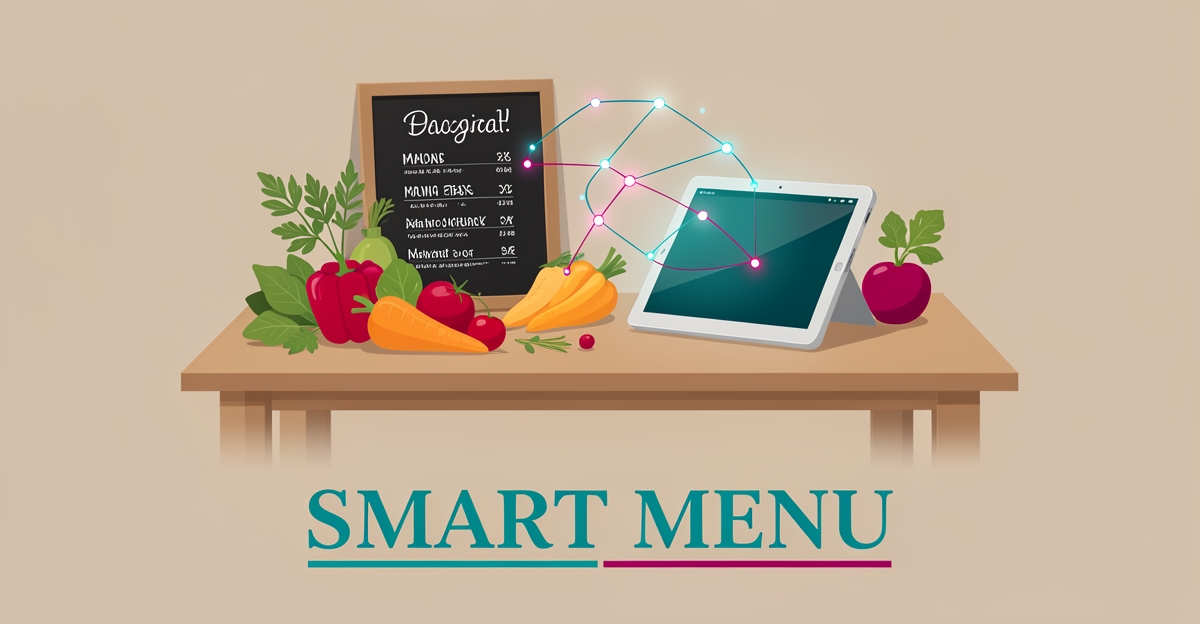
5 Signs Your Farm-to-Table Restaurant Is Ready to Adopt AI for Menu Customization and Customer Preferences
Key Facts
- Restaurants using guest data platforms to personalize outreach typically report notable increases in repeat visits, as of late 2026.
- AI-assisted forecasting and prep planning can meaningfully reduce inventory waste in restaurants.
- AI scheduling tools can trim labor costs while improving service during rush hours.
- Automated reservation reminders are widely used to cut no-show rates.
- Staffing and retention remain top concerns for restaurant operators, which makes tools that reduce staff burden especially valuable.
- AI voice assistants can take and process orders faster than manual entry, freeing staff for hospitality work.
Hire a team member that works 24/7 — for less than a part-time wage.
AI receptionists, SDRs, dispatchers and 99+ roles. Trained on your business, fully managed.
Not sure where to start? Ask our AI planner
The Hidden Cost of Guesswork in Your Menu
The hidden cost of guesswork in your menu strategy often reveals itself through inconsistent customer feedback, rising food waste, and missed revenue opportunities, signs that your current approach isn't adapting to local tastes or dietary trends. For farm-to-table restaurants, where ingredient sourcing and seasonal availability are central to the brand, misaligned menus can lead to avoidable waste and dissatisfied guests who don't return. Staffing and retention remain top concerns across the industry, and operational inefficiencies like poor menu planning add strain on both your team and your guest experience. When diners repeatedly encounter dishes that don't match their preferences or dietary needs, they're less likely to return, and restaurants that track and act on guest preferences typically see meaningful gains in repeat visits. This gap between what you're serving and what customers actually want isn't just a missed opportunity; it's a drain on profitability that compounds over time.
- Inconsistent feedback makes it impossible to identify which seasonal ingredients resonate with your audience, leading to overproduction of unpopular dishes.
- Rising food waste isn't just a sustainability issue, it reflects a disconnect between menu offerings and actual customer demand, increasing costs without boosting satisfaction.
- Missed revenue opportunities occur when dietary trends (like plant-based or gluten-free preferences) go unnoticed, leaving money on the table while competitors capture those segments.
These symptoms point to a deeper problem: relying on intuition or sporadic feedback loops instead of data-driven insights to guide menu decisions. Without a system to analyze ordering patterns, preference trends, and seasonal shifts in real time, farm-to-table restaurants risk alienating the very customers who value their commitment to local, thoughtful cuisine. Addressing this guesswork isn't about replacing chef creativity, it's about enhancing it with insights that ensure every dish served aligns with both culinary vision and customer expectation. AIQ Labs helps bridge this gap through AI Workflow Builds that turn customer data into actionable menu intelligence, reducing waste while increasing relevance and retention.
How AI Turns Customer Data into Menu Precision
The difference between a menu that survives and one that thrives often comes down to how precisely you understand what your guests actually want, not what you think they want. AI systems excel at turning scattered ordering data, reservation notes, and seasonal buying patterns into a living map of local demand that updates in real time.
When a guest experience platform tracks every interaction, from dietary restrictions noted at booking to the wine pairing a regular always orders, it builds a preference profile no human host could memorize at scale. Restaurants using these platforms typically see meaningful increases in repeat visits, because the data translates directly into personalized recommendations and timely outreach. The same intelligence that powers a tailored email campaign can tell your chef which heritage tomato variety to feature next week based on actual sales velocity, not gut feel.
- Ordering patterns reveal which seasonal ingredients drive repeat business versus one-time curiosity
- Preference clusters identify underserved dietary trends, gluten-free, plant-forward, low-histamine, before competitors spot them
- Waste logs cross-referenced with sales data pinpoint prep inefficiencies that quietly inflate food costs month after month
- Reservation timing and party-size trends optimize staff scheduling, trimming labor overhead while improving service during rushes
AIQ Labs builds custom AI systems that ingest these data streams, POS, reservations, inventory, guest feedback, and surface menu adjustments your team can act on before the weekend rush. Whether that starts as a single workflow rebuild or grows into a full AI Operating System for your restaurant, the goal isn't automation for its own sake; it's giving your culinary team the precision of a data analyst without hiring one.
Your 3-Step Path to AI-Powered Menu Customization
Begin with a focused use case that delivers quick wins without disrupting your farm-to-table ethos, such as analyzing reservation patterns or guest feedback to identify emerging dietary preferences. Starting narrow allows you to validate AI's value while building internal confidence, especially when staffing and retention pressures signal a need for tools that reduce staff burden rather than add complexity.
Integrate data flows between your POS and reservation systems to create a unified view of customer behavior, ensuring AI recommendations are grounded in real ordering trends and seasonal ingredient availability. This foundational step prevents fragmented insights and supports sustainable scaling, as organizations seeing lasting results prioritize data governance before expanding use cases.
Train frontline and kitchen staff to critically evaluate AI-generated menu suggestions, teaching them when to trust insights, when to question outliers, and when to escalate for human judgment. This skill-building transforms AI from a black-box tool into a collaborative asset, aligning with research that shows workforce readiness is essential for responsible adoption, particularly in experience-driven environments where personal connection remains central to the farm-to-table story.
Still paying for 10+ subscriptions that don’t talk to each other?
We build custom AI systems you own outright. No vendor lock-in. Full control.
Not sure where to start? Ask our AI planner
Frequently Asked Questions
How can AI actually help reduce food waste in my farm-to-table restaurant without compromising our seasonal menu?
Will using AI for menu customization make our restaurant feel less personal or authentic to our farm-to-table values?
What's the first step we should take if we want to try AI for menu personalization without overwhelming our staff?
How much can we realistically save or gain by using AI for menu customization and customer preference tracking?
Do we need to overhaul our current POS or reservation systems to use AI for menu insights?
How do we know if our staff can trust and effectively use AI-generated menu suggestions?
From Guesswork to Growth: Turning Data Into Your Competitive Edge
Farm-to-table restaurants thrive on authenticity, but even the most thoughtful menus suffer when guesswork replaces insight. As we've seen, inconsistent feedback, rising waste, and missed revenue aren't just operational hiccups, they're symptoms of a deeper disconnect between what you serve and what your guests truly want. AI doesn't replace your chef's creativity or your commitment to local sourcing; it sharpens it, turning reservation notes, ordering patterns, and preference trends into real-time menu intelligence that reduces waste, boosts repeat visits, and aligns every plate with both vision and demand. The path forward starts small: pick one use case, like tracking dietary preferences from reservation data, and let AI prove its value without disrupting your ethos. When you're ready to move beyond intuition and into measurable impact, start with AIQ Labs' 2-minute Fit Check, then take the free 30-minute strategy call to see where your biggest win awaits, schedule yours today and turn customer insight into your next advantage.
Make AI your competitive advantage — not just another tool.
Strategy, implementation and ongoing optimization. One partner, end to end.
Not sure where to start? Ask our AI planner