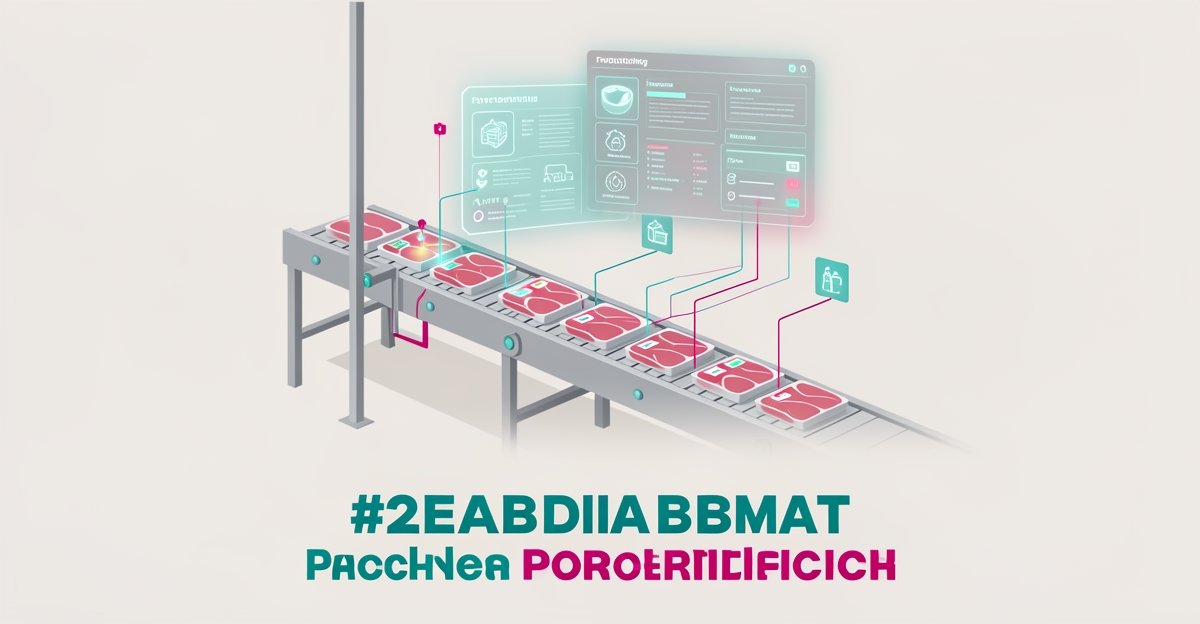
5 Signs Your Meat Processing Plant Is Ready for AI-Driven Inventory Management
Key Facts
- Meat plants implementing AI in core processes typically report efficiency improvements in the 15–30% range, per industry reporting as of late 2026
- AI-driven precision cutting has been reported to deliver 1–3% more yield per carcass in industry case studies
- AI supply chain forecasting is commonly credited with improving forecast accuracy by 20–30% over manual methods
- Modern slaughter lines can process hundreds of carcasses per hour, a data volume that exceeds what manual tracking can capture accurately
- AIQ Labs has deployed 200+ multi-agent systems and runs 4 live SaaS products daily, this is work we do, not theory
Hire a team member that works 24/7 — for less than a part-time wage.
AI receptionists, SDRs, dispatchers and 99+ roles. Trained on your business, fully managed.
Not sure where to start? Ask our AI planner
The Cost of Manual Inventory in Meat Processing
The true cost of manual inventory in meat processing extends far beyond labor hours, it erodes profitability at every stage of the value chain. Plants still relying on spreadsheets and manual counts face chronic inconsistencies in raw material tracking, which directly contributes to yield variability and avoidable waste. Without real-time visibility into stock levels, facilities routinely experience both shortages that halt production and overstocking that increases spoilage risk, a cycle that drains resources and destabilizes operations. This lack of precision is especially costly given that a single slaughter line can process hundreds of carcasses per hour, generating data volumes that far exceed what human monitoring can capture accurately. The result is inconsistent grading, increased trim waste, and yield losses that only become apparent after the financial impact has already hit.
Delayed order fulfillment compounds these inefficiencies, because production scheduling stays reactive rather than predictive. When plants lack real-time analytics, they can't anticipate demand surges or adjust capacity proactively, resulting in missed delivery windows and strained customer relationships. Manual systems also force teams to spend hours on data entry and reconciliation across disconnected tools, slowing decisions and increasing error rates. Industry reporting as of late 2026 suggests facilities implementing AI-driven inventory solutions typically see efficiency gains of 15–30% in core processes by eliminating these bottlenecks, and AI-powered demand forecasting is commonly credited with improving accuracy by 20–30% over manual methods. For meat processors operating on thin margins, this level of optimization isn't just beneficial, it's essential in a market where waste directly translates to lost revenue.
AIQ Labs helps meat processing plants move from reactive manual systems to proactive, AI-driven inventory management. Depending on where the pain is worst, that starts with an AI Workflow Build that rebuilds the one inventory workflow costing you the most, at a fixed price, in phases, or grows into an AI Operating System that connects intake, production, and distribution into one operating layer your plant owns outright. These systems create a single source of truth from livestock intake through finished goods distribution, so facilities maintain optimal stock levels while reducing waste and improving fulfillment reliability. By anchoring inventory decisions in data rather than guesswork, plants gain the agility to respond to demand fluctuations, minimize spoilage, and protect yield, turning inventory from a liability into a strategic advantage.
How AI Transforms Inventory Visibility and Forecasting
Meat plants lose money every time a pallet is misplaced or a forecast misses. AI-driven inventory systems close those gaps by turning fragmented tracking into continuous, predictive visibility from intake to shipment.
Real-time raw material tracking replaces manual logs with automated capture. RFID and EID tags scan livestock on arrival, logging live weights and anomalies directly into ERP and compliance systems. That creates a single source of truth from the moment animals enter the facility. Smart inventory features track stock levels live, automate reordering, and reduce waste across cold storage and production lines.
Predictive demand forecasting gives planners a forward view instead of a rearview mirror. Machine learning models analyze historical sales patterns, seasonality, and trend detection to predict customer demand, industry reporting commonly credits AI-driven supply chain forecasting with 20–30% accuracy improvements over manual methods. That lift reduces both stockouts during demand surges and overstock that ties up cash and risks spoilage.
Automated reordering completes the loop. When inventory hits a dynamic threshold, the system generates purchase orders based on forecasted need, supplier lead times, and yield expectations. Plants see fewer emergency buys, less overtime chasing materials, and steadier line flow, with efficiency improvements in the 15–30% range typically reported across core processes.
Visibility also improves execution. Continuous monitoring and AI recommendations help teams reduce delays and make proactive decisions instead of firefighting, and plants that follow through on those recommendations often see meaningful line-speed gains.
For small and mid-size processors, this is where workflow automation and inventory intelligence converge. Inconsistent raw material tracking or delayed order fulfillment are the clearest readiness signals that your plant needs AI-driven inventory systems. AIQ Labs builds these systems to maintain optimal stock levels with real-time forecasting, integrating plant-floor operations, quality checks, and compliance into one digital ecosystem.
A practical transformation typically includes:
- Automated intake capture with RFID/EID and live weight validation
- Predictive demand models that adjust for seasonality and order patterns
- Automated reorder triggers linked to ERP, procurement and cold storage
- Single dashboard for inventory, yield, and shipment status from intake to load-out
The result is real-time visibility and predictive control that eliminates stockouts and overstock while creating a single source of truth.
From Waste to Profit: AI's Impact on Yield and Compliance
Waste is the silent margin killer in meat processing, and it's also the fastest place AI turns cost into cash.
Precision cutting guided by vision systems has been reported to lift yield by 1–3% per carcass in industry case studies, by inspecting carcass geometry and guiding blades with millimeter accuracy. That precision reduces trimming errors and helps plants meet weight and grade targets consistently, not just on good days.
Vision-based quality control also standardizes grading. AI-powered cameras replace inspector variability with objective, repeatable measurement, protecting brand reputation on every primal while cutting inspection time.
The waste impact compounds quickly. Industry analyses have reported discard reductions of up to 40% in some AI-vision deployments. Fewer downgrades mean more sellable product from the same raw material intake, directly lifting revenue without adding throughput.
Compliance risk falls at the same time. AI-powered anomaly detection supports continuous HACCP monitoring, replacing paper checkpoints and fatigue-prone manual inspections with automated, auditable oversight. Plants that signal readiness for this shift often show:
- Inconsistent raw material tracking and no real-time inventory visibility
- Delayed order fulfillment from manual scheduling and disconnected tools
- High scrap rates and variable yield across shifts
- Manual data entry and siloed spreadsheets for quality and compliance
These pain points point to a need for systems that forecast demand, automate reordering, and maintain optimal stock levels with real-time forecasting. AIQ Labs builds inventory and supply chain systems that connect plant-floor execution to financial performance, turning scrap into savings and compliance into competitive advantage.
Your Path to AI Inventory: Audit, Pilot, and Scale
Moving from manual inventory to AI-driven control starts with a clear path, not a big-bang overhaul. Meat plants that rush into automation often stall at pilots, while those that sequence audit, pilot, and scale build momentum with minimal disruption.
Start with a workflow audit to map where inventory visibility breaks down. A structured audit identifies high-impact, low-risk opportunities across intake, yield optimization, and maintenance workflows, yield optimization is often the highest-ROI entry point for mid-size facilities. The audit also surfaces the disconnected tools, spreadsheets, and manual data entry that create silos and delay decisions.
Prioritize opportunities that tie directly to stock levels and fulfillment. Inconsistent raw material tracking and delayed order fulfillment are classic readiness signals, and they respond well to targeted AI. AI-driven supply chain forecasting, commonly credited with 20–30% accuracy improvements, reduces inventory waste and optimizes procurement. Pair that with real-time tracking at intake and you create a single source of truth from live weight capture to ERP.
Pilot on non-critical processes first to prove value without risking production. Testing on secondary lines or scheduled maintenance windows lets teams validate models, build trust, and refine integration. Phased implementation minimizes operational disruption before scaling to core production, and the meat processing automation market has been growing steadily, with adoption spreading well beyond the largest processors.
Integration is what turns pilot wins into plant-wide transformation. New AI solutions must connect with existing ERP, MES, and SCADA systems to unify plant-floor operations, quality checks, and compliance into a single digital ecosystem. Integration also enables automated reordering and demand-driven stocking that keeps optimal levels without manual intervention.
A practical rollout sequence looks like this:
- Audit workflows and data flows to pinpoint high-ROI inventory pain points
- Pilot AI on non-critical intake or forecasting processes with clear success metrics
- Integrate pilot data with ERP/MES for unified visibility and automated reorder logic
- Scale validated models across lines and plants with governance and change management
With real-time forecasting and automated reorder in place, plants reduce stockouts, cut excess inventory, and free cash flow for growth.
AIQ Labs supports this phased path through AI Workflow Builds, fixed-price, milestone-based rebuilds of your costliest workflow, and, when you're ready to go further, an AI Operating System you own outright. The goal is sustainable adoption where AI becomes embedded in the operating model rather than a standalone tool.
Still paying for 10+ subscriptions that don’t talk to each other?
We build custom AI systems you own outright. No vendor lock-in. Full control.
Not sure where to start? Ask our AI planner
Frequently Asked Questions
How do I know if my meat plant is ready for AI-driven inventory management?
What kind of efficiency gains can AI actually deliver in a meat processing plant?
Will AI improve our demand forecasting and reduce stockouts?
Can AI help with yield and waste without adding more throughput?
Is AI inventory management only for large processors?
What's a practical first step to move from manual inventory to AI?
From Inventory Guesswork to Strategic Advantage
Recognizing the signs of inventory strain, inconsistent tracking, delayed fulfillment, high waste, manual data overload, and no real-time analytics, is the first step toward turning a cost center into a competitive edge. AI-driven inventory management doesn't just automate spreadsheets; it creates a single source of truth from livestock intake to shipment, enabling predictive forecasting, automated reordering, and yield improvements that directly protect margins in an industry where waste equals lost revenue. For meat processors ready to move beyond reactive fixes, the path is clear: audit where visibility breaks down, pilot on non-critical processes, and scale with integration that unifies plant-floor execution with financial performance. AIQ Labs supports this journey with fixed-price, milestone-based workflow builds and operating systems you own outright, 200+ multi-agent systems deployed, and 4 live SaaS products we run ourselves every day. To find out where your plant stands, take the 2-minute Fit Check and book a free 30-minute strategy call, no obligation, just clarity on your highest-impact opportunity.
Make AI your competitive advantage — not just another tool.
Strategy, implementation and ongoing optimization. One partner, end to end.
Not sure where to start? Ask our AI planner