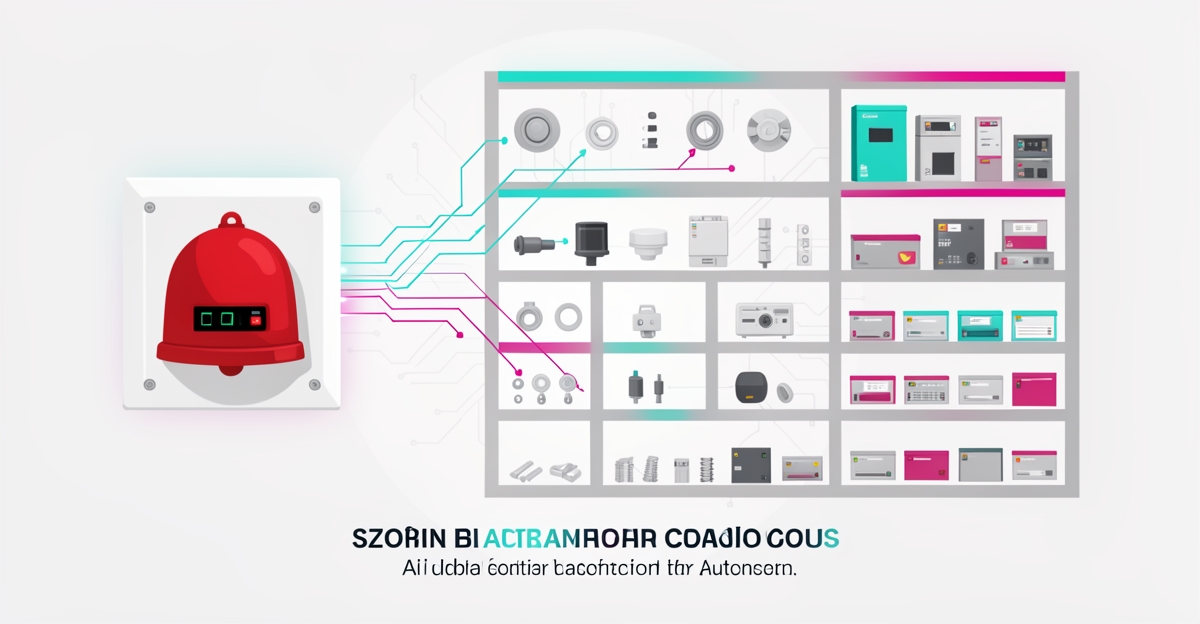
7 Signs Your Fire Alarm Company Is Ready for AI-Driven Inventory & Parts Management
Key Facts
- Manual inventory tracking creates blind spots that lead to both stockouts and overstocking, tying up cash and delaying jobs.
- AI-driven inventory systems use machine-learning demand forecasting to predict parts needs based on install schedules and seasonality.
- Early detection matters: modern air-sampling detection technology can identify fire conditions well before visible smoke appears, so delays in system activation compound risk.
- Fire alarm parts carry compliance requirements that generic inventory software doesn't handle, spec-matched replacements are essential.
- AIQ Labs has deployed 200+ multi-agent systems and runs 4 live SaaS products daily.
Hire a team member that works 24/7 — for less than a part-time wage.
AI receptionists, SDRs, dispatchers and 99+ roles. Trained on your business, fully managed.
Not sure where to start? Ask our AI planner
The Hidden Cost of Manual Parts Tracking in Fire Alarm Installation
You're juggling spreadsheets on a clipboard, counting parts from memory in a supplier van, and hoping the technician on Site B actually logged what they used yesterday. That system works until it doesn't, and in fire protection, the moment it fails is the moment detection delays put people and property at risk.
Fire alarm installation carries stakes most trades never face. Modern air-sampling detection technology can identify fire conditions well before visible smoke appears, so every hour of delay caused by a missing part or wrong component shrinks the safety window your systems exist to protect. Fires spread fast, and a system that sits incomplete for a week because of a stockout is a week of uncovered risk for your client.
Manual tracking creates blind spots that cascade across job sites:
- Stockouts discovered mid-installation, forcing emergency supplier runs
- Over-ordering expensive components already sitting in another truck
- Compliance gaps when replacement parts don't match specifications
- Inability to forecast demand for seasonal or code-driven spikes
The financial impact is measurable: emergency runs burn labor hours, overstock ties up cash, and delayed inspections cost contracts. But the real cost isn't just dollars, it's the detection gap between when a system should have been operational and when it actually comes online.
AIQ Labs builds AI inventory systems that unify real-time tracking across every job site, supplier van, and warehouse into a single source of truth, whether as a standalone workflow build or as part of a broader AI operating system for your business. The difference isn't better spreadsheets, it's predictive visibility that turns reactive scrambling into proactive control.
7 Signs Your Business Has Outgrown Traditional Inventory Management
Fire alarm businesses often realize they've outgrown traditional inventory methods only after delays disrupt critical inspections or emergency repairs. These recurring pain points signal that manual tracking can no longer keep pace with operational demands, especially when managing parts across multiple job sites and suppliers. Recognizing these signs early helps companies avoid costly downtime and prepare for smarter, AI-driven solutions that bring real-time visibility and predictive control to inventory management.
1. Frequent emergency parts runs. When technicians regularly leave inspections to source parts locally, it wastes labor hours and increases the risk of incomplete or delayed fire safety checks. This reactive approach undermines reliability and can compromise compliance with safety regulations that require timely system verification.
2. Stockouts delaying scheduled inspections or installations. Nothing frustrates clients faster than a crew that shows up without the parts to finish the job. Repeated delays damage your reputation in a business built on trust and code compliance.
3. No real-time visibility across sites and vans. Without knowing exactly what parts are where, companies reorder based on guesswork, tying up cash in excess inventory that may sit unused for months. This cash drain is especially painful for SMBs operating on tight margins.
4. Overstock you keep paying for. Surplus detectors and panels sitting in a warehouse are money that isn't working. AI-driven systems eliminate guesswork with continuous, accurate tracking and forecasting, so parts are available when and where they're needed without over-investing in stock.
5. Compliance gaps from spec mismatches. When replacement parts don't match the specification on file, inspections fail and rework piles up. A connected system tracks spec requirements alongside stock counts.
6. No demand forecasting for seasonal or code-driven spikes. If code changes or inspection cycles create demand surges you can't predict, you'll always be reacting one step behind.
7. Growth has outpaced your tools. When business growth outstrips the capacity of spreadsheets or basic tracking tools, errors multiply and opportunities slip through the cracks. Manual systems simply can't scale with increasing job volumes, supplier complexity, or seasonal demand fluctuations. At this stage, upgrading to an AI-powered inventory platform isn't just about efficiency, it's about maintaining operational control and readiness for expansion.
AIQ Labs helps fire alarm companies transition from reactive, manual processes to intelligent inventory management that supports safer, more reliable service delivery. To explore whether your business is ready for this shift, start with the free two-minute Fit Check at aiqlabs.ai/apply, followed by a no-obligation 30-minute strategy call at aiqlabs.ai/book to identify high-impact automation opportunities.
What AI-Driven Inventory & Parts Management Actually Does for Fire Alarm Companies
Imagine a critical fire alarm installation project halted because a specific detector is out of stock, while a surplus sits unused at another site. For fire alarm companies, managing parts across diverse job sites and a complex supplier network presents a constant challenge, directly impacting project timelines and client safety.
This is where AI-driven inventory and parts management transforms operations. It moves beyond traditional manual tracking, offering real-time visibility of every component across all your job sites and supplier warehouses. This means knowing exactly where every part is, at any given moment.
The system's intelligence extends to machine-learning demand forecasting. It analyzes your historical data, current install schedules, and even seasonal fluctuations to predict future parts needs. This proactive approach significantly reduces the risk of stockouts and overstocking.
Here's what AI-driven inventory management delivers:
- Real-time tracking across multiple job sites and suppliers.
- Machine-learning demand forecasting based on install schedules and seasonality.
- Automated reorder optimization to maintain ideal stock levels.
- Significant reduction in stockouts and excess inventory.
The contrast with traditional methods is stark. While manual systems struggle with limited forecasting and higher risks of stockouts or overstocking, AI brings advanced capabilities, optimized inventory levels, reduced waste, and improved overall efficiency, consistent with established inventory management software principles.
The impact on your bottom line comes from eliminating the hidden costs manual systems create: emergency runs, expedited shipping fees, idle crews, and cash locked in overstock. This isn't just about saving money; it's about ensuring your technicians always have the right part, at the right time, for every critical installation.
AIQ Labs specializes in developing custom systems that provide this level of real-time monitoring and predictive intelligence for businesses like yours. We build solutions that integrate with your existing tools, and you own the system outright, no vendor lock-in, no per-part fees forever.
By adopting AI, fire alarm companies can ensure optimal inventory levels, reduce operational headaches, and enhance customer satisfaction through reliable project completion. It's about building a more resilient and responsive supply chain for your critical work.
How to Implement AI Inventory Management Without Disrupting Your Operations
Switching to AI-driven inventory management sounds disruptive, but it doesn't have to be. With a phased approach, fire alarm companies can implement these systems smoothly and start seeing measurable results within a few months.
The key is following a structured, four-step process that minimizes disruption while maximizing results.
Step 1: Assess your baseline. Before investing in any new technology, take stock of where your current system falls short. Are technicians arriving at job sites without the right parts? Do you discover stockouts only when it's too late? Document every instance where poor inventory visibility costs you time or money. This baseline assessment becomes your benchmark for measuring improvement.
Step 2: Choose a system built for your workflow. Not all inventory management systems understand the unique demands of fire alarm installation. Look for solutions that handle multi-site tracking and supplier integration, the two capabilities that matter most for your operations:
- Real-time visibility across all job sites and warehouse locations
- Automated reorder points based on historical usage patterns
- Integration with your existing dispatch and scheduling systems
- Mobile access for technicians in the field
Generic inventory software won't cut it. Your system needs to understand that a smoke detector for a commercial high-rise has different lead times and compliance requirements than residential alarm batteries.
Step 3: Pilot, then roll out. Technology only works when your team actually uses it. Start with a pilot program at one location or with one crew. Let your team get comfortable with the system before rolling it out company-wide. This phased approach reduces resistance and lets you iron out workflow kinks before they affect your entire operation.
Step 4: Monitor and refine. AI systems improve over time, but only if you monitor their performance and make adjustments. Track metrics like stockout frequency, inventory carrying costs, and forecast accuracy. The transition from manual tracking to AI-powered forecasting typically takes 60–90 days to show measurable results. Be patient, but stay vigilant. If certain parts categories consistently underperform, work with your implementation partner to refine the approach.
Addressing common implementation concerns
Cost is the biggest objection for SMBs. But consider this: every emergency parts run, every delayed installation, and every lost contract due to stockouts has a price tag. AI inventory management eliminates these hidden costs, and with AIQ Labs you can start monthly, build in milestones, or own the system outright, so you're never locked into a pricing model that doesn't fit.
Accuracy skepticism is natural. Start with AI recommendations alongside your existing process, then gradually increase automation as confidence builds. The system learns from your corrections and improves continuously.
AIQ Labs specializes in building custom inventory systems that fit fire alarm workflows exactly, no forcing your processes into generic software. Our phased implementation approach means you approve each milestone before moving forward. See the full range of options on our pricing page.
Ready to explore what AI inventory management could do for your operation? Start with a two-minute Fit Check to see if there's a clear win for your business.
Still paying for 10+ subscriptions that don’t talk to each other?
We build custom AI systems you own outright. No vendor lock-in. Full control.
Not sure where to start? Ask our AI planner
Frequently Asked Questions
How does manual parts tracking actually hurt fire alarm companies?
What early warning signs show my inventory system is outgrown?
Can AI really reduce stockouts for fire alarm parts?
How fast can a fire detection delay become dangerous?
Will switching to AI inventory disrupt my crews and operations?
Is AI inventory management only for large fire alarm companies?
From Reactive Scrambling to Proactive Protection
The stakes in fire alarm work are clear: every minute of delay in detection compounds risk, and manual inventory tracking creates blind spots that can turn preventable incidents into preventable losses. The signs are unmistakable, emergency parts runs, stockouts delaying inspections, overstocking tying up cash, and systems that can't scale with growth. AI-driven inventory management doesn't just optimize stock levels; it delivers the predictive visibility needed to ensure the right part is in the right place at the right time, directly supporting safer, more reliable installations. For fire alarm companies ready to move beyond spreadsheets and guesswork, the path forward starts with clarity. Take the two-minute Fit Check to see where your biggest inventory bottlenecks lie, then schedule a no-obligation 30-minute strategy call to explore how a custom AI system could turn reactive scrambling into proactive control, without disrupting your operations.
Make AI your competitive advantage — not just another tool.
Strategy, implementation and ongoing optimization. One partner, end to end.
Not sure where to start? Ask our AI planner