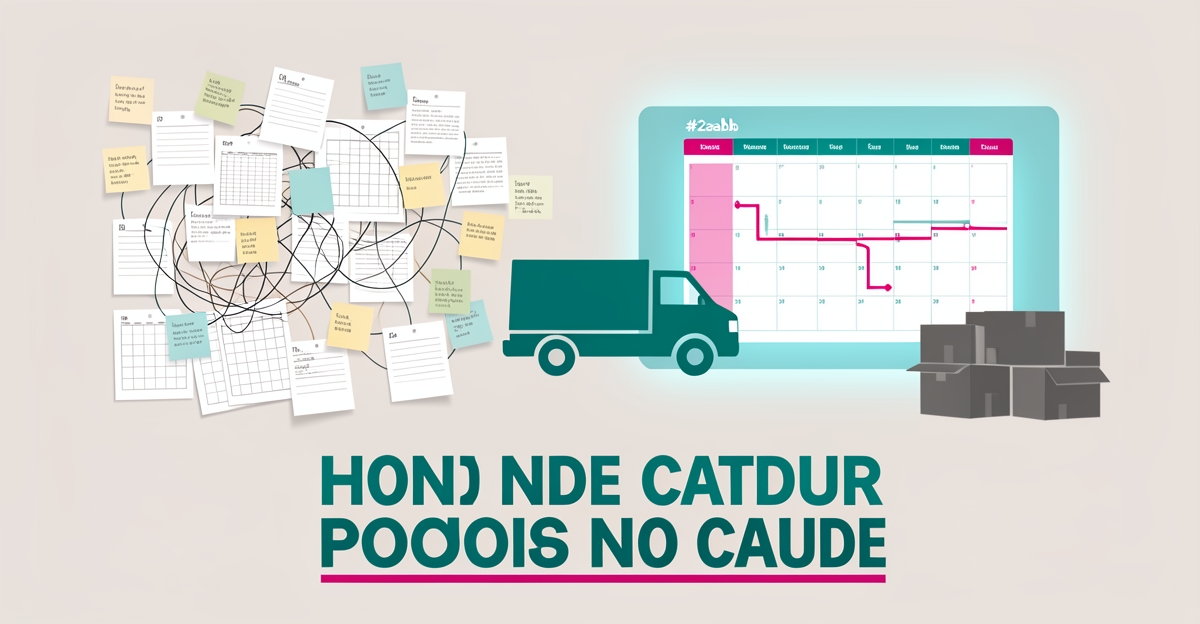
7 Signs Your Furniture Removal Business Needs AI for Customer Scheduling
Key Facts
- Furniture delivery companies can face failed delivery rates in the 15-20% range without proper scheduling systems according to industry analysis
- Each failed delivery typically costs around $18 in direct costs plus rescheduling overhead from field reports
- Manual scheduling for 40 deliveries across 8 drivers can take 2-3 hours and still yield suboptimal routes industry analysis suggests
- Poor route planning can create 10-15 hours of weekly overtime across delivery fleets industry data indicates
- AI optimization can save 2+ hours daily per route compared to manual scheduling according to route optimization data
- Route optimization software can reduce failed deliveries by up to 40% route optimization data suggests
- Furniture and home goods e-commerce sales have grown into a multi-hundred-billion-dollar market as of late 2026 according to industry research
Hire a team member that works 24/7 — for less than a part-time wage.
AI receptionists, SDRs, dispatchers and 99+ roles. Trained on your business, fully managed.
Not sure where to start? Ask our AI planner
The Hidden Cost of Manual Furniture Scheduling
Furniture removal businesses lose thousands annually to scheduling failures that could be prevented with better systems. Manual scheduling creates a cascade of expensive problems that many operations managers underestimate, starting with failed deliveries that damage both profits and reputation. According to industry research, furniture delivery companies can experience failed delivery rates in the 15-20% range without proper scheduling systems, with each failure costing roughly $18 in direct costs plus significant customer service overhead for rescheduling and complaints. These failures aren't isolated incidents, they trigger a domino effect of operational waste.
Poor route planning often results in 10-15 hours of weekly overtime across delivery fleets as drivers compensate for inefficient sequencing and unexpected delays. Manual scheduling for even moderate volumes creates substantial administrative burden; scheduling 40 deliveries across 8 drivers might take 2-3 hours and still yield suboptimal routes that increase fuel consumption and driver fatigue. This time investment pulls dispatchers away from proactive customer service and route improvements, trapping teams in reactive firefighting mode.
- Failed deliveries can cost $18+ each in direct expenses
- 10-15 hours weekly of preventable driver overtime
- 2-3 hours daily spent on manual scheduling for moderate volumes
These hidden costs erode profitability while damaging customer trust through missed appointments and poor communication. Operations managers who recognize these patterns can target specific scheduling pain points before they escalate into larger operational crises. AIQ Labs helps furniture removal businesses transform these manual scheduling challenges into automated workflows, whether through a single Workflow Build that fixes the scheduling bottleneck or a managed AI dispatcher that handles it day to day.
7 Signs Your Scheduling Is Failing
When furniture removal businesses rely on manual scheduling, operational inefficiencies quickly surface as daily frustrations that impact both costs and customer trust. Long wait times for appointments often stem from inefficient route planning, where manual methods for 40 deliveries across 8 drivers can take 2-3 hours and still yield suboptimal routes according to industry analysis. This delay frustrates customers who expect precise timing, especially when bulky items like sectionals require special vehicle capacity planning that manual schedulers frequently overlook.
Missed appointments become common when scheduling fails to account for assembly coordination requirements, such as a bedroom set needing 90 minutes versus a simple mattress delivery taking 20 minutes industry analysis suggests. Without AI to calculate these time differentials, delivery teams arrive unprepared for assembly windows, causing cascading delays. Poor scheduling also drives 10-15 hours of weekly overtime across fleets as drivers navigate inefficient routes due to traffic miscalculations and unoptimized stop sequences industry data indicates.
Inconsistent follow-ups reveal deeper systemic gaps in customer communication, where manual processes fail to trigger pre-delivery confirmations 2-4 hours ahead or real-time tracking updates experts note. This gap is especially costly given that failed delivery rates can reach 15-20% without proper systems, each failure averaging roughly $18 in direct costs plus rescheduling overhead according to field reports. For businesses handling bulky furniture, these failures often trace back to vehicle capacity miscalculations, where a single oversized item blocks other scheduled deliveries, forcing unnecessary rescheduling trips.
- Bulky item management requires real-time capacity calculations that manual schedulers cannot perform dynamically
- Assembly coordination depends on precise time window alignment between delivery and installation teams
- Strict customer time windows demand optimization that balances preferences with route efficiency
- E-commerce growth amplifies scheduling pressure as furniture sales continue climbing into late 2026
These signs collectively indicate that manual scheduling has reached its limits in handling furniture logistics complexity. AI-powered systems address these pain points by optimizing routes in minutes while considering vehicle constraints, traffic patterns, and simultaneous delivery requirements as demonstrated in operational studies. For furniture removal businesses, implementing such technology transforms scheduling from a reactive chore into a proactive advantage that can reduce failed deliveries by up to 40% while saving 2+ hours daily per route route optimization data suggests. The result is fewer missed appointments, reduced overtime, and reliable service that meets modern customer expectations for precision and transparency.
How AI Scheduling Solves Furniture Delivery Complexity
Imagine a delivery driver arriving at a customer's home with a sectional sofa that will not fit in the truck alongside the other scheduled deliveries, a scenario that plays out daily for furniture removal businesses still relying on manual scheduling. Industry research shows that without proper systems, furniture delivery companies can face failed delivery rates of 15-20%, each costing $18 or more in direct costs alone.
AI-powered scheduling eliminates this guesswork by processing dozens of variables simultaneously that no human dispatcher can juggle at once. Where manually planning 40 deliveries across 8 drivers might take 2-3 hours and still produce suboptimal routes, AI completes the same task in minutes while factoring in traffic patterns, vehicle constraints, and delivery time requirements.
Here is what AI route optimization handles that manual scheduling cannot:
- Capacity-based routing, calculates how furniture items fit together in each vehicle, accounting for protective materials and dollies, so a sectional sofa never blocks three other deliveries
- Time window narrowing, tightens customer appointment windows to 2 hours instead of frustrating 4-hour blocks, without sacrificing route efficiency
- Assembly time calculations, recognizes that a bedroom set requiring 90 minutes of assembly demands different scheduling than a 20-minute mattress drop-off
- Real-time customer notifications, sends automated SMS and email updates with live tracking links, plus pre-delivery confirmation calls 2-4 hours before arrival
- Priority stop designation, slots urgent deliveries like damaged-item replacements into routes without disrupting the entire day
The results are measurable. According to route optimization data, AI scheduling can reduce failed deliveries by up to 40% and save 2+ hours daily per route compared to manual planning. For a business running 15-25 routes daily, those hours compound into significant labor savings and far fewer costly rescheduling efforts.
Beyond route planning, AI connects the entire delivery workflow. Integrations with e-commerce platforms like Shopify and WooCommerce automatically import order details, while warehouse management system connections ensure teams never schedule items that have not cleared quality inspection. CRM integration gives drivers full customer history, so they arrive prepared for specific delivery preferences or access requirements.
This is where custom-built automation makes the difference. AIQ Labs designs scheduling systems that tie directly into a business's existing tools, from booking and confirmations to dispatch and customer follow-up, creating a single workflow rather than a patchwork of disconnected apps. Whether that starts with one AI Workflow Build at a fixed price or grows into a full AI Operating System you own outright, the result is a scheduling operation that scales with demand instead of breaking under it.
From Manual to Automated: Implementation Roadmap
Transitioning from manual to automated scheduling requires a structured approach that begins with understanding your current operational gaps. Start by tracking failed delivery rates, driver overtime hours, and time spent on daily scheduling tasks to establish a baseline for improvement. Many furniture removal businesses find that manual scheduling for 40 deliveries across 8 drivers consumes 2-3 hours daily while still producing suboptimal routes, creating a clear opportunity for automation gains according to industry analysis.
Deploying AI-powered route optimization forms the technical foundation for transformation. These systems analyze vehicle capacity, item dimensions, traffic patterns, and customer time windows simultaneously, tasks that overwhelm human schedulers managing 15-25 routes daily. By implementing capacity-based routing and time window optimization, businesses can reduce failed delivery rates by up to 40% while saving 2+ hours daily per route compared to manual methods route optimization data suggests. This efficiency gain directly addresses the 10-15 hours of weekly overtime commonly seen in poorly scheduled delivery fleets.
Integration with existing business systems creates the seamless workflow essential for sustained success. Connect your scheduling platform with e-commerce solutions like Shopify or WooCommerce to automatically import order details, eliminating double data entry that introduces scheduling errors. Simultaneously link warehouse management systems to verify inventory availability before scheduling and CRM platforms to provide drivers with customer history and special requirements. These connections ensure that AI optimization works with accurate, real-time data across your entire operation.
Staff training completes the implementation cycle by ensuring your team leverages the new system effectively. Focus training on dispatchers managing the AI optimization interface, drivers using mobile applications for turn-by-turn navigation and customer details, and customer service teams handling automated notifications and real-time tracking inquiries. When dispatchers, drivers, and support staff understand how to interact with the AI-powered system, from confirming automated pre-delivery calls to capturing proof of delivery documentation, the business realizes the full benefits of reduced failed deliveries, minimized overtime, and improved customer satisfaction through precise 2-hour appointment windows and live tracking capabilities. For businesses ready to begin this transformation, AIQ Labs offers three entry points: managed AI Employees (including AI dispatchers and receptionists, at roughly 80% less cost than a human hire), fixed-price AI Workflow Builds for the one workflow that costs you the most, and full AI Operating Systems built in phases and owned outright. Start the 2-minute Fit Check at https://aiqlabs.ai/apply, then book a free 30-minute strategy call to identify high-ROI automation opportunities tailored to your furniture removal operations.
Still paying for 10+ subscriptions that don’t talk to each other?
We build custom AI systems you own outright. No vendor lock-in. Full control.
Not sure where to start? Ask our AI planner
Frequently Asked Questions
How much time can AI scheduling save per route compared to manual planning?
What is the average cost of a failed furniture delivery, and how often do they occur without AI scheduling?
Can AI scheduling help reduce driver overtime in furniture delivery fleets?
How does AI handle bulky furniture items differently than manual schedulers?
What customer communication improvements does AI scheduling provide?
Is AI scheduling only useful for large furniture removal companies?
Turn Scheduling Chaos into Your Competitive Advantage
The hidden costs of manual scheduling, failed deliveries averaging around $18 each, 10-15 hours of preventable weekly overtime, and 2-3 hours daily lost to suboptimal route planning, don't just drain profits; they erode customer trust and trap teams in reactive mode. AI-powered scheduling transforms this complexity into measurable gains: optimized routes that save 2+ hours daily per route, failed delivery reductions of up to 40%, and seamless integration with e-commerce, warehouse, and CRM systems to eliminate double-entry errors. For furniture removal businesses ready to stop fighting scheduling fires and start delivering precision service, the path forward is clear. Start with the free 2-minute Fit Check at https://aiqlabs.ai/apply to assess your specific scheduling challenges, then book a free 30-minute strategy call, no obligation, just clarity on where AI can create immediate value for your business.
Make AI your competitive advantage — not just another tool.
Strategy, implementation and ongoing optimization. One partner, end to end.
Not sure where to start? Ask our AI planner