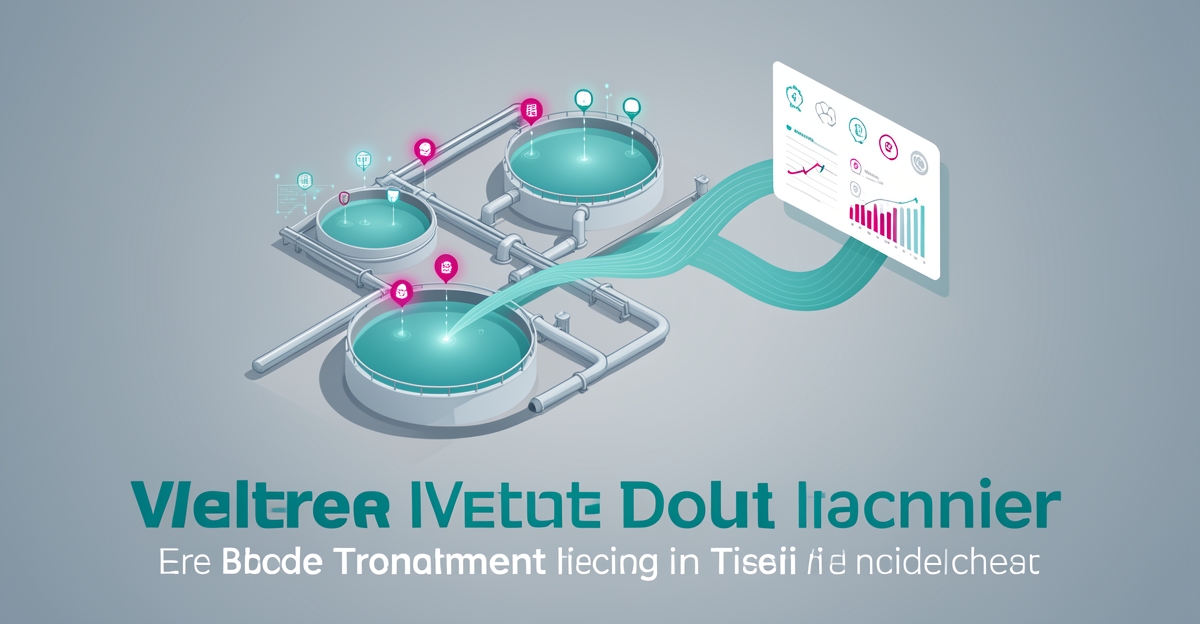
7 Signs Your Water Treatment Plant Is Ready for AI Automation
Key Facts
- AI can analyze water quality data and surface patterns and anomalies across thousands of data points that operators miss
- Inconsistent water quality logs typically indicate a plant is not operating efficiently
- High technician downtime usually signals workflow bottlenecks, not slow staff
- AI can analyze operational workflows and identify areas for improvement
- Inefficient process sequences waste energy, chemicals, and labor
- Adoption of AI in water treatment has grown steadily as of late 2026
Hire a team member that works 24/7 — for less than a part-time wage.
AI receptionists, SDRs, dispatchers and 99+ roles. Trained on your business, fully managed.
Not sure where to start? Ask our AI planner
Inconsistent Water Quality Logs Signal Operational Gaps
Water quality logs should tell a clear story of consistent treatment performance. When those records fluctuate without obvious cause, they reveal deeper instability in the treatment process itself. Operators often chase symptoms, adjusting chemical doses or backwash schedules reactively, while the root cause remains buried in months of scattered sensor readings and manual entries.
Inconsistent water quality logs typically indicate that a water treatment plant is not operating efficiently. These gaps create compliance risk that compounds silently until a violation forces emergency action. AI systems can analyze water quality data and identify patterns and anomalies that human operators miss across thousands of data points. The technology excels at correlating subtle shifts in turbidity, pH, and residual chlorine against weather events, source water changes, and equipment cycles simultaneously.
Workflow analysis takes this further by reconstructing the actual sequence of operational decisions from timestamped logs. It exposes where operators deviate from standard procedures, where sensor drift creates false confidence, and where maintenance windows cascade into quality excursions. AI can analyze operational workflows and identify areas for improvement that traditional SCADA alarms never flag.
- Hidden correlations between source water events and treatment failures
- Operator decision patterns that precede quality deviations
- Sensor calibration drift masked by averaging
- Chemical dosing sequences that create downstream instability
Adoption of AI in water treatment has grown steadily as of late 2026, as facilities recognize that predictive adjustments prevent violations more reliably than reactive corrections. AIQ Labs starts with a workflow build to uncover these operational blind spots, then builds custom AI systems that translate pattern recognition into automated setpoint adjustments, keeping water quality stable before logs ever show a problem.
High Technician Downtime Reveals Workflow Inefficiencies
Idle technicians are an expensive signal that the treatment sequence is broken, not that the team is slow.
High technician downtime usually indicates that a water treatment plant is not operating at optimal levels. When crews wait between steps, the plant loses capacity and costs rise without producing more clean water. Operational bottlenecks often hide in routine handoffs and approval delays.
Workflow analysis exposes those hidden gaps by reconstructing the actual workflow from logs, not from the procedure manual. AI can analyze operational workflows and identify areas for improvement, allowing for more effective process optimization. The analysis reveals where non-value-added delays accumulate and where staff are underutilized.
AI workflow mapping tracks real movement from intake to discharge, timing each task and each wait state. The system flags repeated idle intervals, rework loops, and dependency delays that are invisible in daily reports. Patterns emerge across shifts, equipment, and operators, showing which sequences consistently stall.
Typical downtime drivers the analysis identifies include:
- Manual sampling and lab wait times that block downstream dosing
- Sequential approvals for chemical adjustments that could be automated
- Equipment handoffs where one unit finishes but the next is not ready
- Reactive maintenance triggered after quality deviations instead of predictive scheduling
With that visibility, teams can redeploy technicians to value-added work instead of waiting. AI in water treatment can improve process efficiency and reduce downtime, which is why workflow analysis is gaining traction as a first step toward automation.
AIQ Labs applies this approach through its AI Workflow Builds, a fixed-price engagement that rebuilds the one workflow costing you the most, in phases. The focus is on eliminating waste, not replacing people, by aligning staff deployment with actual process demand.
Once bottlenecks are mapped, optimization options become clear: parallelize compatible steps, automate data capture for water quality logs, and trigger maintenance based on usage rather than fixed intervals. The result is steadier throughput, fewer overtime hours, and a more predictable compliance posture.
Monitoring continues after changes, so improvements hold over time and new inefficiencies surface early.
Inefficient Process Sequences Undermine Treatment Effectiveness
Suboptimal flow in treatment stages, such as redundant steps or poorly timed resource allocation, directly reduces plant efficiency and undermines treatment effectiveness. When processes are not sequenced optimally, energy, chemicals, and labor are wasted, leading to inconsistent output quality and increased operational costs. AI-driven workflow analysis examines these workflows to identify bottlenecks, redundancies, and timing inefficiencies that human operators often miss. By mapping the actual sequence of treatment stages, AI reveals where steps can be eliminated, reordered, or synchronized for maximum throughput and minimal waste.
AIQ Labs uses workflow analysis to understand operational workflows and then builds custom AI systems that streamline treatment sequences and improve compliance. For example, when coagulant dosing is poorly timed relative to sedimentation, or when filtration cycles overlap unnecessarily with backwash periods, treatment effectiveness drops and resource use spikes. These inefficiencies are not always visible in routine logs but become clear through detailed process analysis. AI systems can simulate alternative sequences to find the optimal flow that maximizes contaminant removal while minimizing chemical and energy use.
- Redundant treatment steps increase chemical consumption without improving water quality
- Poor timing between stages causes bottlenecks that reduce overall throughput
- Misaligned resource scheduling leads to idle equipment and technician downtime
AI can analyze process sequences and identify areas for improvement, directly addressing the root causes of inefficiency in water treatment operations. By reengineering workflows based on real operational data, plants achieve more consistent output, lower operating costs, and better compliance with regulatory standards, turning process weaknesses into opportunities for optimization. For plants ready to go further, an AI Operating System connects these optimized workflows into one operational layer, built in phases and owned outright.
Still paying for 10+ subscriptions that don’t talk to each other?
We build custom AI systems you own outright. No vendor lock-in. Full control.
Not sure where to start? Ask our AI planner
Frequently Asked Questions
What does it mean if my water treatment plant has inconsistent water quality logs?
How can high technician downtime signal a need for AI automation in water treatment?
Can AI really improve process sequences in water treatment plants, or is it just hype?
Is AI in water treatment only about replacing workers with automation?
What kind of return on investment can I expect from AI automation in my water treatment plant?
How does AIQ Labs approach AI implementation for water treatment plants differently from other vendors?
From Reactive Corrections to Predictive Control
Inconsistent water quality logs, high technician downtime, and inefficient process sequences are not isolated issues, they are signals that a water treatment plant is operating on outdated visibility. Workflow analysis reconstructs actual workflows from timestamped logs to expose hidden correlations, decision patterns that precede deviations, and waste that SCADA alarms never flag. With that clarity, teams can move from chasing symptoms to preventing them with predictive adjustments, steadier throughput, and more predictable compliance. AIQ Labs applies this same approach through its AI Workflow Builds to analyze operational workflows and build custom AI systems that streamline treatment sequences and improve compliance. If these signs feel familiar, start with a focused workflow assessment to map where data gaps, delays, and mis-sequenced steps are costing you quality and capacity. Take the 2-minute Fit Check at https://aiqlabs.ai/apply, then book a free 30-minute strategy call at https://aiqlabs.ai/book to map your biggest bottleneck and identify high-ROI automation opportunities, with no obligation, just clarity on your next step.
Make AI your competitive advantage — not just another tool.
Strategy, implementation and ongoing optimization. One partner, end to end.
Not sure where to start? Ask our AI planner