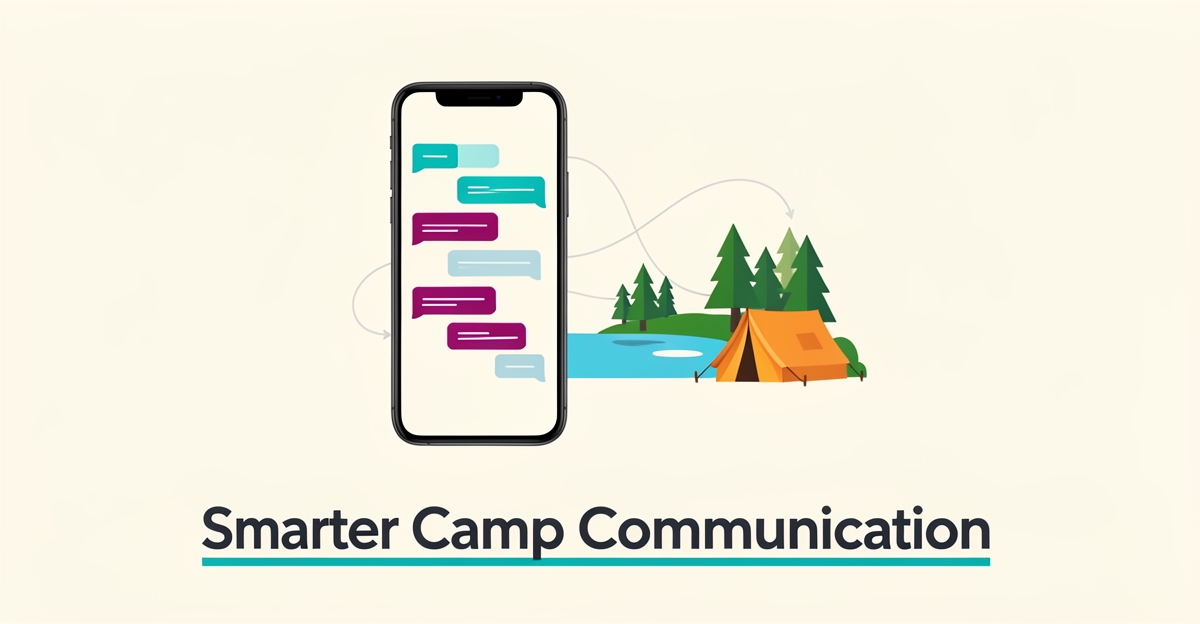
7 Ways AI Can Improve Parent Communication in Summer Camps
Key Facts
- Leading language models as of late 2026 handle routine text-based questions with high accuracy, making them dependable for structured camp communication
- Most routine parent questions, packing lists, schedules, pickup times, are repetitive and well-suited to automation
- AI should help you prep smarter while humans step in fully for critical connection moments according to LinkedIn Learning
- Most people treat AI like a search engine. That's the problem. according to LinkedIn top content
- Silence in teams can feel like alignment, but it's often confusion in disguise. according to Nadine Soyez LinkedIn post
- Build systems that are transparent, trustworthy, accessible, and empowering according to LinkedIn top content on AI integration
Hire a team member that works 24/7 — for less than a part-time wage.
AI receptionists, SDRs, dispatchers and 99+ roles. Trained on your business, fully managed.
Not sure where to start? Ask our AI planner
The Parent Communication Challenge in Summer Camps
Summer camps face mounting pressure to keep parents informed while managing daily operations, and communication breakdowns are more common than many realize. Delayed updates about schedule changes, repetitive questions about packing lists or meal plans, and inconsistent messaging across staff can quickly erode parent trust. When parents feel left in the dark, they're more likely to call the camp office repeatedly, pulling staff away from supervising children and creating avoidable workload spikes. These friction points don't just frustrate families, they signal operational inefficiencies that scale with every additional camper.
AI can alleviate these pain points by handling routine communication tasks with consistency and speed. Modern language models, as of late 2026, are typically strong at interpreting and responding to common parent inquiries without fatigue or delay. When deployed thoughtfully, such tools free up human staff to focus on meaningful interactions, like discussing a child's adjustment or sharing highlights from the day, while automated systems manage logistics like pickup reminders or weather-related updates.
The real challenge isn't just technological, it's about redefining how teams collaborate with AI. Many organizations still treat AI like a basic search engine, missing its potential as a teammate that requires clear role definition and ongoing feedback. To succeed, camps need to establish protocols where AI supports communication workflows without replacing the human judgment that builds trust. This means designing systems where parents can easily escalate to a live counselor when needed, while AI handles the predictable, high-volume exchanges that currently strain camp resources. When implemented with intention, AI doesn't diminish the personal touch, it protects it by ensuring staff have the bandwidth to be present where it matters most.
How AI Enhances Communication Without Replacing Human Connection
Parent trust in summer camp grows in the quiet moments between big announcements, and AI can protect those moments by handling the noise.
AI works best as a collaborative teammate rather than a replacement for human staff. According to LinkedIn Learning research on interpersonal communication with generative AI, “AI is here to stay, but your ability to connect, influence, and lead with human clarity will always set you apart.” That principle guides how camps automate routine updates while keeping personal engagement human-led.
Routine parent communication is repetitive by design. AI automates activity reminders, daily photo captions, FAQ responses, and emergency notifications without losing the tone families expect. Top content on AI integration in communication notes that most people treat AI like a search engine, which is the problem. Treating it like a competent junior teammate who needs a good brief changes the outcome.
Today's AI assistants are typically reliable enough for structured camp workflows like reminders, FAQs, and status updates, the predictable, repeatable exchanges where a wrong answer is easy to catch and correct. The key is scoping AI to those tasks rather than asking it to improvise on sensitive or judgment-heavy conversations.
When AI is scoped correctly, efficiency rises without sacrificing trust. Human counselors stay focused on meaningful interactions, check-ins, and conflict resolution while AI handles structured, repeatable updates at scale. This division preserves the human connection parents value most.
Effective camp systems follow a human-centered collaboration framework:
- Define clear AI roles and responsibilities for updates, reminders, and FAQs
- Establish communication protocols for human handoff on sensitive topics
- Build AI literacy across staff so teams understand capabilities and limits
- Implement iterative improvement through feedback loops after each session
AIQ Labs designs this balance through AI Employees, managed AI staff like receptionists and support agents that handle routine parent communication around the clock, typically at a fraction of the cost of an additional hire. The approach mirrors research guidance to prioritize human-centered design values: transparent, trustworthy, accessible, and empowering.
The result is faster responses to routine questions, fewer missed reminders, and more staff time for the conversations that build lasting parent trust.
Practical Implementation: Building Trust Through Structured AI Use
Effective AI implementation begins with treating the technology as a collaborative teammate rather than a simple tool. As LinkedIn's top content on AI integration notes, "Most people treat AI like a search engine. That's the problem." Successful deployment in camp communication requires clear role definition, structured prompting, and iterative improvement through feedback loops, principles that mirror AIQ Labs' proven frameworks for secure, scalable AI systems.
- Define specific AI responsibilities for routine updates, FAQ responses, and activity reminders
- Establish communication protocols between AI systems and human staff
- Build AI literacy across the team so everyone understands capabilities and limitations
- Create multi-point feedback cycles where human input actively improves AI performance
- Customize outputs to individual parent preferences and communication contexts
Research from LinkedIn Learning emphasizes that organizations should "invest in 'AI literacy'" while letting "humans steer the learning loop" through workflows where feedback changes the model. The key is designing systems that are transparent, trustworthy, and empowering, giving staff control over high-level behavior while AI handles the repetitive communication tasks that consume valuable time. For camps that want to start small, a single Workflow Build targeting the one communication process that costs the most staff time is often the fastest path to results.
Still paying for 10+ subscriptions that don’t talk to each other?
We build custom AI systems you own outright. No vendor lock-in. Full control.
Not sure where to start? Ask our AI planner
Frequently Asked Questions
How can AI actually improve parent communication in summer camps without replacing human staff?
What evidence shows that AI chatbots are reliable enough for camp communication tasks?
Won't using AI make parents feel like they're talking to a machine instead of real people?
What steps should camps take to implement AI in parent communication the right way?
Can AI help with urgent or emergency communication during camp sessions?
How do we know AI won't make mistakes or give incorrect information to parents?
From Chaos to Connection: How AI Gives Camp Staff Their Time Back
Summer camps don't need more noise, they need smarter ways to cut through it. By letting AI handle routine updates, FAQs, and reminders, camps free up counselors to focus on what truly matters: checking in with homesick kids, sharing daily highlights, and building the trust that keeps families coming back year after year. This isn't about replacing the human touch, it's about protecting it. When staff aren't buried under repetitive questions, they can be present where it counts. AIQ Labs helps camps make this shift with secure, scalable AI systems designed specifically for the unique rhythms of summer programming. The result? Fewer missed messages, faster responses, and more meaningful moments between campers, staff, and parents. Ready to see how AI can reduce your communication load without losing the personal connection? Start with the free two-minute Fit Check to explore where AI could make the biggest impact in your camp's workflow, no obligation, just clarity.
Make AI your competitive advantage — not just another tool.
Strategy, implementation and ongoing optimization. One partner, end to end.
Not sure where to start? Ask our AI planner