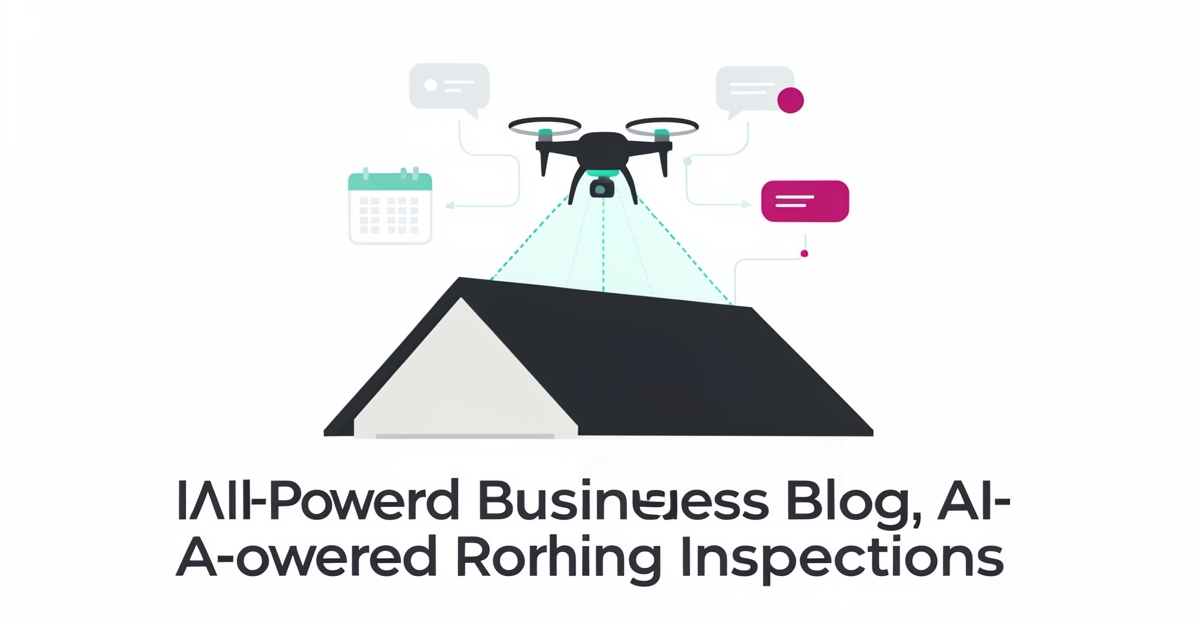
7 Ways AI Can Reduce Missed Inspections in Roofing Services
Key Facts
- Industry research typically attributes meaningful maintenance cost reductions, often cited in the 20–40% range, to AI-driven predictive maintenance according to industry analysis
- Proactive, sensor-based monitoring is widely linked to fewer safety incidents than reactive, calendar-based maintenance according to industry analysis
- Catching problems early typically extends asset lifespans and reduces unplanned downtime according to industry analysis
- Aerial drone inspections provide a safer and more thorough view than ground-based methods according to drone technology research
Hire a team member that works 24/7 — for less than a part-time wage.
AI receptionists, SDRs, dispatchers and 99+ roles. Trained on your business, fully managed.
Not sure where to start? Ask our AI planner
Why Traditional Roof Inspections Fail: The Hidden Cost of Reactive Scheduling
Calendar-based roofing inspections create predictable blind spots. Crews visit every 90 days, log what they can see from a ladder, and leave. Issues that develop between visits remain hidden until they become emergencies.
Most operators are still running on scheduled, calendar-based maintenance. Industry analysis describes this as “damage control after the damage has already happened,” not a maintenance strategy. For roofing, that means leaks, membrane failures, and structural weaknesses are discovered after water intrusion, not before.
Reactive scheduling drives three costly outcomes that compound over time. First, safety risks increase because workers are dispatched to emergency repairs on compromised roofs without prior warning. Second, emergency repairs cost more than planned maintenance and interrupt client operations. Third, asset lifespan shortens as small issues progress to full system failures.
The financial impact of staying reactive is well documented. Predictive maintenance powered by AI is typically credited with reducing maintenance costs by double-digit percentages according to industry research, with fewer safety incidents and less unplanned downtime. Asset lifespans tend to extend when problems are caught early, because small issues get fixed before they cascade into system failures.
The core problem is detection timing. Traditional methods are reactive, inspecting only after failure is visible. AI-driven methods enable proactive monitoring that spots problems before they become safety hazards, helping prevent accidents, downtime, and costly repairs as described in maintenance operations analysis.
Aerial inspections using drones and specialized sensors assess infrastructure from above, providing a safer and more thorough view than traditional ground-based methods according to drone technology research. For roofing teams, this means hidden structural weaknesses and water infiltration points can be identified without putting crews on a roof for routine checks.
Shifting from scheduled to predictive inspection models requires closing the gaps that calendar systems create:
- Continuous monitoring instead of quarterly visits, so degradation is flagged in real time
- Automated alerts that notify teams immediately when sensors detect anomalies
- Risk-based prioritization that targets high-likelihood issues first rather than oldest roofs first
- Digital, georeferenced records that make each inspection comparable over time
This is where AI Workflow Builds change outcomes for inspection businesses. AI scheduling, automated reminders, and GPS tracking reduce missed inspections by ensuring crews go to the right site at the right time with the right context. AIQ Labs rebuilds the one workflow that costs you the most, fixed price, delivered in phases, moving teams from reactive calendars to intelligent coverage.
The result is fewer missed inspections, safer crews, and roofs that last longer because problems are addressed before they escalate.
How AI Transforms Inspections from Reactive to Predictive
Roofing teams have long been trapped in a calendar-driven cycle that rewards presence over prevention. AI breaks that cycle by turning inspections from scheduled check-ins into continuous, data-driven risk detection.
AI-powered sensors and data models enable continuous monitoring of roof conditions rather than periodic snapshots. By analyzing real-time inputs alongside historical weather, material age, and past inspection records, systems forecast where and when issues are likely to emerge. This shifts teams from damage control to prevention, spotting problems before they become safety hazards, downtime, and costly repairs.
According to industry research, predictive maintenance powered by AI typically reduces maintenance costs and unplanned downtime by meaningful margins. The same body of analysis links proactive monitoring to fewer infrastructure failures and longer asset lifespans. For roofing, that means fewer emergency callouts and longer service life from existing materials.
The predictive shift works by unifying disparate data streams into a risk-based view. Instead of age-based replacement, teams can prioritize segments first based on likelihood and consequence.
AI models can integrate:
- Historical weather data and storm exposure patterns
- Roof material specifications, installation dates, and degradation curves
- Previous inspection records and work orders
- Real-time sensor data from IoT devices and drone imagery
This fusion creates a digital, georeferenced record that turns raw images into clear insights for maintenance planning. Automated warnings can be set up so crews respond quickly to detected hazards, preventing accidents before they occur.
Most operators are still running on scheduled, calendar-based maintenance. Send a crew every 3 months. Inspect what you can see. Fix what's already failed. That's not a maintenance strategy. That's damage control after the damage has already happened.
By analyzing data in real time, AI shifts businesses from reactive fixes to proactive safety measures, making workplaces safer and more reliable. The result is continuous monitoring that replaces missed intervals with persistent coverage.
In practice, this is an AI Workflow Builds challenge. AIQ Labs connects sensor feeds, scheduling, and alerts into owned workflows that learn over time, systems you own outright, not another subscription. The goal is not more inspections, it is the right inspections at the right time.
Actionable AI Tools Roofing Companies Can Deploy Today
Roofing companies today face constant pressure to catch problems before they become costly failures, yet traditional inspection methods often leave dangerous gaps. AI-powered automation now offers practical, deployable solutions that transform how inspections are scheduled, conducted, and tracked, without requiring massive overhauls to existing workflows.
One immediate action roofing businesses can take is implementing automated alert systems that provide real-time hazard detection. These systems use AI to monitor weather patterns, structural stress indicators, and material degradation signals, sending instant notifications when risks emerge, eliminating reliance on fixed inspection calendars that miss sudden issues. Industry research consistently links this kind of proactive monitoring to fewer safety incidents by shifting from reactive fixes to preventive action.
Drone-based inspections equipped with thermal and LiDAR sensors represent another high-impact tool ready for deployment today. These aerial systems quickly scan large roof areas, identifying hidden defects like moisture intrusion or insulation gaps invisible from ground level, while keeping workers safely on the ground. In practice, this approach can compress inspections that once took days into hours, reducing labor costs and site disruption.
Finally, creating georeferenced digital records from drone flights builds an auditable trail of roof conditions over time. These precise, location-tagged datasets enable predictive analytics that prioritize high-risk areas for maintenance, turning raw inspection data into actionable insights. By integrating historical weather, material age, and past repair records, AI models forecast where failures are likely, allowing teams to intervene before leaks or structural damage occur. Together, these strategies form a cohesive automation framework that roofing companies can implement incrementally, starting with the workflows causing the most missed inspections today. For companies seeking to operationalize these capabilities without building from scratch, AIQ Labs offers AI Workflow Builds designed specifically for field service operations like roofing inspections, fixed-price, phased builds that integrate with your existing tools and deliver technology you own. And when routine coordination itself is the bottleneck, dispatching crews, chasing follow-ups, confirming appointments, managed AI Employees can handle that layer at a fraction of the cost of additional headcount.
Still paying for 10+ subscriptions that don’t talk to each other?
We build custom AI systems you own outright. No vendor lock-in. Full control.
Not sure where to start? Ask our AI planner
Frequently Asked Questions
How does AI actually reduce missed roof inspections compared to calendar scheduling?
Can AI really predict roof problems before they become leaks or failures?
Are drone inspections safe and worth it for roofing companies?
What kind of safety and cost improvements can we expect from AI inspections?
Do we need to overhaul our whole workflow to use AI for inspections?
How is AI different from just sending reminders for inspections?
From Calendar Checks to Continuous Coverage
Calendar-based roofing inspections leave predictable gaps between visits, turning small issues into emergencies, higher repair costs, and safety risks for crews. AI changes the model from reactive snapshots to continuous, data-driven risk detection through automated scheduling, real-time alerts, GPS tracking, and drone-enabled aerial analysis that creates georeferenced records over time. The shift enables risk-based prioritization, faster hazard response, and fewer missed inspections without adding headcount. For roofing businesses ready to close those gaps, the practical starting point is identifying the one workflow where missed inspections cost the most, scheduling, follow-ups, or site documentation, and building automation around it. AIQ Labs designs custom AI Workflow Builds tailored to each inspection business's workflow and geography, moving teams from reactive calendars to intelligent coverage they own. If you want a clear map of your highest-ROI automation opportunity, start the 2-minute Fit Check at https://aiqlabs.ai/apply, then book a free 30-minute strategy call at https://aiqlabs.ai/book. Industry research shows predictive maintenance powered by AI can meaningfully reduce maintenance costs according to industry research.
Make AI your competitive advantage — not just another tool.
Strategy, implementation and ongoing optimization. One partner, end to end.
Not sure where to start? Ask our AI planner