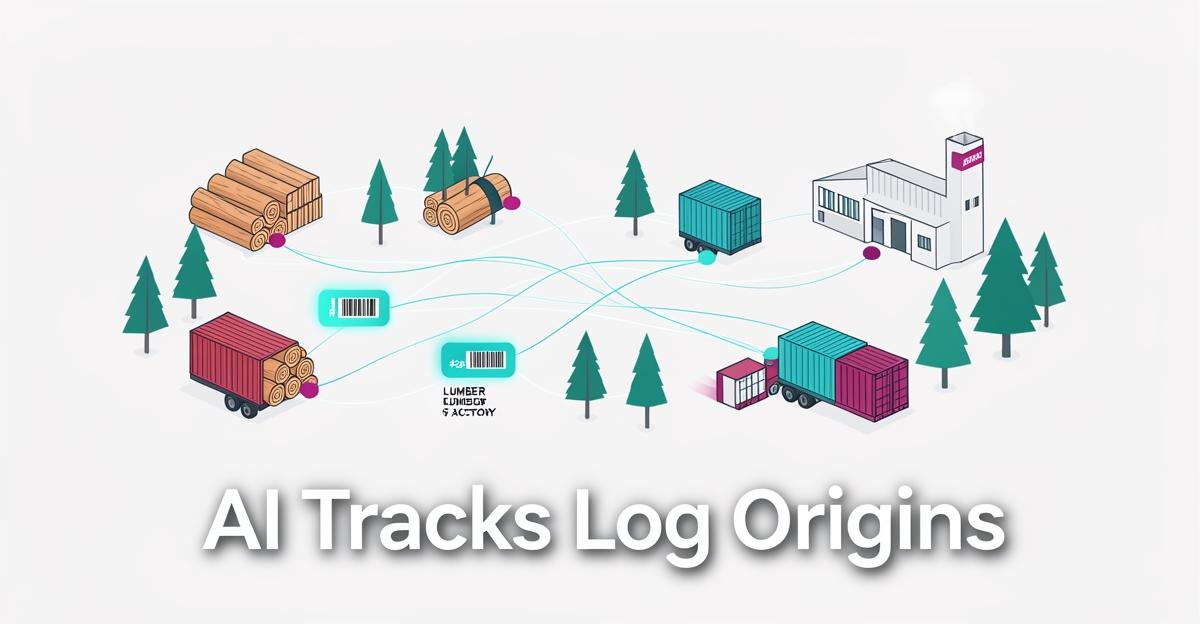
AI for Compliance in Lumber Supply Chains: Tracking Logs and Regulatory Standards
Key Facts
- 65% of successful AI implementations start with business logic mapping, resulting in 41% higher ROI per McKinsey
- Organizations with structured feedback mechanisms achieve 73% higher AI performance metrics according to research
- Aligning AI with existing workflows reduces implementation time by 38% per IBM research
- Only 27% of UK organizations are fully prepared for AI-powered attacks as reported
- 86% of organizations investing in ongoing certification training report a measurable reduction in cyber risk, averaging 48% per industry data
- Implementing AI without business process expertise wastes 47% of investment per research
- 93% of major enterprises are actively exploring agentic AI workflows according to industry analysis
Hire a team member that works 24/7 — for less than a part-time wage.
AI receptionists, SDRs, dispatchers and 99+ roles. Trained on your business, fully managed.
Not sure where to start? Ask our AI planner
The Compliance Burden in Lumber Supply Chains: Why Manual Tracking Fails
The regulatory landscape for lumber supply chains is tightening rapidly, creating significant pressure on suppliers to prove the origin, sustainability, and legality of their timber. Regulations like the Lacey Act in the United States and the EU Timber Regulation demand rigorous chain-of-custody documentation and due diligence, with non-compliance carrying substantial fines and market exclusion. This burden is compounded by increasing consumer and retailer demands for verified sustainability labeling, turning compliance from a legal necessity into a critical factor for market access and brand reputation.
Manual tracking processes, however, are ill-equipped to handle this complexity, creating substantial audit risks and operational inefficiencies. Relying on paper certificates, spreadsheets, and siloed data entry leaves suppliers vulnerable to human error, lost documentation, and an inability to provide real-time verification during audits. This reactive, bolted-on approach to compliance is not only costly but fundamentally undermines trust, as it treats adherence as a checkbox exercise rather than an integrated operational state. According to industry analysis, this friction significantly hinders business agility and market responsiveness.
Organizations that retrofit compliance onto existing workflows often face shrinking security debt, prolonged procurement cycles, and audit preparations that disrupt normal operations. The research highlights that such approaches are seen as a constraint, limiting the ability to deploy innovations confidently in regulated markets. For lumber suppliers, this means manual systems impede the ability to quickly verify sustainable sourcing claims, slowing down sales cycles and potentially excluding them from premium markets that require auditable proof of compliance. The result is a compliance burden that actively impedes growth rather than enabling it.
AI as a Foundational Compliance Engine: Automating Data Capture and Verification
Compliance in lumber supply chains has long been a manual burden, requiring suppliers to painstakingly track log origins, validate certifications, and compile documentation for audits. AI transforms this process into a proactive, auditable engine by automating data ingestion and verification at every step. Systems like IBM Envizi’s Supply Chain Intelligence module demonstrate how AI can automatically ingest order-level transactional data from ERP and financial systems, enabling real-time tracking of timber origin and sustainability credentials according to IBM research. This eliminates manual data entry while ensuring data quality through configurable validation rules that flag inconsistencies before they become compliance risks.
By embedding compliance into core operations rather than bolting it on afterward, lumber suppliers shift from reactive firefighting to continuous audit readiness. Foundational compliance—designed into systems from the start—reduces internal workload and turns audit preparation into a natural byproduct of daily operations as noted in industry analysis. This approach compresses procurement cycles, shrinks security debt, and builds the market trust needed to access regulated regions where proof of legal origin is non-negotiable. For suppliers, compliance becomes a strategic enabler that unlocks faster market entry and stronger customer confidence.
AIQ Labs applies this foundation by developing custom AI agents that automate chain-of-custody validation, continuously monitor certification status, and generate audit-ready documentation without manual intervention. These agents integrate directly with existing ERP and logistics platforms, ensuring data flows seamlessly from forest to final shipment. The result is a compliance system that doesn’t just meet regulatory standards—it anticipates them, turning a traditional cost center into a source of operational resilience and competitive advantage in the lumber industry.
Implementation Framework: Building AI Readiness for Sustainable Compliance
Implementing AI for lumber compliance begins with a clear understanding of your operational workflows and regulatory obligations. Research shows that 65% of successful AI implementations start with business logic mapping, a step that directly correlates with a 41% higher ROI by ensuring technology aligns with real-world compliance needs like tracking log origins or verifying sustainability certifications. This foundational approach prevents the common pitfall of deploying AI in isolation, where organizations without business process expertise waste nearly half their investment. Starting here ensures your AI system supports, rather than disrupts, core activities such as shipment documentation and audit preparation.
Organizational readiness is equally critical, particularly in regulated industries where human oversight remains essential. Only 27% of UK organizations are fully prepared for AI-powered threats, highlighting a widespread skills gap that can undermine even the most advanced systems. This lack of readiness means lumber suppliers must invest in training staff to interpret AI-generated compliance reports, manage exceptions, and maintain data integrity—especially when tracking chain-of-custody data across complex supply chains. Organizations that prioritize ongoing certification training see an average 48% reduction in cyber risk, demonstrating that skilled teams are not just supportive but transformative to AI performance. Investing in readiness turns compliance from a bottleneck into a competitive advantage.
To sustain long-term success, embed structured feedback loops and governance from the outset. Organizations with formal feedback mechanisms achieve 73% higher AI performance metrics, as continuous input allows systems to adapt to evolving regulations like the Lacey Act or EU Timber Regulation. These mechanisms ensure AI outputs remain transparent, auditable, and aligned with business goals—whether verifying sustainable harvesting practices or automating certification renewals. Pair this with role-based enablement, where AI tools are tailored to specific functions such as logistics coordinators or compliance officers, and you create a system that integrates seamlessly into daily operations. This approach reduces implementation time by 38% and transforms compliance into a driver of market access rather than a cost center. By combining business logic mapping, workforce readiness, and iterative feedback, lumber suppliers can build AI systems that are not only compliant but resilient, scalable, and ready for audit at any moment. AIQ Labs supports this journey through end-to-end partnership, ensuring your AI solution is owned, auditable, and designed for the unique demands of regulated lumber supply chains.
Still paying for 10+ subscriptions that don’t talk to each other?
We build custom AI systems you own outright. No vendor lock-in. Full control.
Not sure where to start? Ask our AI planner
Frequently Asked Questions
How does AI improve compliance tracking in lumber supply chains compared to manual methods?
What percentage of successful AI implementations start with business logic mapping, and why does it matter for lumber compliance?
Why is organizational readiness critical when deploying AI for compliance in regulated industries like lumber?
Can AI really turn compliance from a cost center into a market access advantage for lumber suppliers?
What role do feedback loops play in sustaining AI compliance performance over time?
Is there a risk of wasting investment when implementing AI for lumber compliance without proper expertise?
Turning Compliance into Your Competitive Edge
The lumber supply chain is no longer just about moving timber—it’s about proving its journey with precision and trust. As regulations tighten and markets demand verified sustainability, manual tracking becomes a liability, slowing sales cycles and exposing suppliers to audit risks. AI transforms this burden into a strategic advantage by automating data capture, verifying certifications in real time, and embedding compliance into daily operations—turning audit readiness from a scramble into a natural outcome. For suppliers ready to move beyond reactive checklists, the path forward starts with mapping your workflows, building organizational readiness, and designing AI systems that grow with your business. Take the first step with a free strategy session to see where AI can unlock real value in your compliance journey.
Make AI your competitive advantage — not just another tool.
Strategy, implementation and ongoing optimization. One partner, end to end.
Not sure where to start? Ask our AI planner