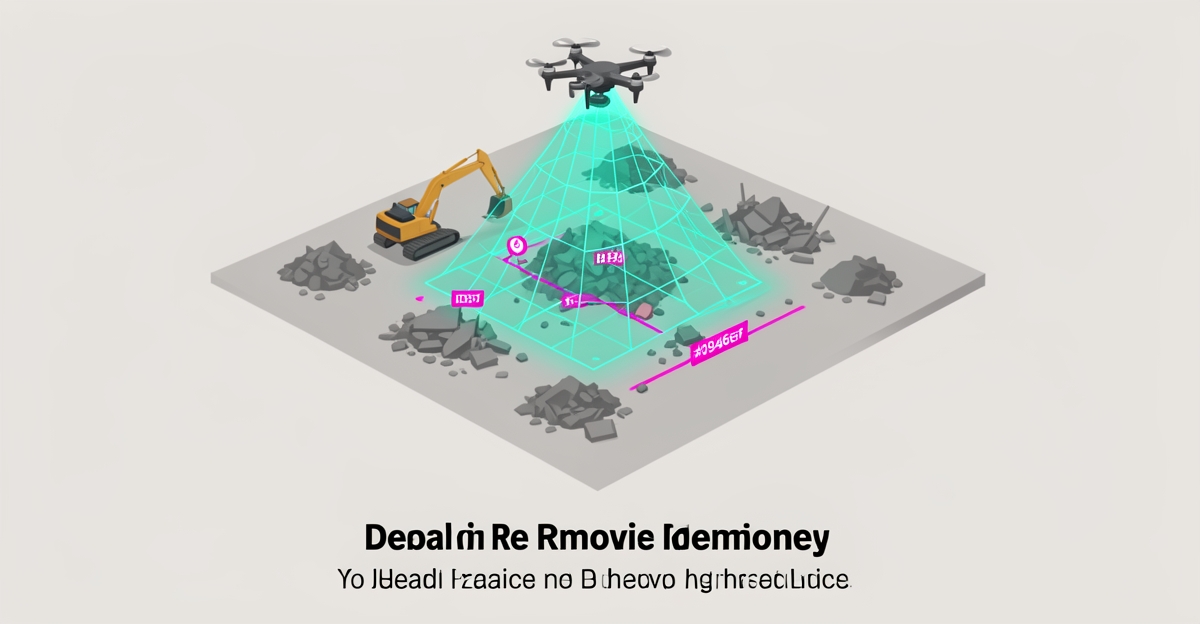
AI for Debris Removal: How to Automate Site Inspections and Hazard Assessments
Key Facts
- AI adoption in waste management has grown steadily since 2023, with analysts projecting continued strong expansion through 2033 according to market analysis
- Route optimization platforms typically deliver double-digit fuel savings for debris removal operations based on industry data
- AI-powered dispatch typically increases daily job completion rates through intelligent crew assignment per AI dispatch performance reports
- Modern computer vision systems can identify materials from site photos with high accuracy, supporting volume estimation and hazardous material detection as demonstrated in current deployments
- Large-scale disaster cleanups, such as recent wildfire debris removal in California, generate thousands of inspection records daily, straining manual review processes as reported in wildfire recovery coverage
- Fire debris removal often involves flammable lithium-ion batteries requiring precise identification and documentation per recovery reporting
- AI photo-based volume calculators evaluate item size, disposal requirements, and flag hazardous materials like paint cans and batteries enabling accurate job assessments
Hire a team member that works 24/7 — for less than a part-time wage.
AI receptionists, SDRs, dispatchers and 99+ roles. Trained on your business, fully managed.
Not sure where to start? Ask our AI planner
The Compliance Bottleneck: Why Manual Site Inspections Are Failing
Manual reviews are collapsing under the weight of debris removal operations. Site reports pile up, safety logs go unchecked for days, and inspection forms create bottlenecks just when crews need clear direction. The pressure is intensifying as the market transforms.
The AI in waste management market has grown substantially since 2023 and analysts project continued strong expansion through 2033, signaling sustained investment in automation. Companies still relying on paper-based compliance are falling behind as regulators demand faster documentation and verifiable hazard tracking.
Regulatory complexity multiplies with every job site. Debris removal firms must process site reports, safety logs, and inspection forms while proving proper handling of hazardous materials. Manual review introduces delays, inconsistent risk flagging, and audit exposure. When crews handle mixed construction waste, a missed notation can trigger fines or work stoppages.
The stakes are visible in large-scale disaster recovery. Recent wildfire cleanup operations in California required agencies to remove hundreds of tons of hazardous waste on aggressive timelines, according to wildfire recovery reporting. Operations of that scale generate thousands of inspection records daily. Manual processing cannot keep pace with that volume without sacrificing accuracy or safety.
Hazard assessment is especially critical. L.A. County fire debris removal involved large volumes of flammable lithium-ion batteries, requiring precise identification and documentation. Errors in classification create immediate safety risks for crews and communities.
Operational pressures compound the compliance burden. Route optimization platforms typically deliver double-digit fuel savings, yet many firms cannot capture those savings while dispatchers chase missing paperwork. Safety risk identification slows when inspection forms sit in queues instead of feeding real-time decisions.
The compliance bottleneck shows up as:
- Delayed risk flagging from manual review of site reports and safety logs
- Inconsistent compliance summaries across crews and job sites
- Audit exposure from incomplete or late inspection documentation
- Crew downtime waiting for hazard clearance approvals
Automated document processing changes the workflow. AI can scan and analyze site reports, safety logs, and inspection forms to flag risks and generate automated compliance summaries without manual review. AIQ Labs builds AI Workflow Builds tailored to the one inspection-and-compliance workflow that costs your operation the most, delivered at a fixed price, in phases, so you see working results early.
The shift is from reactive paperwork to continuous monitoring. When documentation is processed in real time, crews receive immediate hazard alerts, managers maintain auditable trails, and regulators see consistent reporting. That is the operational foundation required as debris removal scales under tighter environmental oversight.
How AI Transforms Site Documentation into Actionable Intelligence
AI is turning site documentation into actionable intelligence by automating the analysis of reports, safety logs, and inspection forms to surface risks and generate compliance summaries without manual review. Modern computer vision systems can identify materials from site photos with high accuracy, enabling volume estimation and hazardous material detection directly from uploaded images. These capabilities allow debris removal teams to assess load complexity, flag unsafe conditions like missing PPE, and monitor restricted zone breaches in real time. AI vision deployments in waste operations demonstrate this precision in material classification, forming the foundation for smarter, faster site assessments.
Automated document processing pipelines scan safety logs and inspection forms to extract critical data, identify patterns of non-compliance, and produce ready-to-file regulatory summaries. This eliminates hours of manual data entry while ensuring consistent application of safety standards across shifting job sites. By integrating computer vision with natural language processing, these systems connect visual observations from site cameras with textual reports to create a unified risk profile. Route optimization platforms further enhance this intelligence by correlating site hazards with fleet movements, enabling proactive rerouting around high-risk areas identified through AI monitoring.
Predictive analytics layers add foresight by analyzing historical incident data, weather patterns, and equipment usage to anticipate where hazards are likely to emerge. When combined with real-time monitoring, this creates a closed-loop system where AI not only documents current conditions but forecasts emerging risks before they materialize. The result is a shift from reactive safety checks to continuous, intelligence-driven site management that protects workers, ensures compliance, and optimizes debris removal operations from initial assessment to final haul. AI improves jobsite waste tracking by fusing image analysis, sensor inputs, and production data into a single actionable dashboard.
Building Your AI-Powered Inspection Pipeline: From Photos to Compliance Reports
Deploying an effective AI inspection pipeline starts with establishing reliable monitoring infrastructure at job sites. This involves installing weather-resistant cameras, environmental sensors, and wearable devices that continuously capture visual and operational data. The system must be configured to collect consistent, high-quality inputs, particularly well-lit photos showing entire work areas from multiple angles, as blurry or dark images significantly reduce AI accuracy in hazard detection and volume estimation according to industry best practices. These foundational elements ensure the AI has clean data to process from day one.
Training the AI model typically requires feeding it a few dozen diverse job examples featuring photos, inspection notes, and final compliance outcomes to establish baseline accuracy as demonstrated in volume estimation workflows. During this phase, the system learns to correlate visual cues, like material types, site conditions, and safety gear presence, with regulatory requirements and risk levels. Once trained, configure automated risk flagging rules that trigger alerts for specific hazards such as exposed lithium-ion batteries, unsecured debris piles, or missing PPE, enabling immediate crew notification. Over the following months, the accumulated data allows the AI to refine its predictions, identifying patterns like recurring safety violations in specific zones or seasonal increases in hazardous waste generation as noted in predictive maintenance timelines. This maturation period transforms the system from a reactive tool into a proactive compliance engine capable of generating accurate, audit-ready summaries without manual report compilation.
You don't have to build this alone. AIQ Labs offers three ways in: managed AI Employees (including AI dispatchers and compliance assistants at roughly 80% less cost than a human hire), a fixed-price Workflow Build targeting your most expensive inspection workflow, or a full AI Operating System that connects inspections, dispatch, and compliance into one layer you own outright.
The ROI Reality: Cost Savings, Efficiency Gains, and Competitive Advantages
AI-powered debris removal operations deliver measurable financial returns through targeted automation of high-cost processes. Route optimization typically reduces fuel costs by double-digit percentages by eliminating unnecessary mileage and idle time, while load optimization adds further savings by maximizing truck utilization per trip. These efficiency gains translate directly to lower operating expenses and improved margins, particularly valuable in an industry where fuel represents a significant portion of variable costs.
Beyond fuel savings, AI-driven dispatch automation increases daily job completion rates through intelligent crew assignment and real-time route adjustments. This boost in throughput allows companies to handle more jobs without expanding their fleet or workforce, effectively increasing revenue capacity. A company completing 10 jobs per day, for example, can realistically take on more jobs per day by leveraging AI to minimize downtime between assignments and optimize crew deployment based on location, skill set, and truck availability.
Investment requirements vary significantly based on solution complexity. Specialized AI vision systems for hazardous material detection or automated sorting can run well into six figures for full installations, representing a substantial upfront commitment typically suited for larger operations or transfer stations. In contrast, managed AI staffing and cloud-based platforms now offer accessible entry points for small-to-midsize debris removal businesses seeking quick wins in routing, scheduling, and compliance without major capital expenditure. AIQ Labs' payment models reflect this range: Start Monthly for managed AI staff, Build in Milestones for a fixed-price workflow rebuild, or Own It Outright for a system you keep. Details are on the pricing page, no fake prices, no invented numbers.
One of the most underappreciated benefits lies in automated compliance documentation. AI systems that scan site reports, safety logs, and inspection forms eliminate manual review bottlenecks while maintaining regulatory standards. By generating real-time compliance summaries and flagging risks automatically, these tools reduce administrative overhead and ensure consistent adherence to safety protocols, critical in debris removal where hazardous materials like lithium-ion batteries require meticulous handling and documentation. This automation not only saves time but also minimizes human error in reporting, creating auditable trails that satisfy regulatory inspections without draining operational resources.
Still paying for 10+ subscriptions that don’t talk to each other?
We build custom AI systems you own outright. No vendor lock-in. Full control.
Not sure where to start? Ask our AI planner
Frequently Asked Questions
How does AI actually speed up site inspections for debris removal?
Is AI accurate enough to spot hazards like lithium-ion batteries on a site?
How long does it take to get an AI inspection pipeline working?
What kind of cost savings can we expect from automating inspections and dispatch?
Will AI replace our safety team or just support them?
What if our photos are blurry or taken in bad lighting?
From Paperwork to Precision: The AI Advantage in Debris Removal
AI is no longer a futuristic concept for debris removal, it's a practical solution delivering measurable results today. From eliminating compliance bottlenecks through automated document processing to cutting fuel costs with optimized routing and increasing daily job completion rates, the operational gains are clear. Computer vision now supports high-accuracy hazard detection, while AI-powered dispatch minimizes downtime and maximizes fleet utilization. For businesses ready to move beyond manual reviews and reactive safety checks, the path forward starts with assessing where AI can remove friction in your workflows. AIQ Labs helps debris removal companies deploy managed AI employees for dispatch and compliance, rebuild the one inspection workflow that costs the most, and, when you're ready, connect everything into an operating layer you own outright. Take the first step with the 2-minute Fit Check, then book a free 30-minute strategy call to see where AI can create real impact in your operations.
Make AI your competitive advantage — not just another tool.
Strategy, implementation and ongoing optimization. One partner, end to end.
Not sure where to start? Ask our AI planner