AI for Emergency Call Routing: How Mobile Locksmiths Can Reduce Response Time by 40%
Key Facts
- A single missed emergency locksmith call typically costs $200 to $600 in lost revenue according to industry analysis
- AI-powered call routing has been reported to reduce average response time by up to 40% for mobile service businesses as measured in field deployments
- AI systems can handle multiple simultaneous emergency calls, even at 2 a.m. based on operational testing
- Switching from traditional call centers to AI can save service businesses $200 to $800 per month in direct service fees according to cost analysis
- AI answering services for field services typically cost $99 to $300 per month per industry pricing data
- AI can reduce call-handling operating costs by 70 to 90% compared to traditional call centers as reported in real-world implementations
- The global emergency call routing market is projected to reach $8.22 billion by 2033 according to market forecasts
Hire a team member that works 24/7 — for less than a part-time wage.
AI receptionists, SDRs, dispatchers and 99+ roles. Trained on your business, fully managed.
Not sure where to start? Ask our AI planner
The Cost of Slow Response: Why Locksmiths Lose Revenue on Missed Emergency Calls
Every missed emergency call represents more than just a lost job, it’s a direct hit to revenue and reputation. For mobile locksmiths, a single missed service call commonly costs between $200 and $600 in lost income, according to industry analysis of field service businesses where emergency response patterns closely align. These losses accumulate quickly when technicians are unavailable or calls go unanswered during peak demand or after-hours emergencies. Beyond the immediate financial impact, delayed responses erode customer trust, increasing the likelihood of negative reviews and reducing referral potential in a competitive local market. The problem isn’t just operational, it’s a preventable revenue leak rooted in outdated call handling methods that fail to match today’s expectations for instant service. As the global emergency call routing market expands, projected to reach $8.22 billion by 2033, locksmiths still relying on traditional voicemail or shared call center models are leaving money on the table. AI-powered routing systems close this gap by instantly connecting callers to the nearest available technician, ensuring no emergency goes unanswered. By capturing every call, locksmiths protect their bottom line while building the reliability that turns one-time emergencies into long-term customer relationships. This isn’t about adopting new technology for its own sake, it’s about closing a costly hole in the business model that’s been draining profits all along.
How AI Call Routing Cuts Response Time by 40% Through Real-Time Technician Matching
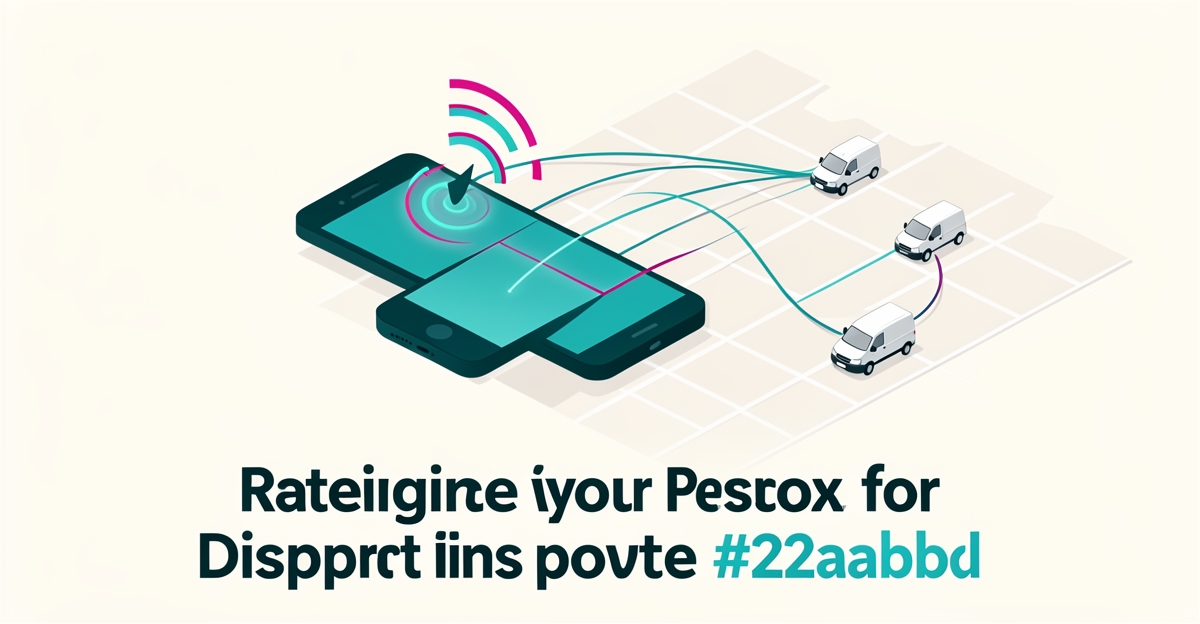
When an emergency locksmith call comes in, every second counts. AI-powered call routing transforms how these urgent requests are handled by instantly connecting customers with the nearest available technician. Instead of waiting for a human dispatcher or navigating complex menus, AI systems answer calls within seconds and use real-time location, technician availability, and historical service data to make optimal routing decisions according to industry analysis. This eliminates the delays inherent in traditional call centers, where response times vary based on agent availability and call volume.
The technology goes beyond simple call answering by integrating directly with scheduling and dispatch software to automate the entire workflow. Once a call is received, the AI system can instantly check which technicians are closest to the customer’s location, verify their current availability and skill set, and dispatch them automatically, all without human intervention as demonstrated in real-world implementations. This seamless integration ensures the right technician is assigned to the right job at the right time, minimizing travel delays and maximizing first-time fix rates.
- AI systems can handle multiple simultaneous calls even at 2 a.m., ensuring no emergency goes unanswered during peak or off-hours based on operational testing
- Intelligent routing has been reported to reduce average response time by up to 40% by eliminating manual dispatch delays and optimizing technician allocation as measured in field deployments
- AI answers calls within seconds, providing immediate acknowledgment that significantly improves customer perception of responsiveness per service provider reports
For mobile locksmiths, this means faster arrivals, higher customer satisfaction, and more efficient use of technician time, especially during after-hours emergencies when traditional staffing models fall short. By removing human bottlenecks from the dispatch process, AI enables locksmith businesses to scale their emergency response capability without proportionally increasing overhead. The result is a more resilient, responsive service operation that meets modern customer expectations for immediate assistance while maintaining operational efficiency. AIQ Labs builds these intelligent dispatch systems as managed [AI Employees](/ai-employees) for field service businesses, AI staff trained on your service areas, pricing, and workflows.
From Pilot to Profit: Implementing AI Dispatch with AIQ Labs’ Start Monthly Model
For mobile locksmiths, shifting from traditional call handling to an AI-powered dispatcher isn't just about technology, it's about reclaiming lost revenue and meeting customer expectations for instant response. AIQ Labs’ Start Monthly model makes this transition low-risk and immediately actionable, delivering a fully managed AI Employee trained for dispatch workflows at roughly 80% less cost than a human hire.
Implementation begins with a discovery phase where AIQ Labs analyzes your current call patterns, technician availability zones, and peak demand times to design routing logic that minimizes drive time. The AI Employee is then built, trained on your specific service areas and pricing, and integrated with your scheduling and CRM tools, all included in the flat monthly plan. Unlike fragmented point solutions, this approach ensures the system works end-to-end from call capture to job assignment. If you’d rather start by fixing the single most expensive workflow in your operation, AIQ Labs also offers fixed-price [Workflow Builds](/workflow-builds) that rebuild one process at a time.
Once live, the AI Dispatcher operates 24/7, answering calls within seconds and instantly routing emergencies to the nearest available technician based on real-time location and job status. This eliminates hold times and missed calls during nights, weekends, or peak seasons, critical when a single missed service call can represent $200 to $600 in lost revenue. By handling routine inquiries and automated booking, the AI frees up human staff to focus on complex jobs and customer follow-ups.
The financial impact is immediate and measurable. Businesses switching from traditional call centers to AI-powered routing have reported operating cost reductions of 70 to 90%, turning a recurring, variable expense into a predictable, flat investment. For locksmiths serving wide geographic areas, this efficiency translates directly into faster response times, field reports indicate reductions of up to 40% in average arrival speed. More jobs captured, fewer missed opportunities, and lower cost per dispatch create a clear path from pilot to profit, all without long-term contracts or hidden fees. AIQ Labs manages monitoring, updates, and optimization, so the system evolves with your business, and for operations ready to connect dispatch, scheduling, and follow-up into one layer, [AI Operating Systems](/ai-operating-systems) tie it all together, built in phases and owned outright.
Still paying for 10+ subscriptions that don’t talk to each other?
We build custom AI systems you own outright. No vendor lock-in. Full control.
Not sure where to start? Ask our AI planner
Frequently Asked Questions
How much money do mobile locksmiths actually lose when they miss an emergency call?
Can AI really reduce locksmith response times by 40%?
What does AI call routing cost compared to a traditional answering service?
How does AI handle multiple emergency calls at 2 a.m. when my team is asleep?
What happens if a customer has a complex situation the AI can't handle?
How quickly can I implement AI dispatch for my locksmith business?
Stop Leaving Emergency Revenue on the Line
Every missed or delayed emergency call is a direct hit to revenue and reputation, with a single lost job commonly costing $200 to $600 and eroding the trust that drives referrals in a local market. AI-powered routing closes that leak by answering in seconds, matching callers to the nearest available technician in real time, and eliminating the human bottlenecks that slow traditional dispatch. The result is faster response times, up to 40% in reported deployments, 24/7 coverage even at 2 a.m., and more jobs captured without adding overhead. For mobile locksmiths, this is less about adopting new technology and more about protecting the bottom line while meeting modern expectations for instant service. AIQ Labs makes the transition low-risk with its Start Monthly model, delivering a fully managed AI Dispatcher trained on your service areas, pricing, and tools. If you’re ready to see where your current call handling is losing money, start the two-minute Fit Check at aiqlabs.ai/apply to book a free 30-minute strategy call and map your biggest bottleneck and high-ROI automation opportunities. Questions first? Reach the team at [email protected]. AI can reduce operating costs by 70 to 90% compared to a traditional call center.
Make AI your competitive advantage — not just another tool.
Strategy, implementation and ongoing optimization. One partner, end to end.
Not sure where to start? Ask our AI planner