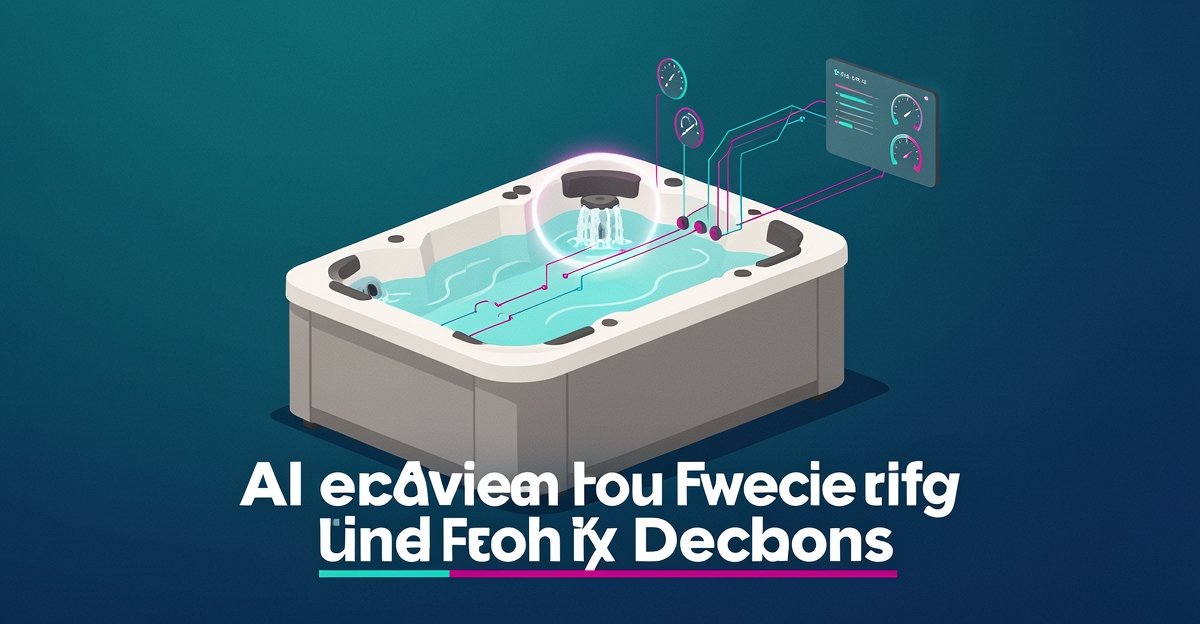
AI for Hot Tub Maintenance: How Predictive Analytics Reduces Breakdowns
Key Facts
- Predictive maintenance typically delivers meaningful reductions in unplanned breakdowns compared with fixed-schedule servicing
- AI has evolved from optimizing schedules to orchestrating entire service operations, enabling real-time workflow adjustments
- Predictive models analyze temperature logs, usage patterns, service history, and environmental factors to prevent failures
- AI-led workflows require organizational readiness, not just technological investment
- Real-time AI monitoring transforms maintenance from reactive guesswork to data-driven decision making
- Feedback loops from actual repairs continuously improve AI prediction accuracy over time
- Predictive analytics extends equipment lifespan by preventing the crisis-driven wear that comes from running components to failure
Hire a team member that works 24/7 — for less than a part-time wage.
AI receptionists, SDRs, dispatchers and 99+ roles. Trained on your business, fully managed.
Not sure where to start? Ask our AI planner
Why Reactive Hot Tub Maintenance Is Costing You More Than You Think
Most hot tub owners only think about maintenance when something goes wrong, waiting for a pump failure or heater malfunction before taking action. This reactive approach might seem cost-effective in the short term, but it masks significant hidden expenses that accumulate over time. Emergency repairs often come with premium labor rates, especially during evenings or weekends when technicians charge time-and-a-half or more. Unplanned downtime means your hot tub sits unusable, disrupting relaxation routines or causing lost revenue in commercial settings like spas or rental properties. Beyond immediate fixes, constantly addressing crises accelerates wear on components, shortening the lifespan of pumps, heaters, and control systems compared to well-maintained units. Reactive maintenance also fails to account for the unique stressors hot tubs face, fluctuating usage patterns, chemical imbalances, and environmental exposure, that gradually degrade performance long before visible symptoms appear. Without data-driven insights, technicians service equipment on fixed schedules that don't reflect actual wear, leading to either unnecessary part replacements or missed warning signs. This gap between maintenance activity and real equipment condition is where predictive analytics creates value, by analyzing usage logs, temperature trends, and service history to anticipate failures before they disrupt your soak. AIQ Labs' workflow builds are designed to close exactly this kind of gap, turning maintenance from a cost center into a predictable, optimized operation.
How AI Predicts Hot Tub Failures Before They Happen
Imagine your hot tub sending you a warning three weeks before its heater fails, not because a technician happened to catch it, but because an algorithm noticed a pattern invisible to the human eye. This is the current reality of maintenance, where AI has moved from simply optimizing schedules to orchestrating entire service operations.
AI systems now dynamically adjust workflows and balance multiple variables in real time, a shift industry observers describe as moving from optimization to orchestration. This evolution represents a fundamental change in how equipment failures are predicted and prevented.
For hot tubs specifically, predictive models analyze several critical data streams to identify problems before they escalate. These systems continuously monitor:
- Temperature logs that reveal heating element degradation
- Usage frequency patterns that predict wear on pumps and seals
- Service history that identifies recurring issues in specific components
- Environmental factors like humidity and chemical balance fluctuations
In practice, this means the difference between a scheduled pump replacement and an emergency weekend service call. Rather than relying on fixed maintenance schedules, technicians receive alerts based on actual equipment condition, transforming maintenance from reactive guesswork into data-driven decision making.
Industry implementations of predictive maintenance consistently report meaningful reductions in unplanned breakdowns, often cited in the range of 30%, by catching degradation signals early. But the technology only pays off when the organization around it is ready. AI-led workflows require organizational readiness, not just technological investment. This insight drives how AIQ Labs approaches predictive maintenance systems, building custom solutions that integrate with existing service operations rather than forcing businesses to adapt to rigid software. The result is a system that learns from every repair, continuously improving its predictions and turning maintenance from a cost center into a competitive advantage.
Implementing AI-Powered Maintenance: From Sensors to Service Alerts
Predictive maintenance for hot tubs starts with the right data flowing in before a failure happens. When sensors, service history, and usage patterns connect to an AI model, teams move from reactive repairs to proactive intervention.
Deploying an AI-powered system begins with establishing data collection infrastructure. IoT sensors capture usage patterns, temperature logs, and environmental data continuously. This real-time stream creates the foundation for accurate failure prediction. AI-driven predictive maintenance systems reduce equipment failures by analyzing usage patterns, environmental conditions, and historical service data to anticipate problems before they occur.
The next step is building a historical database. Service records, maintenance logs, and repair outcomes are compiled and cleaned to train predictive models. The quality and integration of this data determine model reliability, garbage in, garbage out applies here as much as anywhere.
With data in place, machine learning models are developed to identify failure patterns. Models learn the relationship between temperature fluctuations, pump runtime, and component wear to forecast risk windows. AIQ Labs builds such predictive systems, analyzing usage patterns, temperature logs, and service history to predict when a hot tub is likely to fail, then proactively alerting technicians. These systems can be built as a standalone workflow build at a fixed price, or as part of a broader AI operating system that connects monitoring, dispatch, and customer communication in one layer.
Real-time monitoring and alerting close the loop. The system continuously analyzes incoming data streams and triggers service alerts when thresholds are breached. Alerts integrate with technician dispatch and scheduling tools so condition-based work orders replace fixed-interval visits.
Implementation succeeds when the workflow is end-to-end, not piecemeal. Key deployment steps include:
- Installing IoT sensors for temperature, pressure, and runtime monitoring
- Building historical data pipelines from service history and sensor logs
- Training ML models on failure patterns and environmental variables
- Integrating alerts with technician dispatch and service management
Organizational readiness matters as much as technology. Tools without talent, culture, and cross-functional alignment deliver noise rather than results. Plan for staff training and workflow changes alongside the technical build.
Feedback loops ensure the system improves over time. Actual maintenance outcomes are fed back to retrain models, tightening prediction accuracy and reducing false alerts. This continuous learning is what turns a pilot into a reliable operations capability.
For SMBs in home services and trades, the practical outcome is fewer emergency calls, longer equipment life, and better customer satisfaction. The commonly cited 30% reduction in breakdowns from predictive analytics illustrates the impact of shifting from reactive fixes to proactive care, though your results depend on data quality and how well the system is integrated into daily operations.
Still paying for 10+ subscriptions that don’t talk to each other?
We build custom AI systems you own outright. No vendor lock-in. Full control.
Not sure where to start? Ask our AI planner
Frequently Asked Questions
How does AI predict hot tub failures before they happen?
What kind of data do predictive maintenance systems use for hot tubs?
Can AI really reduce hot tub breakdowns by 30%?
Is implementing AI for hot tub maintenance just about buying sensors?
How do AI-powered alerts improve hot tub service operations?
What steps are involved in setting up AI predictive maintenance for a hot tub business?
Turn Hot Tub Headaches into Hassle-Free Soaks
Predictive analytics transforms hot tub maintenance from a reactive burden into a proactive advantage, catching issues before they disrupt your soak or your business. By analyzing usage patterns, temperature trends, and service history, AI-powered systems enable data-driven decisions that extend equipment life, reduce emergency repairs, and improve customer satisfaction. For home services businesses, this means fewer callbacks and stronger trust; for homeowners, it means more relaxation and less stress. The shift isn't just about technology, it's about building smarter, more resilient operations. Ready to see how AI can work for your specific setup? Take the 2-minute Fit Check or book a free 30-minute strategy call to explore your highest-ROI opportunities, no obligation, just clarity.
Make AI your competitive advantage — not just another tool.
Strategy, implementation and ongoing optimization. One partner, end to end.
Not sure where to start? Ask our AI planner