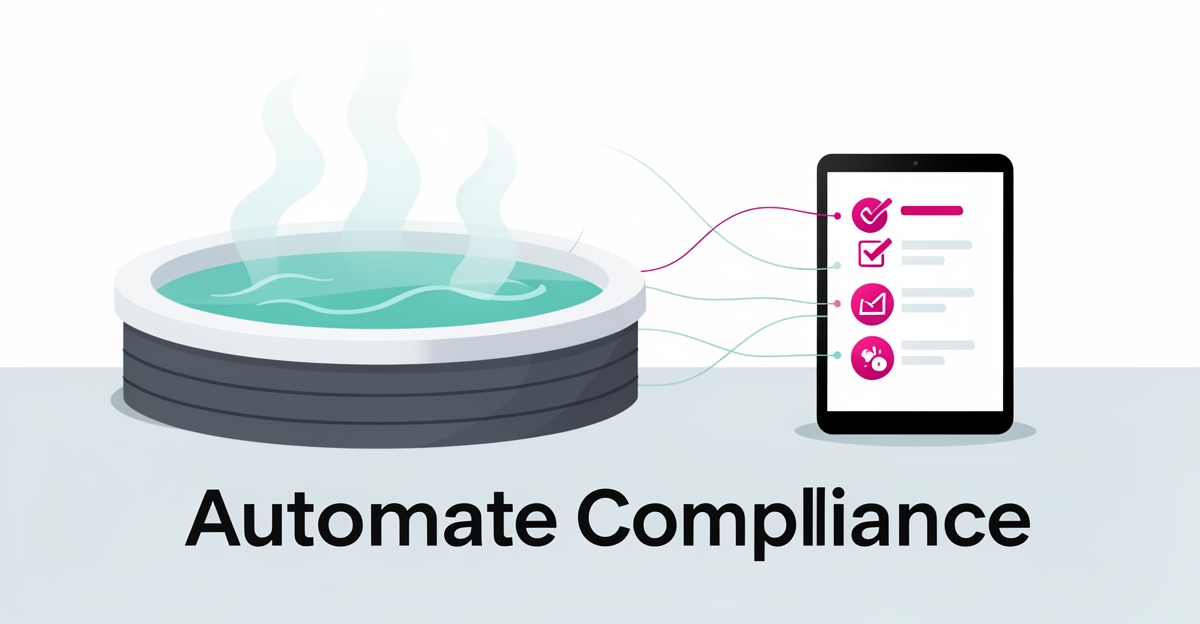
AI for Hot Tub Safety Compliance: How to Automate Inspection Records and Risk Alerts
Key Facts
- AI adoption among organizations has grown substantially since 2023, and most large operators now use AI in some form, according to IBM
- Hot tub operators typically need to align with the Pool & Hot Tub Alliance (PHTA) standards, ANSI/APSP/ICC-13, and the International Swimming Pool and Spa Code
- Drowning remains a leading cause of accidental death for young children, which is why inspection and safety protocols carry legal weight
- AI risk management frameworks group compliance risks into data risks, model risks, operational risks, and ethical/legal risks, per IBM's AI guidance
- Responsible AI governance is still maturing: many organizations deploying AI lack a formal governance body with real decision-making authority
Hire a team member that works 24/7 — for less than a part-time wage.
AI receptionists, SDRs, dispatchers and 99+ roles. Trained on your business, fully managed.
Not sure where to start? Ask our AI planner
Regulatory Risks Hot Tub Operators Can't Ignore
Hot tub operators carry a heavier compliance load than most hospitality businesses. Water chemistry has to stay within strict ranges, chemical storage and handling follow regulated procedures, and inspection records must be available when a health inspector or auditor asks for them. The main benchmarks are the Pool & Hot Tub Alliance's operator standards, ANSI/APSP/ICC-13 for water conservation, and the International Swimming Pool and Spa Code, along with whatever local health codes apply in your jurisdiction.
The risk isn't hypothetical. A missed inspection log, an out-of-range chlorine reading that nobody documented, or a lapse in chemical handling records can mean fines, forced closures, or liability exposure if a guest is injured. Because drowning remains a leading cause of accidental death for young children, courts and regulators treat safety documentation seriously. Paper logs fail in predictable ways: they get lost, filled in late, or completed from memory after the fact. That's the gap automation is built to close.
Why AI Risk Management Matters for Compliance Systems
Using AI for compliance introduces its own risks, and pretending otherwise is how projects fail. IBM's AI guidance groups the concerns into four categories: data risks (incomplete or inaccurate readings), model risks (wrong predictions or missed violations), operational risks (system downtime during an inspection window), and ethical/legal risks (privacy of guest data, auditability of decisions).
For a hot tub operator, the practical version looks like this: if your AI system logs water chemistry, the underlying sensor data has to be trustworthy; if it flags violations, the alerts have to reach a human who can act; and if a regulator asks how a decision was made, you need an audit trail. Most organizations adopting AI still lack a formal governance body with authority over responsible AI use, so the burden falls on you to pick tools and vendors that take data integrity and auditability seriously. A compliance system that can't explain itself is a liability, not an asset.
How AI Automates Inspection Logs and Violation Alerts
Automation for hot tub compliance usually works in three layers:
- Continuous monitoring. Sensors and connected controllers feed water chemistry, temperature, and equipment status into a system around the clock, replacing spot checks with a continuous record.
- Automated record generation. Every reading, inspection, and corrective action is logged automatically in a structured, timestamped format, the kind of audit trail inspectors actually want to see, with no gaps from missed paperwork.
- Risk alerts. When a reading drifts out of range, a maintenance window is missed, or a chemical handling step is skipped, the system flags it immediately and routes the alert to the right person, before it becomes a violation.
The result is compliance that shifts from reactive to proactive. Instead of discovering a problem during an inspection, you catch it the same day it starts. AIQ Labs builds these kinds of systems as part of its AI Workflow Builds, we rebuild the one workflow that costs you the most, at a fixed price, in phases. For operators who want compliance, scheduling, and customer communication running on one connected layer, AI Operating Systems go a step further, and you own the system outright.
Build vs Buy: Platform Trade-offs for Compliance AI
You have three broad options. Off-the-shelf compliance software is fast to start but rarely fits your exact inspection cadence, local code requirements, or reporting format, and you're renting it forever. General-purpose AI platforms (like ChatGPT or Google Gemini) can help draft procedures or summarize regulations, but they aren't compliance systems: they don't hold your inspection records, and sending sensitive operational data to third-party consumer tools raises its own governance questions.
The third option is a custom-built system you own. It maps exactly to your standards and local requirements, integrates with your existing sensors and scheduling tools, and, critically, the data and audit trail belong to you, not a vendor. AIQ Labs builds these with three payment models: Start Monthly, Build in Milestones, or Own It Outright. No fake prices, no invented case-study numbers, you can see the full breakdown at aiqlabs.ai/pricing. With 200+ multi-agent systems deployed and four live SaaS products we run daily, we build compliance automation that holds up when an inspector shows up.
Still paying for 10+ subscriptions that don’t talk to each other?
We build custom AI systems you own outright. No vendor lock-in. Full control.
Not sure where to start? Ask our AI planner
Frequently Asked Questions
How can AI actually automate hot tub inspection records and risk alerts?
What safety standards do hot tub operators need to follow?
What AI risks should hot tub businesses worry about?
Is AI adoption common enough to be reliable for compliance?
Should I use consumer AI tools like ChatGPT for compliance records?
How do I get started automating compliance without getting locked into a vendor?
From Manual Logs to Intelligent Compliance
Hot tub safety compliance doesn't have to mean drowning in paperwork or scrambling to meet inspection deadlines. AI-powered systems can automate inspection records, monitor chemical levels, and flag potential violations before they become costly problems, turning compliance from a reactive burden into a proactive advantage. With drowning remaining a leading cause of accidental death for young children, the stakes for proper safety protocols couldn't be higher. AIQ Labs builds custom compliance systems that integrate with your existing operations, giving you real-time visibility into safety metrics while cutting manual administrative work. Whether you're managing a single facility or multiple locations, automated risk alerts and digital inspection logs create an audit trail that protects both your guests and your business. Ready to explore how AI can streamline your compliance workflows? Start with the two-minute Fit Check at aiqlabs.ai/apply, then book a free 30-minute strategy call at aiqlabs.ai/book to identify your highest-impact automation opportunities.
Make AI your competitive advantage — not just another tool.
Strategy, implementation and ongoing optimization. One partner, end to end.
Not sure where to start? Ask our AI planner