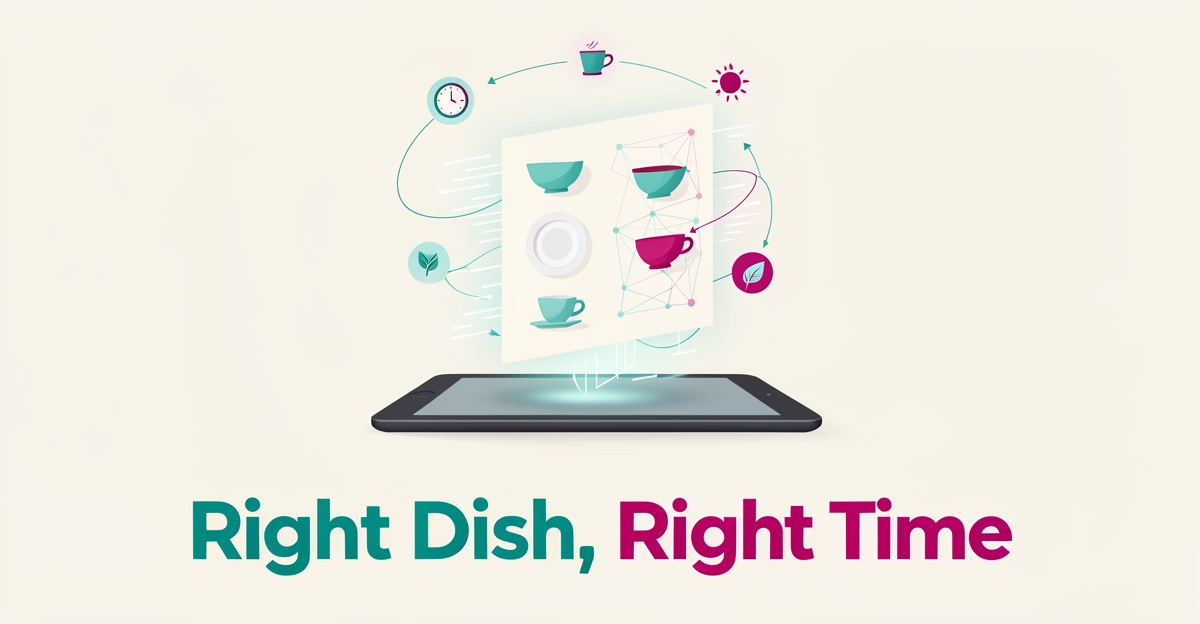
AI for Menu Personalization: How to Serve the Right Food at the Right Time
Key Facts
- Context-aware menu recommendations typically lift revenue by aligning offers with what guests actually want in the moment
- Aligning kitchen prep with predicted demand can meaningfully reduce food waste, with industry analyses often citing reductions in the 20-30% range
- Personalized suggestions reduce decision fatigue, which tends to improve customer satisfaction and repeat visits
- Static menus leave upsell opportunities unrealized on a large share of transactions
- As of late 2026, most restaurant operators report plans to increase investment in AI technologies
Hire a team member that works 24/7 — for less than a part-time wage.
AI receptionists, SDRs, dispatchers and 99+ roles. Trained on your business, fully managed.
Not sure where to start? Ask our AI planner
The Cost of Generic Menus: Why One-Size-Fits-All Fails Modern Diners
Static menus cost restaurants more than just missed sales, they erode profitability and guest loyalty in real time. When every diner sees the same offerings regardless of time, weather, or past behavior, restaurants leave money on the table through untapped upsell opportunities and avoidable waste. As of late 2026, most restaurant executives plan to increase their investments in AI technologies to address these pain points, recognizing that one-size-fits-all approaches no longer meet modern expectations. Industry analyses consistently find that AI-driven menu optimization can lift revenue through smarter, context-aware recommendations that align with what customers actually want in the moment.
The financial toll of generic menus extends beyond lost revenue into operational inefficiencies that compound over time. Without personalization, kitchens routinely overproduce low-demand items while understocking popular choices, directly contributing to food waste, a problem so pervasive that personalized menus are often credited with waste reductions in the 20-30% range. Ineffective upselling strategies, often a byproduct of static menus, also leave a meaningful slice of potential average order value unrealized per transaction. These losses accumulate quickly, especially for mid-volume restaurants where margins are thin and customer retention is critical.
Beyond the balance sheet, inflexible menus damage the guest experience in ways that are harder to quantify but equally costly. Diners today expect relevance, they want options that feel tailored to their context, whether it's a warm soup suggestion on a rainy afternoon or a lighter salad highlighted during lunch rush. When menus fail to adapt, satisfaction scores decline and loyalty erodes. For restaurants using AI-driven systems, like those built through AIQ Labs' AI Employees or a focused workflow rebuild, this isn't just about technology; it's about turning every menu interaction into an opportunity to serve the right food at the right time.
How AI Transforms Menu Personalization: Data-Driven Timing and Context
Imagine walking into a restaurant where the menu seems to anticipate your cravings before you even speak. That's the power of AI-driven menu personalization, where timing, context, and behavior converge to serve exactly what you want, when you want it.
By analyzing real-time factors like time of day, weather patterns, and historical order behavior, AI systems can dynamically adjust menu suggestions to match a customer's immediate context. On a rainy afternoon, the system might prioritize warm soups and comfort foods, then shift to salads and chilled beverages during a sunny lunch rush. This level of contextual relevance doesn't just feel intuitive, it drives measurable results. Personalized menus tend to lift revenue and satisfaction largely because they reduce decision fatigue and align offerings with genuine customer intent.
- Time-based personalization: Breakfast items emphasized in the morning, dinner specials highlighted in the evening
- Weather-responsive suggestions: Hot drinks promoted during cold spells, icy treats featured in heatwaves
- Behavioral triggers: Frequently ordered combos suggested based on past preferences
- Seasonal adjustments: Menu highlights shift with holidays, local events, or ingredient availability
- Real-time adaptation: Live data feeds adjust recommendations as conditions change throughout the day
AIQ Labs builds these intelligent systems as managed AI staff or as part of a connected AI operating system, integrating behavioral analytics with real-time environmental data to create menus that feel less like a list and more like a conversation. The result isn't just higher sales, it's a dining experience that feels attuned to each guest, turning every meal into an opportunity to delight.
From Insight to Action: Implementing AI Menu Personalization with AIQ Labs
Moving from insight to a live, personalized menu means turning customer behavior into an owned system that serves the right suggestion at the right moment. For SMB restaurants, that requires data integration, model training, and clear human oversight rather than a rented widget.
The practical path starts with data. Implementation begins by defining customer preferences and behavior through data analysis, then integrating that signal with POS, loyalty, reservations, and external context like time of day and weather. High-quality, unified data is the foundation; without it, personalization stalls.
With data in place, the system is built and trained. A custom build engagement maps the menu personalization workflow to existing operations, then trains models on historical orders, item affinity, and service context. AI-driven menu optimization typically lifts revenue when recommendations are timely and relevant, and aligning prep with predicted demand cuts food waste by reducing overproduction.
Deployment follows a hybrid human-AI model. AI handles scale and real-time adaptation; staff retain control over brand voice, dietary accommodations, and exceptions. This hybrid approach that combines AI with human oversight prevents over-reliance on technology and preserves the human touch guests expect.
Implementation typically follows these steps:
- Integrate POS, loyalty, and reservation data with the personalization engine
- Train algorithms on past orders, time-of-day patterns, and contextual signals
- Deploy menu suggestions at the point of order with staff override controls
- Monitor performance and refine recommendations continuously
AIQ Labs supports this through AI Workflow Builds for a fixed-price rebuild of the one workflow that costs the most, or broader AI Operating Systems built in phases and owned outright. Payment models are flexible, Start Monthly, Build in Milestones, or Own It Outright, so operators can match investment to cash flow. The approach aligns with how most restaurant executives plan to increase their AI investments, seeking owned, scalable capabilities rather than subscription chaos.
Continuous monitoring closes the loop. Teams track satisfaction, average order value, and waste reduction, then adjust models and prompts. With true ownership of custom-built systems, SMBs keep control of data, logic, and future enhancements, building a competitive advantage that compounds over time.
Still paying for 10+ subscriptions that don’t talk to each other?
We build custom AI systems you own outright. No vendor lock-in. Full control.
Not sure where to start? Ask our AI planner
Frequently Asked Questions
How much can AI-driven menu personalization actually increase my restaurant's revenue?
Will implementing AI menu personalization help reduce our food waste?
What kind of data do I need to get started with AI menu personalization?
Does AI menu personalization replace our staff's judgment or the human touch?
How long does it take to implement AI menu personalization and see results?
Is AI menu personalization only for large chains, or can independent restaurants use it too?
Serve Smarter, Waste Less, Keep Them Coming Back
Generic menus are quietly draining revenue, driving waste, and eroding loyalty. AI-driven menu personalization changes that by aligning what you show with when, where, and why guests order, using time of day, weather, past behavior, and real-time context to reduce decision fatigue and lift satisfaction. The result is measurable: smarter, timely suggestions lift revenue, while aligning prep with predicted demand cuts food waste and protects margins. For SMB restaurants, the practical path is data first, then a hybrid human-AI system you own: unify POS, loyalty and reservation signals, train models on order history and context, and deploy suggestions at the point of order with staff override controls. Continuous monitoring of average order value, satisfaction and waste closes the loop. If you're ready to turn menu moments into owned competitive advantage, start with clarity. Take the two-minute Fit Check at aiqlabs.ai/apply to book a free 30-minute strategy call and map your biggest bottleneck, no pitch, just a working session with an AI engineer. Questions first? Reach us at [email protected].
Make AI your competitive advantage — not just another tool.
Strategy, implementation and ongoing optimization. One partner, end to end.
Not sure where to start? Ask our AI planner