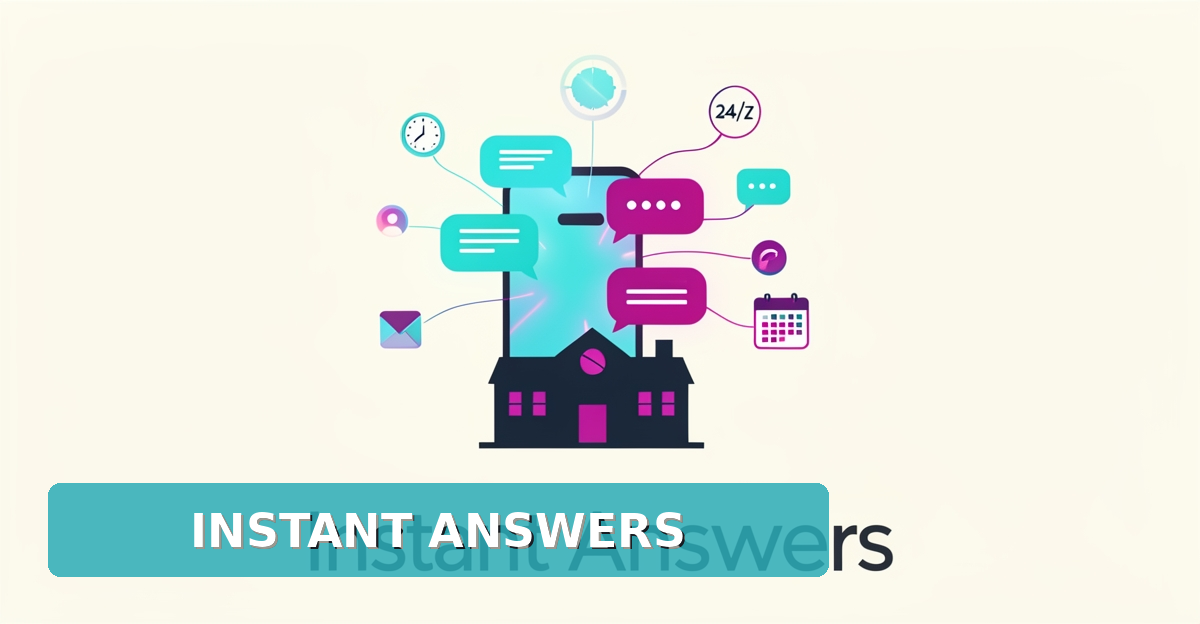
AI for Parent Communication: How Private Schools Can Reduce Response Time and Improve Engagement
Key Facts
- AI chatbots can answer common parent questions 24/7 without staff intervention, reducing inbox backlog and ensuring no family waits days for a simple answer.
- Most organizations use AI in at least one function as of late 2026, but far fewer have scaled agents into genuine, production-grade value.
- Industry analysts widely expect a significant share of agentic AI projects to be abandoned in the coming years when foundations like data quality and governance are missing.
- Schools using AI for parent communication typically report fewer missed messages and more completed forms because updates reach families through preferred channels.
- Student AI use research has flagged that a substantial share of students have personal, non-academic conversations with AI on school-provided devices, raising the stakes for clear governance.
- AI tutoring studies suggest modest learning gains, indicating AI works best as a support layer, not a replacement for human relationships.
Hire a team member that works 24/7 — for less than a part-time wage.
AI receptionists, SDRs, dispatchers and 99+ roles. Trained on your business, fully managed.
Not sure where to start? Ask our AI planner
The Parent Communication Bottleneck Private Schools Face
Private schools today face a growing communication bottleneck as parent expectations for timely, personalized updates outpace the capacity of traditional human-only systems. Staff are overwhelmed by repetitive email inquiries about schedules, events, and policies, leading to delayed responses that frustrate parents and erode trust. This strain is compounded by fragmented communication channels, email, portals, and messaging apps, that create information silos and increase the risk of missed updates. As engagement expectations rise, relying solely on manual processes becomes unsustainable.
The bottleneck manifests in three key ways: first, admissions and administrative teams spend excessive time answering routine questions that could be automated; second, urgent updates about student well-being or schedule changes often get buried in crowded inboxes; third, parents seeking quick clarification on policies or events experience friction when forced to wait for human responses during off-hours. These delays not only increase administrative burden but also diminish the sense of partnership schools aim to build with families. Most organizations now use AI in at least one function, yet few have scaled it into genuine value in communication workflows, highlighting a critical gap private schools can address.
To break this cycle, schools need systems that handle high-volume, low-complexity interactions without sacrificing warmth or accuracy. AI-powered chatbots and messaging platforms can instantly answer common questions about tuition deadlines, extracurricular sign-ups, or pickup procedures, freeing staff to focus on nuanced conversations that require empathy and judgment. By integrating with existing school portals and adhering to education privacy regulations, these tools ensure consistent, timely updates while reducing email volume. AIQ Labs helps private schools deploy such systems through managed AI employees with built-in safeguards for data protection and responsible AI use, turning communication from a bottleneck into a strength.
Start the Fit Check at https://aiqlabs.ai/apply to map your school's communication bottlenecks and explore how AI employees can reduce response times while improving parent engagement, then schedule your free 30-minute strategy call at https://aiqlabs.ai/book.
How AI Chatbots Reduce Response Time and Boost Engagement
Private schools are drowning in parent emails about pick-up times, forms, and policy clarifications. AI-powered messaging changes that equation by handling the repetitive questions instantly while keeping staff focused on high-value conversations.
AI chatbots and messaging systems can automate routine tasks, provide timely updates, and enhance the overall parent-communication experience. By leveraging AI, schools can reduce email volume, improve response times, and increase engagement with parents. This shift frees administrators and teachers from repetitive inquiries and creates a more responsive school-family relationship.
Adoption is accelerating across education. Industry analysis as of late 2026 shows most organizations use AI in at least one function, but far fewer have scaled agents into genuine value. In education specifically, responsible implementation guidance emphasizes automating routine parent questions, scheduling visits and sending timely updates as core use cases.
The engagement benefit is not just speed. When parents receive consistent, immediate answers, trust and participation rise. Schools using AI for parent communication typically report fewer missed messages and more completed forms because updates reach families through the channels they already use.
Response time compression is the most immediate impact. Common inquiries such as attendance reporting, lunch menus, event dates, and document requests are answered 24/7 without staff intervention. That reduces inbox backlog and ensures no family waits days for a simple answer.
AIQ Labs helps schools deploy AI that respects privacy, adheres to education regulations, and integrates with school portals, whether as a managed AI receptionist or communications employee, a fixed-price workflow rebuild, or a phased AI operating system that connects your portals, calendars, and messaging into one layer your school owns outright.
Schools see measurable workflow gains when chatbots are scoped correctly:
- Automated answers to routine questions about schedules, policies, and forms
- Self-service visit and conference scheduling with calendar integration
- Proactive timely updates on closures, events, and announcements
- Reduced email volume for staff with seamless human handoff for complex cases
Responsible rollout matters. Industry analysts widely expect a significant share of agentic projects to be abandoned in the coming years, often after stalling three to nine months in when they meet edge cases nobody planned for. Success depends on data quality, governance, and clear ownership rather than the model alone.
When implemented with proper readiness assessment, AI chatbots support continuous, customized support for families while amplifying staff capacity. The result is faster responses, higher parent engagement, and a communication experience that feels personal at scale.
Readiness Before Rollout: Data, Governance and Ownership
A parent portal that answers instantly is only as reliable as the foundation underneath it. Readiness before rollout determines whether an AI messaging system reduces response time or creates new risk for private schools.
A genuine AI readiness assessment ends in a decision, not a grade. Readiness frameworks identify five dimensions that decide whether an organization is ready for AI agents: data, infrastructure, integration surface, governance, and ownership. Schools that skip this check often sail through demos then stall three to nine months later when edge cases appear.
The constraint is seldom the model, but rather data quality, governance, and unclear ownership. For parent communication, that means messy contact records, fragmented calendars, and siloed student information systems will undermine even the best chatbot.
Infrastructure and integration surface matter because AI-powered chatbots and messaging systems must answer common parent questions, schedule visits, and send timely updates through the school portal. Without clean APIs and a clear integration map, the agent cannot reliably pull attendance, billing, or event data.
Governance and ownership are especially critical in education. Responsible implementation guidance emphasizes prioritizing student safety, data protection, and responsible AI adoption. Schools need explicit policies for data retention, human-in-the-loop escalation, and who owns prompts, training data, and model outputs.
The risk of skipping readiness is real. Most organizations use AI in at least one function as of late 2026, but far fewer have scaled agents into genuine value, and analysts expect a meaningful share of agentic projects to be abandoned in the near term without proper foundations.
Before rollout, schools benefit from reviewing readiness across:
- Data: completeness, accuracy, and privacy classification of parent and student records
- Infrastructure: hosting, security, and reliability for 24/7 parent messaging
- Integration surface: connections to SIS, email, calendar, and portal systems
- Governance: policies for safety, consent, audit trails, and escalation
- Ownership: clear internal owner for content, compliance, and continuous improvement
AIQ Labs helps schools deploy AI that respects privacy, adheres to education regulations, and integrates with school portals. A structured readiness review, part of every workflow build, makes data quality, governance, and ownership explicit before any parent-facing agent goes live, reducing abandonment risk and protecting trust.
A Private-School Implementation Plan That Protects Privacy
Parent communication breaks down when routine questions pile up in inboxes and staff are stretched thin. A privacy-respecting implementation plan starts with workflows, not models, and builds trust before it builds automation.
Start by mapping high-impact communication workflows. Identify the repetitive parent inquiries that consume staff time, such as enrollment status, billing questions, calendar updates, and absence reporting. Prioritize tasks that can be automated without exposing sensitive student data. Schools that define scope first avoid the common failure pattern where projects sail through demos then stall three to nine months later when they meet edge cases nobody planned for.
A genuine readiness assessment ends in a decision, not a grade. Evaluate the five dimensions that decide readiness for AI agents: data, infrastructure, integration surface, governance, and ownership. This clarity prevents the common constraint where data quality, governance, and unclear ownership stall deployment.
Privacy and education regulations must guide design from day one. Student AI use research has flagged that a substantial share of students report personal, non-academic conversations with AI on school-provided devices, and many turn to AI for emotional support. That means schools need strict data boundaries and human-in-the-loop controls for any parent-facing system.
A practical deployment sequence for private schools includes:
- Audit current parent channels and measure baseline response time and email volume
- Map data flows and confirm FERPA/COPPA-aligned storage, access, and retention policies
- Select integration points with existing school portals for single sign-on and secure data access
- Pilot a limited chatbot for FAQs and scheduling with monitored human handoff
- Establish governance, audit trails, and parent transparency notices before scaling
Build systems that respect privacy by design. AIQ Labs focuses on AI-powered chatbots and messaging systems that answer common parent questions, schedule visits, and send timely updates while adhering to education regulations and integrating with school portals. With the Own It Outright payment model, custom builds ensure your school owns its system outright and avoids vendor lock-in, see https://aiqlabs.ai/pricing for how Start Monthly, Build in Milestones, and Own It Outright work.
Scale only after proving value. With most organizations using AI in at least one function but far fewer scaling agents into genuine value, and analysts expecting a meaningful share of agentic projects to be abandoned in the near term, a phased rollout with clear metrics protects student safety and staff trust.
Still paying for 10+ subscriptions that don’t talk to each other?
We build custom AI systems you own outright. No vendor lock-in. Full control.
Not sure where to start? Ask our AI planner
Frequently Asked Questions
How can AI chatbots actually reduce response times for parent inquiries in private schools?
What specific parent communication tasks can be automated with AI in private schools?
Is it safe to use AI for parent communication given student data privacy concerns?
Why do some AI projects in schools fail even after successful demos?
How do I know if my school is ready to implement AI for parent communication?
Turn Communication Chaos Into Your School's Competitive Edge
Private schools that answer parent questions instantly while protecting sensitive data will build the trust that drives enrollment and retention. The path forward starts with readiness, not rolling out chatbots that stall when they hit messy data or unclear ownership. AIQ Labs helps schools deploy privacy-first AI messaging systems that integrate with existing portals, automate routine inquiries, and escalate complex conversations to staff who can add real value. With analysts expecting a significant share of agentic projects to be abandoned in the near term, the schools that succeed will be those that assess their data, governance, and ownership before they build. Start with the two-minute Fit Check at https://aiqlabs.ai/apply to map your communication bottlenecks, then schedule a free 30-minute strategy call at https://aiqlabs.ai/book to explore how AI employees can reduce response times while keeping your school compliant and your families engaged.
Make AI your competitive advantage — not just another tool.
Strategy, implementation and ongoing optimization. One partner, end to end.
Not sure where to start? Ask our AI planner