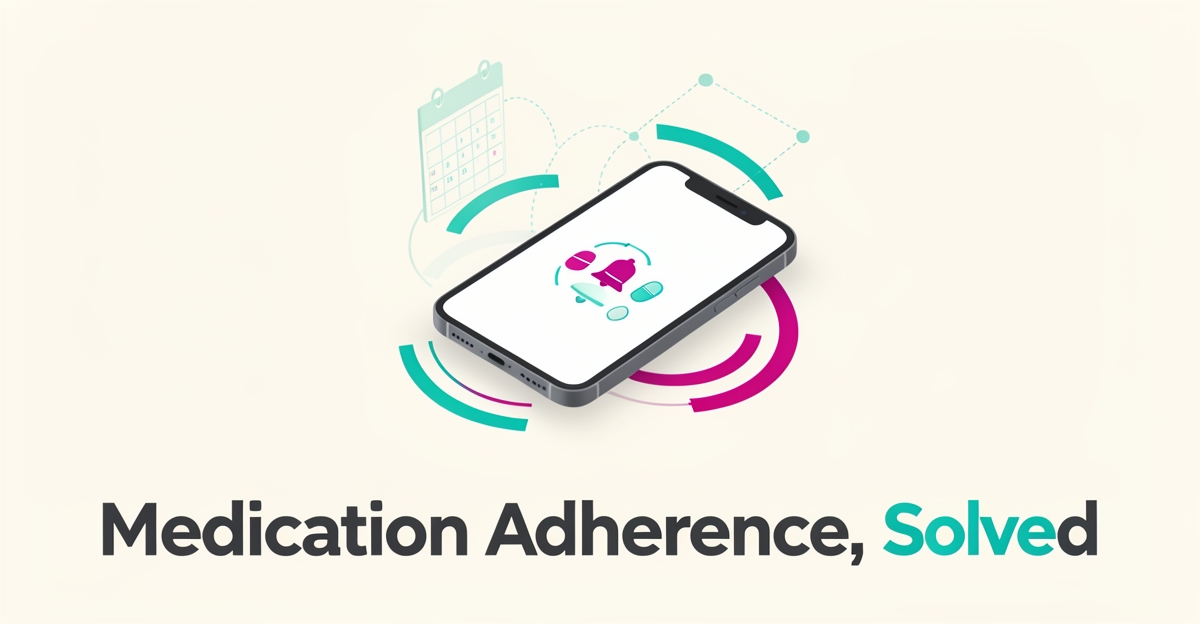
AI for Post-Operative Compliance: How to Track and Alert Patients on Medication
Key Facts
- Medication non-adherence after surgery is a well-documented driver of preventable complications and avoidable readmissions.
- AI systems can identify patterns indicating deteriorating health conditions in postoperative patients, per published research on postoperative monitoring.
- AI-powered patient engagement tools streamline communication by providing personalized information and support, per studies on postoperative follow-up.
- Remote monitoring and wearable technology typically work synergistically to improve clinical outcomes after surgery, per clinical research.
- AI helps predict which patients need additional support and optimizes resource allocation for timely interventions.
- AI should support, not replace, clinical judgment, per AORN guidance on ethical AI use in surgical care.
- AI employees can function as 24/7 patient compliance coaches, helping reduce costly readmissions and support healing outcomes.
Hire a team member that works 24/7 — for less than a part-time wage.
AI receptionists, SDRs, dispatchers and 99+ roles. Trained on your business, fully managed.
Not sure where to start? Ask our AI planner
The Post-Operative Compliance Crisis: Why Patients Skip Medications and Miss Follow-Ups
The period between hospital discharge and full recovery represents a critical vulnerability in the surgical care continuum. Despite receiving detailed discharge instructions, research consistently shows that a substantial share of postoperative patients, often reported as high as half in adherence studies, fail to follow prescribed medication regimens or miss scheduled follow-up appointments, leading to preventable complications and avoidable readmissions. This gap in continuity of care creates significant risks, particularly for patients managing complex medication schedules or recovering from major procedures where timely intervention is essential.
Traditional approaches to monitoring post-discharge compliance rely heavily on manual processes that are inherently limited in scope and effectiveness. Nurses or administrative staff may attempt phone calls or send generic reminders, but these efforts are often episodic, resource-intensive, and fail to capture real-time adherence patterns. As noted in industry research, such methods struggle to provide the continuous, personalized engagement needed to detect early warning signs of non-adherence or clinical deterioration before they escalate into serious issues requiring emergency intervention or readmission.
Healthcare providers face systemic challenges in maintaining consistent patient engagement after discharge due to staffing constraints, fragmented communication channels, and the lack of scalable monitoring tools. Without automated systems to track medication intake or flag missed follow-ups in real time, clinical teams operate reactively, addressing problems only after patients present with complications. This reactive model not only strains healthcare resources but also undermines patient recovery trajectories, highlighting the urgent need for intelligent, persistent solutions that bridge the discharge-to-recovery gap with precision and empathy. AIQ Labs addresses this challenge through [AI Employees](/ai-employees) designed as patient compliance coaches, delivering continuous monitoring and personalized alerts that support adherence without overburdening clinical staff.
How AI-Powered Monitoring Tracks Medication Adherence in Real-Time
The gap between surgery and full recovery represents a critical vulnerability in patient care, one where medication errors and missed warning signs can escalate into serious complications. AI-powered monitoring systems now bridge this gap by creating a continuous safety net that tracks patient adherence and health status around the clock.
According to published clinical research, remote monitoring and wearable technology typically work synergistically to improve clinical outcomes after surgery. These systems integrate with patient engagement platforms to create a comprehensive monitoring ecosystem that extends far beyond the hospital walls.
Modern AI monitoring operates through multiple integrated channels:
- Wearable devices tracking vital signs and physiological parameters in real-time
- Mobile applications confirming medication intake and symptom reporting
- Telehealth platforms enabling direct communication with care teams
- Predictive analytics engines analyzing patterns for early warning signs
The real power emerges in pattern recognition. Research on AI in postoperative monitoring has demonstrated the ability of these systems to identify patterns indicating deteriorating health conditions, providing timely interventions that prevent adverse events in postoperative patients. By continuously analyzing data streams, these systems detect subtle changes that human observation might miss until symptoms become severe.
AI-powered patient engagement tools gather real-time data on symptoms and recovery progress, enabling healthcare providers to intervene precisely when necessary. This proactive approach transforms post-operative care from reactive crisis management to preventive health maintenance.
Automated alert systems form the operational backbone of medication adherence tracking. When a patient misses a scheduled dose or reports concerning symptoms, the AI immediately triggers notifications to both the patient and clinical staff. These engagement platforms provide personalized reminders and support tailored to individual recovery protocols, ensuring patients receive the right intervention at the right moment.
The technology also optimizes clinical resources. By analyzing recovery trends across patient populations, AI helps healthcare providers predict which patients need additional support and allocate staff accordingly. This ensures that high-risk cases receive immediate attention while stable patients continue with automated monitoring.
Implementation requires careful attention to data security and clinical oversight. AORN guidance emphasizes that AI should support, not replace, clinical judgment, with organizations establishing governance frameworks for evaluating these technologies. Healthcare teams must maintain proficiency in interpreting AI-generated insights while preserving the human elements of compassionate care.
For healthcare organizations seeking to implement these capabilities, AIQ Labs builds custom AI employees that function as patient compliance coaches, integrating with existing systems to monitor adherence and automate alert workflows. These solutions work alongside clinical teams to ensure no patient falls through the cracks during the critical post-operative period.
The result is a monitoring ecosystem where continuous data collection meets intelligent analysis, creating multiple layers of protection against medication non-adherence and post-surgical complications. As these technologies mature, they promise to make the transition from hospital to home significantly safer for surgical patients.
Automated Alert Systems: From Missed Doses to Complication Prevention
AIQ Labs deploys AI employees that act as patient compliance coaches, using intelligent alert systems to prevent missed doses and detect early warning signs. These systems combine personalized reminders with real-time symptom monitoring to enable proactive interventions before complications arise.
AI-powered patient engagement tools provide personalized follow-up care instructions and medication reminders tailored to individual patient needs, streamlining communication and improving adherence. These tools gather real-time data on patient symptoms and progress, allowing healthcare providers to intervene promptly when patterns suggest potential complications. By analyzing real-time data and identifying deteriorating health indicators, AI systems can deliver timely interventions that prevent adverse events in postoperative patients.
Intelligent escalation protocols ensure alerts are delivered through preferred channels and increase in urgency if no response is received, reducing the risk of missed follow-ups. AI systems support continuous monitoring of vital signs and recovery metrics, enabling the identification of warning signs before they escalate into serious issues. This proactive approach helps prevent readmissions and costly interventions by detecting problems early.
- Personalized reminder systems adapt to patient behavior and preferences for higher engagement
- Real-time symptom data triggers intelligent alerts to care teams when anomalies are detected
- Predictive analytics anticipate patient needs and optimize resource allocation for timely interventions
AIQ Labs integrates these capabilities into custom AI employee solutions that function as 24/7 compliance coaches, ensuring patients receive consistent support throughout recovery. By combining automated alerts with human-in-the-loop oversight, these systems enhance patient safety while reducing the burden on clinical staff. The result is a more responsive, efficient postoperative care process that improves outcomes and satisfaction.
Implementation Roadmap: Governance, Privacy, and Clinical Integration
Deploying AI for post-operative compliance requires more than installing software, it demands a structured approach that balances technological capability with clinical integrity. Organizations that rush implementation without proper governance risk compromising patient safety and undermining clinician trust.
Start by establishing governance frameworks for evaluating and monitoring AI-enabled technologies, as recommended by the Association of periOperative Registered Nurses (AORN). These frameworks should include interdisciplinary teams comprising perioperative nurses, surgeons, IT specialists, and data science experts who collaborate on implementation decisions. This structure ensures that AI tools undergo rigorous evaluation before deployment and continuous monitoring afterward.
Data security and HIPAA compliance form the foundation of any post-operative monitoring system. Healthcare providers must implement encryption protocols, access controls, and regular security audits to protect sensitive patient information. Research on AI-powered patient engagement indicates that navigating complex regulatory landscapes requires robust data security measures, including real-time monitoring systems that safeguard against unauthorized access and breaches.
Integration with existing electronic health record (EHR) systems presents another critical consideration. AI tools must connect seamlessly with current infrastructure to avoid creating data silos or workflow disruptions. The American Hospital Association has noted that successful integration requires careful planning to connect AI with electronic health records, backbone systems, and existing equipment technologies.
Training clinical staff demands equal attention. Healthcare personnel need comprehensive education on understanding AI algorithms, interpreting data outputs, and integrating this information into patient care effectively. This training should address both technical competencies and the appropriate reliance on AI-generated insights versus clinical judgment.
- Verify that AI recommendations include clear explanations of how the system reached its conclusions
- Establish escalation protocols for when AI alerts conflict with clinician assessment
- Create feedback loops where staff can report system errors or unexpected behaviors
- Define competency requirements and verification processes for all AI-enabled tools
Clinician reluctance often stems from concerns about technology replacing human judgment. Address this by emphasizing that AI supports rather than replaces clinical decision-making. As AORN guidance emphasizes, AI should function as a tool that enhances, not supplants, the expertise nurses and physicians bring to patient care.
AIQ Labs approaches healthcare AI implementation through this governance-first lens, building custom compliance systems that integrate with existing clinical workflows while maintaining human oversight at every decision point. For organizations that want to start smaller, a single [AI Workflow Build](/workflow-builds) can rebuild the one post-discharge workflow that costs the most, typically missed-dose follow-up, before scaling to a full [AI Operating System](/ai-operating-systems) that connects monitoring, scheduling, and documentation in one layer.
AI Employees as Patient Compliance Coaches: The AIQ Labs Approach
The gap between discharge instructions and daily adherence is where recovery succeeds or fails. Patients leave the hospital with complex medication regimens, follow-up appointments, and wound-care protocols, then face them alone at 2 a.m. when questions arise and no clinician is available.
AI employees close that gap by functioning as dedicated patient coordinators who never clock out. Unlike generic reminder apps, these managed agents are trained on a practice's specific protocols: they know the exact dosing schedule for a total knee replacement, the anticoagulant bridge for a cardiac procedure, and the escalation path when a patient reports concerning symptoms. Research shows that AI-powered engagement tools streamline communication by delivering personalized information, reminders, and support tailored to each patient's needs, while gathering real-time data that enables providers to intervene promptly when issues arise.
- Medication reminders timed to each prescription's unique schedule
- Automated follow-up scheduling synced to surgeon availability
- Symptom check-ins that flag deviations from expected recovery trajectories
- Escalation to clinical staff when patient responses indicate complications
- Documentation of every interaction for compliance and quality review
The technology works because it mirrors how high-performing human coordinators operate, only at scale. Current research confirms that remote monitoring and wearable technology work synergistically with AI to improve clinical outcomes after surgery, while implementation studies demonstrate that continuous monitoring identifies warning signs before they escalate into readmissions. AIQ Labs has deployed 200+ multi-agent systems and runs four live SaaS products daily, so this managed model is proven in production, not theoretical: the practice provides a job description, and the AI employee is built, trained on practice-specific workflows, integrated with existing EHR and scheduling systems, and continuously optimized, all without adding headcount. The result is a patient compliance coach who ensures no one falls through the cracks, reducing costly readmissions and improving healing outcomes around the clock.
Still paying for 10+ subscriptions that don’t talk to each other?
We build custom AI systems you own outright. No vendor lock-in. Full control.
Not sure where to start? Ask our AI planner
Frequently Asked Questions
How does AI-powered monitoring actually track if a patient took their medication after surgery?
Can AI really prevent hospital readmissions by catching problems early after surgery?
Is it safe to rely on AI for postoperative care, or will it replace the judgment of doctors and nurses?
What kind of data security measures are needed when using AI to monitor patients after surgery?
How do AI employees function as patient compliance coaches in real-world postoperative care?
What steps should a healthcare organization take to implement AI for post-operative medication tracking?
From Discharge to Recovery: Building a Safety Net That Never Sleeps
The gap between hospital discharge and full recovery doesn't have to be a vulnerability. As we've explored, AI-powered monitoring transforms post-operative care by tracking medication adherence in real-time, delivering intelligent alerts for missed doses, and flagging warning signs before they escalate into readmissions. When implemented with proper governance and human oversight, these systems shift care from reactive to proactive, protecting patients while optimizing clinical resources. The technology exists today to ensure no patient navigates recovery alone. Healthcare organizations ready to bridge this gap can deploy AI employees as dedicated compliance coaches, providing 24/7 personalized support that integrates seamlessly with existing workflows. If you're evaluating how AI can strengthen your post-operative care continuum, start with a two-minute Fit Check at [https://aiqlabs.ai/apply](/apply) to identify high-impact opportunities, followed by a free 30-minute strategy call to map your implementation path. The future of surgical recovery is continuous, intelligent, and already within reach.
Make AI your competitive advantage — not just another tool.
Strategy, implementation and ongoing optimization. One partner, end to end.
Not sure where to start? Ask our AI planner