AI for Project Documentation: How Hardscape Firms Can Automate Site Reports and Compliance
Key Facts
- Most knowledge and field work includes repetitive, rule-based tasks that are partially or fully automatable, per widely cited research from the McKinsey Global Institute
- Industry studies typically show basic automation reducing operational costs by 20%–30%, with intelligent automation achieving larger reductions
- As of late 2026, the majority of large organizations report using AI in at least one business function, McKinsey has described this as mainstream adoption
- AIQ Labs has deployed 200+ multi-agent systems and runs 4 live SaaS products daily, so these patterns are proven in production, not theory
- Hardscape documentation, daily inspections, material logs, safety checks, compliance sign-offs, follows predictable, rule-based patterns that make it a strong fit for automation
Hire a team member that works 24/7 — for less than a part-time wage.
AI receptionists, SDRs, dispatchers and 99+ roles. Trained on your business, fully managed.
Not sure where to start? Ask our AI planner
The Documentation Burden in Hardscape Projects
Hardscape firms face a significant documentation burden that consumes valuable field time and increases operational risk. Project managers and foremen often spend hours after each site visit compiling inspection reports, progress updates, and compliance logs from handwritten notes, photos, and scattered communications. This manual process is not only time-consuming but prone to inconsistencies, especially when multiple team members contribute to documentation across different project phases. Widely cited research from the McKinsey Global Institute suggests that most roles include repetitive, time-consuming tasks that are partially or fully automatable, highlighting how prevalent this burden is in field operations like hardscaping, where site reporting follows predictable, rule-based patterns.
The inefficiencies of manual documentation extend beyond lost time to tangible business risks. Inconsistent reporting formats can lead to misunderstandings with clients, delays in payment approvals, and gaps in regulatory compliance tracking. For hardscape firms working under municipal permits or environmental regulations, incomplete or inaccurate site logs may trigger rework, fines, or project stoppages. Industry studies typically show basic automation reducing operational costs by 20%–30%, with intelligent automation achieving larger reductions, suggesting that addressing documentation workflows with AI could yield substantial efficiency gains for firms still compiling reports by hand.
AIQ Labs helps hardscape firms transform this burden into a streamlined, auditable process by capturing field data in real time and generating standardized reports automatically after each project milestone. By automating repetitive documentation tasks, firms can redirect skilled labor toward higher-value activities like client communication, design refinement, and on-site problem solving, ultimately improving both project outcomes and compliance readiness without adding administrative overhead.
How AI Automates Site Reports and Compliance Documentation
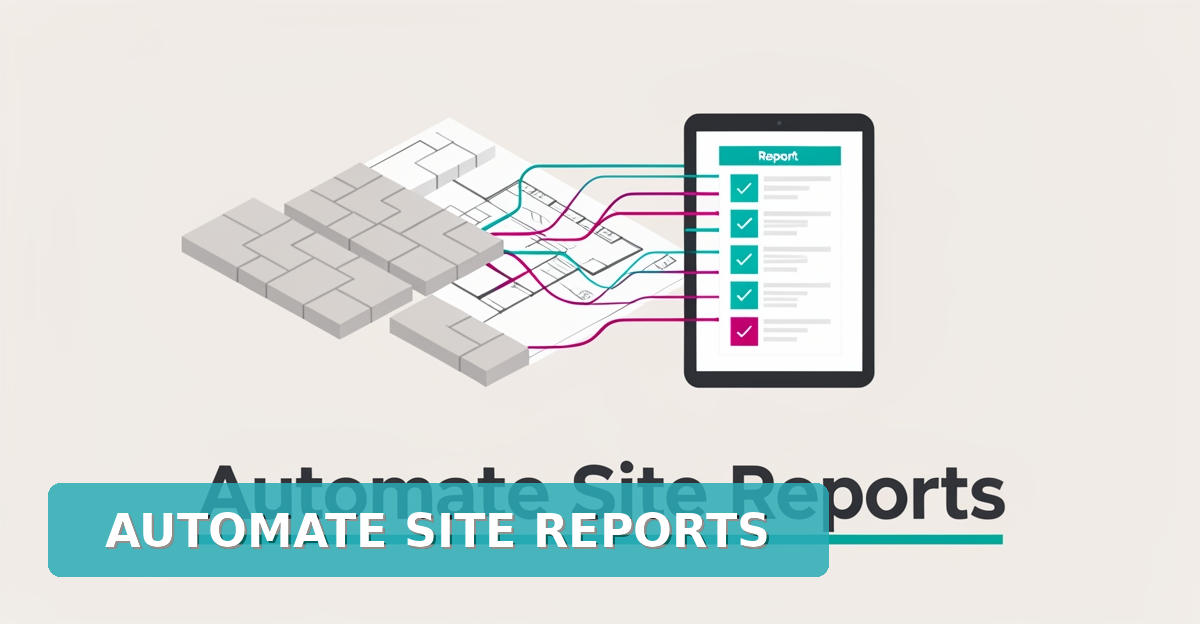
Hardscape firms face growing pressure to deliver accurate, timely site reports and compliance documentation without draining project teams. Manual documentation after each project stage consumes valuable hours that could be spent on design, installation, or client engagement. AI-powered documentation systems now capture real-time data from mobile check-ins, photos, and equipment logs, structuring it into standardized reports that meet regulatory and client requirements. As of late 2026, the majority of large organizations report having automated processes in at least one business function, demonstrating the shift toward efficiency-driven workflows. These systems reduce manual entry errors and ensure consistency across reports, which is critical for audit readiness in hardscape projects subject to municipal codes or environmental regulations.
By encoding repeatable, rule-based steps, such as material verification, safety inspections, or progress milestones, into AI-driven workflows, firms transform scattered notes into structured, actionable documentation. AIQ Labs supports this transition through AI Workflow Builds: we rebuild the one workflow that costs you the most, documentation, in this case, at a fixed price and in phases, so you see value before committing further. The system integrates with your existing project management tools, automatically generating compliance logs after each phase while maintaining a clear audit trail. This approach not only saves time but also strengthens client trust through transparent, verifiable reporting. As automation scales, hardscape firms gain the ability to redirect skilled labor toward high-value activities like creative design and complex installations, turning documentation from a bottleneck into a competitive advantage.
Implementing AI Documentation in Hardscape Workflows
Hardscape firms lose hours each week rebuilding the same site reports, progress updates, and compliance logs from field notes and photos. AI documentation changes that cycle by capturing project data in real time and turning it into audit-ready records after every stage.
Start by defining documentation scope with clear deliverables for each project phase. Identify which reports are repeatable and rule-based, such as daily site inspections, material deliveries, safety checks, and compliance sign-offs. This scoping step mirrors how successful workflow automation begins with repeatable processes, and it prevents AI from trying to document ambiguous work.
Next, connect field data collection to the documentation engine. Crews already capture photos, GPS stamps, and voice notes on mobile devices. An AI system ingests those inputs, extracts structured data, and drafts reports in the firm's format. Most large organizations have already automated processes in at least one business function as of late 2026, showing this approach is now mainstream rather than experimental.
Validation is critical before scaling. Review AI-generated reports for accuracy, readability, and regulatory alignment, then format them for client delivery and internal archives. The review loop ensures consistency and audit readiness while building trust with project managers and clients. True ownership of the system means firms control templates, data retention, and integrations rather than relying on subscription tools, this is why AIQ Labs builds systems you own outright.
Scale across project phases by expanding from pilot sites to full programs. Typical rollout steps include:
- Map documentation requirements per phase: mobilization, installation, inspections, closeout
- Integrate with existing field apps, CRM, and accounting for automatic data flow
- Train the model on firm-specific terminology, compliance forms, and client standards
- Establish human-in-the-loop checks for regulated compliance logs
AIQ Labs builds custom AI systems that capture and organize project data in real time, ensuring consistency and audit readiness for firms needing regulatory or client reporting standards. With 200+ multi-agent systems deployed, the implementation follows a structured discovery and architecture process, then development and integration with field tools, followed by deployment and training, delivered in milestones so you approve each phase before the next begins.
Market momentum supports adoption. As of late 2026, most large organizations use AI in at least one business function, what McKinsey has called complete mainstream adoption. The firms that lag on documentation automation are the ones still paying crews to retype field notes.
With the right scope, validation, and integrations, AI documentation reduces manual errors and frees crews to focus on build quality instead of paperwork.
Still paying for 10+ subscriptions that don’t talk to each other?
We build custom AI systems you own outright. No vendor lock-in. Full control.
Not sure where to start? Ask our AI planner
Frequently Asked Questions
How much time can AI actually save on hardscape project documentation?
What types of hardscape documentation can AI automate?
Do I need to replace my existing project management software to use AI documentation?
How accurate are AI-generated compliance reports for regulated hardscape projects?
How do I get started with AI documentation without disrupting current projects?
How is AIQ Labs different from off-the-shelf documentation tools?
Turn Paperwork Into Your Competitive Edge
The hours your team spends rebuilding site reports and compliance logs represent more than lost time, they represent missed opportunities to strengthen client relationships and grow your business. By automating documentation workflows, hardscape firms can capture the cost reductions that intelligent automation typically delivers, transforming scattered field notes into audit-ready records without adding administrative overhead. The path forward starts with identifying your most repetitive, rule-based documentation tasks, daily inspections, material deliveries, safety checks, and piloting AI systems that capture field data in real time. AIQ Labs specializes in building these documentation workflows for firms ready to own their technology outright, integrating seamlessly with your existing project management tools while maintaining the human oversight critical for regulatory compliance. Ready to reclaim those hours and redirect your crew's expertise toward higher-value work? Start with a two-minute Fit Check at aiqlabs.ai/apply, then schedule a free 30-minute strategy call at aiqlabs.ai/book to map your biggest documentation bottleneck and identify your highest-ROI automation opportunity.
Make AI your competitive advantage — not just another tool.
Strategy, implementation and ongoing optimization. One partner, end to end.
Not sure where to start? Ask our AI planner