AI for Seafood Packaging: How to Automate Labeling and Batch Tracking
Key Facts
- Industry analysts project sustained growth in seafood processing automation through 2033 as processors seek solutions to labor shortages and tightening compliance mandates.
- AI-driven vision systems inspect thousands of packages per hour, detecting smudges, misalignments, and missing data fields that human operators miss at line speed.
- AI-enhanced traceability can significantly shorten recall investigation time, a critical advantage in perishable goods logistics.
- Phased AI integration typically reaches full adoption faster than rip-and-replace strategies, because each stage delivers value without shutting down the line.
- Custom AI development eliminates vendor lock-in and escalating subscription fees while embedding your unique compliance logic directly into the automation layer.
- AIQ Labs' managed AI staff cost roughly 80% less than an equivalent human hire while working around the clock without missed calls or days off. Learn about AI Employees.
Hire a team member that works 24/7 — for less than a part-time wage.
AI receptionists, SDRs, dispatchers and 99+ roles. Trained on your business, fully managed.
Not sure where to start? Ask our AI planner
The Packaging Bottleneck: Labor, Errors and Traceability Risk
Seafood processors face a critical bottleneck on the packaging line, where manual labeling and batch tracking create costly inefficiencies. As demand for traceable, safe seafood rises, these labor-intensive processes are becoming unsustainable under pressure from workforce shortages and tightening regulations.
Industry analysts project continued strong growth in seafood processing automation through 2033, driven by the industry's struggle to scale operations amid a shrinking workforce and rising operational costs tied to manual handling. Processors that keep relying on manual checks are competing against facilities that document every package automatically.
Manual labeling introduces significant risks: misapplied labels, illegible print, and inconsistent data entry directly undermine traceability and invite regulatory penalties. Batch tracking errors compound these issues, making it difficult to isolate affected lots during recalls or verify sustainability claims across supply chains.
Food safety regulations now require end-to-end visibility from catch to consumer, placing pressure on processors to digitize records that were once kept on paper or in siloed systems. Without reliable automation, even small labeling mistakes can trigger costly recalls, damage brand reputation, and erode consumer trust in an increasingly scrutinized market.
AIQ Labs addresses this bottleneck by integrating computer vision and natural language processing into packaging lines to automate label verification and batch data capture. These systems cross-check printed information against ERP records in real time, flagging discrepancies before products leave the facility and ensuring every package meets compliance standards. This kind of targeted rebuild is exactly what AI Workflow Builds are designed for: fix the one workflow that costs you the most, at a fixed price, in phases.
By replacing manual checks with AI-driven validation, processors reduce human error, accelerate throughput, and build auditable trails that satisfy both regulators and retail partners. This shift not only mitigates risk but turns packaging into a source of operational intelligence, where every label scanned becomes a data point for continuous improvement.
How AI Automates Labeling Accuracy and Batch Traceability
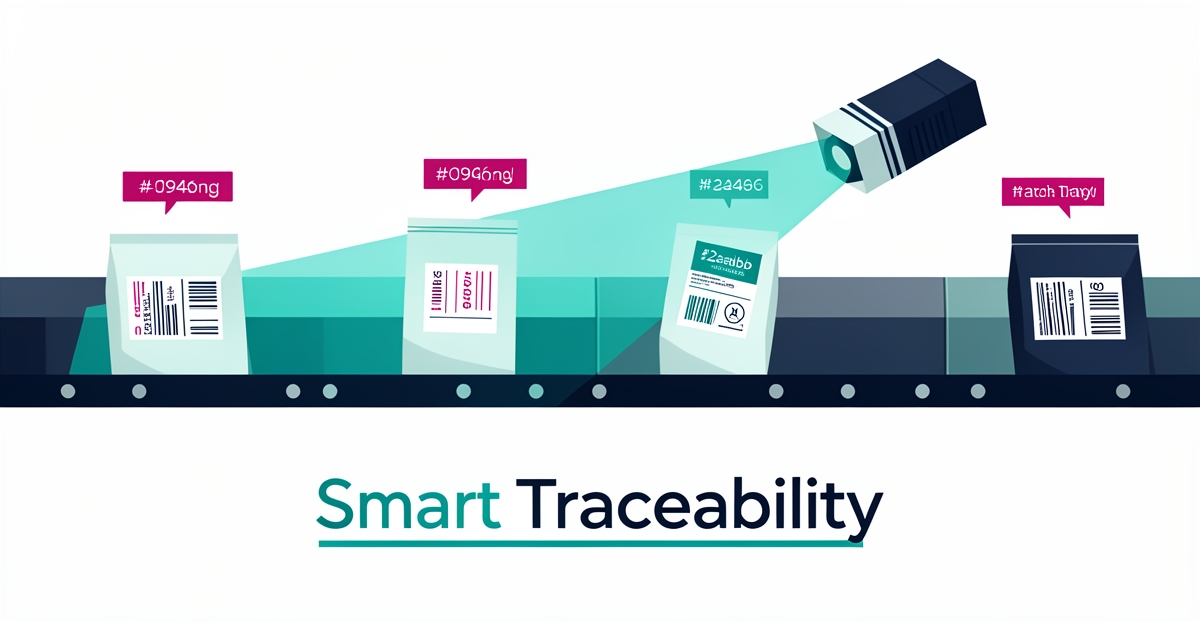
Seafood packaging lines move fast, and a single mislabeled case can trigger costly recalls or compliance penalties. AI-driven vision systems inspect every package in real time, catching defects that human operators miss at line speed.
Computer vision cameras paired with machine learning models verify label placement, barcode readability, and allergen declarations across thousands of units per hour. These systems compare each label against a digital master, flagging mismatches instantly and diverting faulty packages before they leave the facility. Robotic and vision automation is gaining traction in precision tasks like packaging and sorting, delivering consistency that manual inspection can't sustain over a full shift.
- Vision systems validate label accuracy at full production speed
- AI models detect smudges, misalignments, and missing data fields
- Automated rejection removes non-compliant packages from the line
- Digital records create an auditable trail for every batch
IoT-linked batch tracking ties each package to its origin, processing date, and cold-chain history. Sensors feed temperature, humidity, and handling data into a centralized ledger, enabling the one-up/one-down traceability that regulators and buyers demand. As food safety mandates tighten, these capabilities have shifted from nice-to-have to table stakes for processors scaling their operations.
AIQ Labs designs custom vision and tracking systems that integrate with existing ERP and MES platforms, so processors gain end-to-end visibility without ripping out legacy equipment. The result: fewer recalls, faster audits, and a packaging line that documents its own compliance.
From Line to ERP: Integrating AI Without Replacing Your Plant
Seafood processors face mounting pressure to improve traceability and reduce labeling errors without disrupting established workflows. AI integration offers a path forward that enhances existing systems rather than replacing them. Traceability consistently ranks among the top priorities for automation investment in the sector, directly linking AI-driven labeling and batch tracking to regulatory compliance and customer trust.
Implementation begins with a phased assessment of current packaging lines and ERP touchpoints, identifying where AI can add value without requiring line shutdowns. Custom vision systems are deployed at critical control points to verify label accuracy and capture batch data in real time, feeding information directly into existing MES and ERP platforms through secure API connections. This approach minimizes downtime while building a foundation for scalable automation, and processors typically see a meaningful drop in manual data entry errors during initial pilot phases. Seamless integration with legacy systems is consistently cited as the top concern for facilities considering AI adoption, which is why the integration plan matters as much as the AI itself.
AIQ Labs' custom development approach ensures processors retain full ownership of the AI models and integration logic built for their specific lines, avoiding vendor lock-in while enabling continuous optimization. The system learns from historical packaging data to improve defect detection rates over time, adapting to seasonal variations in product presentation without requiring retraining from scratch. Key integration touchpoints include barcode scanners, weight sensors, and ERP modules for inventory and shipping, creating a closed-loop traceability system that updates batch records automatically as products move through packaging. AI-enhanced traceability can also shorten recall investigation time substantially, a critical advantage in perishable goods logistics.
Deployment follows a milestone-based model where each phase delivers measurable value, starting with label verification at a single packaging station, expanding to batch tracking across multiple lines, and culminating in full ERP synchronization for real-time inventory and shipment tracking. Throughout the process, human operators retain oversight through dashboards that flag exceptions for review, maintaining the human-in-the-loop control essential for food safety compliance. This structured approach lets processors validate ROI at each stage before committing to the next, and facilities using phased integration typically reach full adoption faster than those attempting rip-and-replace strategies. For processors ready to connect the whole operation, not just packaging, AI Operating Systems build one connected layer across the business, in phases, owned outright.
Build vs Buy: Why Custom AI Wins for Seafood Operations
For seafood processors weighing automation options, the choice between off-the-shelf tools and custom-built AI isn't just about features, it's about long-term control and fit. Generic solutions often force workflows to bend around software limitations, creating workarounds that erode efficiency gains. In contrast, custom AI workflows are engineered to match the exact rhythms of your packaging line, from species-specific labeling rules to batch-tracking nuances tied to catch dates and storage conditions. This precision matters because seafood processing demands exacting traceability; even minor labeling errors can trigger costly recalls or regulatory penalties under frameworks like the FDA's Food Safety Modernization Act. Custom systems eliminate these risks by embedding your unique compliance logic directly into the automation layer.
AIQ Labs' approach rests on three entry points. First, AI Employees provide managed AI staff, receptionists, dispatchers, back-office roles and more, at roughly 80% less cost than a human hire, working 24/7 without fatigue while integrating with your existing systems. Second, AI Workflow Builds rebuild the one workflow that costs you the most, like label verification or batch-log updates, at a fixed price, in phases. Third, AI Operating Systems connect everything into one operating layer your business owns outright. This end-to-end model means you're not just buying software, you're acquiring an asset that appreciates with use.
Payment flexibility aligns with the realities of processing operations. The Start Monthly model lets you begin with a single AI employee focused on labeling accuracy for a fraction of the cost of a part-time hire, including setup, training, and ongoing optimization. Build in Milestones breaks larger projects, like end-to-end batch tracking, into approvable phases, so you pay only for delivered functionality and retain everything built if priorities shift. For processors seeking full control, Own It Outright delivers complete code and data ownership upon completion. No fake prices, no invented numbers, just a clear structure on the pricing page. With automation adoption accelerating fastest in regions with strict food safety rules, custom solutions that embed compliance logic are becoming essential for North American and European processors aiming to scale. Robotic and digital automation is gaining traction specifically for precision tasks like packaging, where AI-driven vision systems reduce mislabeling by catching subtle errors humans overlook during high-speed runs. By owning the AI that powers these capabilities, seafood businesses turn a cost center into a traceability advantage, one audit, recall, or customer trust point at a time.
Still paying for 10+ subscriptions that don’t talk to each other?
We build custom AI systems you own outright. No vendor lock-in. Full control.
Not sure where to start? Ask our AI planner
Frequently Asked Questions
How does AI actually make seafood labeling more accurate on a fast packaging line?
Can we add AI tracking without ripping out our existing ERP or MES?
Is the seafood automation market really growing that fast?
Will AI integration actually reduce our manual data entry errors?
How much time does AI save on recalls and audits?
What do most seafood processors worry about with AI adoption?
Turn Packaging Lines into Traceability Assets
Manual labeling and batch tracking don't just slow seafood processors down, they create recall exposure, audit stress, and data gaps that are harder to justify as traceability expectations rise. AI-driven vision and tracking change that equation by verifying labels at line speed, catching errors before products ship, and tying every batch to a digital record your team can actually trust. Just as importantly, integration does not have to mean ripping out your plant floor; phased deployment can connect packaging events directly to ERP and MES systems while preserving human oversight where it matters. The processors that act now will be better positioned to reduce risk, protect margins, and scale with confidence. If you're weighing where to start, AIQ Labs can help you assess the highest-ROI automation point in your packaging workflow. Start with the two-minute Fit Check at https://aiqlabs.ai/apply, or book a free 30-minute strategy call at https://aiqlabs.ai/book to see whether there's a clear win worth building. Prefer email? Reach the team at [email protected].
Make AI your competitive advantage — not just another tool.
Strategy, implementation and ongoing optimization. One partner, end to end.
Not sure where to start? Ask our AI planner