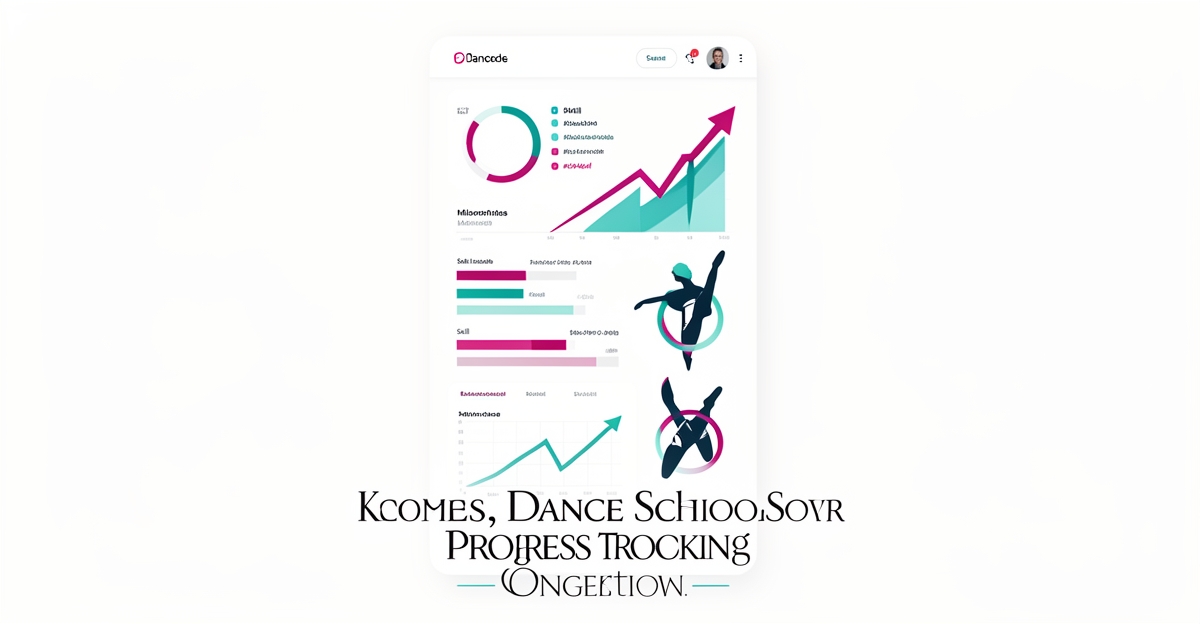
AI for Student Progress Tracking: A Step-by-Step Guide for Dance Schools
Key Facts
- Milestone-based tracking creates visual progress bars that education research consistently identifies as essential for maintaining student momentum
- AI-powered dashboards enable real-time reporting of attendance, skill development, and performance metrics for instructors and parents
- Trustworthy AI principles, fairness, reliability, privacy, transparency, and accountability, should guide any student progress tracking system
- Custom AI systems integrate with existing student records to create unified dashboards that track progress across studio, home, and mobile practice
- Automated check-ins celebrate progress with certificates and badges that serve as tangible proof of advancement and powerful motivators
Hire a team member that works 24/7 — for less than a part-time wage.
AI receptionists, SDRs, dispatchers and 99+ roles. Trained on your business, fully managed.
Not sure where to start? Ask our AI planner
The Problem: Why Manual Progress Tracking Fails Dance Schools
Dance schools relying on attendance sheets and subjective skill assessments often miss critical engagement patterns that signal student growth or struggle. Manual tracking creates administrative bottlenecks, pulling instructors away from teaching to manage paperwork and inconsistent evaluations. This lack of objective data leaves parents without clear visibility into their child's development, weakening trust and engagement.
The market for AI tools that monitor student progress has grown substantially, which highlights the need for systematic tracking beyond basic attendance. Traditional methods fail to capture subtle indicators like time spent practicing specific techniques or incremental skill improvements that AI systems can detect through continuous monitoring.
Without real-time insights, dance schools struggle to identify at-risk students early or personalize instruction effectively. Manual processes also hinder the creation of meaningful progress visualizations that motivate students and inform parents. As noted in educational research, effective tracking requires milestone-based systems that map progress to learning objectives, something paper-based methods cannot achieve consistently.
The consequence is clear: students disengage when they don't see their advancement, instructors burn out from administrative overload, and schools lose retention opportunities due to opaque progress communication. Dance schools need tracking that evolves with their students, not systems that fall behind.
The Solution: Core Components of AI-Powered Progress Tracking
Effective progress tracking in dance schools stops being guesswork when AI turns scattered observations into clear, actionable patterns. Instructors can see not just who showed up, but how skills are forming and where motivation is slipping.
Milestone-based progression creates the backbone for measurable growth. For dance, this translates to choreography mastery checkpoints, technique level upgrades, and recital readiness markers mapped to learning objectives. Students see advancement as completion percentages and visual progress bars, which research describes as essential for maintaining momentum.
Competency assessments add qualitative depth to quantitative milestones. AI systems capture skill demonstrations through performance evaluations, technique videos, and instructor ratings over time. Building these assessments backwards from desired outcomes ensures each checkpoint aligns with curriculum goals. Real-time dashboards make these insights visible to instructors and parents without manual reporting.
Engagement metrics reveal the habits that drive mastery. Systems track attendance patterns, practice time logged, video watch time for instructional content, and assignment submissions for choreography work. Multi-device applications allow seamless tracking across studio, home, and mobile practice. When engagement dips, automated check-ins can celebrate progress or gently encourage continued participation.
Together these three pillars enable adaptive learning paths that adjust to each student's pace. When a dancer accelerates through technique levels, the system offers advanced combinations. When a student struggles, it suggests review materials and additional resources.
Core components work best when integrated:
- Milestone tracking for choreography completion and technique certification
- Competency assessments via skill demonstrations and performance evaluations
- Engagement metrics including attendance patterns and practice time
- Real-time dashboards for instructors and parents with visual progress indicators
This approach mirrors how AI-powered dashboards can track attendance, skill development, and performance over time. AIQ Labs builds custom AI systems that integrate with student records and provide real-time reporting tools, supporting dance schools that want owned infrastructure rather than subscription sprawl. Security and governance remain central, with Trustworthy AI principles guiding privacy and data handling for sensitive student information.
Step-by-Step Implementation: From Planning to Launch
Implementing an AI-powered student progress tracking system requires a structured approach that balances technical capabilities with educational objectives. A Plan, Approach, Test, Hone methodology helps dance schools deploy tracking systems that genuinely serve students, instructors, and parents.
The planning phase begins with defining key progress indicators specific to dance education. Effective systems rely on three core components: milestone tracking, competency assessments, and engagement metrics. For dance schools, this translates to measurable indicators like skill mastery levels across techniques, performance quality assessments, attendance patterns, and choreography completion rates.
Your approach should map major milestones into measurable components that align with your curriculum. Working backwards from desired outcomes helps identify the necessary checkpoints. Consider these essential metrics:
- Technical skill progression across dance styles and difficulty levels
- Attendance consistency and class participation rates
- Performance quality assessments from recitals and evaluations
- Engagement metrics including practice time and assignment completion
- Parent and student satisfaction scores from regular feedback
The testing phase involves creating visual dashboards that display progress through both percentages and visual elements like progress bars. Students need to see advancement in meaningful ways that maintain motivation. Your system should prominently display this information when students or parents log in, making progress immediately visible and understandable.
Automated check-ins form the backbone of consistent engagement. Set up triggers that activate when students complete major milestones or show signs of disengagement. These automated messages should celebrate achievements or gently encourage continued participation. Research shows that celebration moments, automatic certificates, badges, or recognition, serve as tangible proof of progress and powerful motivators for continued effort.
Building feedback loops ensures your system evolves with actual user needs. After each module or performance period, gather input through quick surveys that capture student and parent experiences. This qualitative data complements quantitative metrics and reveals friction points that numbers alone might miss.
The honing phase requires regular analysis of tracking data to identify patterns. Look for common sticking points where students consistently struggle or disengage. Current education guidance emphasizes balancing innovation with security, ensuring that your tracking system protects sensitive student data while delivering insights. Implement Trustworthy AI principles, fairness, reliability, privacy, transparency, and accountability, throughout your system architecture.
Dance schools today face a complex landscape of off-the-shelf options. AIQ Labs builds custom AI systems that integrate directly with your existing student records, creating unified dashboards that track attendance, skill development, and performance metrics in real time. This tailored approach ensures your tracking system reflects your school's unique curriculum and values rather than forcing you into generic templates.
As your students grow and develop, your tracking system must adapt alongside them. Regular refinement based on actual usage patterns ensures the system remains relevant and continues supporting meaningful progress measurement across all skill levels.
Protecting Student Data: Security and Governance Essentials
Student performance data is sensitive, and dance schools that track attendance, skill development, and performance over time with AI-powered dashboards must protect that information from the start.
Modern AI education tools provide sophisticated capabilities for monitoring student advancement, and the market reflects that demand. As of late 2026, the number of tools and automation builders shaping this space continues to grow. That scale increases the need for clear governance before data is collected.
Trustworthy AI principles provide the foundation. Current education guidance emphasizes balancing innovation with security, centering fairness, reliability and safety, privacy and security, inclusiveness, transparency, and accountability as central to successful AI implementation in educational settings. For dance schools, this means systems that assess technique mastery and recital readiness without bias, and that explain how insights are generated to instructors and parents.
Privacy and security concerns are practical, not theoretical. Educational institutions handle vast amounts of sensitive student data, including performance records, attendance information, and personal identifiers. Compliance requirements such as FERPA in the United States require that only authorized personnel can view sensitive student information and that access is logged and auditable.
Secure data management practices that protect sensitive information while maintaining system effectiveness include:
- Access controls with role-based permissions for instructors, administrators, and parents, ensuring data minimization for each role
- Centralized security posture management for AI use, with ready-to-implement policies to protect data and assessments to identify potential oversharing
- Audit trails and documentation for all data access and model decisions, supporting accountability and transparency
- Human-in-the-loop controls for critical decisions about student placement or advancement
AIQ Labs builds custom AI systems that integrate with student records and provide real-time reporting tools, and the same governance mindset applies to dance school deployments. Architecture planning should include intuitive UI/UX design and performance optimization for multi-device access, but also encryption in transit and at rest, regular security assessments, and clear data retention policies.
Progress tracking should remain a student's GPS, helping them know where they are and what lies ahead. That orientation is crucial for maintaining momentum, especially when sharing insights with parents. When security and governance are designed in from the start, schools can deliver personalized learning experiences that adapt to individual student needs while meeting the Trustworthy AI standards that protect learners and maintain trust.
Building Your Custom Solution with AIQ Labs
Generic student progress platforms force dance schools to adapt their teaching to the software. A custom AI system built around your existing student records lets attendance, skill development, and performance live in one owned environment.
Dance schools need more than off-the-shelf tracking. Most available tools are built for generic classrooms and create data silos. AIQ Labs designs custom AI systems that integrate directly with your current records and provide real-time reporting tools for instructors and parents.
The Build in Milestones approach mirrors how dance training itself progresses. You start with a focused workflow, prove value, then expand. This phased delivery reduces risk while keeping full ownership of the code, agents, and data, with no vendor lock-in.
A typical milestone path for a dance school can include:
- Attendance and engagement tracking integrated with class schedules and student records
- Skill milestone mapping for technique mastery, choreography completion, and performance assessments
- AI-powered dashboards for real-time progress visibility shared with instructors and parents
- Performance analytics and adaptive recommendations that evolve with each student
Milestone-based tracking is central to effective progress systems. Effective systems rely on milestone tracking, competency assessments, and engagement metrics working together. For dance, milestones can include completing specific choreography sequences, mastering techniques, or performing in recitals.
Security and governance are built in from the start. Current education guidance emphasizes balancing innovation with security using Trustworthy AI principles of fairness, reliability, privacy and security, inclusiveness, transparency, and accountability. Institutions must design a strategy that balances innovation and security as AI capabilities expand.
Custom development also ensures seamless cross-platform use. High-performance, multi-device learning applications require architecture planning and intuitive UI/UX design. That means tracking works whether students practice at home, attend class, or prepare for performances.
With Build in Milestones, you approve and pay for each phase as it ships, stop anytime, and keep everything built so far. You maintain true ownership of the system, enterprise-grade security, and real-time reporting that grows with your school.
Turning Student Growth Into Your School's Competitive Edge
AI-powered progress tracking transforms dance education from guesswork into measurable growth, giving instructors real-time insights into skill mastery, engagement patterns, and personalized learning paths while building parent trust through transparent, visual progress sharing. By implementing milestone-based tracking, competency assessments, and engagement metrics, dance schools can identify at-risk students early, reduce instructor administrative burden, and create motivating feedback loops that improve retention. For schools ready to move beyond manual systems and generic platforms, the path forward begins with defining your unique progress indicators and exploring how a custom AI solution can integrate seamlessly with your existing records. Take the first step toward owning your student growth insights, complete the 2-minute Fit Check and book a free 30-minute strategy call to see how AIQ Labs can help you build a system that evolves with your dancers and strengthens your school's foundation.
Make AI your competitive advantage — not just another tool.
Strategy, implementation and ongoing optimization. One partner, end to end.
Not sure where to start? Ask our AI planner