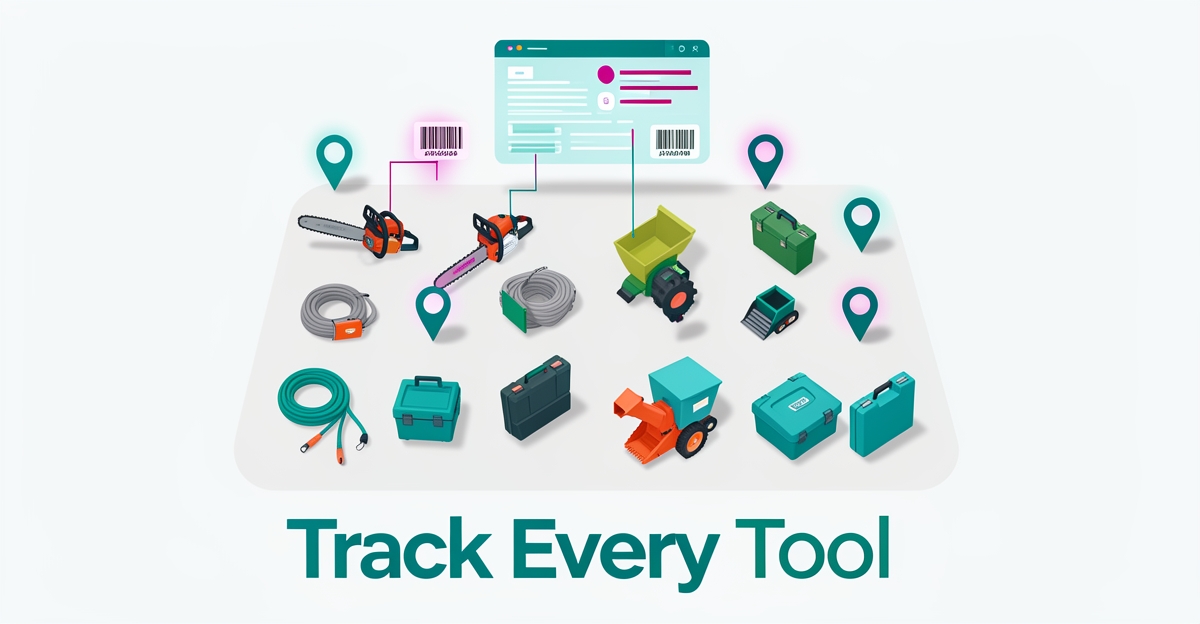
AI for Tree Service Inventory: How to Automatically Track Equipment & Tools
Key Facts
- A single misplaced chainsaw or rigging kit can idle an entire crew, force emergency rentals, and erase a job's profit margin.
- Barcode scans, GPS logs, and technician check-ins create an AI-ready data foundation that turns reactive tool hunting into proactive planning.
- Dispatch-aware inventory tracking automatically flags overdue equipment before crews idle, closing the gap between office planning and field execution.
- Industry analyses of AI inventory management consistently report meaningful cost reductions and efficiency gains, with implementations often paying for themselves within the first year or two.
- Tree mapping software provides better visibility into properties before work begins, supporting more accurate scoping during estimating.
- AIQ Labs has deployed 200+ multi-agent systems and runs 4 live SaaS products daily, the same operational experience goes into every inventory build.
Hire a team member that works 24/7 — for less than a part-time wage.
AI receptionists, SDRs, dispatchers and 99+ roles. Trained on your business, fully managed.
Not sure where to start? Ask our AI planner
The Hidden Cost of Lost Tools in Tree Service Operations
A misplaced chainsaw or missing climbing harness doesn't just slow a crew down, it halts an entire job site, burns billable hours, and forces expensive last-minute replacements. Equipment loss compounds silently until it becomes a crisis. Every tree service owner knows the pattern: the costs don't show up on a single invoice, they accumulate across dozens of small disruptions.
- Crews idling on-site while supervisors hunt for specialized rigging gear
- Emergency rental fees that erase a job's profit margin
- Duplicate purchases of tools already owned but unaccounted for
- Safety compliance gaps when inspected equipment can't be located
- Dispatch delays from uncertainty about which truck carries what kit
AI-powered inventory management systems address this by predicting demand, identifying at-risk assets, and guiding smarter procurement decisions before shortages hit the field. These platforms detect usage spikes and slowdowns earlier than manual counts, helping avoid stockouts while limiting excess buildup. The same principle applies to tree service operations, knowing exactly which chipper, pole saw, or rope kit sits on which truck transforms reactive scrambling into proactive planning. AIQ Labs builds custom inventory systems that sync with dispatch platforms, using barcode scans, GPS logs, and technician check-ins to create a living equipment ledger, so the right tool is always on the right truck at the right time. If you'd rather start with the workflow that costs you the most, a fixed-price AI Workflow Build rebuilds it in phases, with pricing you can see up front at /pricing.
How AI-Powered Inventory Tracking Reduces Loss and Downtime
AI-powered inventory tracking transforms how tree service companies manage their equipment by combining barcode scans, GPS logs, and technician check-ins to create a real-time system of accountability. This approach prevents tools from going missing between job sites and ensures crews have what they need when they arrive, directly reducing costly delays. Businesses using AI-driven inventory optimization typically report meaningful efficiency gains by eliminating understocking and preventing obsolete parts from tying up capital.
The system works by automatically logging every tool movement, from warehouse to truck to job site and back, creating an auditable trail that discourages misplacement and enables instant location tracking. When a chainsaw or stump grinder isn't checked in after a job, the platform flags it immediately, triggering alerts to supervisors before the next dispatch. This level of visibility cuts down on the time technicians spend searching for equipment, which can quietly consume a significant portion of the workday. AI-powered systems detect inventory discrepancies earlier than manual processes, helping avoid both stockouts and unnecessary over-purchasing.
- Real-time GPS tracking shows exact tool locations across all job sites and vehicles
- Barcode scans at check-in/check-out create immutable usage logs for accountability
- Automated alerts notify managers when equipment is overdue or missing from assigned locations
- Historical data identifies patterns of loss or misuse for targeted process improvements
- Integration with dispatch platforms ensures the right tools are pre-loaded for each job type
For tree service companies, these capabilities mean less money wasted on replacing lost tools and more budget available for preventive maintenance or fleet upgrades. AIQ Labs builds custom tracking systems that sync with existing dispatch software, turning inventory management from a reactive chore into a proactive advantage that keeps crews productive and equipment where it belongs. For companies that want inventory as part of a broader connected operation, an AI Operating System builds one operating layer across the whole business, in phases, owned outright.
Implementing AI Inventory Tracking That Syncs with Your Dispatch Workflow
Equipment loss is the silent profit leak in tree services, with tools disappearing between jobs and dispatch unaware until a crew is idle.
A practical AI inventory rollout starts with connecting the physical tools to the workday. Barcode scans, GPS logs, and technician check-ins create a unified, AI-ready data foundation that links each asset to a job, a truck, and a person. Inventory management practitioners consistently stress that a unified data foundation, diagnosis, collection, annotation, and cleaning, is essential before AI can deliver reliable results.
Integration with dispatch is what turns tracking into accountability. When an AI inventory system syncs with dispatch platforms, tools are automatically assigned at job start and flagged overdue at job close. That real-time visibility reduces downtime and improves tool accountability, the core problem AI-powered inventory tracking is designed to solve for field service businesses.
Overdue alerts and technician accountability are configured as automated workflows. The system monitors check-in and check-out events, compares them to scheduled dispatch, and triggers alerts when equipment is missing or late. This closes the gap between office planning and field execution and prevents the stockouts and excess buildup that AI-powered inventory management systems are built to avoid.
Tree mapping and estimating data can reinforce the process. Tree mapping software provides better visibility into the property before work begins, and mapped data supports more accurate scoping during estimating. When that context feeds inventory planning, crews arrive with the right equipment for access needs and service requirements.
The implementation approach AIQ Labs uses for field service businesses mirrors this workflow. It begins with data unification, then builds custom AI agents that monitor inventory events and sync with existing dispatch and field tools. The result is dispatch-aware inventory tracking that alerts managers before a missing chainsaw or chipper delays a job. Payment is straightforward: start monthly, build in milestones, or own the system outright, no invented case-study numbers, just a fixed price for a defined scope.
A practical deployment sequence includes:
- Audit current tools, trucks, and dispatch records to create a clean asset register
- Connect barcode or RFID scans and GPS logs to job assignments in dispatch
- Set up automated overdue alerts and technician check-in reminders
- Establish accountability rules and escalation paths for missing equipment
With these steps in place, inventory tracking becomes an active part of daily operations rather than a monthly reconciliation. Teams know where tools are, dispatch knows what's available, and downtime from misplaced equipment declines.
Still paying for 10+ subscriptions that don’t talk to each other?
We build custom AI systems you own outright. No vendor lock-in. Full control.
Not sure where to start? Ask our AI planner
Frequently Asked Questions
How does AI inventory tracking actually work for tree service companies?
What kind of ROI can tree service companies expect from AI inventory management?
Does AI inventory tracking integrate with existing dispatch software?
How much does equipment loss actually cost tree service businesses?
What's the biggest challenge in implementing AI inventory tracking?
Can AI inventory systems prevent stockouts and over-purchasing at the same time?
Turn Equipment Chaos into Competitive Advantage
AI-powered inventory tracking transforms a hidden profit leak into a measurable gain by giving tree service companies real-time visibility into every tool, truck, and job site. Misplaced equipment doesn't just slow crews, it burns billable hours, triggers costly replacements, and creates safety risks. By syncing barcode scans, GPS logs, and technician check-ins with dispatch platforms, businesses stop paying twice for gear they already own and keep crews productive. The path forward starts with auditing your current assets, connecting physical tools to your workflow, and setting up automated alerts that prevent downtime before it happens. To see how this applies to your operation, start with the 2-minute Fit Check at aiqlabs.ai/apply, then book a free 30-minute strategy call, we'll map your biggest bottleneck and identify where a custom inventory system pays off fastest. No obligation, just clarity. You can also reach the team directly at [email protected].
Make AI your competitive advantage — not just another tool.
Strategy, implementation and ongoing optimization. One partner, end to end.
Not sure where to start? Ask our AI planner