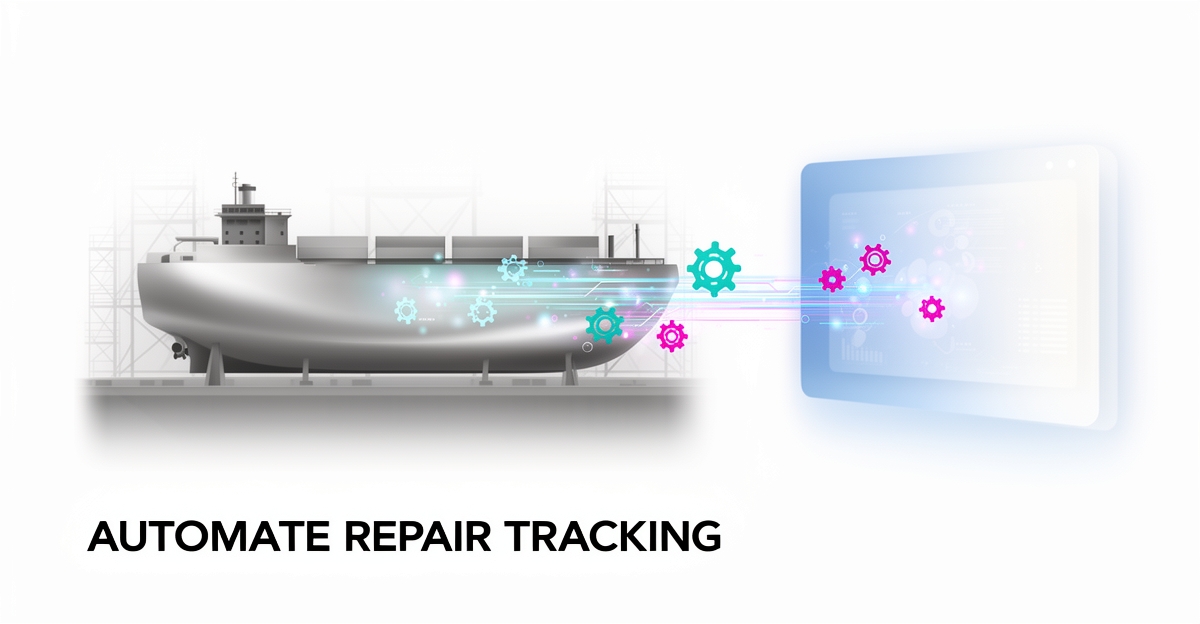
AI for Vessel Maintenance Logs: How Marine Contractors Can Automate Repair Tracking
Key Facts
- Emergency repairs typically cost several times more than planned interventions, making reactive maintenance one of the most expensive habits in marine operations
- Industry studies of AI-driven predictive maintenance consistently report meaningful reductions in unplanned downtime and maintenance costs, though exact figures vary by fleet and implementation
- Manual logging introduces errors at every handoff, missed readings, delayed entries, and incomplete histories that degrade every downstream scheduling decision
- AIQ Labs has deployed 200+ multi-agent systems and runs 4 live SaaS products daily, applying that operational experience to custom maintenance automation builds
Hire a team member that works 24/7 — for less than a part-time wage.
AI receptionists, SDRs, dispatchers and 99+ roles. Trained on your business, fully managed.
Not sure where to start? Ask our AI planner
The Hidden Cost of Manual Vessel Maintenance Logging
Marine contractors know the rhythm all too well: a vessel returns from a job, the crew scribbles notes on a clipboard, someone transcribes them into a spreadsheet days later, and a critical repair slips through the cracks. That lag between event and record isn't just administrative friction, it's a direct line to unplanned downtime and inflated costs.
Manual logging introduces errors at every handoff. A missed oil analysis, a misrecorded hour-meter reading, a forgotten classification code, each one degrades the data that scheduling decisions rely on. When maintenance teams operate on incomplete or inaccurate histories, they default to reactive fixes. Emergency repairs typically cost several times more than planned interventions, and the ripple effect stalls entire fleets. Every day a vessel sits idle waiting on an unplanned fix is a day it isn't billing.
The financial bleed extends beyond repair bills. Calendar-based schedules ignore actual equipment condition, so crews service machinery that doesn't need it and miss the machinery that does. Industry studies of AI-driven predictive maintenance consistently report meaningful reductions in unplanned downtime and maintenance costs, the gap between reactive and proactive operations is real, and manual processes cannot close it.
- Data entry errors that distort maintenance histories and trigger unnecessary work
- Delayed logging that pushes critical repairs past safe operating windows
- Inability to correlate sensor trends with past failures across the fleet
- Scheduling conflicts that leave vessels idle while shops scramble for parts
- Compliance gaps from incomplete records during audits or inspections
AIQ Labs builds custom AI agents that ingest sensor feeds, historical logs, and work orders, then categorize, timestamp, and sync every record directly into the fleet management system without human transcription. The result is a living maintenance ledger that fuels proactive scheduling instead of chasing breakdowns. For contractors who want to start smaller, a single AI Workflow Build can rebuild the one logging workflow that costs the most, at a fixed price, in phases.
How AI Transforms Maintenance Logs into Proactive Intelligence
Vessel maintenance logs have shifted from paper binders and manual entries to living data streams that can flag failure before it happens. AI-powered systems capture sensor inputs in real time, categorize work automatically, and turn fragmented records into proactive intelligence for marine contractors.
Sensor networks feed continuous equipment conditions into cloud platforms where AI models detect early degradation patterns. That shift from reactive repairs to early intervention is the core of proactive maintenance: instead of waiting for a bearing to seize, the system flags the vibration trend weeks out and schedules the fix inside an existing service window.
Automation removes manual entry errors and ensures logs stay complete across a fleet. AI agents sync with fleet management systems to provide real-time alerts and maintenance forecasts, categorizing records by asset, fault type, and priority without human tagging. The result is fewer unplanned failures and timely service scheduling that fits actual operations.
When alerts include actionable recommendations rather than raw data, crews bundle repairs into planned windows and avoid extra downtime. Prediction alone doesn't move the needle, adoption does. Systems that fit how shops actually work deliver measurable impact.
- Real-time data collection from vessel sensors and monitoring systems
- Cloud-based processing and AI-driven categorization of maintenance records
- Automated scheduling and alert systems tied to existing fleet management workflows
- Predictive forecasts that recommend when and how to address issues before failure
Marine contractors benefit when AI handles logging, categorization, and tracking while crews focus on execution. The technology stack typically combines IoT sensors, cloud data pipelines, and models trained on historical logs and repairs to forecast needs with precision.
AIQ Labs develops custom AI agents that sync with fleet management systems, providing real-time alerts and maintenance forecasts while reducing manual entry errors and ensuring timely service scheduling. This approach supports the broader goal of workflow and task automation that creates reliable, owned operational assets, systems you own outright rather than rent. For contractors who want managed AI staff handling dispatch, intake, and follow-up alongside maintenance tracking, AI Employees cover 99+ roles at a fraction of a human hire's cost.
Adoption remains the product. When prediction aligns with people and process, maintenance moves from disruption to advantage.
Implementation: Integrating AI Agents with Fleet Management Workflows
Implementing AI maintenance agents requires more than just installing sensors, it demands careful alignment with existing fleet workflows to ensure adoption and minimize disruption. The process begins with deploying IoT sensors on critical vessel components to collect real-time data on temperature, vibration, and pressure, forming the foundation for predictive insights. This data flows into a cloud-based pipeline where it is cleaned, normalized, and prepared for AI analysis, a step widely regarded as essential for model accuracy in industrial environments. Historical maintenance logs are then labeled to train models that recognize early signs of degradation, enabling the system to forecast issues before they lead to failure.
Once trained, the AI agent integrates with the fleet's CMMS or asset management platform to automate work order generation and scheduling. Rather than generating isolated alerts, the system recommends maintenance actions that align with planned downtime, such as bundling repairs during existing service windows, to avoid operational disruption. This workflow integration is critical: successful implementations make the fix fit into how fleet operations actually work, turning prediction into practical action. AIQ Labs supports this phase by building custom integrations that connect AI agents directly to existing tools, ensuring seamless data flow and minimizing manual intervention.
To sustain performance, the system includes validation protocols that test model precision and recall against unseen data, ensuring reliability across varying operating conditions. Dashboards provide real-time visibility into equipment health and upcoming maintenance needs, enabling proactive decision-making. Throughout deployment, change management and user training help crews adapt to new procedures, reinforcing trust in the system's recommendations. By embedding AI into established routines rather than layering it on top, marine contractors can achieve measurable reductions in unplanned failures and extend asset lifespans, outcomes consistently observed in organizations that prioritize workflow alignment over technology alone. For operations ready to connect maintenance, dispatch, scheduling, and reporting into one layer, an AI Operating System ties it together in phases, owned outright.
Still paying for 10+ subscriptions that don’t talk to each other?
We build custom AI systems you own outright. No vendor lock-in. Full control.
Not sure where to start? Ask our AI planner
Frequently Asked Questions
How much can AI actually reduce vessel maintenance costs and downtime?
What's the real difference between manual logging and AI-powered maintenance tracking?
Will AI maintenance alerts actually fit into our existing fleet operations?
What kind of results are organizations actually seeing with AI predictive maintenance?
How does AIQ Labs approach vessel maintenance automation differently?
What's involved in implementing AI for vessel maintenance logs?
From Reactive Repairs to Predictive Control
The shift from manual logging to AI-driven maintenance isn't just an operational upgrade, it changes how marine contractors protect their fleets and margins. By replacing error-prone clipboards with intelligent agents that sync directly with fleet management systems, contractors can finally close the gap between data collection and decisive action. The result is fewer emergency repairs, tighter compliance, and vessels that spend more time generating revenue than sitting in dry dock. AIQ Labs builds custom AI agents that integrate into existing workflows, transforming maintenance logs from administrative burdens into strategic assets. If you're ready to move from reactive fixes to predictive control, start with the two-minute Fit Check at https://aiqlabs.ai/apply or book a free 30-minute strategy call to map your highest-ROI automation opportunity. Every season you stay reactive, the unplanned-repair premium keeps compounding, the question is whether your fleet leads or follows.
Make AI your competitive advantage — not just another tool.
Strategy, implementation and ongoing optimization. One partner, end to end.
Not sure where to start? Ask our AI planner