AI-Powered Attendance Systems: How Preschools Can Reduce Errors and Improve Accuracy
Key Facts
- Teacher workload is widely cited in industry surveys as a leading reason educators consider leaving the profession early.
- U.S. projections have pointed to significant teacher shortages over the coming decade, making staff time especially valuable.
- Automating routine administrative tasks can return several hours per week to each educator.
- Manual sign-in sheets risk illegible handwriting during emergency evacuations.
- AI attendance systems cross-reference calendars in real time to flag true absences.
Hire a team member that works 24/7 — for less than a part-time wage.
AI receptionists, SDRs, dispatchers and 99+ roles. Trained on your business, fully managed.
Not sure where to start? Ask our AI planner
The Hidden Cost of Manual Attendance Tracking in Preschools
Every morning, as parents rush to drop off their children, preschool administrators face a hidden problem: manual attendance tracking that drains time, invites errors, and compromises safety. What seems like a simple sign-in sheet on a clipboard is actually a significant operational burden that ripples through every aspect of early childhood education.
The human cost of these manual processes is real. Industry surveys consistently cite workload as a primary reason teachers consider leaving the profession sooner than planned. When educators spend precious minutes each morning deciphering illegible handwriting, cross-referencing paper forms with class rosters, and manually entering data into spreadsheets, they lose valuable time that should be spent on instruction and child development.
Staffing pressures compound this problem. With ongoing teacher shortages projected across the U.S. in the coming years, preschools cannot afford to have their existing staff buried in administrative busywork. Every hour spent on manual attendance reconciliation is an hour taken away from curriculum planning, parent communication, or much-needed breaks that prevent burnout.
Manual attendance tracking introduces multiple points of failure that put children at risk and centers at compliance odds:
- Illegible handwriting on sign-in sheets creates ambiguity during emergency evacuations when every second counts
- Forgotten sign-outs leave gaps in child safety records and create liability exposure
- Transcription errors when transferring paper records to digital systems distort compliance reporting
- Delayed absence detection means staff may not immediately notice when a child is missing or unaccounted for
These seemingly small errors accumulate into serious compliance risks. State licensing requirements demand precise attendance records, yet manual systems make it nearly impossible to guarantee accuracy. When auditors request documentation or when a parent disputes a pickup time, preschool directors often find themselves reconstructing events from incomplete or conflicting paper trails.
The productivity drain extends beyond the classroom. Office staff spend hours each week chasing down missing signatures, correcting data entry mistakes, and reconciling discrepancies between different tracking systems. Automating routine administrative workflows can return several hours per week to educators, time currently consumed by these exact tasks.
Forward-thinking preschools are recognizing that manual attendance tracking is not just inefficient; it is a structural vulnerability. By automating sign-ins and cross-referencing entries with school calendars in real-time, as AIQ Labs implements through fixed-price workflow builds, centers can eliminate these hidden costs while creating a safer, more compliant environment for children and staff alike.
How AI Eliminates Attendance Errors Through Automation and Integration
Preschools often face challenges with manual attendance tracking, where simple mistakes can lead to inaccurate records and safety concerns. AI-powered systems eliminate these risks by automating the entire process, from sign-in to absence alerts, ensuring every child's presence is recorded correctly and in real time.
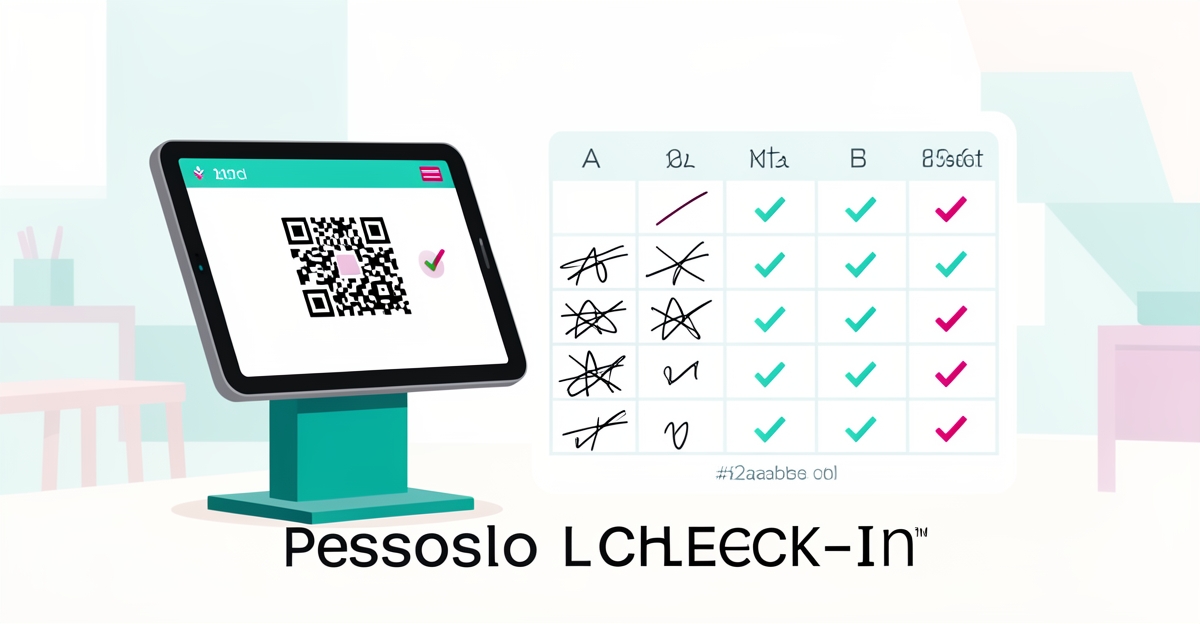
By replacing paper sheets or manual digital entries with automated check-ins, such as QR code scans or PIN-based kiosks, these systems remove the most common source of human error. Studies of AI applications suggest automation can meaningfully boost productivity on routine administrative tasks, a gain that directly applies to reducing the time staff spend on attendance logging while improving accuracy. IBM's overview of artificial intelligence describes how AI systems handle repetitive data tasks with consistent precision, cutting down on mistakes caused by fatigue or distraction.
These systems go beyond simple logging by continuously cross-referencing attendance data with school calendars, holidays, and scheduled events. When a child is marked absent, the AI instantly checks whether the absence aligns with a known closure, teacher workday, or scheduled break, flagging only true unexplained absences for staff review. This intelligent filtering prevents false alarms and ensures that alerts are meaningful and actionable. Additionally, real-time synchronization with calendar systems allows the AI to adjust expectations dynamically, such as accounting for early dismissals or late starts without manual reconfiguration.
The result is a self-correcting attendance workflow where errors are not just reduced but actively prevented through integration and automation. Staff receive timely, accurate notifications only when intervention is truly needed, freeing them to focus on teaching and care rather than chasing down discrepancies. For preschools aiming to strengthen compliance, safety, and operational reliability, AI-driven attendance systems offer a practical path to near-zero error rates in daily tracking.
Implementing AI Attendance Systems: A Practical Roadmap for Preschools
Adopting AI-powered attendance technology requires a structured approach to ensure smooth integration and lasting value. Preschools can begin by assessing their current infrastructure, including internet bandwidth, device availability, and Wi-Fi coverage, as reliable connectivity is essential for real-time data capture and system performance. Evaluating data readiness is equally important, reviewing existing student information systems (SIS) and historical attendance data helps determine compatibility and identify gaps that the AI system will need to address.
Staff preparedness plays a critical role in successful adoption. Technology proficiency and openness to change should be evaluated early, with targeted training programs designed to build confidence and reduce resistance. A clear adoption plan, including budget allocation and resource assignment, sets the foundation for phased rollout and minimizes disruption. Once infrastructure and teams are ready, the system can be deployed with integration into school calendars and real-time alert configurations to flag absences or inconsistencies immediately.
To support ongoing effectiveness, preschools should establish routines for monitoring system performance, gathering user feedback, and refining workflows. Regular optimization ensures the AI attendance system continues to align with operational goals, reduces manual workload, and maintains high accuracy in compliance reporting. By following this roadmap, preschools can transform attendance tracking from a manual, error-prone task into a reliable, automated process that enhances safety and administrative efficiency. Start with the 2-minute Fit Check or schedule a free 30-minute strategy call to explore how AIQ Labs can guide your preschool through each phase of implementation with a tailored, production-grade solution.
Still paying for 10+ subscriptions that don’t talk to each other?
We build custom AI systems you own outright. No vendor lock-in. Full control.
Not sure where to start? Ask our AI planner
Frequently Asked Questions
How does manual attendance tracking hurt preschools beyond just being slow?
Can AI really reduce attendance errors in a preschool setting?
How much time could my staff get back with an AI attendance system?
What do we need to have ready before implementing AI attendance?
Will an AI attendance system integrate with our existing school calendar and alerts?
Is AI attendance safe and compliant for young children?
From Clipboard Chaos to Confident Care: The AI Advantage for Preschools
Manual attendance tracking in preschools isn't just tedious, it's a silent drain on time, safety, and staff morale, pulling educators away from what matters most: the children. As we've seen, AI-powered systems eliminate these hidden costs by automating sign-ins, cross-referencing with calendars in real time, and flagging only true discrepancies, turning a liability into a streamlined, compliant process. The result? Staff reclaim hours each week, errors drop dramatically, and centers gain the peace of mind that comes with accurate, auditable records. For preschool leaders ready to move beyond paper trails and toward operational confidence, the path forward is clear. Take the first step with the 2-minute Fit Check or a free, no-obligation 30-minute strategy call to explore how AIQ Labs can tailor a production-grade attendance solution to your center's unique needs, because when attendance runs itself, everyone can focus on what truly counts.
Make AI your competitive advantage — not just another tool.
Strategy, implementation and ongoing optimization. One partner, end to end.
Not sure where to start? Ask our AI planner