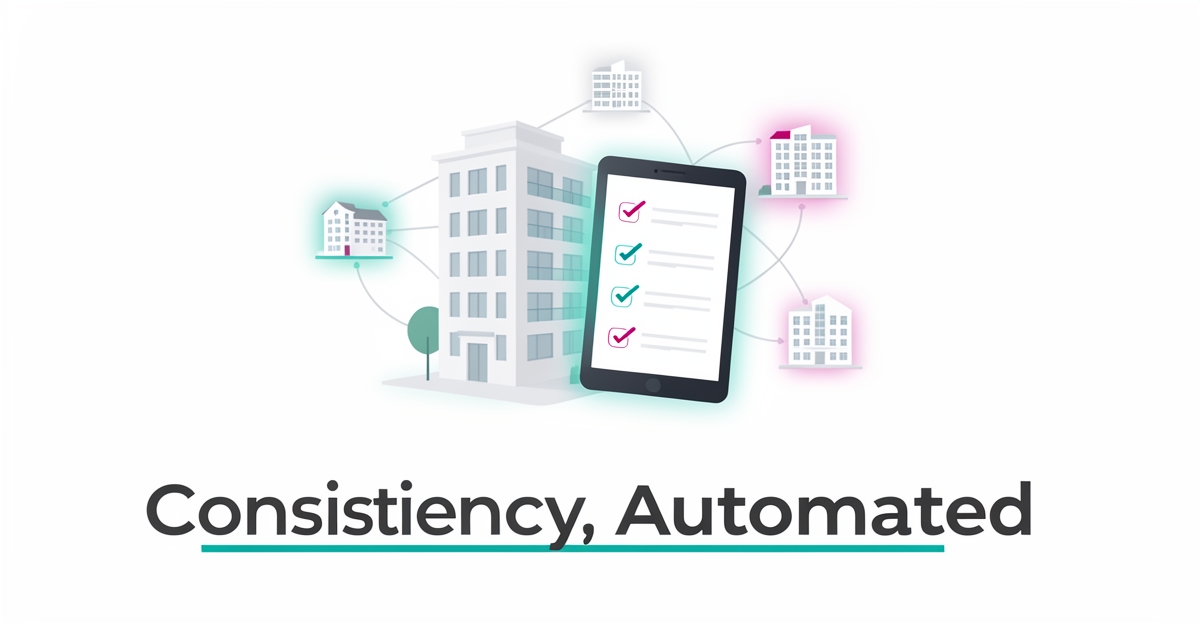
AI-Powered Cleaning Checklists: How to Ensure Consistency Across All Properties
Key Facts
- AI-powered route optimization reduces travel time compared to manual scheduling (commercial cleaning analysis).
- Manual RFP processes consume significant labor hours and often miss deadlines (industry research).
- Implementing an AI operating system requires an initial investment, with costs varying based on scale (comparative analysis).
- Manual cleaning processes remain practical for smaller operations, while AI systems scale efficiently (operational research).
- 62% of companies are not using AI for RFP management despite the manual labor required (industry data).
- AI-powered systems enable efficient scaling of cleaning operations while automating quality control (commercial cleaning studies).
Hire a team member that works 24/7 — for less than a part-time wage.
AI receptionists, SDRs, dispatchers and 99+ roles. Trained on your business, fully managed.
Not sure where to start? Ask our AI planner
The Hidden Cost of Inconsistent Cleaning Standards
Manual checklists create the illusion of consistency while quietly eroding it property by property. Teams interpret the same paper list differently, supervisors miss gaps until a guest complains, and small variations compound across a portfolio.
Inconsistent standards directly drive guest dissatisfaction and operational drag. Manual scheduling and route management rely on memory and phone calls, which produces suboptimal routing and delayed responses. Commercial cleaning analysis shows AI-powered route optimization can reduce travel time, a saving manual processes rarely capture.
Quality control suffers the same way. Paper checklists and supervisor inspections depend on when someone is on site, not what actually happened. Documentation is late, photos are missing, and real-time alerts never trigger. The result is reactive fixes instead of prevention.
Labor-intensive workflows amplify the cost. Industry research on automated deliverables finds RFP responses consume significant labor hours, with deadlines missed and low win rates on new business. Cleaning operations mirror that pattern when checklists are recreated, printed, and tracked by hand for each property.
Across portfolios, variability shows up as:
- Different teams using different versions of the same checklist
- Seasonal or guest-type needs ignored because updates are manual
- Missed deep-clean triggers and inconsistent photo documentation
- Supervisors spending hours chasing completion instead of coaching
The hidden cost is not just time. It is rework, lost reviews, and staff turnover from unclear expectations. When standards shift by property, cleaners guess, managers intervene, and owners absorb the margin hit.
AI changes the control point from paper to process. Dynamic, property-specific checklists adapt to guest types, seasonality, and property type without manual rewrites. Automated training materials ensure every team member follows the same high-standard process, reducing errors and improving guest satisfaction.
AIQ Labs builds this capability through AI Operating Systems, generating automated training materials that keep standards consistent as portfolios grow. The shift moves quality from individual judgment to systematic execution.
Businesses weighing investment see the trade-off clearly. Comparative analysis of AI operating systems notes an initial investment, while manual processes remain practical for smaller operations. Beyond that scale, inconsistency becomes expensive.
Consistency is a system problem, not a motivation problem. When checklists are static and human-dependent, variance is inevitable. When they are dynamic and documented, standards hold.
How AI Generates Dynamic, Property-Specific Cleaning Checklists
Static checklists assume every property needs the same treatment, every time. That's why they fail. A beachfront rental after a family reunion needs different attention than a downtown condo after a business traveler's overnight stay, yet most cleaning operations hand crews identical checklists regardless of context.
AI-powered systems solve this by generating property-specific checklists dynamically. Multi-agent architectures analyze incoming data, guest profiles, seasonal factors, property features, booking patterns, and synthesize customized task lists in real time. Research on commercial cleaning operations shows that standardized quality checklists combined with automated workflows reduce errors and improve consistency across locations.
At AIQ Labs, our multi-agent systems use the same orchestration framework that powers our AI Employees platforms, where specialized agents collaborate to research, generate, and refine outputs based on individual user profiles. For cleaning operations, this means one agent pulls guest type data from the booking system, another checks seasonal considerations, a third reviews property-specific features, and a synthesis agent assembles the final checklist, all in seconds.
Here's what the system evaluates when generating each checklist:
- Guest type: Families with young children trigger sanitization protocols for high-touch surfaces and crib assembly. Business travelers prioritize workspace setup and coffee station restocking. Extended-stay guests need deep kitchen cleaning and linen refreshes.
- Seasonality: Summer beach rentals require sand removal protocols and outdoor furniture cleaning. Winter properties need entryway salt stain treatment and humidity control checks. Shoulder seasons allow for deep cleaning tasks like carpet shampooing or window washing.
- Property features: Hot tubs need chemical balance verification. Pet-friendly units require allergen removal and odor neutralization. Properties with pools, fireplaces, or smart home systems each add specialized checklist items automatically.
- Turnover timing: Same-day turnovers compress the checklist to essentials. Multi-day gaps allow for maintenance tasks and detail work that improve long-term property condition.
The system doesn't just generate the list, it adapts workflows based on real-time conditions. If a previous guest reported a maintenance issue, the checklist includes a verification step. If weather data shows incoming storms, exterior furniture securing gets added. AI-powered scheduling and routing reduce travel time by clustering properties intelligently and adjusting crew assignments based on checklist complexity.
This level of customization was previously impossible at scale. Creating unique checklists manually for dozens or hundreds of properties consumed hours of administrative time. Now the system generates them automatically, delivers them to crew mobile devices, tracks completion with photo documentation, and flags quality issues in real time.
The result is consistency without rigidity, every property gets exactly the care it needs, informed by data rather than guesswork, while maintaining the operational efficiency that separates growing cleaning businesses from those stuck in manual processes.
Implementing AI Checklists for Staff Training and Consistent Execution
A checklist is only as good as the person executing it, and in property cleaning, that's where consistency usually breaks down. AI-generated checklists close that gap by turning your standards into dynamic, property-specific instructions that every staff member follows the same way, every time.
The difference starts with adaptability. Rather than one static checklist for all properties, AI generates task lists that adjust to guest types, seasonality, and property type, a turnover for a family arriving with children looks different from a business traveler's stay, and a deep clean before peak season differs from routine maintenance. This dynamic approach means staff aren't guessing which tasks apply; the system tells them, reducing errors and ensuring uniform standards across an entire portfolio.
Training is where this pays off most. When AI-generated checklists double as training materials, new hires learn the exact process your best cleaners use, not a watered-down version from a binder. This mirrors what research on cleaning operations shows: manual, paper-based quality control with supervisor inspections is precisely what AI systems replace with standardized quality checklists, photo documentation, and real-time quality alerts. The result is onboarding that produces consistent execution from day one instead of months of inconsistent habits.
For operators scaling beyond a handful of properties, the case strengthens. Industry analysis of commercial cleaning operations found that AI-powered systems automate scheduling, routing, quality control, and client communication while scaling efficiently to hundreds of locations, though manual processes remain practical for businesses serving fewer than 50 clients. The same research notes these systems can reduce travel time by clustering properties intelligently and adjusting crew assignments based on checklist complexity.
Getting implementation right requires a few deliberate steps:
- Document your current best-practice process for each property type so the AI has accurate source material to generate checklists from.
- Keep humans in the loop during rollout, review and refine AI outputs to ensure they match your properties, standards, and team realities before full deployment.
- Build reusable templates and rules so the system generates new property checklists automatically rather than from scratch each time.
- Tie photo documentation and quality alerts to each checklist step so deviations surface immediately, not at the next inspection.
The "keep humans involved" principle comes directly from guidance on automated deliverable creation: AI handles the generation, but reviewing and refining outputs ensures they match your goals, audience, and context. That same guidance recommends building reusable systems with prompts and templates rather than reinventing each deliverable.
This is where the build-vs-buy decision matters. AIQ Labs approaches this by creating automated training materials and knowledge systems that businesses own outright, automated knowledge base generation that captures tribal knowledge and deploys it as consistent process documentation, rather than locking operators into another subscription. For property managers, that means the checklist system, the training content, and the quality standards remain company assets that scale with the portfolio.
Consistency across properties isn't achieved through more supervision, it's achieved when the correct process is generated, taught, and verified automatically, leaving staff to focus on execution rather than interpretation.
Still paying for 10+ subscriptions that don’t talk to each other?
We build custom AI systems you own outright. No vendor lock-in. Full control.
Not sure where to start? Ask our AI planner
Frequently Asked Questions
How does AI generate dynamic cleaning checklists for different properties?
What are the main problems with manual cleaning checklists?
Can AI-powered cleaning systems reduce travel time for cleaning crews?
How do AI-generated checklists improve staff training and consistency?
Is investing in an AI cleaning operating system worth it for small businesses?
What steps should I take to implement AI cleaning checklists successfully?
Turn Standards Into Systems That Scale
Consistency across a growing portfolio isn't a matter of trying harder, it's a matter of building better systems. Static checklists and manual supervision can't keep pace as properties multiply, guest expectations shift, and seasonal demands fluctuate. AI-powered checklists solve this by generating property-specific tasks in real time, training staff on your exact standards from day one, and flagging quality issues before guests notice. The result is fewer errors, faster onboarding, and travel time reduced, gains that compound as you scale. If you're ready to move from reactive fixes to systematic execution, the next step is understanding what a custom AI training and checklist system could look like for your operation. AIQ Labs builds these systems as owned assets, not subscriptions. Start with a free strategy call (2-minute Fit Check) or (free 30-min strategy call) to map where automation delivers the highest ROI for your portfolio.
Make AI your competitive advantage — not just another tool.
Strategy, implementation and ongoing optimization. One partner, end to end.
Not sure where to start? Ask our AI planner