AI-Powered Cleaning Tracking: How Solar Businesses Can Monitor Performance in Real Time
Key Facts
- Dust and debris can cause a 25-30% performance drop on neglected solar panels according to industry research
- A single utility-scale drone inspection can generate over 100GB of thermal and RGB data as reported
- Manual review of drone inspection data typically takes 2–3 days, delaying defect detection per source
- A single drone mission can inspect 80,000 solar panels in 4 hours, finding 340 defects per source
- Micro-hotspots can cause up to a 5% efficiency loss per panel per source
- Proactive monitoring platforms can detect issues within 24 hours per source
- AI-powered predictive maintenance systems can provide failure alerts 72+ hours in advance per source
Hire a team member that works 24/7 — for less than a part-time wage.
AI receptionists, SDRs, dispatchers and 99+ roles. Trained on your business, fully managed.
Not sure where to start? Ask our AI planner
The Hidden Revenue Loss From Dirty Panels
Dust and debris on solar panels can trigger a silent revenue drain, causing performance drops of 25-30% when maintenance is neglected. This isn't just surface grime; microscopic hotspots and soiling patterns evade the naked eye, compounding energy loss across entire arrays. Traditional manual inspections fail to catch these subtle defects, turning maintenance into a guessing game that wastes resources or allows damage to accumulate.
A single utility-scale drone inspection can generate over 100GB of thermal and RGB data, creating a bottleneck when reviewed manually. Engineers typically spend 2-3 days parsing this information, during which time micro-hotspots, each capable of causing up to a 5% efficiency loss per panel, go undetected. This delay transforms potential proactive fixes into reactive repairs, letting issues fester for weeks and eroding daily energy yield.
The consequence is a broken feedback loop: inspections produce static PDF reports with no intelligence layer, preventing solar businesses from knowing exactly when to clean or repair. Without trigger-based cleaning guided by real-time data, companies either over-clean, wasting water and labor, or under-clean, allowing soiling to compound and hotspots to worsen. This reactive cycle directly impacts ROI, turning maintenance from a cost center into a source of avoidable revenue leakage.
AIQ Labs helps solar businesses close this loop by integrating AI-powered monitoring that transforms raw inspection data into actionable intelligence. Real-time dashboards track cleaning frequency, service quality, and system health, enabling data-driven decisions that improve consistency and strengthen client relationships through transparent, quantified results.
How AI Dashboards Turn Inspections Into Real-Time Intelligence
Solar businesses are moving from paper reports to live operational intelligence that changes how cleaning crews are dispatched and how value is proven to clients.
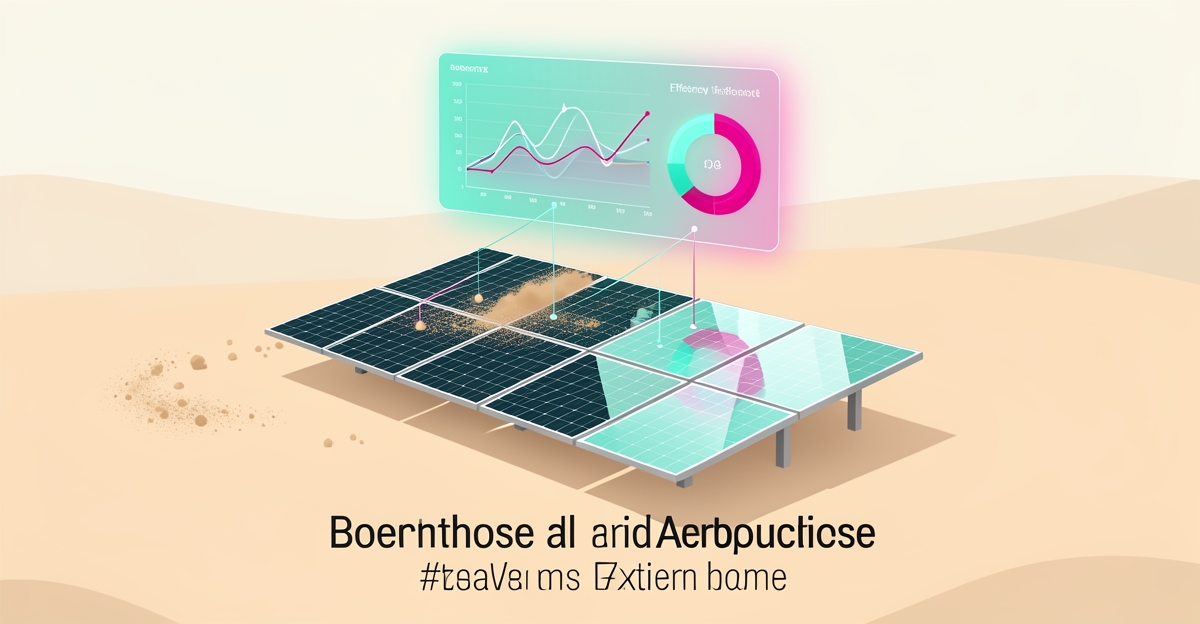
AI-powered dashboards consolidate drone scans, robot telemetry and monitoring platforms into one real-time view of cleaning frequency, service quality and system health. That visibility turns inspections into decisions.
A single drone mission can inspect 80,000 solar panels in 4 hours, finding 340 defects in the process. The same pipeline replaces a multi-day manual review with geo-indexed, time-stamped data that feeds directly into dashboards. Operators see soiling patterns, micro-hotspots and bypass failures as they emerge, not weeks later.
Autonomous cleaning robots extend the loop on the ground. Industrial units operate from -40°C to +50°C with IP65 waterproofing and transmit data in real-time while cleaning, spotting hot spots and cracks during passes. This real-time data transmission means service quality is measurable per site, per crew, per panel, rather than estimated.
Monitoring platforms close the feedback cycle. Daily monitoring can detect issues within 24 hours, shifting alerts from reactive and inconsistent to proactive. Predictive models fuse sensor data to forecast failures 72+ hours ahead, enabling trigger-based cleaning instead of fixed schedules.
For solar cleaning companies, this intelligence supports the business context of AI performance metrics and monitoring. Real-time dashboards powered by AI track cleaning frequency, service quality and customer feedback, allowing consistent service and data-driven client conversations.
The dashboard value shows up as:
- Trigger-based cleaning plans that pinpoint the exact tipping point for intervention, avoiding over-cleaning and energy loss
- Quantified energy recovery reporting that proves ROI after each service visit
- Prioritized maintenance queues ranked by revenue impact, not geography
- Continuous quality metrics that improve service consistency across crews and sites
Dust and debris can cause a 25-30% performance drop on neglected panels. With live intelligence, crews act before losses compound and clients see the financial impact of clean panels.
AIQ Labs builds the kind of real-time dashboards that turn these inspection streams into operational decisions, aligned with modern AI data analytics and business intelligence practices. The result is a shift from static inspection reports to continuous, real-time operational intelligence that strengthens client relationships with transparent, measurable outcomes.
From Data To Decisions: Cleaning Frequency, Quality And Client Proof
Geo-temporal indexing and spatial retrieval techniques transform raw solar panel data into actionable intelligence that drives smarter maintenance decisions. By storing inspection results with precise geohashes and timestamps, cleaning companies can build a searchable historical record of panel health that reveals degradation trends and recurring issues. This enables intelligent querying, like identifying which strings have recurring hotspot failures or which panels degraded fastest this quarter, turning complex data into clear maintenance priorities. AI-powered drone inspections can process 80,000 panels in just 4 hours, generating over 100GB of thermal and RGB data per utility-scale site that would take 2–3 days to review manually. With this foundation, solar businesses can shift from guesswork to precision, knowing exactly when cleaning delivers the highest energy recovery ROI.
This data-driven approach allows cleaning frequency and quality to be measured against tangible outcomes, not just completed tasks. Reports generated through these pipelines quantify the energy recovery potential of each service visit, showing clients exactly how much production was restored after cleaning or repairs. Instead of static PDFs, these context-aware reports highlight maintenance prioritized by revenue impact, such as addressing soiling patterns that cause a 25-30% performance drop on neglected panels or micro-hotspots that erode efficiency panel by panel. Proactive monitoring platforms can detect issues within 24 hours, while AI-powered predictive maintenance systems can provide failure alerts 72+ hours in advance. For solar cleaning companies, this means every service becomes a measurable contribution to system performance, not just a routine chore.
By delivering transparent, data-driven proof of value, solar panel cleaning businesses strengthen client relationships through accountability and trust. Clients no longer rely on promises, they see concrete evidence of energy recovery tied directly to service visits, justifying maintenance costs with clear financial returns. This shift from reactive cleaning to trigger-based maintenance ensures resources are deployed only when data indicates a performance tipping point, avoiding both over-cleaning waste and under-cleaning losses. AIQ Labs supports this transformation by building custom analytics systems that integrate geo-temporal data, spatial querying, and real-time dashboards, turning solar maintenance into a proactive, ROI-driven operation where every clean is quantified, every issue is prioritized, and every client sees the value in real time.
Building Your AI Monitoring Stack With Owned Systems
Solar cleaning businesses face a critical challenge: maintaining peak panel efficiency without the guesswork of manual inspections or reactive maintenance. Dust and debris can reduce energy output by as much as 25-30% on neglected panels, directly impacting client ROI and service credibility. AI-powered monitoring transforms this uncertainty into actionable intelligence by tracking cleaning frequency, service quality, and system performance in real time.
Building an owned AI monitoring stack starts with custom development that integrates drone-collected thermal and RGB data with cleaning logs and client feedback. AIQ Labs architects production-ready systems, drawing on experience across 200+ deployed multi-agent systems and four live SaaS products the company runs daily, to process inspection data such as the 100GB+ generated from a single utility-scale solar scan into geo-indexed, time-stamped datasets. This enables trigger-based cleaning schedules that activate only when soiling crosses a revenue-impacting threshold, eliminating both over-cleaning waste and under-cleaning losses. If the monitoring workflow is the single biggest cost in your operation, a fixed-price AI Workflow Build rebuilds it in phases, with pricing agreed up front.
The stack evolves through managed AI Employees who handle dispatch, reporting, and client communication. An AI Dispatcher, for example, autonomously schedules cleaning crews based on real-time defect detection from drone scans, while an AI Support Agent analyzes service tickets to flag recurring issues like micro-hotspots that cause up to a 5% efficiency loss per panel. These managed roles work around the clock at roughly 80% less cost than a human hire, continuously learning from performance data to refine alert thresholds and maintenance prioritization without adding headcount.
For businesses that want one connected layer across inspections, dispatch, reporting and client dashboards, an AI Operating System ties the stack together, built in phases, owned outright, with governance for data accuracy and training so teams can interpret AI-generated insights. You can Start Monthly by deploying a single AI Employee for dispatch, or Build in Milestones by first launching a custom dashboard for cleaning frequency tracking, then expanding to predictive maintenance alerts. Each phase delivers owned assets, code, data, and intellectual property, that scale with the business from day one.
Still paying for 10+ subscriptions that don’t talk to each other?
We build custom AI systems you own outright. No vendor lock-in. Full control.
Not sure where to start? Ask our AI planner
Frequently Asked Questions
How much energy can dirty solar panels actually lose if not cleaned regularly?
Can AI really make solar panel inspections faster than manual reviews?
What kind of data do solar drones collect, and how is it used?
How do autonomous cleaning robots improve solar panel maintenance?
Can AI predict solar panel issues before they cause downtime?
How do real-time dashboards help solar cleaning companies prove their value to clients?
Turn Clean Panels Into Measurable Revenue
The shift from static PDF reports to real-time operational intelligence is what separates reactive maintenance from revenue protection. When drone scans, robot telemetry and monitoring platforms feed into live dashboards, solar businesses can see soiling patterns and micro-hotspots as they emerge, move to trigger-based cleaning at the exact tipping point, and prove ROI with quantified energy recovery after each visit. That visibility replaces guesswork with prioritized maintenance ranked by revenue impact, consistent service quality across crews, and transparent client conversations backed by data. For cleaning companies, the next step is owning the intelligence layer rather than renting reports. Start by mapping where inspection data currently stalls, then connect cleaning frequency, service quality and customer feedback into a single real-time view you control. AIQ Labs helps solar teams build those owned AI monitoring stacks and performance metrics systems so every clean is quantified and every decision is data-driven. Take the 2-minute Fit Check at https://aiqlabs.ai/apply, then book a free 30-minute strategy call to map your biggest bottleneck and identify high-ROI automation opportunities. Dust and debris can still drive a 25-30% performance drop on neglected panels, with live intelligence, you act before losses compound.
Make AI your competitive advantage — not just another tool.
Strategy, implementation and ongoing optimization. One partner, end to end.
Not sure where to start? Ask our AI planner