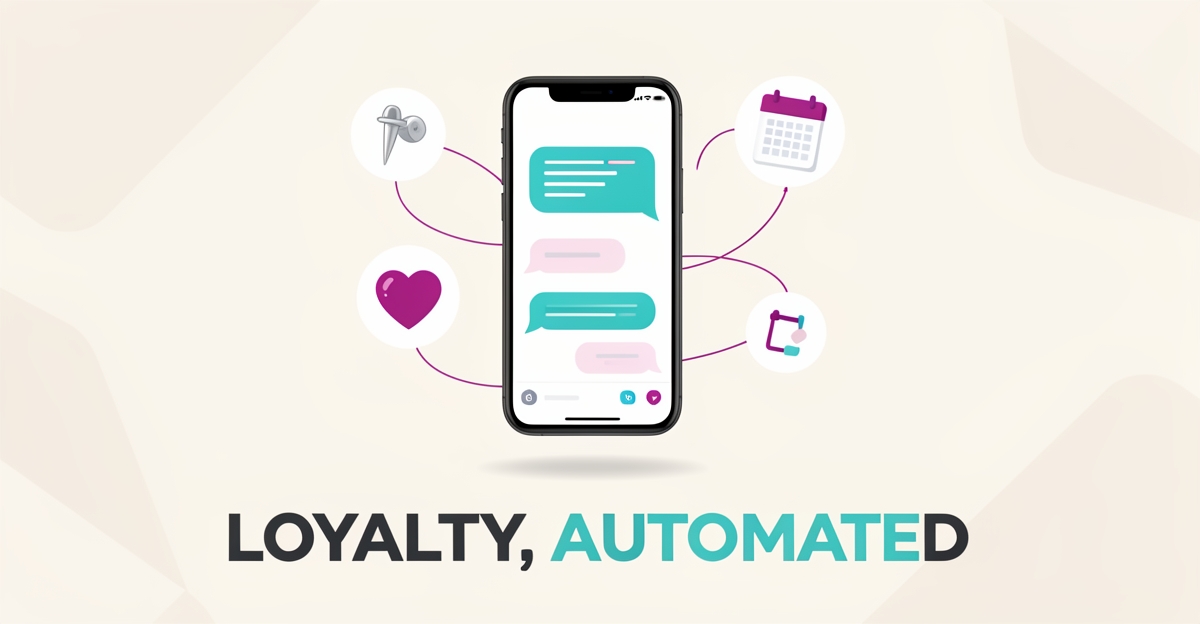
AI-Powered Client Engagement: How Piercing Studios Can Build Loyalty with Personalized Messaging
Key Facts
- Most customers say having to repeat themselves to a business is one of their top frustrations with service interactions
- A large majority of consumers consistently report preferring brands that personalize the experience over ones that don't
- Modern AI systems, built on technologies like those described by IBM's overview of artificial intelligence, can simulate learning, comprehension, and decision-making to deliver personalized experiences automatically
- When customers feel understood, they don't just stay, they advocate
- AI and human intelligence work best as collaborators, not competitors
- AI without context and judgment can misfire badly, generic automation does real damage in personal, trust-based industries
- AI-powered post-care follow-ups work best when triggered shortly after appointments and again at key healing milestones
Hire a team member that works 24/7 — for less than a part-time wage.
AI receptionists, SDRs, dispatchers and 99+ roles. Trained on your business, fully managed.
Not sure where to start? Ask our AI planner
The Loyalty Gap Piercing Studios Face Today
Piercing studios often struggle to retain clients not because of poor service, but because of how they follow up. Generic messages that repeat information clients already shared create friction, not connection. When a studio sends the same aftercare instructions or appointment reminders to every client, it ignores the individual journey each person has taken. This one-size-fits-all approach makes clients feel like a ticket number rather than a valued participant in their own piercing experience.
Most customers cite having to repeat themselves as one of their biggest frustrations when interacting with businesses. For piercing studios, this means clients grow weary of re-explaining their healing progress, jewelry preferences, or past complications with every follow-up. Each repetitive touchpoint erodes trust and makes the studio feel indifferent to their unique needs.
At the same time, a large majority of consumers say they prefer brands that personalize the experience, a clear signal that studios ignoring individual history are missing a key loyalty driver. When follow-ups reference a client's specific piercing type, healing stage, or preferred jewelry style, it signals attentiveness and care. Studios that fail to personalize not only frustrate clients but also push them toward competitors who make them feel seen.
This loyalty gap isn't about lack of effort, it's about misaligned communication. Studios invest in skilled piercers and clean rooms, yet undermine that trust with impersonal messaging. The solution lies in using AI to remember client history and tailor every touchpoint, turning routine follow-ups into opportunities to deepen connection. By closing this gap, studios transform transactional interactions into lasting relationships.
How AI Enables Personalized Messaging at Scale
For most piercing studios, personalization means remembering a regular's name or their favorite jewelry metal. But that level of attention has always been limited by human memory and staff capacity. AI changes the equation entirely, making it possible to give every single client the kind of tailored attention that used to be reserved for a studio's most loyal regulars.
The demand is already there. Consumers consistently report preferring brands that personalize, and citing repetition as a top frustration. A client who has to re-explain their nickel allergy or their healed ear project at every visit feels that friction immediately.
Real-time behavior tracking is the foundation. Modern AI systems, technology that, as IBM explains, enables computers to simulate learning, comprehension, and decision-making, can track behavior, preferences, and interactions so studios can target the right client with the right message. For a piercing studio, this means follow-ups after appointments, birthday messages with special offers, and upgrade suggestions based on each client's actual piercing history, all delivered automatically.
Conversational memory takes it a step further. AI that remembers past interactions means your front desk or messaging system "already knows what you've been through" and can "pick up right where you left off." Applied to a studio, the system recalls that a client got their septum pierced last spring, prefers titanium, and has been talking about a conch, so the next message references all of it without the client repeating a word.
Predictive analytics then turns that history into foresight. Platforms like HubSpot and Pardot analyze past data to forecast which leads are likely to convert, helping businesses prioritize outreach and tailor messaging. Studios can use the same logic to identify who is due for a jewelry upgrade, who might be ready for a new piercing, and who is drifting away and needs re-engagement.
But automation without judgment backfires. When fitness AI coaches have told users to abandon pets or even their own children, it showed how badly AI misfires without context and empathy. Piercing clients are trusting you with their bodies and their self-expression, a tone-deaf automated message does real damage.
That's why the winning model is human + AI collaboration. AI handles routine tasks and provides insights while humans focus on high-value, emotionally nuanced interactions. Studios can let AI draft the follow-ups, birthday reminders, and upgrade offers, then keep the piercer's voice and judgment at the center. This is exactly the approach behind AIQ Labs' [AI Workflow Builds](/workflow-builds), which are trained on each studio's unique tone so every automated message still sounds like the studio, not a robot.
- Track client behavior and preferences in real time to personalize automatically
- Invest in AI with conversational memory so no client ever repeats themselves
- Use predictive analytics to time follow-ups, upgrades, and win-back outreach
- Keep humans in the loop for empathy, nuance, and anything medical or sensitive
When clients feel understood this consistently, the effect compounds. When customers feel understood, they don't just stay, they advocate. And advocates are exactly what a piercing studio needs most.
Building a Safe, Brand-Fit Engagement Engine
AI-powered engagement only delivers value when it's built on a foundation of safety, context, and brand integrity, otherwise, it risks alienating the very clients it aims to serve. AI systems lacking proper contextual understanding can generate inappropriate advice, as seen when fitness AI coaches advised users to abandon pets or children based on oversimplified data interpretations. This isn't just a theoretical risk; it's a documented failure mode that erodes trust and damages brand reputation in sensitive, personal industries like body piercing where client comfort and safety are paramount.
To avoid these pitfalls, piercing studios need engagement engines that go beyond generic AI prompts and instead incorporate persistent memory, brand-specific voice training, and rigorous compliance controls. Systems must remember client history, such as past piercings, healing progress, jewelry preferences, and aftercare concerns, to deliver messages that feel continuous and empathetic, not repetitive or robotic. Contextual awareness isn't just a technical feature; it's a direct driver of loyalty and satisfaction.
AIQ Labs builds owned, production-ready AI engagement systems designed for exactly this level of precision and responsibility. These platforms integrate multi-agent architectures with retrieval-augmented generation and knowledge graphs to maintain accurate, evolving client profiles across interactions, with 200+ multi-agent systems deployed to date. Brand voice is trained not through generic tuning, but through deep alignment with the studio's unique tone, whether that's bold and expressive, clinical and reassuring, or artistic and conversational, ensuring every message feels authentically on-brand. Compliance controls are embedded from the outset, including data governance frameworks, audit trails, and human-in-the-loop safeguards that prevent overreach while maintaining scalability. This approach transforms AI from a potential liability into a trusted extension of the studio's client care, personalized, consistent, and safe at scale.
From Client History to Automated Loyalty Workflows
Every piercing studio owner knows the frustration of watching a promising client walk out the door, never to return. The solution isn't more aggressive marketing, it's building a system that remembers each client's journey and reaches out at exactly the right moments.
The foundation of automated loyalty starts with tracking piercing history in granular detail. Every appointment should log the piercing type, jewelry used, aftercare products recommended, and any concerns raised. This creates a rich profile that AI can analyze to predict future needs and deliver personalized experiences automatically.
Once you've captured this data, automation becomes your retention engine. Post-care follow-ups should trigger automatically within a day or two of each appointment, then again at the key healing milestones for that placement. These aren't generic templates, they're personalized messages that reference the specific piercing and address common healing concerns for that placement.
Birthday reminders represent another high-value touchpoint that studios often miss. When your system knows a client's birthday is approaching, it can send a personalized offer for a jewelry upgrade or new piercing service. This level of personalization matters because most consumers prefer brands that personalize their experience.
Jewelry upgrade prompts work best when tied to healing timelines. If a client got a cartilage piercing six months ago, your system should flag them as ready for a jewelry upgrade consultation. The message can reference their original piercing and suggest pieces that complement their existing collection.
Churn-risk re-engagement requires predictive thinking. When a client who typically visits every three months suddenly goes silent for five, your system should trigger a re-engagement sequence. This might include:
- A personalized check-in message referencing their last visit
- An exclusive offer based on their service history
- Educational content about new piercing trends matching their style
- A direct invitation to book with their preferred artist
The key is conversational continuity, your AI system should remember every interaction so clients never feel like they're starting from scratch. This addresses what most customers identify as a top frustration: having to repeat themselves.
At AIQ Labs, we build these loyalty workflows to match your studio's unique voice. You can start with a single [AI Workflow Build](/workflow-builds) that automates your highest-cost workflow, like post-care follow-ups, or grow into a full [AI Operating System](/ai-operating-systems) that connects client history, messaging, and booking in one layer you own outright. Either way, the goal remains the same: turning one-time visitors into lifelong clients through intelligent, personalized communication.
Still paying for 10+ subscriptions that don’t talk to each other?
We build custom AI systems you own outright. No vendor lock-in. Full control.
Not sure where to start? Ask our AI planner
Frequently Asked Questions
How does AI help piercing studios avoid making clients repeat themselves during follow-ups?
Why does personalization matter so much for piercing studios?
Can AI-powered messaging feel authentic to my studio's brand voice, or will it sound robotic?
What are the risks of using AI for client messaging in piercing studios, and how can they be avoided?
How can piercing studios use AI to predict when a client is ready for a jewelry upgrade or new piercing?
Is AI-powered client engagement only for large studios, or can small piercing shops benefit too?
Turning Piercing Clients into Lifelong Advocates
The gap between a one-time piercing and a loyal collector isn't about skill, it's about memory. When studios use AI to track healing progress, jewelry preferences, and personal milestones, they transform generic follow-ups into conversations that resonate. Most customers prefer brands that personalize, and repetition is a top frustration. By combining AI's ability to remember every detail with human empathy and judgment, studios can automate birthday offers, healing check-ins, and upgrade suggestions that feel genuinely attentive rather than robotic. AIQ Labs builds these systems to match each studio's unique voice, ensuring every automated message sounds like it came from your chair, not a script. Ready to stop losing clients to silence? Start with the two-minute [Fit Check](/apply) to map your studio's loyalty workflow, then [book a free 30-minute strategy call](/book) to explore how personalized messaging can turn your clients into advocates, or email [email protected] with questions.
Make AI your competitive advantage — not just another tool.
Strategy, implementation and ongoing optimization. One partner, end to end.
Not sure where to start? Ask our AI planner