# AI-Powered Client Feedback Collection: How to Improve Class Quality in Pilates
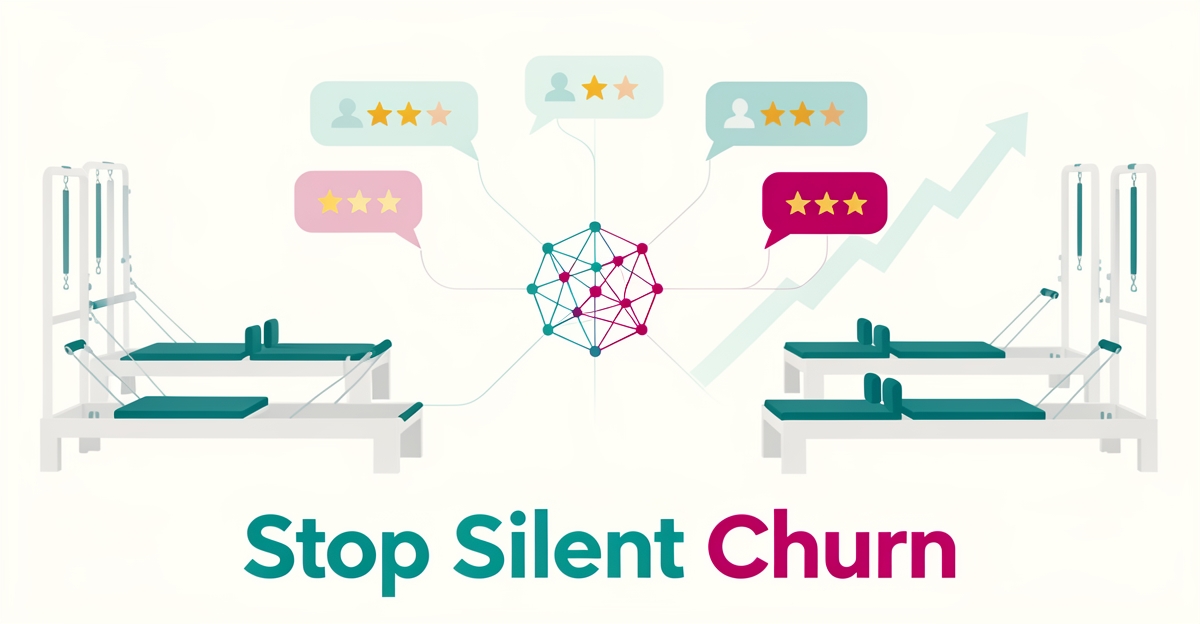
**Quick Answer:** Stop silent churn in Pilates studios. AI-powered feedback collection turns quiet dissatisfaction into actionable insights before clients cancel. Improve class quality while members are still in the room.
## Key Facts
n
- Most customers who have several bad experiences with a business will eventually switch to a competitor, and dissatisfied fitness clients rarely complain before they leave
- AI adoption in customer-facing roles has become mainstream across service industries as of 2026, raising client expectations for speed and follow-through
- Data quality is consistently cited by teams deploying AI as the top barrier to getting useful insights
- The best product teams build systems that continuously capture customer reality from every conversation, not just scheduled research sessions
- AI-powered feedback collection identifies recurring pain points tied to specific class formats or instructors automatically
- Combining active collection (surveys, check-ins) with passive collection (booking patterns, review text) gives the most complete picture of client sentiment
## Table of Contents
- [The Hidden Cost of Client Silence: Why Pilates Studios Lose Members Without Warning](#the-hidden-cost-of-client-silence-why-pilates-studios-lose-members-without-warning)
- [How AI Sentiment Analysis Transforms Raw Client Feedback Into Class Improvement Insights](#how-ai-sentiment-analysis-transforms-raw-client-feedback-into-class-improvement-insights)
- [Building Your AI Feedback Loop: From Collection to Class Redesign](#building-your-ai-feedback-loop-from-collection-to-class-redesign)
- [Avoiding the Pitfalls: Data Quality, Client Trust, and Ethical AI in Wellness Settings](#avoiding-the-pitfalls-data-quality-client-trust-and-ethical-ai-in-wellness-settings)
## The Hidden Cost of Client Silence: Why Pilates Studios Lose Members Without Warning
Pilates retention looks stable until it isn't. Studios track attendance and membership renewals, but the real churn signals hide in the quiet gap between classes, where dissatisfaction builds without a comment card to flag it.
Most studios rely on end-of-class check-ins and occasional surveys. Those moments capture polite feedback, not the recurring friction that erodes loyalty. Class quality, instructor style, and studio environment are deeply personal, and clients rarely volunteer criticism face-to-face. The result is silent attrition that shows up only in a cancelled membership.
The cost of that silence is high. Industry research on customer experience consistently shows that customers who have multiple bad experiences with a business are far more likely to switch to a competitor than to complain first. In Pilates, a bad experience can be a cue missed, a progression too aggressive, or a studio feel that no longer fits, and it rarely gets reported before the client leaves.
Traditional feedback methods fail because they are episodic and biased toward the vocal minority. Active collection gives control over questions but creates survey fatigue and delays. Passive signals like attendance drops are late indicators. Without continuous capture, studios miss patterns across instructors, timeslots, and client cohorts.
AI-powered feedback collection changes the listening window. Systems that combine active and passive collection can surface recurring pain points from everyday interactions, not just scheduled surveys. This mirrors how strong product teams operate: the best teams build systems that continuously capture customer reality from every conversation, not just scheduled research sessions.
For Pilates studios, continuous listening can reveal nuanced issues that drive attrition:
- Instructor pacing and cueing preferences that vary by client segment
- Class design mismatches between advertised level and actual intensity
- Environmental friction like booking flow, studio temperature, or equipment availability
- Emotional sentiment trends after specific classes or instructor changes
These signals are too subtle for comment cards and too dispersed for manual review. Sentiment analysis tools tailored to fitness and wellness environments can collect, analyze, and act on client feedback to identify recurring pain points and improve class design.
The market has already moved. AI adoption in customer-facing roles became mainstream across service industries well before 2026, and that adoption reflects rising expectations for speed and responsiveness. The same pressure exists in membership businesses where experience is the product.
Studios that wait for complaints lose clients without warning. Building a system that captures feedback continuously turns silence into actionable insight and gives instructors the data to improve class quality before churn happens.
## How AI Sentiment Analysis Transforms Raw Client Feedback Into Class Improvement Insights
Raw comments after class rarely tell the whole story. Sentiment analysis turns scattered notes, cancellation reasons and booking patterns into clear signals about what is working and what is eroding class quality.
AI-powered feedback collection works best when active and passive sources run together. Active methods like post-class surveys
AI Employees
Hire a team member that works 24/7 — for less than a part-time wage.
AI receptionists, SDRs, dispatchers and 99+ roles. Trained on your business, fully managed.
See If You’re a Fit — AI Employees from $700/mo
Not sure where to start? Ask our AI planner
and structured check-ins capture intent directly. Passive methods analyze booking patterns, cancellation notes, review text and open-text comments without adding friction for clients. The most effective systems combine both.
Sentiment analysis identifies patterns humans miss, such as a gradual shift in how clients describe a specific class format or instructor over weeks.
Signals emerge that would otherwise stay buried in noise. The system can flag rising frustration around class timing, equipment access or cueing clarity before churn happens. It also surfaces positive themes to replicate, like energy, progression and community.
This is where **AI sentiment analysis and feedback** becomes practical for class improvement. Instead of manual reading, studios get prioritized themes mapped to instructors, formats and times.
AIQ Labs applies this approach in fitness and wellness environments through AI Workflow Builds, rebuilding the feedback workflow that costs a studio the most, at a fixed price and in phases. The output is not a dump of comments but actionable insight for owners.
Typical insights surfaced automatically include:
- Recurring pain points tied to specific class formats or instructors
- Shifts in sentiment around scheduling, waitlists and cancellations
- Language patterns that predict retention risk
- Positive drivers that can be amplified across the schedule
Integrating AI into existing workflows matters for adoption. Aligning AI capabilities with studio roles, using familiar terminology and providing continuous support during adoption increases use. Client expectations for fast response and fast resolution keep rising as AI becomes standard in service businesses.
When feedback is continuous, teams can act faster. Early detection of sentiment decline protects retention, because clients who accumulate bad experiences typically leave rather than complain.
The result is a feedback loop that improves class design with data rather than anecdotes. Owners see which changes lift experience and which create friction, and instructors receive clear, theme-based guidance instead of raw comments.
## Building Your AI Feedback Loop: From Collection to Class Redesign
Building an effective AI feedback loop begins with mapping every touchpoint where clients already share their experience, from booking confirmations and post-class follow-ups to cancellation reasons and online reviews. This structured approach ensures no valuable insight is missed, turning scattered comments into a cohesive dataset ready for analysis. The most effective feedback systems combine both active and passive collection methods to capture a complete picture of client sentiment.
Next, select or configure an AI system that integrates with your existing studio management tools, such as scheduling platforms or CRM software. The goal is to automate feedback capture without disrupting current workflows, allowing the AI to listen, analyze, and categorize client input in real time. Once integrated, establish a regular review cadence, weekly or biweekly, where sentiment trends directly inform decisions about class scheduling, format adjustments, and instructor coaching.
However, success hinges on data quality. Teams deploying AI in customer-facing roles consistently cite inconsistent or poor-quality data as the top barrier to effectiveness. Before AI can deliver meaningful insights, studios must implement structured, consistent feedback capture, standardizing how and when input is collected across all channels. Only then can sentiment analysis reliably reveal recurring pain points, such as unclear cueing or pacing issues, enabling data-driven redesigns that elevate class quality and client retention.
For studios that want this to be part of a bigger connected operation, AIQ Labs builds feedback loops as one component of an AI Operating System, a single connected layer that grows in phases and is owned outright by the studio. Studios that just need the feedback workflow fixed first can start with a single Workflow Build.
## Avoiding the Pitfalls: Data Quality, Client Trust, and Ethical AI in Wellness Settings
Trust is the core currency in Pilates, and clients can sense when feedback feels like surveillance instead of care. AI-powered collection only works when studios protect privacy, respect boundaries, and keep instructors in the lead.
The wellness environment amplifies ethical risk. Business owners consistently raise concerns about the ethics and security of using AI, and that concern is valid when bodies, health history, and personal goals are involved. Transparency about what is collected, why it is collected, and who can see it preserves the instructor-client relationship that makes Pilates personal.
Data quality is the hidden failure point. The most commonly cited challenges around implementing AI in customer-facing roles relate to data availabili
AI Development
Still paying for 10+ subscriptions that don’t talk to each other?
We build custom AI systems you own outright. No vendor lock-in. Full control.
See If You’re a Fit — AI Employees from $700/mo
Not sure where to start? Ask our AI planner
ty and quality. In a studio context, that means messy notes, inconsistent class codes, and passive signals that misrepresent intent. Without clean inputs, sentiment analysis risks bias and false patterns.
Survey fatigue compounds the problem. Active feedback gives control over specific questions but increases response burden and fatigue. Passive analysis reduces manual effort but offers limited insights and potential bias. The most effective feedback systems combine both active and passive collection, with clear consent and opt-out paths.
Studios can reduce harm by design. **Human-in-the-loop oversight** keeps instructors reviewing AI summaries, not blindly acting on them. Sentiment analysis tools should be built to identify recurring pain points and improve class design without replacing instructor judgment.
Practical safeguards that protect trust include:
- Explicit consent and clear notice before any passive capture of class notes or messages
- Data minimization: collect only feedback signals needed to improve class quality
- Role-based access so clients' personal notes stay with instructors, not broad admin views
- Regular audits for bias in passive feedback analysis, especially across demographics
Speed expectations also matter. Clients increasingly expect fast follow-through on anything they share. AI can surface themes quickly, but the human response must remain warm, timely, and accountable.
When implemented transparently, AI amplifies rather than replaces the instructor-client bond. Clients feel heard because feedback loops close visibly, not because an algorithm watches silently. That balance protects trust, improves data quality, and keeps Pilates instruction personal.
## Frequently Asked Questions
**Why are my Pilates clients leaving without complaining?**
Silent attrition builds between classes when dissatisfaction is never voiced. Customers who have multiple bad experiences with a business typically switch to a competitor rather than complain, and Pilates studios often miss those signals until memberships cancel.
**Can AI really spot class quality issues before clients churn?**
Yes, when active and passive feedback run together. AI sentiment analysis can flag rising frustration around cueing, pacing, equipment access or class timing before churn happens, turning scattered notes and booking patterns into prioritized themes by instructor and format.
**Is AI feedback collection just another survey that causes fatigue?**
Not when it's continuous and mixed. The most effective feedback systems combine both active and passive collection, so you capture intent directly without relying only on post-class surveys.
**How do studios actually use AI feedback without invading client privacy?**
Trust is protected by design. Use explicit consent and clear notice for passive capture, data minimization, role-based access so personal notes stay with instructors, and human-in-the-loop oversight so AI summaries inform rather than replace instructor judgment.
**What's the biggest barrier to making AI feedback work in a studio?**
Data quality. Teams deploying AI in customer-facing roles consistently cite inconsistent or poor-quality data as the top barrier to effectiveness, which in studios means messy notes and inconsistent class codes that create bias.
**How fast do clients expect us to act on feedback once we collect it?**
Expectations keep rising as AI becomes standard in service businesses. Continuous AI listening is only valuable when it enables fast, warm human follow-through.
## Turn Silent Signals Into Stronger Classes
The most dangerous feedback in a Pilates studio is the kind that never gets spoken. AI-powered sentiment analysis transforms scattered comments, booking patterns, and cancellation notes into clear signals about what is working and what is quietly eroding class quality. By combining active and passive collection, studios can surface recurring pain points tied to instructors, formats, and scheduling before they drive clients away. The key is building these systems with transparency, clean data, and human oversight so trust remains intact. AIQ Labs helps fitness and wellness businesses implement these feedback loops as owned, integrated systems, whether as a single Workflow Build or as part of a fuller AI Operating System. Because clients who accumulate bad experiences typically leave rather than complain, waiting for complaints is a retention risk you cannot afford. Start by mapping your current feedback touchpoints and identifying where silence hides. If you want help designing a system that listens without surveillance, start the 2-minute Fit Check to see if a custom AI feedback loop makes sense for your studio.
AI Transformation Partner
Make AI your competitive advantage — not just another tool.
Strategy, implementation and ongoing optimization. One partner, end to end.
See If You’re a Fit — AI Employees from $700/mo
Not sure where to start? Ask our AI planner