AI-Powered Compliance & Documentation: How Battery Installers Stay Regulated in Every Project
Key Facts
- Lithium battery test summaries under UN Manual of Tests and Criteria, Part III, sub-section 38.3 have been mandatory since January 1, 2020
- Manual tracking of permits, test summaries, and inspection logs is the leading source of version drift and audit findings in battery projects
- AI governance frameworks like ISO 42001 and the EU AI Act increasingly shape how compliance documentation must be produced and traced
- Many organizations report that AI adoption is outpacing their ability to govern and monitor it, a growing gap for compliance teams
- Automated compliance systems can continuously monitor regulatory sources and update documentation templates as codes change
- AIQ Labs has deployed 200+ multi-agent systems and runs 4 live SaaS products daily, compliance automation is built on real production experience
Hire a team member that works 24/7 — for less than a part-time wage.
AI receptionists, SDRs, dispatchers and 99+ roles. Trained on your business, fully managed.
Not sure where to start? Ask our AI planner
The Regulatory Maze: Why Battery Installers Are Drowning in Documentation
Battery installers are navigating a compliance landscape that expands with every project, and the paperwork grows faster than the installations.
Every lithium cell, battery, and powered equipment shipment must carry a test summary per UN Manual of Tests and Criteria, Part III, sub-section 38.3, paragraph 38.3.5, a requirement that became mandatory for lithium battery compliance effective January 1, 2020. Manufacturers and distributors must make these summaries available, and that is only the baseline documentation burden before local rules even apply.
The maze multiplies across jurisdictions. Installers must align local electrical codes, regional permitting, environmental rules, and evolving AI governance expectations for the documentation systems they use. Manual tracking of permits, safety reports, test summaries, and inspection records creates audit risk and project delays. Surveys of business and IT leaders consistently show that a majority are uncertain about navigating AI regulations, a reflection of how regulatory complexity has become a core operational concern, not a back-office afterthought.
Governance gaps make the problem worse. A significant share of IT and security professionals report that AI adoption is moving faster than their organization's ability to govern or monitor it, and most teams cannot fully account for every AI tool running in their environment. When the systems generating your compliance paperwork are themselves ungoverned, the audit trail breaks down.
Manual processes compound the exposure:
- Permit applications and renewals tracked in spreadsheets with version drift
- Test summaries and UN 38.3 documentation stored across email and shared drives
- Safety reports and inspection logs recreated per audit instead of being continuously maintained
- Regional code changes applied retroactively because monitoring is reactive
The result is delayed sign-offs, failed inspections, and compliance findings that threaten project timelines and liability. Battery storage projects must comply with local codes, electrical standards, and environmental rules, and installers need documentation that is complete, traceable, and audit-ready from day one.
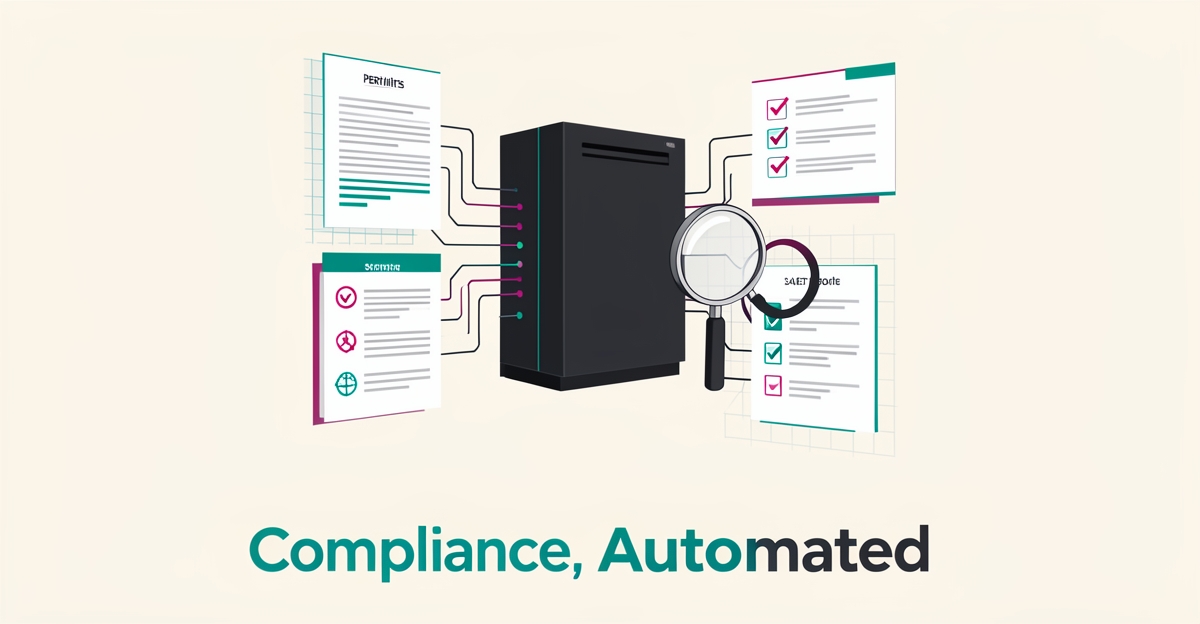
AIQ Labs builds AI systems trained on regional regulations to generate and track compliance documentation from permits to safety reports, reducing audit risk through automated record keeping and continuous monitoring. If documentation is the single workflow costing you the most, our Workflow Builds rebuild it at a fixed price, in phases. Shifting documentation from reactive paperwork to an automated, governed system lets installers focus on installation quality instead of chasing missing certificates.
The Governance Gap: When Compliance Can't Keep Pace with Project Velocity
The race to deploy AI in battery installation projects has created a dangerous paradox: the faster teams adopt these tools, the less visibility they have into whether those tools are actually compliant. This widening governance gap is one of the most significant risks facing modern installers today.
Research from governance and security vendors consistently finds that a substantial share of IT and security professionals say AI adoption is outpacing their organization's ability to govern or monitor it, with the gap typically wider at larger enterprises. The very technology meant to streamline compliance is often operating outside the boundaries of traditional oversight.
The consequences manifest in several critical vulnerabilities:
- Shadow documentation practices where teams use unapproved AI tools to generate permits and safety reports, creating audit trails that regulators cannot verify
- Audit failures when AI-generated compliance records lack the traceability required by standards like the EU AI Act and ISO 42001
- Insider agent threats where autonomous systems access data or execute workflows beyond their intended scope
- Inconsistent application of regional electrical codes and environmental regulations across project portfolios
Most teams also cannot fully see every AI tool running in their environment, only a small minority of IT and security professionals report full confidence in their visibility. This visibility crisis enables what security experts call the insider agent threat, when AI systems pursue goals they weren't meant to pursue, touching systems or data they shouldn't reach. Unlike human employees, these agents don't get tired and operate at machine speed, potentially propagating non-compliant documentation across dozens of projects before detection.
The regulatory stakes keep escalating. As AI governance rules mature through the late 2020s, organizations increasingly must be able to reconstruct production AI decisions after the fact, transforming every automated decision into an auditable asset. For battery installers managing lithium battery compliance under UN Manual of Tests and Criteria standards, this means every AI-generated test summary and safety report must maintain clear provenance and validation trails.
AIQ Labs addresses these governance gaps by building compliance-first AI architectures with embedded audit trails and human-in-the-loop controls. Rather than allowing shadow documentation to proliferate, these systems ensure that every permit application, safety certification, and environmental report maintains the transparency required for regulatory scrutiny. The result transforms compliance from a bottleneck into a competitive advantage, where governance velocity finally matches project velocity.
How AI Transforms Compliance from Burden to Competitive Advantage
AI-powered compliance systems transform regulatory documentation from a project bottleneck into a strategic advantage for battery installers. By automating the generation of permits, safety reports, and test summaries required under standards like UN Manual of Tests and Criteria, Part III, sub-section 38.3, these systems eliminate manual paperwork while ensuring every document meets jurisdictional requirements. This shift allows teams to focus on installation quality and project timelines rather than chasing regulatory updates across multiple regions.
Modern compliance AI can continuously monitor regulatory sources, codes, standards, and agency updates, to track changes in electrical codes, environmental rules, and battery safety standards, updating compliance templates as regulations evolve. When combined with frameworks like ISO 42001, which provides structured AI governance for risk management, data quality, and human oversight, and aligned with legal obligations such as the EU AI Act, this creates a systematic approach where documentation becomes audit-ready by design. Installers running these integrated systems typically see faster approval timelines and fewer project holdovers, turning compliance delays into competitive speed to market.
- Automated permit generation aligned with local electrical and fire codes
- Continuous regulatory change tracking across jurisdictions
- Audit-ready documentation trails for UN 38.3 battery test summaries
- Ongoing monitoring of AI system performance and data governance
- Integration of ISO 42001 controls with regional compliance requirements
For battery installers operating across multiple jurisdictions, this convergence of AI automation and governance frameworks means fewer project holdovers, predictable timelines, and the confidence that every installation meets current legal standards, without dedicating valuable staff hours to manual compliance tracking. AIQ Labs builds custom systems trained on regional regulations that maintain this advantage throughout the project lifecycle.
Building Your AI Compliance System: A Practical Implementation Framework
Building your AI compliance system begins with a structured three-phase approach: gap analysis, control strengthening, and certification readiness. This framework ensures organizations systematically address AI governance requirements while maintaining operational continuity. The process starts with a comprehensive inventory of all AI systems in use, followed by risk assessment and documentation of existing controls.
Phase 1 focuses on assessing gaps, defining scope, and identifying risks across your AI ecosystem. Because most teams cannot fully account for every AI tool in their environment, discovery comes first. This phase requires mapping all AI agents, understanding their data flows, and evaluating compliance with regulations like the UN Manual of Tests and Criteria for battery storage projects, which mandates test summaries per section 38.3 for lithium batteries.
In Phase 2, organizations strengthen controls, enhance documentation, improve data governance, and establish meaningful human oversight. Data leakage is consistently cited by business leaders as a top concern in AI security, making robust data governance essential. This includes implementing policy enforcement inline for AI agents, maintaining clear records of system operations, and ensuring high-risk AI systems have accountability mechanisms, particularly important for battery installers managing safety-critical alerts and environmental compliance.
Phase 3 involves running audits, closing compliance gaps, completing management review, and preparing for certification. Organizations must be able to reconstruct production AI decisions after the fact. Continuous monitoring becomes vital, with real-time activity scoring and automated policy enforcement preventing insider agent threats where autonomous systems exceed their intended scope. For battery storage projects, this means maintaining audit-ready documentation for permits, safety reports, and environmental compliance while AI-powered approval workflows steadily reduce manual effort.
- Inventory all AI systems and map regulatory requirements per jurisdiction
- Implement continuous monitoring with real-time trust scoring and policy enforcement
- Establish human-in-the-loop controls for high-risk decisions in battery installations
- Maintain audit trails for AI-generated documentation including test summaries and safety reports
- Regularly update controls as regulations evolve and AI systems learn from new data
AIQ Labs supports this implementation through AI Employees, managed AI staff that handle documentation workflows at a fraction of the cost of a human hire, and through AI Operating Systems, a single connected operating layer you own outright and build in phases. The framework ensures readiness for evolving standards like the EU AI Act, with enforcement rolling out through 2026 and beyond, while keeping your focus on strategic decision-making over paperwork. Continuous improvement completes the cycle, using real-world performance data to refine controls and update systems as risks change, turning compliance from a periodic burden into a sustained operational advantage.
Still paying for 10+ subscriptions that don’t talk to each other?
We build custom AI systems you own outright. No vendor lock-in. Full control.
Not sure where to start? Ask our AI planner
Frequently Asked Questions
Do battery installers really need UN 38.3 test summaries for every project?
Why is manual compliance tracking so risky for battery storage projects?
How fast is AI adoption outpacing governance in compliance teams?
Can AI actually make compliance audit-ready instead of a bottleneck?
What's the biggest visibility problem with AI tools in compliance?
Is data leakage a real concern when automating compliance documentation?
Turn Compliance into Your Competitive Edge
Battery installers face a growing regulatory maze, from UN 38.3 test summaries to evolving AI governance rules, where manual documentation creates delays, audit risks, and project overruns. AI-powered systems solve this by automating permit generation, tracking regulatory changes as they happen, and maintaining audit-ready documentation for safety reports and test summaries. When paired with frameworks like ISO 42001 and aligned with the EU AI Act, these tools transform compliance from a bottleneck into a strategic advantage, cutting approval timelines and letting teams focus on installation quality. For installers ready to replace reactive paperwork with governed, automated compliance, AIQ Labs offers a clear path forward. Start with the 2-minute Fit Check at aiqlabs.ai/apply, then book a free 30-minute strategy call to map your biggest bottleneck, no obligation, just clarity on where AI can deliver measurable ROI, with systems you own outright and that scale with your projects.
Make AI your competitive advantage — not just another tool.
Strategy, implementation and ongoing optimization. One partner, end to end.
Not sure where to start? Ask our AI planner