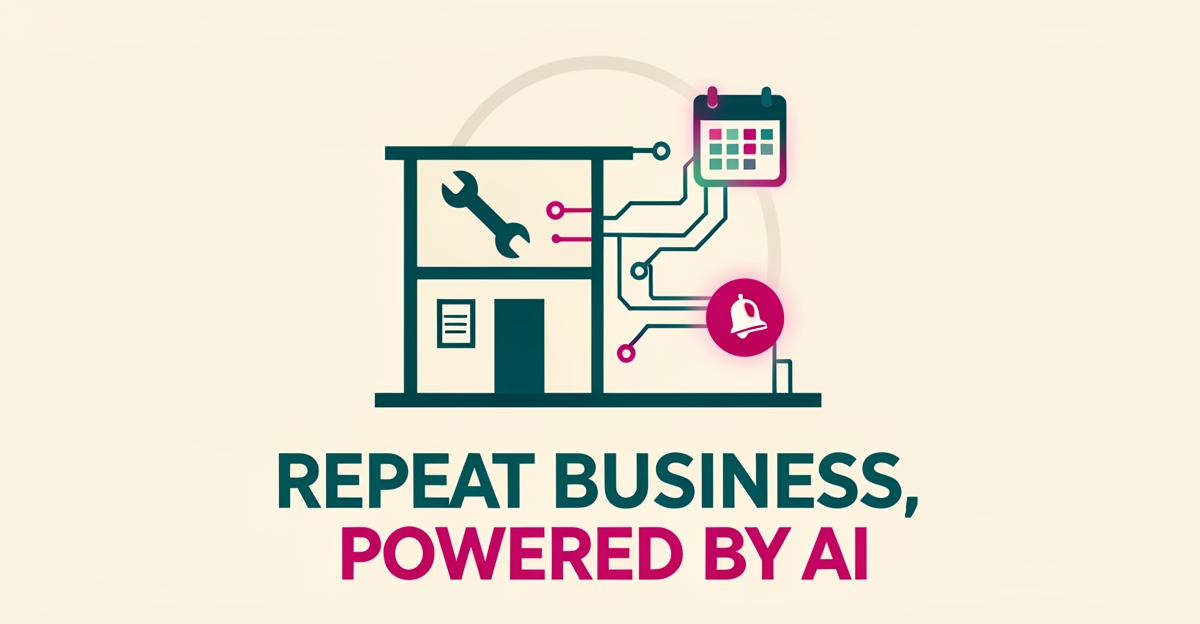
AI-Powered Customer Retention: How Home Repair Businesses Can Keep Clients Returning
Key Facts
- Acquiring a new customer typically costs several times more than retaining an existing one, according to industry research.
- Repeat customers tend to spend meaningfully more than first-time buyers, as documented in customer behavior studies.
- Small improvements in retention rates can drive outsized gains in customer lifetime value, per industry research.
- Most small business owners believe retaining existing customers is more cost-effective than acquiring new ones, research shows.
- Businesses using AI-driven customer support have reported measurable gains in customer satisfaction, according to LiveAgent analysis.
- AI-driven recommendations have been linked to higher conversion rates in customer engagement studies, per LiveAgent's analysis.
Hire a team member that works 24/7 — for less than a part-time wage.
AI receptionists, SDRs, dispatchers and 99+ roles. Trained on your business, fully managed.
Not sure where to start? Ask our AI planner
The Hidden Cost of One-Time Repairs: Why Home Services Struggle with Retention
One-time repairs often become dead-end transactions for home service businesses, creating a costly cycle of customer acquisition without lasting value. This pattern stems from inconsistent follow-up and missed opportunities to convert service calls into recurring maintenance relationships. When businesses fail to track service history or anticipate future needs, they leave money on the table and increase vulnerability to churn.
The financial impact is substantial: acquiring a new customer typically costs several times more than retaining an existing one according to industry research, and repeat customers tend to spend meaningfully more than first-time buyers as documented in customer behavior studies. This imbalance means home repair companies that rely solely on one-off jobs are constantly spending more to replace customers they could have kept at a fraction of the cost.
Without systematic follow-up, even satisfied customers slip away simply because they weren't reminded when their HVAC system needed seasonal tuning or their plumbing required an annual inspection. AIQ Labs addresses this gap by building intelligent systems that automatically track service intervals, predict recurring needs, and trigger personalized outreach, turning isolated repairs into predictable revenue streams. By closing the retention loop, businesses stop leaking value and start compounding it through long-term client relationships.
AI-Powered Service History Tracking: Your Digital Memory for Every Customer
Home repair businesses live or die on repeat work, and manual service records make that repeat work hard to earn. AI-powered service history tracking replaces scattered notes and memory with a continuous digital memory that learns from every job.
The system automatically logs equipment details, service dates, parts replaced, technician notes, and customer preferences the moment work is completed. Instead of digging through files, the AI builds a complete profile for each home and homeowner. This shift from manual record-keeping to intelligent systems is how proactive retention becomes operational.
With a unified history, AI can identify patterns humans miss. It recognizes when an HVAC filter is due, when a water heater approaches its typical service interval, or when seasonal maintenance aligns with a customer's past behavior. According to industry research, most small business owners believe that retaining existing customers is more cost-effective than acquiring new ones.
Predictive maintenance scheduling turns that history into timely outreach. The AI analyzes service intervals and equipment age to recommend the right service at the right time, often before a failure occurs. Industry research has found that even a small increase in retention rates can lead to a substantial increase in customer lifetime value.
Personalized follow-up messages reinforce the relationship without feeling generic. The AI references the specific job, technician, and equipment, then suggests the next logical step. This is the core of AI customer relationship management for retention and loyalty, where systems learn from behavior and recommend proactive maintenance.
AIQ Labs designs intelligent customer systems that connect service history to follow-up action, turning one-time repairs into long-term relationships. For businesses that want this handled end to end, managed [AI Employees](/ai-employees) can run follow-up, scheduling, and reminders as trained digital staff, typically at a fraction of the cost of a human hire.
Service history tracking delivers value across the customer lifecycle:
- Automatic capture of equipment model, serial number, install date, and service notes for instant recall
- Pattern detection for recurring needs such as filter changes, annual tune-ups, and seasonal prep
- Predictive alerts for components likely to fail based on age and usage history
- Personalized reminders and offers tied to the customer's specific home and past service
The result is fewer missed opportunities and more trust. Customers feel remembered, not marketed to. Businesses using AI-driven customer support have reported meaningful gains in customer satisfaction due to faster response times and personalized interactions, according to LiveAgent analysis.
When service history is intelligent, retention becomes automatic.
Proactive Maintenance Scheduling: From Reactive Repairs to Predictive Relationships
The most successful home repair businesses don't wait for equipment to fail, they anticipate needs before they become emergencies. AI-powered predictive analytics analyzes service history, seasonal patterns, and equipment lifecycles to forecast when maintenance will be required, turning reactive repairs into scheduled, relationship-building touchpoints. This shift from crisis management to proactive care not only prevents inconvenient breakdowns but also positions the business as a trusted advisor invested in the client's long-term property health.
By integrating with CRM systems, AI creates a comprehensive view of each customer's service journey, identifying recurring needs and optimal maintenance intervals. Automated follow-up systems then deliver personalized reminders via email, SMS, or voice at precisely the right moment, such as suggesting an HVAC tune-up before summer peak or gutter cleaning ahead of rainy season. These timely, relevant communications demonstrate attentiveness without being intrusive, making customers feel understood rather than sold to. Industry research links AI-driven recommendations to higher conversion rates, highlighting how predictive engagement directly influences repeat business.
This proactive approach transforms one-time fixes into predictable recurring revenue streams while strengthening customer loyalty. When clients receive helpful, timely maintenance suggestions based on their specific equipment and usage patterns, they perceive ongoing value beyond the initial service call. AIQ Labs builds intelligent customer systems that learn from behavior and recommend proactive maintenance, turning one-time repairs into long-term relationships. As a result, home repair businesses experience higher retention rates, increased customer lifetime value, and a steady pipeline of scheduled work that smooths revenue fluctuations throughout the year. Automating these responses also frees teams to focus on delivering exceptional service during scheduled maintenance visits.
Personalized Communication at Scale: AI-Driven Follow-Up That Feels Human
Personalized communication at scale is no longer a luxury reserved for large enterprises, AI makes it accessible and affordable for home repair businesses of all sizes. By leveraging natural language processing and machine learning, AI systems can engage customers with messages that reference specific service history, recommend relevant maintenance, and time communications based on individual behavior patterns.
According to industry research, companies using AI-driven customer support have reported gains in customer satisfaction due to faster response times and personalized interactions. This technology enables businesses to maintain meaningful connections with hundreds or thousands of customers simultaneously, something impossible with manual methods.
AI-powered systems excel at analyzing service records to identify patterns and predict future needs. When a customer's HVAC system is due for seasonal maintenance or their water heater approaches the end of its typical lifespan, AI can automatically trigger personalized outreach. These aren't generic reminders, they're contextually relevant messages that demonstrate genuine understanding of each customer's unique situation.
The real power lies in how natural language processing enables 24/7 customer engagement that still feels personal. Customers receive instant responses to inquiries, appointment confirmations, and follow-up messages at any hour, yet the communication maintains the warmth and specificity they expect from a trusted local service provider.
Key capabilities that make AI-driven follow-up feel human include:
- Referencing specific past services and technician notes in communications
- Recommending maintenance based on equipment age and service history
- Timing messages according to individual customer interaction patterns
- Adjusting tone and urgency based on sentiment analysis of previous conversations
- Escalating complex or sensitive issues to human team members seamlessly
AIQ Labs builds intelligent customer systems that learn from behavior and recommend proactive maintenance, turning one-time repairs into long-term relationships. These systems integrate with existing CRM platforms to create a unified view of each customer, ensuring every interaction builds on the complete relationship history. If you want to start smaller, an [AI Workflow Build](/workflow-builds) rebuilds the single workflow that costs you the most, like post-service follow-up, at a fixed price, in phases.
The impact on retention is measurable. Businesses implementing AI-driven recommendations have reported higher conversion rates, according to LiveAgent's analysis. For home repair businesses, this translates directly to more repeat service calls, higher customer lifetime value, and reduced churn, all while freeing staff to focus on complex problem-solving and relationship building that requires human expertise.
Still paying for 10+ subscriptions that don’t talk to each other?
We build custom AI systems you own outright. No vendor lock-in. Full control.
Not sure where to start? Ask our AI planner
Frequently Asked Questions
How does AI-powered service history tracking actually work for home repair businesses?
Can AI really help predict when a customer will need maintenance again?
Will customers feel like they're being spammed with automated AI messages?
What kind of return on investment can home repair businesses expect from using AI for retention?
Is AI customer service only for big companies, or can small home repair businesses use it too?
How should a home repair business get started with AI retention?
From One Repair to a Lifetime of Loyalty
The difference between a leaky bucket and a growing business comes down to what happens after the job is done. As we've seen, AI-powered service history tracking gives you a digital memory for every customer, predictive maintenance scheduling turns reactive repairs into proactive relationships, and personalized follow-up at scale makes hundreds of clients feel like your only one. Industry research consistently shows that small gains in retention drive outsized gains in customer lifetime value according to customer retention research. The next step is simple: pick one workflow, say, post-service follow-up, and see how automation could handle it for you. That's exactly what we do at AIQ Labs, building intelligent customer systems that turn one-time repairs into long-term relationships. Start with the two-minute Fit Check at [aiqlabs.ai/apply](/apply), then book a free 30-minute strategy call to map your biggest retention bottleneck. If there isn't a clear win, we'll tell you that too, no obligation, just clarity on what's possible for your business.
Make AI your competitive advantage — not just another tool.
Strategy, implementation and ongoing optimization. One partner, end to end.
Not sure where to start? Ask our AI planner