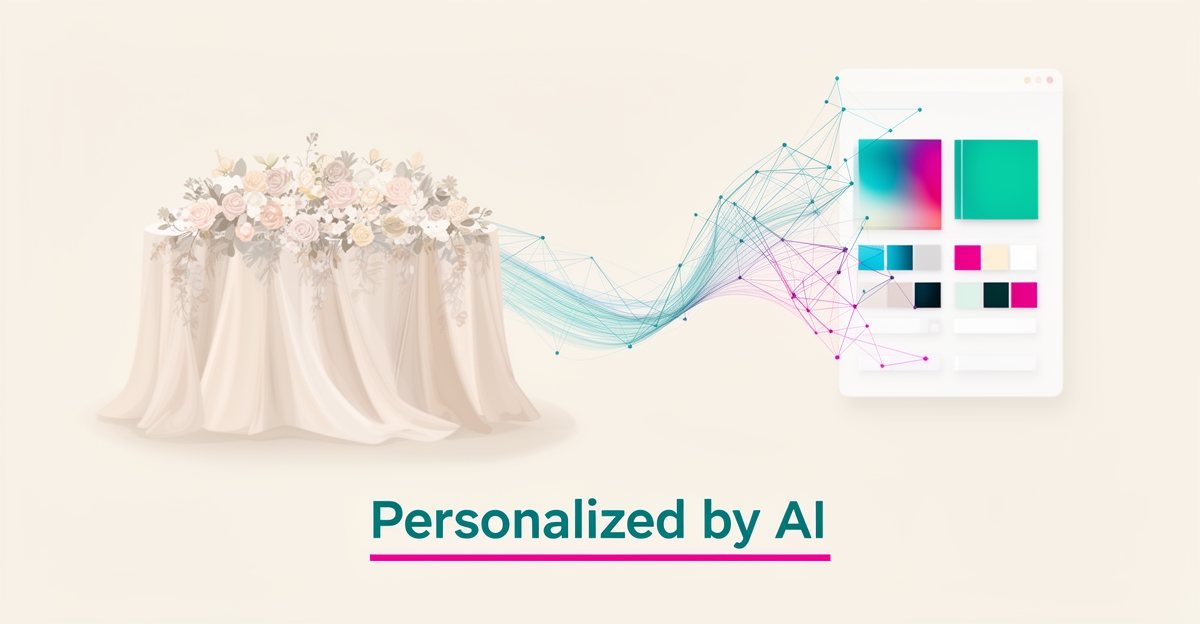
AI-Powered Design Recommendations: How Event Decor Companies Can Offer Personalized Solutions
Key Facts
- AI can typically reduce vendor search time from weeks to minutes, based on reported results from custom event planning platforms
- Teams commonly report gaining 15–20 hours per event for creative work through AI automation
- Automated budget tracking reduces manual spreadsheet errors
- Real-time timeline updates adapt to last-minute changes
- Personalized proposals reflect individual client style and goals
- Generative design tools can produce 100+ layout permutations from a single brief, per industry analysis of AI design innovation
- Digital testing is associated with roughly 40% fewer late-stage design changes, per industry analysis
Hire a team member that works 24/7 — for less than a part-time wage.
AI receptionists, SDRs, dispatchers and 99+ roles. Trained on your business, fully managed.
Not sure where to start? Ask our AI planner
The Personalization Gap in Event Decor: Why Generic Proposals Lose Clients
Event decor companies often struggle to deliver personalized proposals at scale, stuck in manual processes that slow response times and limit creativity. When teams spend hours juggling spreadsheets, vendor emails, and generic templates, they lose the chance to truly understand each client’s vision. This gap between what clients expect and what companies can efficiently deliver leads to missed opportunities and frustrated prospects who feel like just another quote in the queue.
The root of the problem lies in how time-consuming administrative work drains resources that could be spent on strategy and relationship-building. Industry insights on AI for event planning suggest that automating repetitive tasks like vendor matching and budget tracking can save teams 15–20 hours per event. What once took weeks of manual vendor research can now happen in minutes, freeing up creative teams to focus on crafting unique concepts instead of chasing down availability and pricing.
This shift from execution to strategy is where personalization becomes possible. When decorators aren’t bogged down by logistics, they can dive deeper into client preferences, analyze past project successes, and tailor recommendations around specific themes, guest lists, and venue constraints. AI-powered tools enable this by transforming raw inputs, like a client’s Pinterest board or verbal description, into actionable design directions, color palettes, and layout suggestions that feel bespoke, not templated.
- AI can reduce vendor search time from weeks to minutes
- Teams commonly gain 15–20 hours per event for creative work
- Automated budget tracking reduces manual spreadsheet errors
- Real-time timeline updates adapt to last-minute changes
- Personalized proposals reflect individual client style and goals
AIQ Labs helps event decor companies bridge this personalization gap by integrating creative AI into their workflows, turning insights into instant, actionable proposals without adding complexity. Instead of replacing human creativity, AI handles the repetitive groundwork so teams can invest their energy where it matters most: understanding the client, refining the vision, and delivering decor that feels truly one-of-a-kind.
How AI Analyzes Event Data to Generate Tailored Decor Recommendations
Every client brief contains the raw material for a personalized proposal, event theme, guest count, budget, style preferences, but most decor companies still parse that data manually. AI changes the equation by treating each brief as a structured input that feeds directly into design recommendations.
The mechanics start with data capture. In custom event and wedding planning platforms, clients share budget, style, date, and location preferences, and the system surfaces vetted options with matching availability and service fit. That same intake logic translates directly to decor: the AI processes the theme, guest list size, and past project history to generate decor styles, color palettes, and layout ideas tailored to the specific event. Teams running these systems have reported meaningfully faster vendor matching and substantial reductions in logistics time, often cutting admin hours per event by double digits.
What makes modern systems genuinely adaptive is their architecture. Multi-agent design platforms illustrate the pattern: specialist agents handle planning, pick the right models for each task, and deliver on-brand assets ready to ship. Two capabilities matter most for decor companies:
- Brand-as-system-prompt: brand consistency is enforced automatically across every output, so recommendations stay on-brand without manual review.
- Smart model routing: each task is automatically routed to the model best suited for it, or a designer can override and choose their own for any creative format.
- Memory of past work: the agent remembers your brand, style, and recent projects, so you're never starting from zero on a new proposal.
The interaction model matters as much as the output. Rather than demanding complete briefs upfront, a well-designed agent asks one clear question at a time, turning vague ideas into sharp briefs in a few exchanges, exactly how a decor consultant would refine a client's vision. This feedback loop is where static briefs become dynamic design solutions: each client response updates the recommendation set in real time.
The broader design industry confirms the payoff. Analysis of generative design tools points to 30–50% faster design cycles and 100+ layout permutations generated from a single brief, while digital testing is associated with roughly 40% fewer late-stage design changes. For event decor, that means presenting a client with dozens of viable tablescapes, palettes, and floor layouts in the time it once took to mock up three.
For decor companies, the implication is clear: personalization at this depth requires integrated systems, not standalone tools. Teams that connect creative AI into their workflow infrastructure, so insights move instantly from analysis to proposal, as AIQ Labs builds for its clients, turn every historical project into a compounding advantage over competitors still working from static mood boards.
From Insight to Action: Integrating AI Recommendations into Event Decor Workflows
Event decor companies can turn AI-generated design insights into actionable workflows through AIQ Labs’ three entry points, ensuring seamless integration without disrupting existing operations. An AI Workflow Build rebuilds the one workflow that costs you the most, vendor matching, budget tracking, proposal generation, at a fixed price, in phases, connecting directly with your CRM and project management systems for real-time data synchronization. This unified approach eliminates manual data entry and creates a single source of truth across teams, allowing decorators to act on design recommendations instantly.
AI Employees enhance client engagement by handling initial consultations, interpreting style preferences through natural language, and iterating on design concepts based on feedback, all while integrating with scheduling and communication tools. These managed AI staff work 24/7 at a fraction of the cost of a human hire, reducing response times and freeing human designers to focus on creative strategy and vendor negotiations. By automating repetitive tasks like moodboard generation and layout variations, teams can deliver personalized proposals faster without sacrificing quality or client touchpoints.
For companies ready to go further, an AI Operating System connects everything into one operating layer, intake, design, vendors, budgets, client communication, built in phases and owned outright. Adoption is guided with change management, governance protocols, and role-specific training, from lead designers to project coordinators. With clear performance metrics and feedback loops, companies continuously refine their systems and expand use cases as they mature, proving that intelligent automation, when implemented thoughtfully, becomes a long-term competitive advantage rather than a disruptive experiment. Start the Fit Check, https://aiqlabs.ai/apply to explore how your workflows can be transformed with AI-powered design recommendations.
Still paying for 10+ subscriptions that don’t talk to each other?
We build custom AI systems you own outright. No vendor lock-in. Full control.
Not sure where to start? Ask our AI planner
Frequently Asked Questions
How much time can AI save event decor teams on vendor matching and budget tracking?
Can AI-generated design recommendations still reflect my company’s brand style?
Will using AI for event decor proposals make the process feel less personal to clients?
How does AI improve the speed and quality of design iterations for event decor?
Do I need to replace my current tools to use AI for event decor workflows?
What kind of ROI can event decor companies expect from adopting AI-powered design tools?
From Overwhelm to Opportunity: How AI Unlocks True Personalization in Event Decor
Event decor companies topping the personalization curve aren’t just working harder, they’re working smarter by letting AI handle the administrative weight that drowns creativity. As we’ve seen, automating vendor searches, budget tracking, and timeline updates frees teams to reclaim 15–20 hours per event, redirecting that energy into understanding client visions and refining unique concepts. When AI processes briefs in real time, turning Pinterest boards into actionable palettes and learning from past projects, it transforms generic proposals into bespoke experiences that resonate. The result isn’t just faster turnarounds; it’s deeper client trust, fewer revision cycles, and proposals that feel less like quotes and more like collaborations. For decorators ready to shift from execution to strategy, the path forward starts with assessing where AI can remove friction in your current workflow. Take the first step with a free, no-obligation 30-minute strategy call to explore how AI-powered design recommendations can become your competitive advantage, without adding complexity or sacrificing the human touch that makes your work unforgettable.
Make AI your competitive advantage — not just another tool.
Strategy, implementation and ongoing optimization. One partner, end to end.
Not sure where to start? Ask our AI planner