AI-Powered Field Service Scheduling: How Backflow Testing Firms Can Optimize Workload Distribution
Key Facts
- Automated booking, rescheduling, and confirmation workflows typically deliver large reductions in manual scheduling effort
- Real-time two-way calendar sync dramatically reduces double bookings when schedules update in both directions
- Preventive maintenance planning is widely reported to reduce equipment downtime, often by double-digit percentages
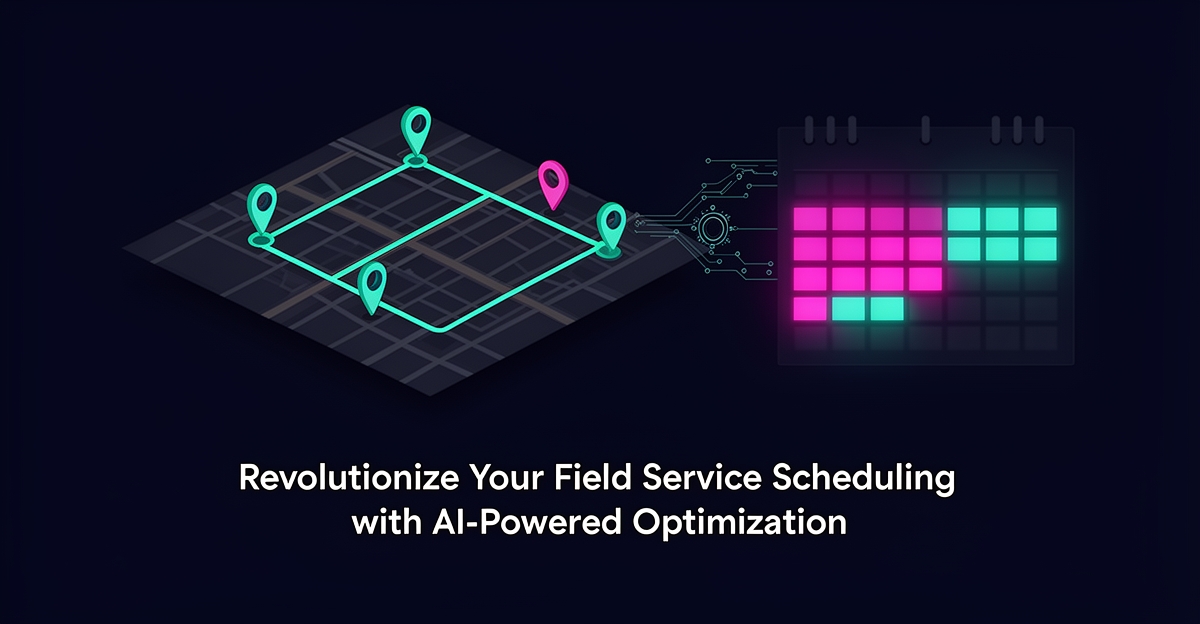
- AI scheduling minimizes drive time by clustering jobs geographically
- Technician skill matching prevents over-scheduling and under-utilization
- Proactive scheduling improves customer satisfaction through faster response times
Hire a team member that works 24/7 — for less than a part-time wage.
AI receptionists, SDRs, dispatchers and 99+ roles. Trained on your business, fully managed.
Not sure where to start? Ask our AI planner
The Scheduling Bottleneck Costing Backflow Firms Time and Revenue
Backflow testing firms lose revenue every time a technician sits idle or a route gets scrambled mid-day. Over-scheduling creates bottlenecks while under-utilizing crews leaves billable hours on the table, forcing dispatchers into constant manual fixes.
Reactive dispatch magnifies the problem. When schedules are built by hand, geographic load and technician capacity rarely align with real demand. The result is downtime, missed windows, and customer delays that erode trust.
The cost is measurable even when it goes untracked. Field service operators who move testing and maintenance onto planned schedules typically report meaningful drops in downtime, because work gets grouped, anticipated, and resourced ahead of time instead of chased after the fact.
Manual rescheduling is a hidden drain on operations. Dispatch teams spend hours re-routing after cancellations, traffic, or weather shifts. AI-powered scheduling absorbs most of that rework automatically, freeing staff for higher-value work.
The friction compounds across the day. Double bookings create customer complaints, late arrivals compress service windows, and technicians waste time driving between distant jobs. Without real-time visibility, firms operate in a reactive loop instead of a proactive system.
Optimized workload distribution addresses these pressure points by balancing three inputs:
- Geographic load clustering to minimize drive time and maximize stops per route
- Technician capacity and skill matching to the right tests and certifications
- Historical data and real-time demand signals to anticipate peaks and weather impacts
When these factors are modeled together, schedules become resilient. Daily plans adapt as demand shifts, reducing idle time and protecting revenue.
This is where an AI Workflow Build changes the dynamic. AIQ Labs rebuilds the one workflow that costs you the most, often dispatch and scheduling, as an intelligent system that adjusts based on real-time demand and weather, moving firms from reactive dispatch to proactive, data-driven deployment.
The shift is from spreadsheets and phone calls to systems that learn. Firms that adopt this approach reduce manual coordination, improve on-time performance, and give technicians predictable, efficient days.
Ultimately, the scheduling bottleneck is not a staffing problem. It is a visibility and coordination problem that AI can resolve by aligning people, places, and priorities every day.
How AI Builds Optimized Daily Routes From Geographic Load and Capacity
Backflow testing firms face constant pressure to balance technician workloads across unpredictable service areas while maintaining response quality. AI-powered scheduling transforms this challenge by analyzing geographic clusters of jobs, technician skill sets, and real-time availability to build daily routes that minimize travel time and maximize coverage. Automating booking, rescheduling, and confirmation workflows directly reduces idle time between appointments and the coordination load on dispatchers.
The system continuously evaluates historical service patterns alongside live demand signals, such as emergency calls or weather-related disruptions, to dynamically adjust routes without overburdening any single technician. By factoring in individual capacity limits, certification levels, and proximity to parts depots, AI ensures each route remains balanced and achievable within standard work hours. This proactive load distribution prevents both burnout from over-scheduling and revenue loss from under-utilized capacity, creating a sustainable rhythm for field operations.
One of the most immediate impacts is the near-elimination of scheduling conflicts that disrupt daily flow. Real-time two-way calendar synchronization means an appointment changed on a technician's phone updates the master schedule instantly, and vice versa, so double bookings become rare instead of routine. Dispatchers gain confidence that assignments are conflict-free, while technicians receive optimized routes that cluster jobs geographically, reducing fuel costs and wear on vehicles while increasing the number of completed tests per day.
Beyond immediate efficiency gains, AI-driven scheduling supports long-term operational resilience by identifying patterns that inform preventive maintenance planning. When geographic load data reveals recurring high-demand zones or seasonal spikes, firms can strategically position resources or adjust technician schedules ahead of peak periods. This shift from reactive to proactive service delivery not only improves customer satisfaction through faster response times but also extends the lifespan of testing equipment by ensuring consistent, calibrated use across the fleet. For backflow testing providers aiming to scale without sacrificing service quality, AI-optimized routing turns geographic complexity into a competitive advantage.
From Reactive to Proactive: Data-Driven Scheduling That Improves Customer Satisfaction
Backflow testing firms are shifting from reactive service delivery to proactive scheduling by leveraging AI to automate booking, rescheduling, and confirmation workflows. This transition eliminates manual coordination delays and ensures technicians are dispatched based on real-time availability, geographic proximity, and historical service patterns. As a result, response times improve significantly, reducing customer wait times and increasing first-visit completion rates.
AI-powered scheduling drives measurable gains in operational efficiency. Automation of booking and confirmation processes cuts the manual coordination burden dramatically, while intelligent systems continuously optimize technician routes and workloads, preventing both over-scheduling and under-utilization. With real-time two-way calendar sync, double bookings become the exception rather than a daily firefight, ensuring appointment slots are used effectively. These capabilities allow firms to maintain consistent service levels even during peak demand periods or unexpected disruptions.
The impact extends beyond internal operations to customer satisfaction. By minimizing downtime through predictive scheduling and reducing response times, firms deliver more reliable service experiences. Proactive maintenance enabled by AI insights helps prevent emergency calls and builds trust with clients who value timely, dependable support. Dispatchers gain enhanced decision-making power through data-driven insights, allowing them to anticipate bottlenecks and reallocate resources before issues arise. This shift from firefighting to foresight transforms service delivery into a strategic advantage.
AIQ Labs supports this transformation by building intelligent scheduling systems that analyze geographic load, technician capacity, and historical data to create optimized daily schedules. These systems dynamically adjust based on real-time demand and weather factors, ensuring field teams operate at peak efficiency. Through continuous monitoring and adaptive learning, the system evolves with the business, and because you own it outright, it keeps working for you instead of renting you access. Scheduling stops being a reactive chore and becomes a proactive engine for growth and customer loyalty.
Implementing AI Scheduling Without Disruption
Rolling out AI scheduling works best when technicians and dispatchers experience less disruption, not more. A phased approach protects daily operations while building trust in the system.
Start with organizational readiness and data health. Assess current scheduling pain points, technician workload patterns, and dispatcher workflows before selecting technology. Evaluate data infrastructure and quality, because data quality and integration are consistently cited as the core implementation challenges in field service. Clean, accessible data on jobs, travel times, and service history is the foundation for accurate optimization.
Choose a solution that fits operational reality and integration needs. Compare capabilities against geographic load balancing, capacity rules, and real-time demand adjustments. Custom builds can replace costly subscription stacks with owned systems. AIQ Labs architects custom scheduling systems that dynamically adjust based on real-time demand and weather factors, and also offers managed AI Employees for dispatch and scheduling support at a fraction of a human hire's cost.
Plan change management early. Workforce adoption is often the deciding factor for success. Address workforce concerns directly and provide thorough training. Involve technicians and dispatchers in pilot design, define clear escalation paths, and set expectations for how AI recommendations will be used.
Training should cover both system use and decision logic. Technicians need mobile access to updated routes and the ability to report exceptions. Dispatchers need training on override controls, exception handling, and performance dashboards. Privacy and security concerns should be addressed with role-based access, audit trails, and data governance aligned to service industry standards.
Implementation can follow a practical rollout roadmap:
- Assess readiness and map current scheduling workflows and data sources
- Evaluate data quality, integration points, and privacy requirements
- Select and pilot the solution with a small crew or territory
- Train technicians and dispatchers with hands-on scenarios and feedback loops
- Monitor performance and iterate on rules, capacity settings, and exceptions
Monitor and optimize continuously. Track metrics such as on-time arrival, travel time, and manual rescheduling effort. Automation of booking, rescheduling, and confirmation workflows typically produces the largest early wins, and real-time two-way calendar sync keeps double bookings near zero once the system is live.
When the system is stable, expand coverage and refine rules. Preventive maintenance planning built on the same scheduling data can reduce equipment downtime through better preparation and fewer emergency dispatches. Ongoing monitoring turns scheduling from a daily task into a continuous improvement loop that supports workload distribution and technician utilization.
Still paying for 10+ subscriptions that don’t talk to each other?
We build custom AI systems you own outright. No vendor lock-in. Full control.
Not sure where to start? Ask our AI planner
Frequently Asked Questions
How much can AI-powered scheduling reduce manual rescheduling effort for backflow testing firms?
What is the impact of AI on scheduling efficiency when automating booking, rescheduling, and confirmation workflows?
Can AI scheduling avoid double bookings, and how accurate is it?
How does preventive maintenance through AI scheduling reduce downtime for backflow testing firms?
What are the main challenges when implementing AI scheduling in field service operations?
How does AI scheduling improve customer satisfaction for backflow testing providers?
Your Next Schedule Could Build Itself
The scheduling bottleneck in backflow testing isn't a staffing problem, it's a visibility and coordination problem, and it's one AI can solve. Throughout this article, we've seen how geographic load clustering, technician capacity matching, and real-time demand signals turn chaotic daily dispatch into resilient, data-driven schedules. The path forward doesn't require a rip-and-replace overhaul, start by mapping your current workflows, assessing data quality, and piloting optimization with a small crew or territory before expanding. When you're ready to explore what that looks like for your operation, AIQ Labs builds scheduling systems you own outright, dynamically adjusting to real-time demand and weather. Take the two-minute Fit Check at aiqlabs.ai/apply, then book a free 30-minute strategy call with an AI engineer, a real working session to map your biggest bottleneck. If there isn't a clear win, we'll tell you that too. No pressure, just clarity on what optimized scheduling could be worth to your firm.
Make AI your competitive advantage — not just another tool.
Strategy, implementation and ongoing optimization. One partner, end to end.
Not sure where to start? Ask our AI planner