AI-Powered Field Technician Support: How to Reduce On-Site Errors and Missed Repairs
Hire a team member that works 24/7 — for less than a part-time wage.
AI receptionists, SDRs, dispatchers and 99+ roles. Trained on your business, fully managed.
Not sure where to start? Ask our AI planner
How AI-Powered Support Reduces Errors Through Real-Time Context
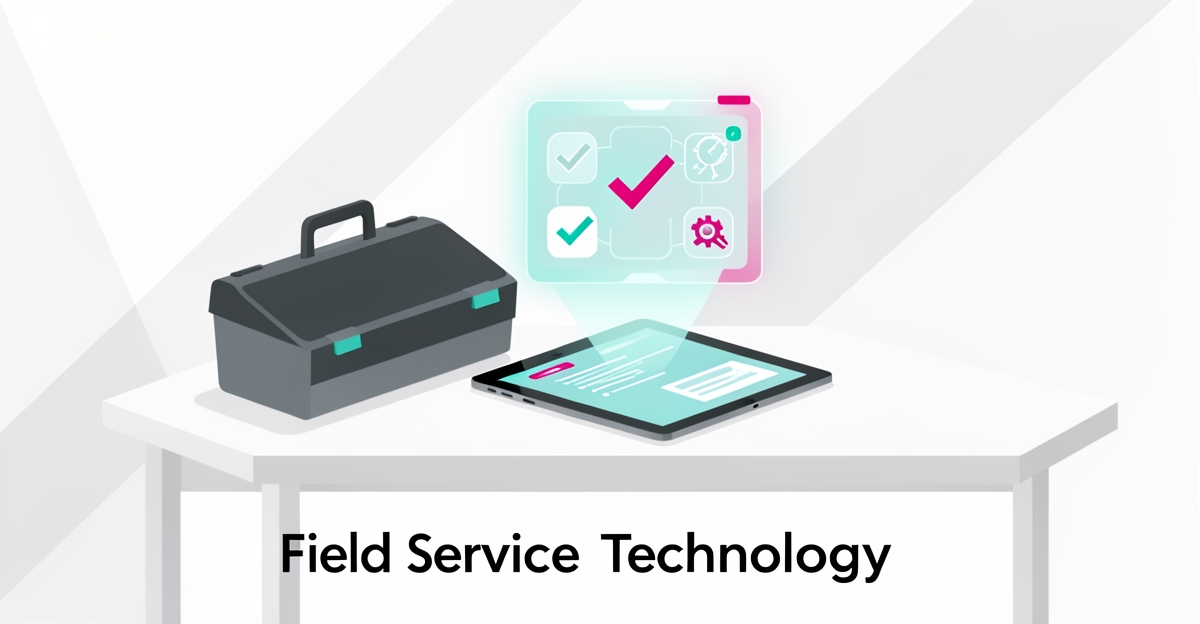
Practical AI field support typically delivers four things on-site:
- Instant job history. The technician asks in plain language, "What was done on this unit last time?", and gets the answer without digging through a dispatch system.
- Guided troubleshooting. Step-by-step procedures, with photos and video for the specific equipment, reduce guesswork on unfamiliar repairs.
- Remote expert assist. When a tech is stuck, AI can route the case to a senior technician and share what the field tech is seeing, in real time.
- Automated compliance checks. The system verifies required steps, signatures, and documentation are complete before the job can be closed, catching missed items before the truck leaves the driveway.
AI also handles the paperwork: generating service reports, updating records, and flagging follow-up work automatically. That frees technicians to focus on the repair itself and reduces the end-of-day admin burden that drives burnout on frontline teams.
The result, in most deployments, is a measurable lift in first-time fix rates and a drop in repeat visits, though the exact numbers depend on your data quality and how well the system fits your workflows.
Implementing AI Field Support: From Pilot to Owned System
The biggest adoption hurdles are upfront cost, workflow change, and data quality. The way past all three is to start narrow and build deliberately:
- Pick the one workflow that costs the most. For most field service operations that's dispatch, on-site documentation, or repeat-visit prevention. A focused AI Workflow Build rebuilds that single workflow at a fixed price, in phases, so you see value before committing further.
- Prove it with real jobs. Run the AI alongside your current process for a defined period. Measure first-time fix rate, repeat visits, and admin hours, not vanity metrics.
- Scale into an operating layer. Once one workflow works, connect scheduling, inventory, compliance, and customer communication into one system. An AI Operating System is built in phases and owned outright, no per-seat licensing, no vendor lock-in.
Where AI Employees fit in: a managed AI dispatcher or service coordinator can handle intake, scheduling, and follow-ups around the clock at a fraction of the cost of an additional hire, keeping technicians' calendars full and their paperwork current.
Generic field service platforms rarely fit specialized trades, telecom, HVAC, pest control, and utilities each have different compliance and documentation requirements. Custom systems built around your actual job history and workflows outperform one-size-fits-all templates.
Still paying for 10+ subscriptions that don’t talk to each other?
We build custom AI systems you own outright. No vendor lock-in. Full control.
Not sure where to start? Ask our AI planner
Frequently Asked Questions
How does AI actually reduce on-site errors and missed repairs for field technicians?
Can AI help technicians when they're stuck on a repair they've never seen before?
Is it true that most field technicians are overloaded and AI can help with that?
What's the ROI of investing in AI-powered field service management?
What are the biggest challenges when adopting AI for field technician support?
Do we need industry-specific AI tools, or will a generic field service platform work?
Turning Field Challenges into Operational Wins
AI-powered field technician support isn't just about fixing errors, it's about building a more resilient, efficient operation where technicians have the right information at the right time, reducing repeat visits and improving first-time fix rates. By accessing job history, verifying compliance, and enabling real-time decision-making on-site, businesses can transform field service from a reactive cost center into a proactive driver of customer satisfaction and operational excellence. For companies ready to move beyond guesswork and manual checklists, the path forward starts with understanding where AI can deliver the highest impact in your specific workflows. Take the first step with a 2-minute Fit Check, then book a free 30-minute strategy call to explore how AIQ Labs can help you build custom field support systems that your team owns and relies on, no vendor lock-in, just practical AI that works as hard as your technicians do.
Make AI your competitive advantage — not just another tool.
Strategy, implementation and ongoing optimization. One partner, end to end.
Not sure where to start? Ask our AI planner