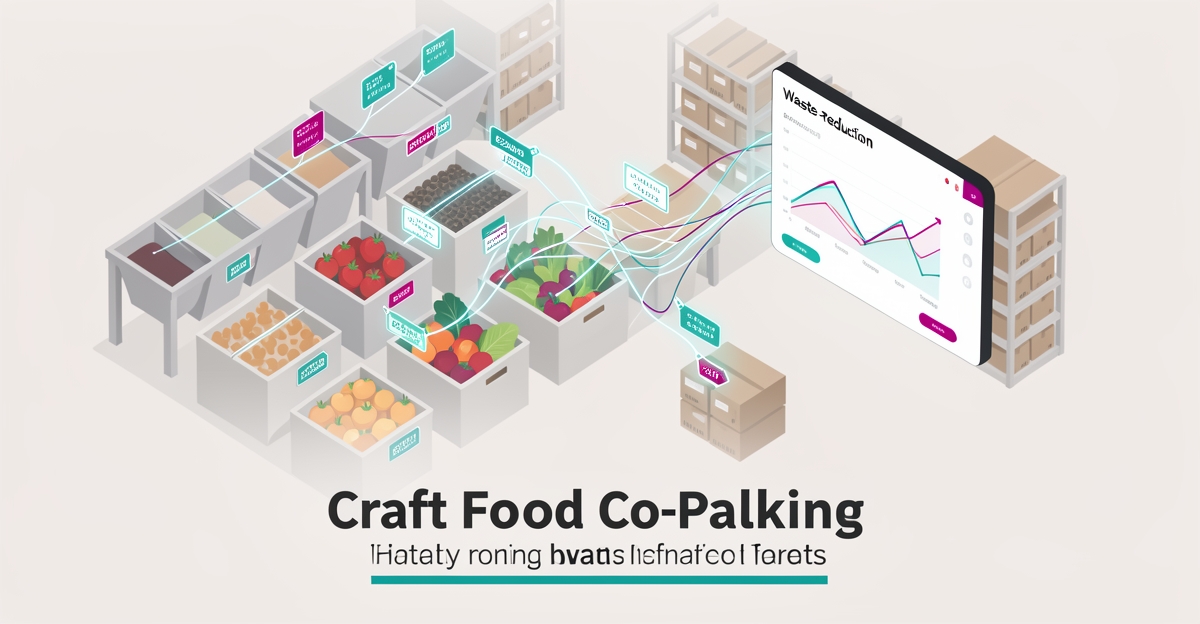
# AI-Powered Ingredient Tracking: How Craft Food Co-Packers Can Reduce Waste
**Quick Answer:** Reduce food waste with AI-powered ingredient tracking, automate invoices, logs, and expiry data into real-time dashboards. Craft co-packers cut spoilage by using predictive insights to adjust schedules and prevent overstock. Start with a free 30-minute strategy call to see how AIQ Labs builds waste-reducing systems that scale without added staff.
## Key Facts
- AI can read, clean, categorize, and validate supplier invoice data before pushing it directly into CRMs, ERPs, and databases
- AI systems can automatically adjust production schedules based on real-time ingredient availability, cutting waste from overproduction
- AI systems can predict equipment maintenance needs before failures compromise batches, turning maintenance into waste prevention
- AI quality control can prioritize high-risk batches based on historical patterns, shifting waste management from reactive disposal to prevention
- AI systems scale processes without proportional staff increases while maintaining consistent operations across facilities
- AI can surface optimization opportunities human operators miss due to the complexity of managing multiple variables simultaneously
- Manual ingredient tracking typically drives higher ongoing labor costs and coordination delays compared to connected AI systems
## Table of Contents
1. [The Hidden Cost of Manual Ingredient Tracking](#the-hidden-cost-of-manual-ingredient-tracking)
2. [How AI Document Processing Enables Real-Time Ingredient Visibility](#how-ai-document-processing-enables-real-time-ingredient-visibility)
3. [From Data to Action: Predictive Waste Reduction in Practice](#from-data-to-action-predictive-waste-reduction-in-practice)
4. [Implementing AI Tracking Without Disrupting Your Workflow](#implementing-ai-tracking-without-disrupting-your-workflow)
## The Hidden Cost of Manual Ingredient Tracking
Manual ingredient tracking feels familiar, but the cost compounds quietly across every shift. In craft food co-packing, spreadsheets, paper logs and whiteboards create blind spots that turn into spoilage, overtime and last-minute scrambles.
Ingredient usage is logged by hand after production, often hours later. Expiry dates live on bin labels and purchase orders that never sync with the floor schedule. Batch histories are reconstructed from scattered notes, slowing traceability when a quality question arises. Those delays drive reactive quality control instead of prevention.
Manual coordination creates inefficiencies: coordination delays, higher ongoing labor costs for routine tasks, and labor spent chasing missing data and reworking orders. The result is avoidable waste and downtime that could be prevented with earlier visibility.
Cross-department communication suffers because production, receiving and QA each hold a different version of truth. A late invoice entry or missed expiry update means ingredients get used past their optimal window. Without real-time linkage, teams rely on memory and handoffs, a core source of process delays in manual environments.
The hidden cost shows up in three recurring patterns:
- Spoilage from expired or mis-rotated stock that was visible only on paper
- Labor spent reconciling supplier invoices, production logs and inventory counts by hand
- Reactive quality holds because batch histories are assembled after an issue appears
AI document processing changes the data flow. AI can read and extract structured data, clean it, categorize it, and validate it before pushing it directly into CRMs, ERPs, Airtable, Monday, databases, and other systems. For co-packers, that means supplier invoices and production logs become live inputs rather than end-of-day paperwork.
With real-time extraction, ingredient usage, expiry dates and batch histories update as work happens. Dashboards built from those feeds give planners immediate visibility into what is available, what is at risk, and what should be scheduled next. **Proactive visibility replaces reactive firefighting**.
Connected AI systems also demonstrate broader operational leverage: lower labor costs for routine operations, less waste and downtime, and the ability to scale processes without proportional staff increases. These benefits are typically most pronounced where coordination complexity is high.
AIQ Labs applies this approach through [AI Workflow Builds](/workflow-builds) and [AI Operating Systems](/ai-operating-systems). Intelligent document processing pulls data from supplier invoices and production logs to create dynamic tracking dashboards that minimize spoilage and optimize inventory. The shift is from chasing paperwork to trusting a single, continuously updated view of ingredients across the operation.
## How AI Document Processing Enables Real-Time Ingredient Visibility
Craft food co-packers lose visibility the moment an ingredient arrives on the dock. Invoices sit in email, production logs stay on clipboards, and expiry dates are tracked in spreadsheets that are already outdated by the time they are reviewed.
AI-powered extraction changes that by turning unstructured documents into live inventory signals. Systems read and extract structured data from supplier invoices, production logs, and quality reports, then clean, categorize, and validate it before pushing it directly into CRMs, ERPs, Airtable, Monday, databases, and other tools your team already uses.
Once data is structured, it feeds dynamic tracking dashboards that reflect real-time usage, on-hand inventory, and expiry risk. AI operating systems in food manufacturing continuously monitor production data, supplier performance, quality metrics, and regulatory requirements. That continuous monitoring replaces reactive checks with proactive alerts.
The visibility enables **real-time ingredient visibility** across receiving, production, and storage. Dashboards surface patterns human teams miss because AI can identify optimization
AI Employees
Hire a team member that works 24/7 — for less than a part-time wage.
AI receptionists, SDRs, dispatchers and 99+ roles. Trained on your business, fully managed.
See If You’re a Fit — AI Employees from $700/mo
Not sure where to start? Ask our AI planner
opportunities that operators typically overlook when managing multiple variables simultaneously.
With live data in place, co-packers can move from manual tracking to automated decision support:
- Automatic schedule adjustments based on ingredient availability
- Expiry risk flagging guided by historical usage and batch dates
- Batch history traceability pulled from invoices and production logs
- Predictive reorder prompts that prevent stockouts and over-ordering
AI systems can automatically adjust production schedules based on ingredient availability. That capability reduces waste from expired ingredients and downtime from missing components.
The approach aligns with how AIQ Labs builds intelligent document processing systems that pull data from supplier invoices and production logs to create dynamic tracking dashboards. Integration with existing ERP and MES tools ensures the data is actionable where teams already work.
For multi-facility co-packers, this standardization is especially valuable. AI systems can maintain consistent operations across all facilities and standardize quality control and compliance. New sites adopt proven processes without rebuilding manual playbooks.
The result is less spoilage, tighter inventory, and clearer audit trails, with routine data work handled automatically so production teams focus on quality and throughput.
## From Data to Action: Predictive Waste Reduction in Practice
Craft food co-packers are moving beyond static ingredient tracking to responsive systems that prevent waste before it occurs. By continuously analyzing real-time data from supplier invoices and production logs, AI systems transform passive records into active decision-making tools that optimize every stage of production.
These systems automatically adjust production schedules based on current ingredient availability and expiry timelines, ensuring perishable materials are used in the optimal sequence. When ingredient shortages or surpluses are detected, the system reallocates resources across batches to minimize spoilage risk while maintaining output targets. This dynamic scheduling is particularly valuable for co-packers managing complex, multi-ingredient recipes where timing is critical to product quality and shelf life, reducing the guesswork that often leads to overproduction or premature use of aging stock.
Beyond scheduling, AI-powered tracking flags at-risk batches by monitoring multiple risk factors simultaneously, including temperature fluctuations, supplier variability, and approaching expiration dates. When patterns indicate a batch may not meet quality specifications before its intended use date, the system generates early warnings that allow intervention through reprocessing, expedited use, or preventive isolation. This shifts waste management from reactive disposal to preventive action, addressing issues while ingredients remain viable. Quality control inspections guided by AI recommendations can prioritize high-risk batches based on historical patterns, focusing attention where it matters most.
Predictive maintenance further reduces waste by identifying equipment issues before they compromise product integrity. By analyzing operational data from mixers, ovens, and packaging lines, AI systems forecast when components are likely to fail or perform suboptimally, allowing maintenance during scheduled downtime rather than mid-production. This prevents batch contamination, inconsistent processing, and the waste that occurs when equipment fails during a run, turning maintenance from a reactive cost center into a waste prevention strategy.
- Continuous monitoring of ingredient quality metrics from receipt through production
- Automated adjustment of production sequences based on real-time expiry data
- Early flagging of batches showing deviation from quality parameters
- Predictive scheduling of maintenance to prevent equipment-related spoilage
- Dynamic reallocation of ingredients across production lines to optimize usage
For craft food co-packers operating multiple production lines or facilities, these predictive capabilities create consistency that manual tracking cannot achieve. AI systems maintain uniform standards across locations by applying the same risk algorithms and adjustment protocols, so waste reduction strategies work regardless of production volume or location. This scalability lets growing co-packers expand without proportional increases in waste management complexity or staffing.
The true value emerges when tracking data flows directly into operational decisions rather than remaining siloed in spreadsheets or quality reports. When ingredient usage patterns, expiry predictions, and equipment performance data inform daily production planning, waste prevention becomes part of the workflow rather than a separate compliance exercise. That connection between data and action is where AI turns ingredient tracking from record-keeping into a core operational advantage, one that directly impacts both sustainability metrics and bottom-line results. AIQ Labs helps co-packers build these connected systems where every data point serves a purpose in preventing waste before it occurs.
## Implementing AI Tracking Without Disrupting Your Workflow
Craft food co-packers can't afford downtime when ingredient visibility is the difference between profit and spoilage. A phased rollout keeps production moving while AI quietly builds the tracking layer underneath.
Start with document extraction where the pain is most visible. Supplier invoices and production logs arrive daily in PDFs and scans. AI reads and extracts structured data, cleans it, categorizes it, and validates it before pushing it directly into CRMs, ERPs, Airtable, Monday, databases, and other systems. That single step eliminates manual entry and creates the clean data foundation the rest of the system needs.
Phase one focuses on ingestion without disruption. Teams continue their existing workflows while AI runs in
AI Development
Still paying for 10+ subscriptions that don’t talk to each other?
We build custom AI systems you own outright. No vendor lock-in. Full control.
See If You’re a Fit — AI Employees from $700/mo
Not sure where to start? Ask our AI planner
parallel, mapping fields, flagging mismatches, and building a historical ingredient ledger. This mirrors how AIQ Labs approaches document processing: pulling data from supplier invoices and production logs to create dynamic tracking dashboards with minimal change to daily routines.
Once extraction is reliable, integrate with existing systems. Connect the AI layer to ERP, MES, and inventory tools through APIs so usage, expiry dates, and batch histories sync in real time. AI systems can automatically adjust production schedules based on ingredient availability, which reduces waste from overproduction and expiry. Integration also enables continuous monitoring of production data, supplier performance, quality metrics, and regulatory requirements.
Scale with guardrails. After validation, activate predictive flagging and dashboard access for floor managers and planners. AI systems scale processes without proportional staff increases, maintaining consistent operations across all facilities. This is where craft co-packers see waste and downtime shrink without adding headcount.
A practical rollout typically follows:
- Document capture and validation pilot on one SKU family or one supplier
- API integration with current ERP/MES and creation of real-time ingredient dashboards
- Predictive alerts for expiry, batch history traceability, and automated reorder suggestions
- Cross-facility standardization and staff training on exception handling
Staff training is required on new interfaces, and temporary workflow disruption can occur during implementation, so keep the first phase narrow and time-boxed. Human oversight remains essential for regulatory decisions, while AI handles routine optimizations that would otherwise require manual analysis.
With a build-in-milestones model, co-packers approve and pay per phase, stop anytime, and keep everything built so far. That approach reduces risk, preserves cash flow, and lets the team experience measurable waste reduction before expanding the system. If you want to map your biggest bottleneck to a high-ROI automation plan, start the 2-minute Fit Check at [/apply](/apply) for a free 30-minute strategy call.
## Frequently Asked Questions
**How does AI-powered ingredient tracking actually reduce waste in craft food co-packing?**
AI-powered tracking reduces waste by enabling real-time visibility into ingredient usage, expiry dates, and batch histories, which allows for automatic schedule adjustments, expiry risk flagging, and predictive reordering, turning reactive quality control into proactive prevention. This shifts waste management from disposal after spoilage to intervention while ingredients remain viable, minimizing overproduction and expired stock use.
**Can AI systems really adjust production schedules automatically based on ingredient availability?**
Yes. AI systems can automatically adjust production schedules based on real-time ingredient availability and expiry timelines, ensuring perishable materials are used in optimal sequence and reducing waste from overproduction or premature use of aging stock. This minimizes guesswork in complex, multi-ingredient recipes.
**Will implementing AI tracking disrupt our current production workflows?**
Implementation follows a phased rollout, starting with document extraction on supplier invoices and production logs, so teams can continue existing workflows while AI runs in parallel, building data reliability without disruption. Training and integration occur only after validation, preserving cash flow and allowing teams to experience measurable waste reduction before scaling.
**What kind of data does AI extract from supplier invoices and production logs to enable ingredient tracking?**
AI extracts structured data such as ingredient quantities, expiry dates, batch numbers, and supplier details from unstructured documents like PDFs and scans, then cleans, categorizes, and validates it before pushing it into ERPs, CRMs, or dashboards. This creates a live data foundation for real-time inventory visibility and automated decision-making.
**Is AI-powered tracking only beneficial for large co-packers with multiple facilities?**
No. While multi-facility co-packers see pronounced benefits in standardization and scalability, AI systems also help single-site operations by reducing labor costs, minimizing spoilage, and enabling predictive maintenance, scaling without proportional staff increases. The technology delivers value across sizes by turning passive records into active waste prevention tools.
**How does AI improve traceability during a quality issue compared to manual tracking?**
AI enables batch history traceability by pulling data directly from supplier invoices and production logs, eliminating the need to reconstruct histories from scattered notes after an issue arises. This shifts quality control from reactive to proactive, allowing teams to trace ingredients instantly and act before problems spread.
## From Paper Trails to Profit Protection
Manual ingredient tracking quietly erodes margin through spoilage, overtime, and reactive quality holds. AI-powered document processing turns supplier invoices and production logs into live inventory signals, giving co-packers real-time visibility into usage, expiry risk, and batch history. That visibility shifts teams from firefighting to proactive decisions: automatic schedule adjustments, early expiry flagging, and predictive maintenance that prevents equipment-related waste. For multi-facility operations, the same system standardizes quality control and scales processes without proportional staff increases. A phased rollout starting with document extraction on one SKU family lets you build the tracking layer without disrupting production.
If you want to map your biggest bottleneck to a high-ROI automation plan, start the 2-minute Fit Check at [/apply](/apply) for a free 30-minute strategy call with an AI engineer. Questions first? Reach the team at [email protected].
AI Transformation Partner
Make AI your competitive advantage — not just another tool.
Strategy, implementation and ongoing optimization. One partner, end to end.
See If You’re a Fit — AI Employees from $700/mo
Not sure where to start? Ask our AI planner