AI-Powered Inventory & Ingredient Tracking: How Catering Businesses Cut Waste
Key Facts
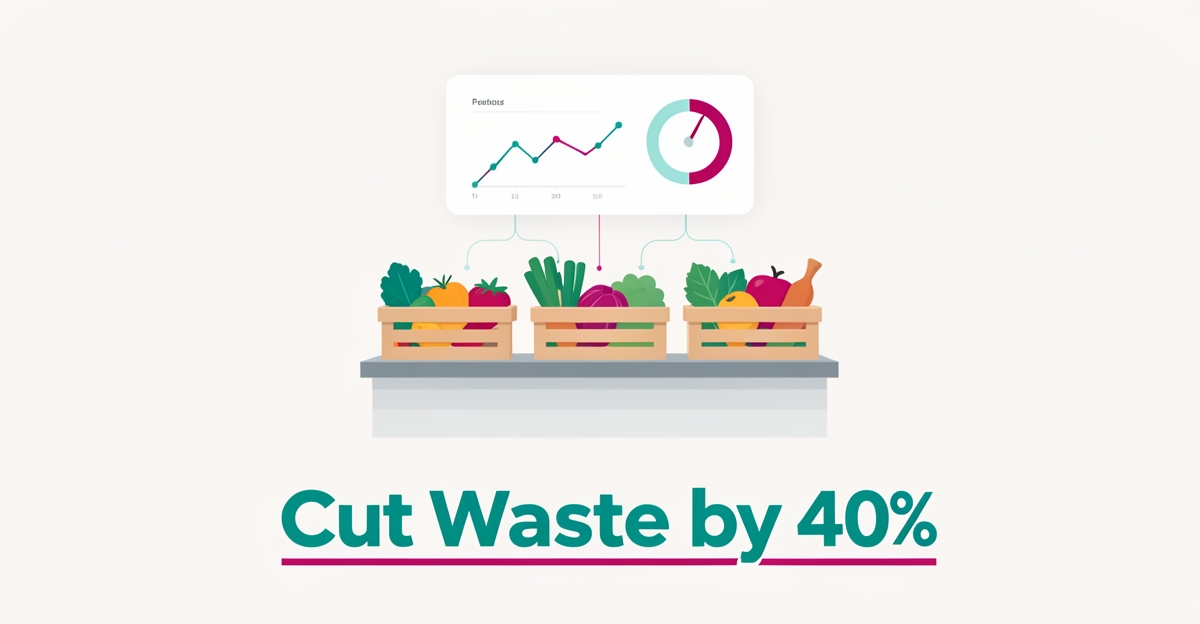
- Food-service businesses have reported waste reductions of up to 40% with AI-powered inventory management, according to food inventory research
- AI can minimize stockouts by up to 65% in inventory operations according to practical AI guidance
- Forecast errors typically drop 20-50% when AI analyzes demand patterns per inventory management guidance
- Excess inventory often falls 20-30% with AI-driven real-time tracking based on AI inventory studies
- FLO reportedly raised product availability from 71% to 94% using AI in a documented case study
- Starbucks reportedly increased inventory scanning frequency eight times with AI assistance according to implementation data
Hire a team member that works 24/7 — for less than a part-time wage.
AI receptionists, SDRs, dispatchers and 99+ roles. Trained on your business, fully managed.
Not sure where to start? Ask our AI planner
The Hidden Cost of Ingredient Waste in Catering Operations
The hidden cost of ingredient waste in catering operations runs deeper than most businesses realize. While spoiled produce or expired dairy might seem like minor losses, they compound into significant financial drains that erode profitability over time. Many caterers operate with thin margins, making even small inefficiencies in ingredient management a critical threat to sustainability.
Industry research suggests catering and food-service businesses can lose a substantial share of their ingredients to spoilage and overstocking, some reports put the figure as high as 40%, directly impacting the bottom line. This level of waste isn't just an operational hiccup, it represents a systemic failure in how inventory is tracked, forecasted, and utilized. When ingredients expire before use, businesses pay twice: once for the purchase and again for disposal, all while missing opportunities to serve clients with fresh, high-quality food.
Traditional tracking methods fail to prevent these losses because they rely on reactive, manual processes that can't keep pace with dynamic catering demands. Staff often log inventory after shifts or estimate usage based on memory, leading to inaccuracies that go unnoticed until waste occurs. Without real-time visibility into ingredient levels, usage patterns, or shelf life, caterers are forced to over-order as a safeguard against stockouts, creating a cycle where excess inventory guarantees future waste.
AI-powered inventory systems break this cycle by providing continuous, real-time tracking of every ingredient from delivery to plate. These systems monitor temperature, expiration dates, and usage rates across multiple locations, alerting managers when items approach spoilage or when stock levels deviate from predicted needs. By shifting from periodic manual counts to automated, data-driven oversight, caterers gain the foresight needed to adjust orders, repurpose ingredients, and minimize waste before it happens.
- Real-time tracking eliminates guesswork in inventory levels, with reported overstocking reductions of up to 30%
- Predictive analytics typically cut forecast errors by 20-50%, aligning purchases with actual event demand
- Automated expiration monitoring prevents spoilage by flagging at-risk ingredients before they expire
Without this level of precision, catering businesses continue to absorb avoidable costs that could otherwise be reinvested into menu innovation, staff training, or client acquisition. The true expense of waste extends beyond the ingredient itself, it includes labor for handling spoiled goods, lost revenue from suboptimal menu planning, and diminished trust when clients notice inconsistencies in food quality. Addressing this hidden cost isn't just about saving money; it's about building a more resilient, responsive operation capable of delivering consistent value in a competitive market. AIQ Labs helps caterers implement these intelligent systems, whether as a single workflow rebuild or a full AI operating system, to turn waste reduction from a hope into a measurable outcome.
How AI-Powered Tracking Predicts Demand and Prevents Spoilage
Catering businesses face constant pressure to balance ingredient availability with waste reduction, a challenge where AI-powered tracking delivers measurable results. By analyzing historical usage patterns alongside external factors like event schedules and seasonal trends, predictive analytics enable more accurate demand forecasting. Research indicates AI can cut forecast errors by 20-50%, allowing caterers to align inventory with actual needs rather than relying on guesswork. This precision directly supports efforts to minimize both shortages and unnecessary overstocking.
Real-time visibility into ingredient levels transforms how caterers manage perishable stock. AI systems continuously monitor usage across preparation stations and storage areas, flagging items approaching expiration or falling below optimal thresholds. This constant oversight enables proactive adjustments, such as prioritizing soon-to-expire ingredients in upcoming menus or triggering alerts before spoilage occurs. When combined with automated reordering based on predictive insights, businesses maintain optimal stock levels without manual intervention. Studies indicate this approach often reduces excess inventory by 20-30%, freeing up capital and storage space while decreasing the likelihood of waste.
The integration of predictive analytics, real-time tracking, and automated workflows creates a responsive inventory system that adapts to changing demands. Caterers gain the ability to anticipate needs for specific events, adjust for last-minute changes, and optimize ordering cycles based on actual consumption data. This level of control not only prevents spoilage but also improves operational efficiency by reducing time spent on manual counts and reactive purchasing. As a result, businesses report significant improvements in waste reduction, with some reporting savings of up to 40% on ingredient waste through AI-driven management, while maintaining consistent service quality. For catering operations seeking these capabilities, AIQ Labs offers fixed-price workflow builds that rebuild the inventory process that costs you the most, integrated with your existing kitchen management tools.
Implementing AI Inventory Systems: From Data Foundation to Team Training
The gap between caterers that cut waste with AI and those still doing manual counts usually comes down to implementation discipline. Adopting an AI inventory system is less about buying software and more about preparing your data, integrating it with existing tools, and training your team to act on what the system tells them.
The first step is establishing an AI-ready data foundation. AI forecasting is only as accurate as the data feeding it, so your historical sales records, ingredient usage logs, and vendor orders must be clean, connected across systems, and continuously updated. Poor data quality is the single biggest cause of inaccurate predictions, so this preparation phase pays for itself many times over.
Next, assess your specific pain points. A caterer bleeding money on spoilage has different needs than one plagued by stockouts mid-event. Knowing which problem you're solving shapes every downstream decision, from system selection to how you measure success.
When choosing a solution, integration capability matters more than flashy features. Your AI system must connect seamlessly with your POS, storage management tools, and accounting software to ensure continuous data flow. A comparison of AI versus traditional inventory management highlights that real-time tracking and predictive reordering are what separate AI systems from periodic manual counts, and neither works if the AI can't see your live order data.
Implementation follows a predictable rhythm. AIQ Labs structures builds in phases: discovery and architecture, development and integration, deployment and training, then ongoing optimization. You can engage in the way that fits: Start Monthly with a managed plan that costs roughly 80% less than a human hire, Build in Milestones and pay per phase, or Own It Outright, code, agents, and data included. AIQ Labs has deployed 200+ multi-agent systems and runs four live SaaS products daily, so the build process is proven, not experimental.
Team training is where many implementations stall. Staff accustomed to clipboard counts may resist a system that automates reordering and flags discrepancies instantly. Consider what successful adopters have reportedly done:
- Starbucks moved from infrequent manual counts to eight times more frequent AI-assisted scanning, embedding the technology into daily routines rather than treating it as a separate task.
- Pincode reportedly cut manual effort by 20% while boosting fulfilled orders by 8%, showing that automation should reduce, not add, staff workload.
- FLO increased product availability from 71% to 94% and reduced out-of-stocks from 15% to 3% by pairing the system with disciplined process change.
Finally, monitor and fine-tune. AI-powered predictive analytics continuously refine predictions as new data flows in, but regular review of performance reports and parameter adjustments keep results on track. A practical guide to AI in inventory management notes that AI can cut forecast errors by 20-50% and minimize stockouts by up to 65%, results that compound when the system is actively managed rather than passively trusted.
For caterers ready to move beyond spreadsheets, the payoff is measurable: less spoilage, fewer emergency vendor runs, and ingredient costs aligned to actual demand. The shift to smart food inventory management is already changing how businesses track, order, and handle ingredients, and implementation discipline is what turns that potential into profit.
Turn Ingredient Waste Into Operational Strength
Catering businesses can lose a substantial share of their ingredients to spoilage and overstocking, a silent drain on profitability that compounds through wasted labor, storage costs, and missed opportunities. AI-powered inventory tracking breaks this cycle by delivering real-time visibility, predictive demand forecasting, and automated expiration monitoring, cutting waste while aligning stock with actual event needs. The result isn't just less spoilage, it's fresher menus, tighter margins, and a resilient operation that adapts to demand without guesswork. For caterers ready to move beyond spreadsheets and manual counts, the path forward starts with clarity: assess your data foundation, target your biggest pain points, and build a system that pays for itself through measurable savings. Take the first step with AIQ Labs' 2-minute Fit Check, then a free 30-minute strategy call to see where AI can unlock real value in your kitchen, no pitch, just a clear roadmap to smarter inventory and a stronger bottom line.
Make AI your competitive advantage — not just another tool.
Strategy, implementation and ongoing optimization. One partner, end to end.
Not sure where to start? Ask our AI planner