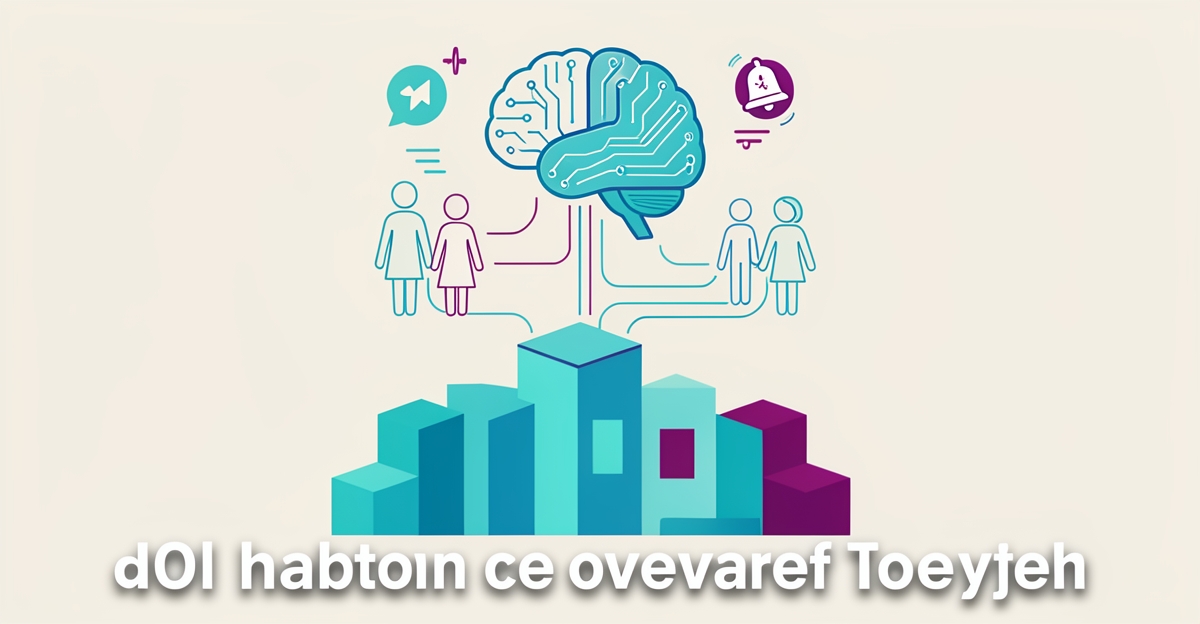
AI-Powered Parent Engagement: How Curriculum Providers Can Boost Retention
Key Facts
- Retention problems for curriculum providers are usually visibility and timing problems, not content problems.
- AI agents can monitor login frequency, content views, and course progress to flag at-risk families before they churn.
- Modular, multi-agent architectures make engagement systems interpretable, debuggable, and scalable.
- AIQ Labs has deployed 200+ multi-agent systems and runs 4 live SaaS products daily.
- AIQ Labs offers three entry points: AI Employees, AI Workflow Builds, and AI Operating Systems, with Start Monthly, Build in Milestones, or Own It Outright payment models.
Hire a team member that works 24/7 — for less than a part-time wage.
AI receptionists, SDRs, dispatchers and 99+ roles. Trained on your business, fully managed.
Not sure where to start? Ask our AI planner
The Retention Gap Curriculum Providers Face
Curriculum providers often assume that strong content alone keeps families engaged, but retention challenges frequently stem from invisible gaps in parent communication and timing. Even when courses are well-designed, families disengage mid-program due to lack of timely, personalized touchpoints that signal ongoing value. This isn't a content problem, it's a visibility and timing issue. Without proactive monitoring of parent activity, providers miss critical windows to re-engage, leading to delayed renewals, churn, and lost lifetime value.
Modern AI systems can monitor parent activity, send timely nudges, and suggest new course additions to increase long-term engagement, a capability that structured, persistent agent systems make practical in live production environments. Unlike static tools, agent-based systems persistently watch for disengagement patterns, such as missed logins or delayed feedback, and intervene before families drift away. That persistence is what turns monitoring into retention.
Personalization is another critical factor in sustaining engagement. AI-driven systems with modular architectures can adapt communications based on individual parent behavior, course progress, and preferred communication channels. For example, AI can identify when a parent hasn't interacted with progress reports in two weeks and automatically send a tailored nudge highlighting their child's recent achievement, paired with a relevant next-step course suggestion. This kind of contextual, timely interaction builds trust and reinforces the perception of ongoing value.
Without these intelligent touchpoints, curriculum providers rely on reactive outreach, often too late to prevent churn. Families may not renew not because they dislike the content, but because they didn't feel seen or guided throughout the journey. AI closes this gap by transforming passive content delivery into an active, responsive relationship. By monitoring behavior, predicting needs, and acting at the right moment, AI turns retention from a hope into a measurable outcome.
How AI Monitors, Nudges, and Recommends
Curriculum providers face a growing challenge: keeping parents actively engaged beyond initial enrollment. AI-powered parent engagement transforms this dynamic by continuously monitoring parent activity, delivering timely nudges, and intelligently recommending relevant course additions, turning passive observers into invested participants in their child's learning journey. This approach builds long-term retention through personalized, data-driven interactions that feel supportive rather than intrusive.
AI systems track subtle engagement signals, such as login frequency, time spent reviewing materials, and interaction with supplemental resources, to identify when parents may be disengaging. When patterns suggest declining involvement, the system triggers contextual nudges: a gentle reminder about an upcoming project deadline, a suggestion to review a completed module together, or an invitation to join a live Q&A session. These interventions are not generic blasts but are tailored to the family's specific course progress and historical engagement, increasing the likelihood of meaningful response.
Personalization is further enhanced through intelligent course recommendations. By analyzing a child's completed modules, assessment results, and expressed interests, AI suggests complementary or advanced courses that align with both learning goals and parental aspirations for their child's development. For example, after finishing a foundational coding module, the system might recommend a creative robotics add-on or a beginner's game design workshop, framed as natural next steps that build on existing momentum. This strategy not only deepens the child's learning experience but also reinforces the parent's perception of ongoing value in the curriculum provider's offerings.
The effectiveness of these AI-driven interactions relies on modular agentic architectures, where specialized agents handle distinct functions: one monitors activity patterns, another crafts personalized nudges, and a third generates course suggestions based on curriculum mappings and learner profiles. This separation of concerns allows for greater interpretability, easier debugging, and scalable improvements, each agent can be refined independently without disrupting the entire system. Such architectures also support responsible AI practices by enabling clear audit trails and human-in-the-loop controls, ensuring that recommendations remain educationally sound and ethically grounded.
AIQ Labs applies these principles in practice, designing systems that prioritize transparency, data privacy, and measurable impact on parent retention. With 200+ multi-agent systems deployed and 4 live SaaS products the company runs daily, the team builds engagement infrastructure that has been tested in real operating conditions. By combining continuous monitoring, intelligent nudging, and adaptive recommendations, curriculum providers can shift from reactive outreach to proactive engagement, fostering sustained involvement that benefits both families and long-term business outcomes.
Building an AI Engagement System That Scales
Curriculum providers seeking scalable parent engagement must first ground AI systems in educational rigor. This begins with mapping existing curriculum content to national or state standards and defining clear learning outcomes for each grade and subject, an essential step in creating AI that supports meaningful, aligned experiences for families. Structured alignment improves instructional coherence, which parents value when evaluating long-term program fit. A curriculum audit or gap analysis helps identify where current materials meet or fall short of objectives, providing the foundation for intelligent nudges and course suggestions. Without this alignment, AI risks generating irrelevant or misaligned recommendations that erode trust rather than build it. Teachers and instructional designers play a critical role here, ensuring that AI operates within pedagogically sound boundaries.
Once standards are mapped, the next step is designing modular AI agents that can perceive parent behavior, reason about engagement patterns, and act through personalized outreach. Modular architectures separate planning, reasoning, perception, and actuation, making systems more interpretable and easier to debug, key advantages when scaling across diverse family profiles. These agents rely on tool-use APIs to safely interact with CRM, scheduling, and communication platforms, enabling actions like sending timely nudges or suggesting new course additions based on observed activity. Long-term memory, implemented through hybrid memory stacks and vector search, allows agents to retain context over months, recognizing patterns such as seasonal enrollment dips or sustained interest in STEM topics. This memory layer transforms reactive messaging into proactive, relationship-driven engagement.
Implementation success depends heavily on preparing educators to work alongside AI. Teacher training is crucial, not just for technical fluency, but for fostering responsible AI practices that prioritize transparency, equity, and pedagogical intent. Curriculum providers should conduct professional collaboration sessions, such as Professional Learning Communities (PLCs), to align instructional strategies, assessments, and AI use across departments and grade levels. These collaborations ensure that AI-enhanced engagement complements, rather than replaces, human touchpoints in the parent journey. When teachers understand how AI monitors activity and suggests nudges, they can better interpret its outputs and reinforce them through personal communication, creating a cohesive experience that supports retention. AIQ Labs supports this integration through AI Operating Systems that curriculum providers own outright, enabling long-term adaptation without vendor dependency.
From Pilot to Retention Engine
Pilot programs stall when parent engagement is treated as an email drip. Curriculum providers need systems that observe, respond, and evolve with each family's journey.
Moving from exploration to scaled retention starts with turning parent activity into actionable signals. AI can monitor parent activity, sending timely nudges and suggestions to increase long-term engagement. That shift replaces batch outreach with real-time relevance, keeping families connected to learning progress and next steps.
Personalization is key, with modular architectures playing a crucial role in building agentic systems. Modular designs separate planning, reasoning, perception, and actuation, making systems interpretable and easier to debug. For parent engagement, that means an agent can read logins, assignment completion, and support tickets, then choose the right nudge, channel, and timing.
AIQ Labs supports this transition through three entry points: AI Employees that handle engagement roles like parent outreach alongside your human team, AI Workflow Builds that rebuild the one workflow costing you the most families, and AI Operating Systems that connect everything into one layer you own outright. Payment models are straightforward: Start Monthly, Build in Milestones, or Own It Outright, no fake prices, no lock-in.
A scaled retention engine typically includes:
- Activity monitoring that tracks logins, content views, and course progress to flag at-risk families
- Timely nudges via email, SMS, or in-app messages personalized to the child's stage and parent preferences
- Course suggestion agents that recommend new additions based on learning outcomes and engagement history
- Human-in-the-loop escalation for sensitive conversations and responsible AI practices
Responsible AI practices are essential in education, including the need for teacher training and human oversight. Providers should align nudges with curriculum standards and ensure transparency for families about how and why they're being contacted.
Families increasingly expect the intelligent responsiveness from learning platforms that they get everywhere else in their digital lives. Meeting that expectation is now a baseline, not a differentiator.
Scaling succeeds when pilots are designed for ownership, not subscription lock-in. With custom development, providers receive full ownership of systems, API integrations to existing CRMs and LMSs, and continuous optimization. The result is a retention engine that learns, adapts, and compounds engagement over time.
Start the 2-minute Fit Check at https://aiqlabs.ai/apply to map your biggest bottleneck, then book a free 30-minute strategy call at aiqlabs.ai/book.
Turn Engagement Into a Retention Engine
Retention for curriculum providers isn't about better content alone, it's about visibility, timing, and feeling seen. AI closes the gap between strong courses and sustained families by monitoring activity, delivering contextual nudges, and recommending next-step courses before disengagement becomes churn. When modular agents handle perception, reasoning, and action with standards-aligned guardrails, outreach shifts from reactive blasts to a responsive, trust-building dialogue that reinforces value throughout the learner's journey. The result is measurable: fewer drop-offs, higher renewals, and a relationship that compounds over time. If you're ready to move from pilot ideas to an owned system that learns with your families, start with a clear map of your biggest bottleneck. Take the 2-minute Fit Check at aiqlabs.ai/apply, then book a free 30-minute strategy call at aiqlabs.ai/book to identify high-ROI automation opportunities tailored to your parent engagement flow.
Make AI your competitive advantage — not just another tool.
Strategy, implementation and ongoing optimization. One partner, end to end.
Not sure where to start? Ask our AI planner