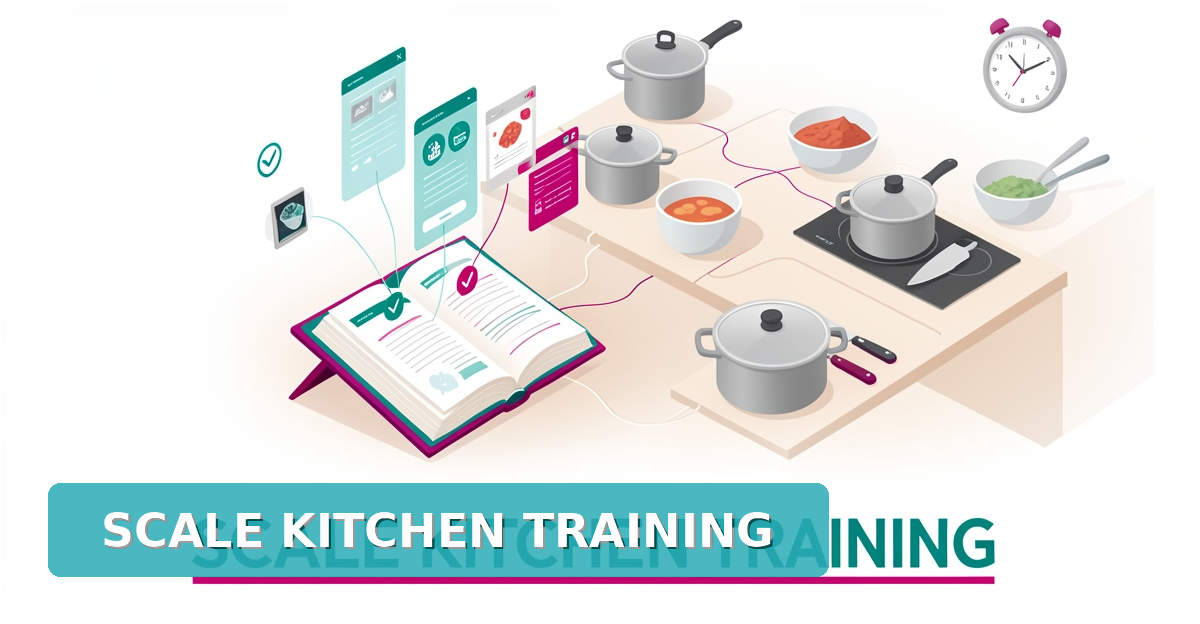
AI-Powered Recipe Management: How Culinary Schools Can Scale Kitchen Training
Key Facts
- Manual recipe management creates bottlenecks that scale poorly for culinary programs
- Consolidating fragmented systems can reduce operational complexity and costs
- AI systems adapt recipes in real time based on seasonal ingredient availability
- Custom-built AI solutions allow institutions to retain full control over their recipe intelligence
Hire a team member that works 24/7 — for less than a part-time wage.
AI receptionists, SDRs, dispatchers and 99+ roles. Trained on your business, fully managed.
Not sure where to start? Ask our AI planner
The Recipe Library Bottleneck: Why Culinary Schools Fall Behind
Culinary schools are losing momentum before students even step into the kitchen. Recipe libraries that should be living curriculum tools are instead static folders of PDFs, printed cards, and instructor notes that drift out of sync every term.
Manual upkeep creates a bottleneck that scales poorly. Instructors spend hours hunting for the latest version of a recipe, reconciling seasonal ingredient swaps, and retyping corrections for different classes. The result is outdated recipes, seasonal menu gaps, and version chaos across instructors that confuses students and slows skill building.
Tool sprawl compounds the problem. Schools often patch together separate systems for recipe storage, inventory, scheduling, and student access. Fragmentation shows up in culinary programs, where instructors juggle multiple platforms and students encounter inconsistent formats.
Version chaos also erodes trust in the library. A classic pain list includes:
- Multiple copies of the same recipe with conflicting measurements or methods
- Seasonal ingredients not updated, leading to unavailable items on practice days
- Instructor-specific notes that never make it back to the central library
- No searchable tagging, so students cannot find recipes by skill, diet, or equipment
Without a single source of truth, curriculum updates lag and assessment becomes uneven. AI can generate, organize, and update recipe libraries for students to learn from. AIQ Labs helps schools build dynamic, searchable recipe systems that evolve with seasonal menus and curriculum updates, reducing manual admin and keeping materials current.
The shift matters because kitchen training depends on repetition and precision. When the library is unreliable, instructors compensate with extra prep and ad-hoc explanations, which limits scale and consistency across cohorts. Consolidating tools and automating updates frees staff time for mentorship rather than maintenance.
Schools that treat recipe management as content operations rather than filing can reclaim capacity. The goal is a library that reflects current practice, supports different skill levels, and updates automatically as ingredients, suppliers, and teaching priorities change.
What AI-Powered Recipe Management Actually Does
AI-powered recipe management systems transform how culinary schools handle their training materials by automatically generating, organizing, tagging, and updating recipe libraries. These platforms use natural language processing to interpret recipe data, enabling students to search for dishes by ingredient, technique, or dietary need without manual cataloging. AI-driven classification eliminates repetitive manual work, ensuring recipes are consistently tagged and structured across the curriculum.
These systems adapt recipes in real time based on seasonal ingredient availability, allowing schools to align kitchen training with current market conditions and sustainability goals. Portion sizes and ingredient quantities scale automatically when recipes are adjusted for class size or dietary modifications, maintaining consistency across multiple kitchen stations. AI also maps recipes to specific learning objectives, ensuring each dish reinforces targeted skills like knife work, sauce reduction, or pastry lamination. This dynamic alignment supports curriculum updates without requiring instructors to manually revise lesson plans or ingredient lists.
By integrating with existing kitchen management tools, AI recipe platforms create a centralized, searchable resource that evolves with both culinary trends and educational standards. Students gain access to a living library where every recipe includes contextual notes, allergen flags, and cost analysis, all updated automatically as new data enters the system. This reduces instructor workload while improving the accuracy and relevance of training materials. AI-powered content management has demonstrated success in automating document organization and reducing time spent on administrative tasks in similar operational environments.
AI-powered recipe management does more than store recipes, it creates an intelligent training ecosystem that scales with student enrollment, instructor expertise, and industry innovation. Schools using these systems report improved consistency in skill assessment and reduced variability in student outcomes due to standardized recipe execution. Automated classification and records processing ensures that every recipe meets institutional standards for nutrition, cost, and technique, freeing educators to focus on mentorship rather than manual updates. For culinary institutions aiming to modernize training without increasing administrative burden, AI-driven recipe management offers a practical path to scalable, future-ready kitchen education.
From Static Binders to Living Curriculum: The Business Case
Culinary schools are moving beyond static recipe binders toward living curricula that adapt as quickly as their kitchens. This shift isn’t just about convenience, it’s a strategic upgrade that directly impacts instructor capacity, student outcomes, and accreditation readiness. By consolidating fragmented recipe systems into a single AI-powered platform, schools can reclaim significant operational bandwidth. Research shows that organizations consolidating multiple systems into fewer platforms can reduce complexity and costs. For culinary programs, this translates to instructors spending less time managing outdated files and more time guiding hands-on technique. AI-driven recipe management ensures every student accesses the same current, searchable library, whether they’re mastering foundational sauces or experimenting with seasonal ingredients. This consistency supports skill development and aligns with accreditation standards that require documented, up-to-date training materials. Beyond internal efficiency, the broader trend confirms scalability: over 100+ location operators now use AI to streamline operations, enhance customer experience, and accelerate workflows. Culinary schools adopting similar systems position themselves to scale training quality across multiple campuses or satellite kitchens without proportional increases in administrative load. The result is a curriculum that evolves with industry demands, freeing educators to focus on mentorship, not maintenance. To explore how AI transformation can future-proof your culinary training programs, start with a free strategy call to map your highest-impact opportunities. AIQ Labs helps education providers build owned, dynamic systems that grow with their mission, no vendor lock-in, just measurable progress toward operational excellence. Ready to see where AI can create real value in your kitchen classrooms? Begin the Fit Check today to identify your clearest path forward.
Implementing an AI Recipe System Without Disrupting the Kitchen
Rolling out an AI recipe system in a culinary school kitchen requires a thoughtful, phased approach that respects the fast-paced, hands-on nature of culinary training. Starting with a focused pilot, such as updating seasonal menus, allows instructors to test the system in a real-world context without overwhelming students or disrupting core lesson plans. This targeted start aligns with research showing that organizations recovering significant staff time, like the 28 hours per week saved after consolidating SaaS tools, begin with clear, manageable workflows. Technology solutions for restaurant staff workload highlight how incremental adoption reduces friction and builds confidence in new systems.
Before implementation, schools should audit their current recipe processes: how recipes are created, stored, updated, and shared across classes and campuses. This audit reveals inefficiencies, such as outdated paper cards or scattered digital files, that AI can address by generating, organizing, and dynamically updating recipe libraries. Once gaps are identified, the next step is configuring the AI system to support, not replace, instructor expertise. Human oversight is critical: chef-instructors must review and validate AI-generated content to ensure accuracy, technique integrity, and alignment with curriculum standards. This accountability prevents errors from propagating into student learning while maintaining the chef’s role as the ultimate authority in the kitchen.
To sustain success, schools must invest in ongoing training for both instructors and students. Workshops should cover how to interact with the AI system, interpret its outputs, and troubleshoot issues, turning the technology into a teaching aid rather than a black box. As confidence grows, the system can expand to other workflows, like dietary adaptation or cost analysis, always grounded in the principle that AI augments human judgment. By following these steps, audit, pilot with oversight, train, and scale, culinary schools can integrate AI recipe management smoothly, enhancing training without disrupting the rhythm of the kitchen. For schools ready to begin, AIQ Labs offers a free strategy call to map high-impact automation opportunities and assess readiness for transformation. Free 30-Minute Strategy Call provides a no-obligation session to identify where AI can deliver the clearest win in recipe management and kitchen training workflows.
Owning Your Recipe Intelligence: Next Steps for Culinary Programs
The true value of a recipe intelligence system lies not just in its capabilities, but in who controls the underlying asset. When culinary institutions build rather than rent their AI infrastructure, they transform a recurring operational expense into a permanent educational asset that evolves with their curriculum.
Relying on subscription-based recipe platforms creates a fundamental vulnerability for culinary programs. Much like the restaurant groups that consolidated twelve disparate SaaS products into four owned systems, saving significant capital and recovering twenty-eight hours of weekly staff time according to recent industry analysis, culinary schools face similar fragmentation risks when they depend on rented tools. These subscription models often lock institutions into rigid frameworks that resist customization, creating data silos where student progress and recipe modifications become trapped within vendor ecosystems.
Building a proprietary system changes this dynamic entirely. With a custom-built approach, institutions retain complete control over their culinary intelligence, ensuring that seasonal menu updates, technique modifications, and curriculum enhancements remain their exclusive intellectual property. This ownership model eliminates the recurring subscription fatigue that plagues modern educational technology stacks, where the average organization now navigates thousands of vendor options, as evidenced by the 2,100 vendors currently crowding the sales technology landscape alone, a 34% increase from just fourteen months ago.
For culinary directors ready to transition from renters to owners, several structural pathways exist to match different institutional readiness levels:
- Start Monthly, Deploy a managed AI recipe assistant with flat monthly pricing that costs less than a part-time hire, including full build, training, and integration support with the flexibility to pause or adjust as needs change
- Build in Milestones, Develop your recipe intelligence system in phases, approving and paying for each functional module as it ships, retaining all completed work even if you pause development
- Own It Outright, Commission a comprehensive AI operating system with full code, agent, and data ownership transferred upon completion, structured as either a single project or extended build partnership
This flexible approach acknowledges that every culinary program faces unique constraints. Some institutions need immediate relief from administrative bottlenecks, while others require comprehensive digital transformation. The common thread remains the transition from temporary subscriptions to permanent capability.
AIQ Labs specializes in constructing these owned culinary intelligence systems, engineering solutions that integrate directly with existing kitchen management workflows rather than forcing institutions into predefined software boxes. By focusing on true ownership rather than vendor lock-in, culinary programs can build recipe libraries that appreciate in value, adapting to emerging dietary trends and pedagogical innovations without permission from third-party platforms.
For program directors evaluating their next steps, the initial move involves identifying which specific training bottleneck, whether recipe standardization, dietary accommodation tracking, or technique documentation, offers the highest return on automation investment. A brief Fit Check followed by a complimentary strategy session provides the clarity needed to map these opportunities without obligation, ensuring that any subsequent build addresses genuine operational friction rather than technological novelty.
Still paying for 10+ subscriptions that don’t talk to each other?
We build custom AI systems you own outright. No vendor lock-in. Full control.
Not sure where to start? Ask our AI planner
Frequently Asked Questions
Will AI replace instructors in culinary schools?
How much admin time can AI actually save for culinary programs?
Is it expensive to consolidate all our recipe tools into one system?
Can an AI recipe library keep up with seasonal ingredients and menu changes?
What’s the risk of version chaos with recipes across instructors?
Do we own the recipe intelligence we build, or are we locked into a vendor?
From Recipe Chaos to Curriculum Clarity
Culinary schools no longer need to choose between outdated recipe binders and bloated tech stacks. By treating recipe management as a dynamic curriculum asset, automating updates, consolidating fragmented tools, and aligning recipes with learning objectives, instructors reclaim time for mentorship while students train on consistent, current materials. AIQ Labs helps education providers build owned, scalable systems that evolve with seasonal menus and pedagogical goals, turning administrative overhead into instructional capacity. To see where AI can create real value in your kitchen classrooms, start with the free Fit Check to identify your clearest path forward, then book a no-obligation strategy call to map high-impact opportunities.
Make AI your competitive advantage — not just another tool.
Strategy, implementation and ongoing optimization. One partner, end to end.
Not sure where to start? Ask our AI planner