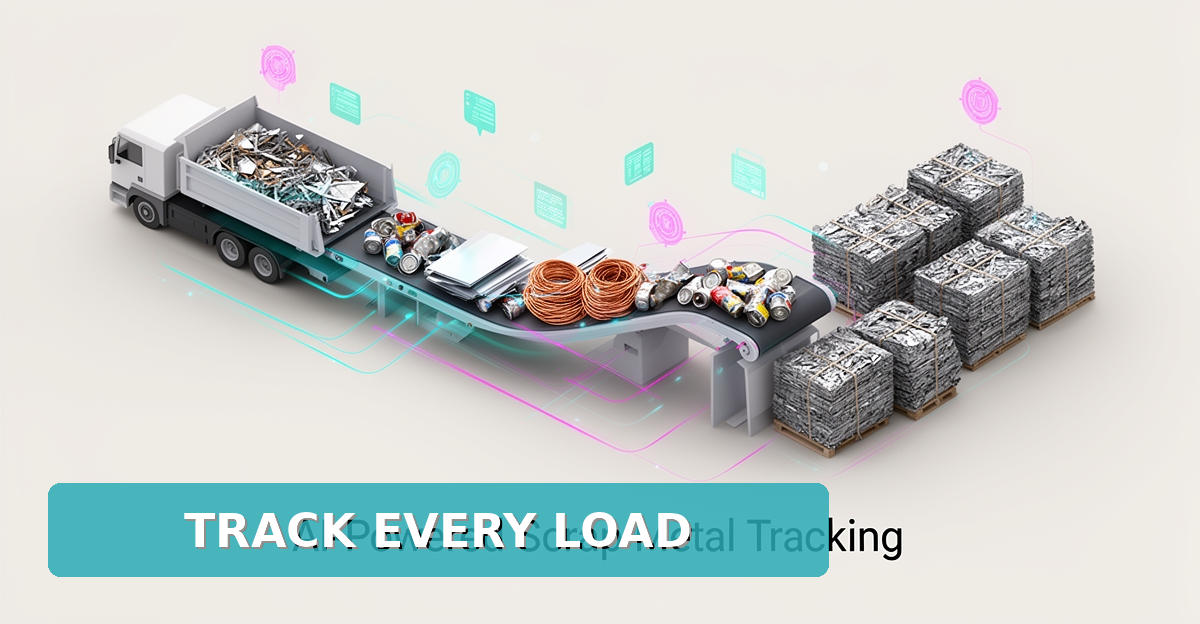
AI-Powered Scrap Metal Tracking: From Delivery to Sale
Key Facts
- AI sorting achieves 99% accuracy separating aluminum from mixed scrap streams according to industry research.
- Higher purity from AI sorting can increase resale value 25%+ for aluminum and copper per analysis.
- Intelligent robotic handlers cut operations costs by 30% after deployment per industry analysis.
- AI-driven process optimization boosts processing capacity 15-20% without new equipment per facility studies.
- Smarter routing and reduced rework deliver 30% reduction in energy costs according to research.
- End-to-end AI tracking follows material from pickup to delivery to final sale with automated updates.
Hire a team member that works 24/7 — for less than a part-time wage.
AI receptionists, SDRs, dispatchers and 99+ roles. Trained on your business, fully managed.
Not sure where to start? Ask our AI planner
The Visibility Gap: Why Scrap Metal Businesses Lose Money Between Pickup and Sale
Every truckload of scrap that leaves a customer's yard represents revenue, but between pickup and final sale, that revenue can quietly leak away. In an industry where margins depend on knowing exactly what you have and what it's worth, visibility gaps are expensive.
Most scrap operations still run on phone calls, paper tickets, and memory. A driver picks up a load, a scale ticket gets handwritten or photographed, and the material's identity travels through the day on sticky notes and text messages. When tickets go missing or get keyed in wrong, the material that arrives at your yard isn't always the material that shows up in your books.
The financial damage comes from several directions at once:
- Lost or illegible tickets mean loads that were picked up but never invoiced, pure revenue evaporating.
- Misclassified materials get priced at the wrong grade, and even small sorting errors compound across every transaction.
- Delayed invoicing stretches your cash cycle and leaves customers confused about what they owe.
- Disputes from phone-and-paper workflows erode the trust that keeps suppliers loyal.
The stakes are higher than they look. Purity and accurate identification directly drive resale value, industry analysis shows that higher purity levels in processed aluminum and copper can increase resale value by 25% or more. When manual tracking causes a copper-bearing load to be logged as mixed scrap, the margin difference isn't a rounding error; it's the difference between a profitable load and a break-even one.
Accuracy matters just as much on the classification side. AI-powered systems now achieve 99% accuracy in sorting aluminum from mixed scrap streams, a benchmark that highlights just how much room for error manual, eyeball-based classification leaves on the table. Facilities that have brought intelligence into their operations report 15-20% improvements in processing capacity without additional equipment, largely because material flows with fewer errors and less rework.
The core problem is fragmentation. A material's journey, pickup, transit, weigh-in, grading, processing, sale, touches multiple people and systems, and each handoff is a chance for information to degrade. This is precisely the gap AI workflow automation addresses: a custom system can follow material from pickup to delivery to final sale, capturing data at each stage, triggering automated updates and alerts, and eliminating the manual re-entry where errors breed. At AIQ Labs, we build these end-to-end tracking systems so every load carries its own accurate, auditable record.
Closing the visibility gap isn't about working harder, it's about making sure the data moves as reliably as the metal does.
How AI Follows Every Load: Automated Identification and Sorting from Day One
Every load that arrives at a yard can be identified, graded, and tracked before a forklift moves it. AI makes that possible by turning visual and sensor inputs into immediate material decisions at the gate and on the floor.
Computer vision systems inspect incoming scrap in real time, recognizing alloy types, shapes, and contamination from camera feeds. Machine learning models trained on metal spectra improve identification accuracy as more loads are processed. Industry research documents 99% accuracy in sorting aluminum from mixed scrap streams, which reduces manual hand-picking and contamination risk.
Sensor technologies add a second layer of verification. Near-infrared, X-ray fluorescence, and inductive sensors measure elemental composition and density, feeding data to classification models. The combined vision-plus-sensor approach enables automated identification and sorting from day one, with purity gains that directly lift revenue.
Higher purity translates to higher price. Analysis of robotic sorting deployments shows a 25%+ increase in resale value due to higher purity levels in processed aluminum and copper. That value lift compounds with operational gains: the same analysis reports 30% cost reductions in operations after deploying intelligent robotic handlers.
End-to-end tracking follows the material after sorting. AI logs weight, grade, and provenance at intake, links it to the customer and destination, and updates inventory automatically. Alerts trigger for grade mismatches, hold times, or pricing changes, so sales and operations stay aligned without manual entry.
A complete workflow breakdown shows how AI can follow a material from pickup to delivery to final sale:
- Gate intake with computer vision ID and automated ticket creation
- In-line sorting with sensor verification and purity scoring
- Inventory ledger updates and automated alerts for grade or stock thresholds
- Sale execution with traceability back to original load and customer
This is AI Business Process Automation in practice, specifically AI Workflow & Task Automation that replaces manual checks with continuous, data-driven updates. AIQ Labs builds custom systems that handle each stage end-to-end, reducing manual input and errors while keeping clients in full ownership of the solution.
Process optimization also scales throughput. Facility optimization studies report 15-20% improvements in processing capacity without additional equipment investments, alongside a 30% reduction in energy costs from smarter routing and reduced rework.
From the first image captured at the scale house to the final sale record, AI provides a verifiable chain of custody and performance. That visibility is what turns sorting accuracy into sustained margin improvement.
The Connected Workflow: Automated Updates, Alerts, and Reporting at Every Stage
A scrap load moves from the yard to the furnace, and every handoff used to create delay, manual entry, and revenue leakage. A connected workflow closes those gaps by letting AI follow the material continuously from pickup to final sale.
At pickup, automated weight and grade capture replaces clipboard checks. Computer vision and sensor data identify metals in real time, with systems achieving 99% accuracy in sorting aluminum from mixed scrap streams. The result is immediate classification, digital tickets, and a verified record that travels with the load.
Real-time status updates keep customers informed without staff intervention. As the material is weighed, graded, processed, and invoiced, the system pushes updates to portals and messaging channels. This visibility reduces inbound calls and builds trust across the supply chain.
Exception handling becomes alert-driven instead of reactive. AI monitors throughput, purity thresholds, and pricing windows, triggering alerts when contamination rises or a lot is at risk of devaluation. The workflow can pause, reroute, or notify the yard team before small issues compound.
Synced invoicing closes the loop to final sale. Once processing is complete, grade and weight data flow directly into billing, eliminating re-keying and disputes. Higher purity levels from AI sorting can drive 25%+ increases in resale value for aluminum and copper, while automated reconciliation accelerates cash collection.
Facilities that deploy intelligent robotic handlers report 30% cost reductions in operations after deployment, and 15-20% improvements in processing capacity without additional equipment investments.
A fully integrated tracking workflow typically includes:
- Automated pickup capture with weight, grade, and photo verification
- Real-time customer status updates and digital ticket access
- Alert-driven exception handling for contamination, delays, and pricing
- Synced invoicing and sale confirmation from yard to buyer
This is the kind of end-to-end automation AIQ Labs designs under its AI Workflow Builds practice. By building custom AI systems that handle each stage, manual input and errors are reduced while the material record stays consistent from delivery to final sale.
The connected workflow turns tracking from a back-office chore into operational visibility and margin protection at every stage.
Implementation Roadmap: Deploying AI Tracking Without Disrupting Operations
Most scrap operations don't fail at AI adoption because the technology doesn't work, they fail because they try to rebuild everything at once. A phased implementation lets you capture value at each stage while keeping daily operations running.
Start by auditing your current workflow from intake to final sale. Where do loads sit untracked? Which handoffs rely on paper logs or memory? Industry data shows that facilities implementing AI-driven tracking see 15-20% improvements in processing capacity without adding equipment, but only when they target the right bottlenecks first.
Choosing the right solution means matching capability to your specific material streams. A yard processing mixed demolition scrap has different needs than one handling clean industrial aluminum. Research from Modern Metalworks shows AI sorting systems now achieve 99% accuracy separating aluminum from mixed streams, but that precision only matters if the system integrates with your existing scales, conveyors, and inventory software.
Training personnel is where most implementations stumble. Your team needs to understand not just how to operate the system, but how it makes decisions. When AI flags a load for manual inspection, your crew should know whether that's due to contamination risk, grade ambiguity, or a sensor calibration issue.
Integration with existing infrastructure determines whether AI becomes an asset or an expensive island. The system must pull data from your truck scales, push updates to your ERP, and trigger alerts through channels your team already monitors. Facilities that deploy intelligent robotic handlers report 30% cost reductions, but those gains evaporate if the AI can't communicate with legacy equipment.
Once live, continuous monitoring separates successful deployments from abandoned pilots. Track these metrics from day one:
- Percentage of loads with complete chain-of-custody records
- Time from delivery to graded inventory status
- Discrepancy rate between AI classification and manual verification
- Alert response time for exceptions or anomalies
The three concerns that stall most projects, upfront cost, integration risk, and ongoing maintenance, have practical solutions. Phased ownership models let you start with a single workflow (like inbound load tracking) before expanding to full lifecycle management. AIQ Labs structures deployments as monthly engagements or milestone-based builds, so you validate ROI at each phase before committing further. Maintenance becomes predictable when the system includes monitoring and retraining as part of the service, rather than leaving you to hire specialized AI staff.
The facilities seeing 25%+ increases in resale value from higher purity levels didn't get there by flipping a switch. They started with one clear problem, proved the value, then expanded systematically.
From Tracking System to Competitive Advantage: What Full Ownership Unlocks
A yard that owns its tracking logic stops renting insights and starts compounding them. When AI follows material from pickup to delivery to final sale, each transaction feeds the next decision.
Point solutions capture a moment. A custom system captures the whole workflow. That difference shows up in pricing, compliance, and scale. With clean, connected data flowing end-to-end, yards make faster calls on when to hold, when to sell, and how to grade incoming loads.
Ownership changes what data is possible. Instead of siloed reports from rented tools, a built system creates a single source of truth that improves with every load. That foundation supports clean data for pricing decisions, audit trails that stand up to inspection, and a platform that grows with the yard without re-platforming.
AI-powered sorting is already lifting purity and value across the industry. Facilities using machine learning and computer vision achieve 99% accuracy in sorting aluminum from mixed scrap streams according to industry research. Higher purity translates directly to revenue, with reports on robotic sorting showing 25%+ increase in resale value due to higher purity levels in processed aluminum and copper.
Operational gains compound too. Intelligent robotic handlers deliver 30% cost reductions in operations after deployment per industry analysis, while AI-driven process optimization enables 15-20% improvements in processing capacity without additional equipment investments according to recycling process research.
Full ownership unlocks value that rented software cannot:
- Pricing intelligence from complete material history, not partial snapshots
- Audit trails for compliance with automated updates and alerts across pickup, delivery, and sale
- Scalable foundation that adds yards, lanes, or metals without vendor limits
- Reduced manual input and errors through end-to-end AI workflow automation
AIQ Labs builds these systems as custom AI Operating Systems businesses own outright. That means no vendor lock-in, no subscription creep, and full control over customization and future development. The system is architected to handle enterprise-level demands while fitting SMB budgets and timelines.
When the tracking system is yours, the competitive advantage compounds. Data stays clean, decisions get faster, and compliance becomes automatic rather than reactive. The yard can expand confidently knowing the intelligence layer scales with it.
Start the Fit Check at /apply for a free 30-minute strategy call at /book to map your biggest bottleneck and identify high-ROI automation opportunities.
Still paying for 10+ subscriptions that don’t talk to each other?
We build custom AI systems you own outright. No vendor lock-in. Full control.
Not sure where to start? Ask our AI planner
Frequently Asked Questions
How does AI actually track scrap metal from pickup to sale?
What accuracy rates can AI achieve when sorting mixed scrap?
How much can AI tracking increase the resale value of scrap metal?
Will implementing AI tracking disrupt my current yard operations?
What kind of cost savings can scrap yards expect from AI automation?
Do we need to replace our existing scales and software to use AI tracking?
Turning Scrap Tracking into Strategic Advantage
The journey from pickup to sale in scrap metal operations is riddled with visibility gaps, lost tickets, misclassified materials, delayed invoicing, and supplier disputes, that silently erode margins. AI-powered tracking closes these gaps by automating identification, sorting, and data flow at every stage, delivering verified chain-of-custody records, real-time alerts, and synced invoicing. The result is higher purity levels that drive 25%+ increases in resale value for aluminum and copper, 30% operational cost reductions, and 15-20% gains in processing capacity without new equipment. When you own this end-to-end system, you turn tracking from a liability into a competitive advantage, clean data for pricing, audit-ready compliance, and a scalable foundation that grows with your business. To see where your biggest bottleneck lies and how AI workflow automation can deliver measurable ROI, start with a free 30-minute strategy call, no obligation, just clarity on your highest-impact opportunity.
Make AI your competitive advantage — not just another tool.
Strategy, implementation and ongoing optimization. One partner, end to end.
Not sure where to start? Ask our AI planner