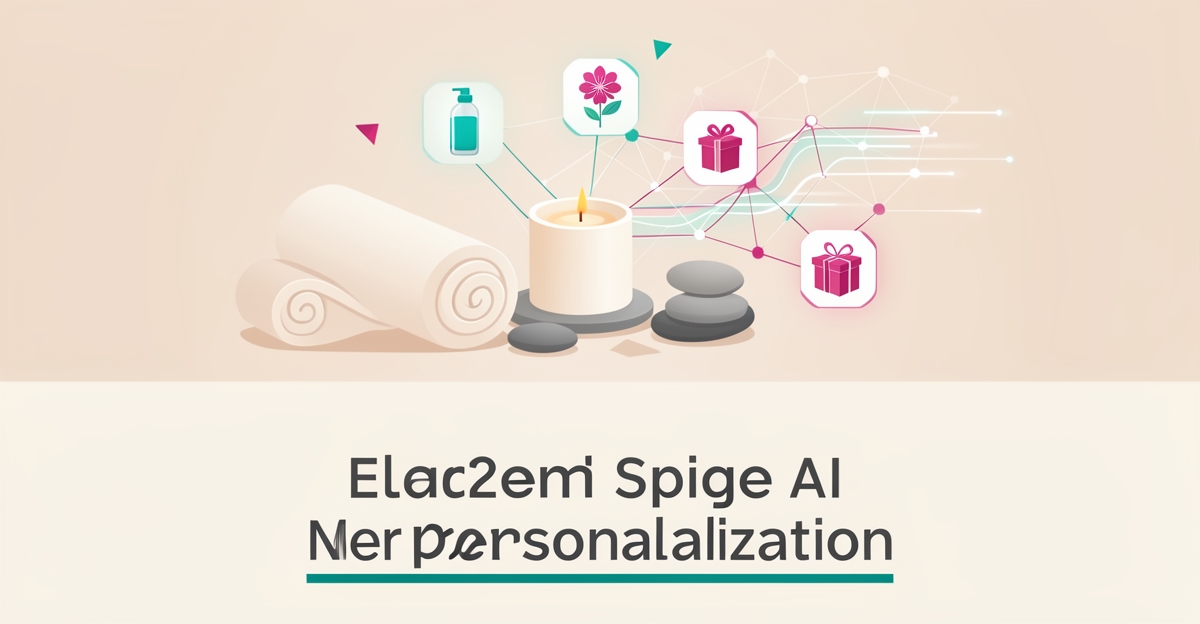
AI-Powered Service Recommendations: How Day Spas Can Increase Revenue Through Personalization
Key Facts
- AI recommendation systems improve accuracy over time with data and feedback loops, while manual suggestions vary by individual staff member, energy, and workload
- A large share of repetitive data, analytics, and decision workflows can typically be automated, including post-visit engagement sequences
- AI enables high throughput and continuous operation, processing thousands of data points simultaneously while human capacity remains limited by time and cognitive load
- AI isn't replacing spa work, it's reshuffling it, letting staff focus on the high-touch moments that build loyalty while AI handles the data-heavy lifting
- AI accuracy improves over time with feedback loops, but requires clean, structured data to begin functioning effectively
- The most effective setups are hybrid: AI identifies opportunities, staff deliver recommendations with empathy and expertise
- Structured historical data and clear process definitions are essential prerequisites for effective AI personalization
Hire a team member that works 24/7 — for less than a part-time wage.
AI receptionists, SDRs, dispatchers and 99+ roles. Trained on your business, fully managed.
Not sure where to start? Ask our AI planner
The Revenue Leak in Manual Spa Recommendations
When front desk staff juggle bookings, payments, and client greetings, personalized service recommendations often fall by the wayside. This manual bottleneck directly impacts revenue, as busy teams struggle to consistently suggest relevant add-ons or follow-up treatments that increase average spend.
Manual processes are inherently limited by human capacity, creating a throughput ceiling that AI can overcome. AI systems offer high throughput and continuous operation, while manual work is constrained by time and effort. In a spa setting, this means front desk staff can only handle a finite number of interactions per hour, leading to missed upsell opportunities during peak times.
The inconsistency of human-driven recommendations further exacerbates revenue leakage. Depending on staff energy, memory, or workload, clients may receive vastly different suggestions for the same service history. Manual accuracy varies significantly by individual, whereas AI systems improve with data and feedback loops. Without standardized prompts, staff might forget to mention a seasonal facial bundle after a massage or overlook a client's history of sensitive skin when recommending exfoliation.
These gaps extend beyond the initial visit. Manual follow-ups rely on staff remembering to check in or having the bandwidth to send personalized messages. A large share of repetitive data, analytics, and decision workflows can typically be automated, including post-visit engagement sequences. When spas depend on memory for follow-ups, they lose chances to recommend maintenance treatments or seasonal promotions that drive repeat business.
AIQ Labs observes that this pattern aligns with broader AI implementation challenges: the upfront effort to organize client data is often underestimated, yet it's essential for any recommendation engine to function effectively. Without structured history and preferences, even the most advanced AI cannot deliver relevant suggestions. The solution isn't replacing human touch but augmenting it, letting AI handle the data-heavy lifting of identifying opportunities while staff focus on delivering those recommendations with empathy and expertise. This hybrid approach turns missed moments into measurable revenue, one personalized suggestion at a time.
How AI Personalization Engines Turn History Into Revenue
Imagine your front desk staff having perfect recall of every client's treatment history, skin concerns, product purchases, and seasonal booking patterns, then instantly translating that knowledge into the perfect service recommendation at exactly the right moment. This is the operational reality of AI personalization engines, which transform static client records into dynamic revenue opportunities through continuous, data-driven analysis.
These systems excel at the repetitive, rules-based tasks that consume valuable staff time: cross-referencing treatment notes against seasonal allergies, identifying clients due for follow-up procedures, or flagging complementary services based on past preferences. AI enables high throughput and continuous operation, processing thousands of data points simultaneously while human capacity remains limited by time and cognitive load. For day spas, this means the technology can analyze complex variables, treatment intervals, product sensitivities, seasonal demand shifts, and individual spending patterns, to surface personalized bundles and timely offers that would otherwise remain buried in filing cabinets or disparate software systems.
The architecture behind effective personalization relies on several core capabilities:
- Historical pattern recognition that identifies optimal timing for follow-up treatments based on past visit frequency
- Seasonal adjustment logic that modifies recommendations as weather and skin care needs change
- Cross-service correlation analysis that suggests logical bundles, such as pairing massage therapy with aromatherapy upgrades
- Continuous learning loops that refine suggestions based on client acceptance rates and feedback
However, the technology serves as an intelligent assistant rather than a replacement for human expertise. AI isn't replacing spa work, it's reshuffling it. The most successful implementations adopt a hybrid model where AI handles the data processing and pattern recognition, while estheticians and spa managers apply emotional intelligence and contextual judgment to refine and deliver these suggestions. This approach frees staff to focus on the high-touch interactions that build client loyalty.
AIQ Labs builds these personalization engines as integrated components of connected spa operating systems, ensuring the technology connects seamlessly with existing booking platforms and client management tools. The result is a system that operates continuously in the background, analyzing, learning, and suggesting, while your team maintains the authentic human connection that defines the spa experience.
Data, Trust and the Human-AI Partnership in Spa Settings
The success of AI-powered service recommendations in a spa setting hinges on two foundational elements: the quality of the data feeding the system and the readiness of the organization to integrate it effectively. AI excels at identifying patterns in historical client data, such as preferred treatments, seasonal booking trends, and response to bundled offers, but its accuracy is directly tied to the completeness and consistency of that data. AI systems depend on data quality and governance: poor inputs lead to systematic errors at scale, making structured historical data and clear process definitions essential prerequisites for effective personalization.
Organizational readiness extends beyond technology to include staff understanding and workflow adaptation. The most effective implementations follow a hybrid model where AI handles data-driven execution, surfacing relevant add-ons from thousands of client records, while human staff provide the judgment, empathy, and final presentation that transform a suggestion into a trusted recommendation. This partnership reshuffles work rather than replaces it, shifting employees from repetitive tasks to higher-value interactions that require emotional intelligence and nuanced decision-making.
- AI automates repetitive, rules-based tasks with high throughput and continuous operation
- Human oversight is critical for verifying AI output and handling exceptions
- The hybrid model leverages AI for scaling personalization while staff focus on relationship-building
- Organizational barriers like siloed systems often pose greater limits to AI than the technology itself
- AI accuracy improves over time with feedback loops, but requires clean, structured data to begin
For day spas, this means investing in clean client data collection, tracking preferences, visit frequency, and treatment outcomes, while training staff to interpret AI-generated suggestions through the lens of individual client needs. AIQ Labs supports this balance by building personalization engines that integrate with spa management systems, ensuring the technology enhances rather than disrupts the human-centered experience. The result is not automation for its own sake, but a smarter allocation of effort where AI drives efficiency and staff drive connection, together increasing both client satisfaction and average spend.
Building a Spa Personalization System You Own
Spas looking to personalize service recommendations don't need to start with a full enterprise overhaul. A practical first step is targeting a single, high-impact workflow, like post-treatment follow-up suggestions, where AI can analyze client history and preferences to recommend relevant add-ons or seasonal bundles. This approach allows spas to validate the concept quickly, measure impact on average spend, and build confidence before expanding to broader personalization efforts. AIQ Labs supports this phased strategy through its Workflow Builds offering, built on a Build in Milestones model where spas approve and pay for each phase as it ships, keeping everything built so far even if they pause.
The foundation of any effective recommendation system is structured client data, purchase history, service preferences, visit frequency, and notes from estheticians. Without this, AI cannot generate accurate, personalized suggestions. AI excels at processing high-volume, rules-based tasks when historical data is available, delivering consistent accuracy that improves over time with feedback loops. For spas, this means the AI can identify patterns, like clients who regularly book massages in winter or facials before holidays, and suggest timely, relevant upgrades. However, the human touch remains essential: AI handles the data analysis and initial suggestion, while staff use empathy and judgment to present recommendations in a way that feels personal and caring, not robotic.
Integrating the AI engine with existing booking and CRM systems ensures seamless operation. When a client books online or checks in, the system can pull their profile, run it through the personalization engine, and display tailored suggestions to the front desk or esthetician before the appointment. This creates a natural touchpoint for upselling without disrupting the guest experience. AIQ Labs builds these integrations using deep two-way API connections, creating a unified workflow where data flows smoothly between tools, eliminating manual entry and reducing errors. Over time, spas can scale from a single workflow to a department-level personalization engine that powers recommendations across marketing, in-spa interactions, and post-visit follow-ups, all while maintaining full ownership of the system and data.
Still paying for 10+ subscriptions that don’t talk to each other?
We build custom AI systems you own outright. No vendor lock-in. Full control.
Not sure where to start? Ask our AI planner
Frequently Asked Questions
How can AI actually increase revenue at a day spa?
Will AI replace my estheticians and front desk staff?
What data does a spa AI recommendation system need to work?
Do I have to overhaul my entire spa operation to start using AI?
Will AI recommendations feel robotic to my clients?
Can AI integrate with the booking and CRM software my spa already uses?
Turn Every Visit Into a Revenue Moment
Manual recommendations leave money on the table every time a busy front desk misses an add-on, forgets a follow-up, or gives a different suggestion to the same client. AI personalization engines close that gap by turning historical treatment notes, purchase patterns and seasonal preferences into timely, consistent offers while staff stay focused on the human connection that defines the spa experience. The results come from a hybrid partnership: AI handles the data-heavy pattern recognition and continuous learning, and your team applies empathy and judgment to deliver it. Building it starts with clean, structured client data and a single high-impact workflow you can validate quickly, then scale. AIQ Labs builds these personalization engines as integrated components of custom spa automation systems, so the technology works inside your existing booking and CRM tools and remains yours to own outright. Ready to see where personalization can lift average spend in your spa? Start the Fit Check at https://aiqlabs.ai/apply, then book a free 30-minute strategy call at https://aiqlabs.ai/book to map your biggest bottleneck and identify a high-ROI automation opportunity. With the right foundation, a large share of repetitive data, analytics and decision workflows can typically be automated, enabling continuous, personalized revenue capture.
Make AI your competitive advantage — not just another tool.
Strategy, implementation and ongoing optimization. One partner, end to end.
Not sure where to start? Ask our AI planner