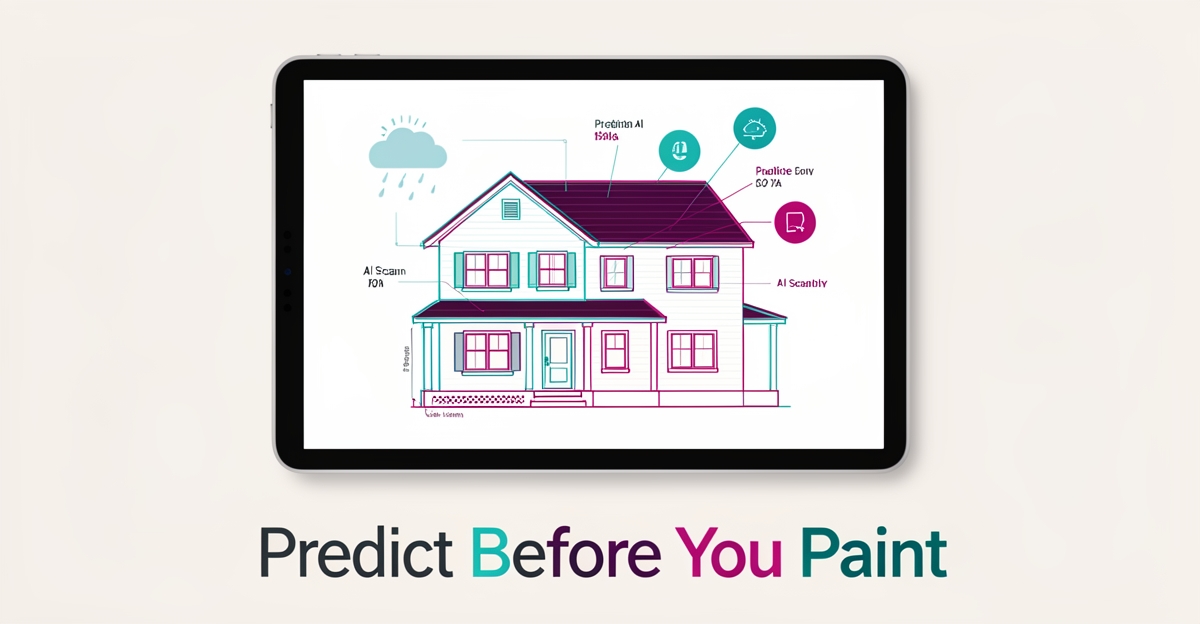
AI-Powered Site Inspection Planning: How Painting Contractors Can Predict Job Challenges in Advance
Key Facts
- Industry analyses have reported that AI-assisted plan review can surface far more code violations than manual review, which typically catches only a small fraction of issues
- Historical job data, localized weather patterns, and building characteristics are the core inputs for accurate pre-job risk prediction
- Construction remains one of the highest-risk industries for worker fatalities, making early hazard identification a safety priority
- Companies adopting AI and automation in construction workflows have reported meaningful margin improvements, typically within 12–18 months
- Effective predictive systems require 12–24 months of consistent, standardized job records to produce reliable forecasts
Hire a team member that works 24/7 — for less than a part-time wage.
AI receptionists, SDRs, dispatchers and 99+ roles. Trained on your business, fully managed.
Not sure where to start? Ask our AI planner
Introduction
Construction projects often face unexpected delays that inflate budgets and strain timelines, but what if contractors could see these challenges coming? AI-powered site inspection planning is changing that reality by enabling painting contractors to anticipate issues like access problems or weather disruptions before work even begins. By analyzing historical job data, weather patterns, and building characteristics, AI systems identify risks that traditional methods frequently overlook.
This proactive approach allows contractors to adjust schedules, allocate resources more effectively, and avoid costly rework. Industry analyses of AI-assisted plan review have repeatedly found that manual review catches only a small fraction of compliance issues, while AI systems flag substantially more. As of late 2026, these capabilities directly support smarter decision-making in project planning and risk assessment.
AIQ Labs helps painting contractors implement these predictive systems by integrating historical performance data with real-time environmental inputs. The technology processes large datasets to uncover patterns invisible to manual analysis, such as recurring weather-related delays in specific regions or access constraints tied to certain building types. Contractors can then simulate multiple project scenarios to optimize sequencing and resource deployment.
Key benefits include improved scheduling accuracy, reduced material waste, and enhanced safety planning. AI systems can identify potential hazards before crews arrive on site, allowing for preventive measures that lower accident risks. These tools are increasingly active in major construction markets, where they streamline permitting by catching issues early.
For painting contractors operating in competitive markets, this shift from reactive to proactive planning represents a significant operational advantage. By leveraging AI to predict challenges in advance, businesses can protect margins, improve client satisfaction, and build more resilient project workflows. The foundation lies in collecting comprehensive historical data and continuously refining models based on actual outcomes.
Key Concepts
AI-powered site inspection planning transforms how painting contractors approach project preparation by turning historical data into actionable foresight. Rather than relying solely on experience to anticipate challenges, contractors can now analyze patterns from past jobs, weather trends, and building characteristics to predict issues before crews arrive on site. This shift from reactive problem-solving to proactive planning allows teams to adjust schedules, materials, and staffing with confidence, reducing costly delays and rework. AIQ Labs builds custom systems that learn from real job data to continuously improve prediction accuracy for painting contractors seeking smarter pre-job planning.
The predictive power of AI in construction planning lies in its ability to uncover risks that traditional methods consistently miss. Industry analyses of AI-assisted plan review have found that human reviewers typically identify only a small percentage of compliance issues, while AI systems flag many more, including subtle patterns in building plans and site conditions that manual inspection overlooks. For painting contractors, this means identifying potential access restrictions, surface preparation challenges, or environmental compliance concerns during the planning phase rather than discovering them mid-project.
Key data inputs that enable accurate site challenge predictions include historical job performance, localized weather patterns, and building-specific characteristics. By analyzing past projects, AI systems can identify recurring issues such as weather-related delays in certain seasons or access complications in urban settings with limited street parking or narrow alleys. Integrating forecasted weather data allows contractors to anticipate rain delays or extreme temperature impacts on paint drying times and material performance. Additionally, categorizing jobs by building type, such as historic structures, high-rises, or single-family homes, helps predict common challenges like lead paint abatement requirements, scaffolding complexities, or surface preparation needs unique to each category.
The proactive insights generated through AI-powered planning directly support better resource allocation and risk mitigation strategies. Contractors can use predictive analytics to simulate multiple project scenarios, optimizing crew scheduling and material delivery timelines based on anticipated challenges. For example, if analysis indicates a high probability of wind-related delays during exterior painting in coastal areas, teams can adjust start dates or prepare alternative interior work schedules. Similarly, identifying potential supply chain disruptions for specific coatings or primers allows for earlier material ordering, preventing on-site idle time. This data-driven approach transforms site inspection from a procedural checklist into a strategic planning tool that enhances both efficiency and profitability.
Best Practices
Proactive planning transforms how painting contractors prepare for jobs by turning historical data into actionable foresight. Instead of reacting to surprises on-site, teams can anticipate challenges like access restrictions or weather delays before mobilization begins. This shift from reactive to predictive planning reduces costly rework and keeps projects on schedule.
AIQ Labs helps contractors build custom systems that analyze past job performance, local weather patterns, and building-specific risks to generate accurate pre-job assessments. These insights enable smarter decisions about crew scheduling, material staging, and contingency planning, turning uncertainty into manageable variables.
Industry analyses of AI-assisted plan review consistently show that automated systems surface far more compliance issues than manual reviewers, who typically catch only a small fraction. For painting contractors, this means identifying surface preparation requirements, ventilation needs, or access constraints early, avoiding mid-job discoveries that derail timelines.
To implement effective AI-powered site inspection planning, contractors should focus on three foundational practices. First, consolidate historical job data including timelines, encountered challenges, weather conditions, and resolutions, this becomes the training material for predictive models. Second, integrate localized weather pattern analysis using both historical trends and short-term forecasts to anticipate precipitation, humidity, or temperature impacts on paint application and drying times. Third, categorize past projects by building type (residential, commercial, industrial) and map recurring challenges such as limited entry points, height restrictions, or surface material compatibility issues.
- Standardize data collection across all completed jobs to ensure consistent inputs for AI modeling
- Prioritize weather variables that directly affect paint performance, humidity, temperature swings, and precipitation probability
- Create building-type risk profiles based on actual past issues, not assumptions
Finally, establish a feedback loop where actual job outcomes are compared against AI predictions to continuously refine model accuracy. Contractors who treat these systems as evolving tools, rather than one-time setups, see the greatest improvement in planning reliability over time. This iterative approach ensures the AI grows smarter with every completed project, turning experience into a scalable competitive advantage.
Implementation
Getting started with AI-powered site inspection planning doesn't require a complete operational overhaul, it requires a strategic approach to data collection and analysis. The most successful implementations begin with understanding what information you already have and how it can be leveraged to predict future challenges.
The foundation of any predictive system is historical job data. Research on predictive AI systems consistently shows that large quantities of historical data are essential for effective predictions. For painting contractors, this means documenting past projects with details about building types, surface conditions, weather delays, and access challenges. Start by auditing your last 12-24 months of completed jobs, noting patterns in what caused delays or required additional resources.
Weather integration represents the second critical component. AI systems analyze historical weather patterns alongside forecasted conditions to predict potential delays before they impact your schedule. Construction industry analyses show that AI-powered planning tools can process multiple data inputs to generate risk assessments that traditional methods miss entirely.
When implementing these systems, focus on these key areas:
- Data standardization: Create consistent formats for recording job details, challenges encountered, and actual versus projected timelines
- Building categorization: Classify projects by type (residential, commercial, industrial) and surface conditions to identify pattern-specific risks
- Weather correlation tracking: Document how different weather conditions historically impacted your project timelines and material performance
- Access issue documentation: Record site-specific challenges like limited parking, height restrictions, or staging area constraints
The technology implementation phase requires choosing between custom-built systems and configured platforms. While off-the-shelf construction management software offers basic scheduling, custom AI systems learn from your specific operational patterns. AIQ Labs builds systems that integrate with your existing workflows, analyzing your historical data to identify risks unique to your service area and project types. This tailored approach means the AI improves its predictions with every completed job. If you want to start smaller, a single high-cost workflow rebuild is a practical first step before scaling to a full AI operating system.
Real-time monitoring closes the loop between prediction and execution. As projects progress, the system compares actual conditions against forecasts, flagging discrepancies that require attention. This continuous feedback loop is what transforms static planning into dynamic risk management.
The investment in AI-powered planning delivers measurable returns. Companies integrating AI and automation into construction workflows have reported meaningful margin improvements, typically within 12–18 months. For painting contractors, this translates to fewer weather-related delays, more accurate material ordering, and better resource allocation across concurrent projects.
Implementation doesn't require hiring data scientists or completely changing how you work. Modern AI systems integrate with existing project management tools, learning from the data you already generate. The key is starting with clean, consistent historical records and choosing a system designed to grow more accurate as it processes more of your completed projects.
Conclusion
AI-powered site inspection planning shifts painting contractors from reactive problem-solving to proactive risk control.
Predicting access issues, weather delays, and safety hazards before mobilization protects margins and reputation. The broader construction AI ecosystem already demonstrates the value of data-driven foresight.
Industry analyses of AI-assisted plan review have found that automated systems surface substantially more compliance issues than human reviewers, who typically catch only a small fraction. That scale of early detection is the core argument for predictive planning.
That early detection translates directly to painting work. Historical job data, weather patterns, and building characteristics can be processed to flag site-specific risks such as scaffold access constraints, surface conditions vulnerable to rain, or façade details prone to rework.
Proactive planning allows crews to adjust timelines, materials, and staffing before the first coat goes on. Contractors who integrate predictive insights reduce costly mid-job changes and improve on-time completion.
Construction remains one of the highest-risk industries for worker fatalities, underscoring why safety hazard prediction matters. AI systems can surface risks that experience alone misses, supporting safer site setup and better compliance.
Implementation starts with the data you already create. Painting contractors can build a foundation for prediction by:
- Collecting historical job data on timelines, weather impacts, and challenges encountered
- Integrating historical and forecasted weather data to anticipate delays
- Analyzing building types and characteristics to identify recurring access or material issues
- Deploying AI-powered planning tools that generate risk assessments and optimization recommendations
- Establishing real-time monitoring to validate predictions and refine models over time
AIQ Labs builds custom systems that learn from real jobs to anticipate risks and improve planning accuracy, delivered through AI Workflow Builds for a single high-cost process, or a phased AI Operating System you own outright.
The next step is to map your highest-risk workflows and test prediction on a single job type. A focused pilot creates measurable improvements in schedule adherence and cost control, then scales across the business.
Start the 2-minute Fit Check at https://aiqlabs.ai/apply, then book a free 30-minute strategy call at https://aiqlabs.ai/book to map your biggest bottleneck and identify high-ROI automation opportunities.
Still paying for 10+ subscriptions that don’t talk to each other?
We build custom AI systems you own outright. No vendor lock-in. Full control.
Not sure where to start? Ask our AI planner
Frequently Asked Questions
Can AI really predict painting job problems before we start?
How much better is AI at catching issues than a human reviewer?
What kind of data do I need to get started with predictive site inspection?
Will this help with safety on painting sites?
Do painting contractors actually use this in the real world?
How long does it take to see ROI from AI planning?
From Reactive Repairs to Predictive Planning
Shifting from reactive problem-solving to proactive risk control is the real advantage of AI-powered site inspection planning for painting contractors. By analyzing historical job data, localized weather patterns, and building-specific characteristics, contractors can anticipate access constraints, weather delays, and safety hazards before mobilization, protecting margins and reputation. Industry analyses of AI-assisted plan review consistently show automated systems surfacing far more issues than manual reviewers, who typically catch only a small fraction. Proactive insights let crews adjust timelines, materials, and staffing before the first coat goes on, reducing costly mid-job changes and improving on-time completion. Start by consolidating 12-24 months of job history, mapping weather impacts to paint performance, and building building-type risk profiles, then validate predictions with real-time feedback. AIQ Labs builds custom systems that learn from real jobs to anticipate risks and improve planning accuracy within your existing workflows. Start the 2-minute Fit Check at https://aiqlabs.ai/apply, then book a free 30-minute strategy call at https://aiqlabs.ai/book to map your biggest bottleneck and identify high-ROI automation opportunities.
Make AI your competitive advantage — not just another tool.
Strategy, implementation and ongoing optimization. One partner, end to end.
Not sure where to start? Ask our AI planner