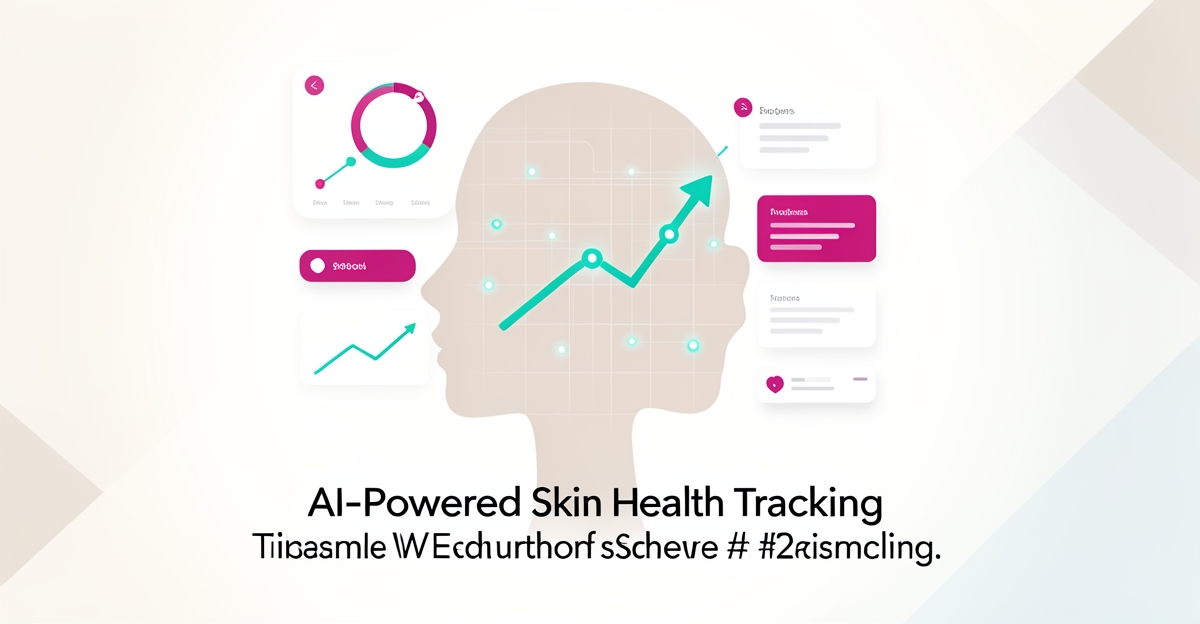
AI-Powered Skin Health Tracking: How Skincare Clinics Can Monitor Client Progress Over Time
Key Facts
- AI skincare and skin analysis tools have seen steady market growth as consumer demand for measurable results rises
- Dermatology services in many health systems face long waitlists and specialist shortages, increasing pressure on private clinics
- AI-powered tracking enables objective measurement of texture, tone and lesion reduction over time
- Clinics that own their AI infrastructure avoid vendor lock-in and recurring subscription complexity
Hire a team member that works 24/7 — for less than a part-time wage.
AI receptionists, SDRs, dispatchers and 99+ roles. Trained on your business, fully managed.
Not sure where to start? Ask our AI planner
The Growing Demand for Personalized Skin Health Monitoring
The demand for personalized skin health monitoring is accelerating as patients seek more precise, data-driven approaches to their skincare journeys. Traditional methods relying on visual assessments and subjective feedback often fail to capture subtle changes over time, leaving both clients and clinicians without the insights needed to optimize treatment plans. This gap is widening as skincare clinics face rising patient volumes and limited specialist availability.
Across many health systems, dermatology departments face significant strain: waitlists have grown substantially in recent years, specialist posts frequently go unfilled, and referral volumes keep climbing. These pressures make it increasingly difficult for clinics to provide consistent, long-term monitoring using conventional methods alone, and they push more clients toward private practices, raising the bar for the quality and consistency of care those practices must deliver.
Meanwhile, the market for AI-driven skincare and skin analysis tools has grown steadily, reflecting strong confidence in technology-enabled solutions. This growth is driven by consumer demand for tools that offer measurable progress tracking, not just one-time assessments. Clinics that adopt AI-powered tracking systems can move beyond episodic visits to deliver continuous, objective insights into skin health trends.
- Enables objective measurement of improvements in texture, tone, and lesion reduction
- Supports early detection of treatment inefficiencies before visible changes occur
- Creates a longitudinal record that informs personalized adjustments to skincare regimens
- Reduces reliance on patient recall and clinician subjectivity in progress evaluation
- Strengthens patient engagement through visual, data-backed progress reports
By integrating AI analytics into client workflows, skincare clinics can transform raw data from treatment history, lifestyle factors, and periodic imaging into actionable intelligence. This approach allows practitioners to identify patterns invisible to the naked eye, such as gradual improvements in skin texture or early signs of barrier repair, enabling timely interventions. AIQ Labs’ customizable AI systems support this shift by analyzing multimodal client data to track progress over time, helping clinics deliver more precise, individualized care while improving operational efficiency in high-demand environments. As expectations for transparency and personalization rise, data-driven monitoring is no longer optional, it’s becoming a clinical necessity for modern skincare practices aiming to scale quality care amid growing demand.
How AI Analyzes Treatment History to Enable Objective Progress Tracking
Tracking skin health progress has long relied on subjective assessments and inconsistent documentation, making it difficult to measure true treatment efficacy. AI-powered systems now transform this process by analyzing longitudinal client data to generate objective, quantifiable metrics that reflect real changes over time.
These systems process comprehensive treatment histories, including past interventions, skin concern patterns, and environmental exposures, to establish baseline measurements and detect subtle shifts invisible to the naked eye. By integrating data from multiple sources such as treatment logs, lifestyle factors, and seasonal variations, AI creates a holistic view of skin health evolution. This approach enables clinics to move beyond anecdotal evidence and deliver care grounded in measurable outcomes.
The analytical framework identifies meaningful trends by correlating treatment variables with skin response patterns, adjusting for confounding factors like UV exposure, stress levels, or hormonal fluctuations. For instance, when a client presents with recurring hyperpigmentation, the system cross-references prior light-based therapies, topical regimens, and sun protection adherence to determine which combinations yield sustained improvement. This capability is particularly valuable given the mounting pressure on dermatology services, which increases the need for clinics to demonstrate treatment value efficiently.
AI-generated progress metrics standardize evaluation across different practitioners and timepoints, eliminating variability introduced by human interpretation. Clinics receive visual dashboards showing percentage changes in key indicators, such as texture uniformity, redness intensity, or pore visibility, tracked against individualized baselines. These insights support timely protocol adjustments; for example, if data shows plateauing results after six weeks of a specific regimen, the system flags opportunities to modify active ingredients or treatment frequency. Growing market confidence in data-driven skincare reflects the dual benefit these approaches deliver: clinical precision and client trust.
Through continuous learning from accumulated case data, these systems refine their predictive accuracy, helping clinics anticipate which clients are likely to respond well to certain interventions based on historical similarities. This predictive layer transforms reactive care into proactive strategy, allowing practitioners to optimize resource allocation while maintaining high standards of personalized treatment. By grounding every recommendation in longitudinal evidence, AI empowers skincare clinics to deliver consistently effective care that adapts to each client’s unique biological rhythm and environmental context.
Implementing AIQ Labs’ Custom AI System for Clinic-Wide Skin Health Intelligence
Skincare clinics face growing pressure to deliver personalized, measurable results in an increasingly competitive market. AIQ Labs’ custom AI systems enable clinics to transform fragmented skin health data into actionable intelligence, creating a unified view of each client’s journey from initial assessment to long-term outcomes.
By integrating treatment history, visual progress logs, and client feedback into a single owned platform, clinics gain real-time visibility into how specific interventions perform across skin types and concerns. This eliminates reliance on manual charting and subjective notes, replacing them with consistent, data-driven progress tracking that supports clinical decision-making. The system’s multi-agent architecture analyzes patterns in hydration, texture, pigmentation, and lesion reduction over time, automatically flagging trends that might otherwise go unnoticed during routine visits.
Clinics can start through any of AIQ Labs’ three entry points: [AI Workflow Builds](/workflow-builds) to rebuild the one tracking or reporting workflow that costs the most, [AI Employees](/ai-employees) to handle automated progress reporting, client check-ins, and follow-ups around the clock, or a full [AI Operating System](/ai-operating-systems) that connects the entire practice in one owned layer. Payment is flexible, Start Monthly, Build in Milestones, or Own It Outright, so the system adapts to evolving protocols and scales with the business, without vendor lock-in or recurring subscription complexity.
Personalized care plans become dynamic when powered by AI that learns from each client’s unique response history, adjusting recommendations based on what’s actually working. For example, the system can correlate specific product regimens with measurable improvements in barrier function or inflammation reduction, enabling clinicians to refine protocols with precision. This shifts skincare from reactive treatment to proactive optimization, where progress isn’t just observed, it’s quantified, predicted, and continuously improved.
- Automated progress reports generated after each visit, dramatically reducing documentation time
- Real-time skin trend analysis identifying subtle changes invisible to the naked eye
- Client-facing dashboards showing visual and metric-based improvements over time
- AI-driven treatment efficacy scoring across similar client profiles
- Automated follow-up triggers when progress plateaus or deviates from expected trajectories
With demand for data-backed skincare growing steadily, clinics that adopt owned AI infrastructure now position themselves at the forefront of evidence-based, client-centered care. AIQ Labs has deployed 200+ multi-agent systems and runs four live SaaS products daily, so the implementation process, spanning discovery, development, deployment, and ongoing optimization, is proven in production, not theory. The system evolves alongside the clinic’s needs, delivering sustained value without disruption to daily operations. This is skin health intelligence that doesn’t just track progress, it actively drives better outcomes.
Still paying for 10+ subscriptions that don’t talk to each other?
We build custom AI systems you own outright. No vendor lock-in. Full control.
Not sure where to start? Ask our AI planner
Frequently Asked Questions
How does AI-powered skin health tracking improve accuracy compared to traditional visual assessments?
What data sources does AI use to track skin health progress over time?
Can AI help skincare clinics manage high patient volumes and staffing shortages?
How does AI-driven skin tracking support personalized treatment adjustments?
What does it cost to implement AI skin health tracking in a clinic?
What are the benefits of using AIQ Labs’ custom AI system for skin health tracking in clinics?
Turning Skin Health Data into Smarter Clinic Decisions
AI-powered skin health tracking transforms how skincare clinics monitor progress, shifting from subjective assessments to objective, longitudinal insights that improve treatment efficacy and patient engagement. By analyzing treatment history, lifestyle factors, and imaging data, clinics gain the ability to detect subtle changes early, personalize care plans with precision, and demonstrate measurable outcomes that build trust. This data-driven approach not only enhances clinical decision-making but also addresses operational pressures by reducing documentation time and optimizing resource allocation in high-demand environments. For clinics ready to move beyond episodic visits and deliver continuous, evidence-based care, the next step is exploring how a custom AI system can integrate seamlessly into existing workflows. Start with the 2-minute Fit Check at [/apply](/apply), then book a free 30-minute strategy call to map your biggest opportunities, no obligation, just clarity on what’s possible.
Make AI your competitive advantage — not just another tool.
Strategy, implementation and ongoing optimization. One partner, end to end.
Not sure where to start? Ask our AI planner