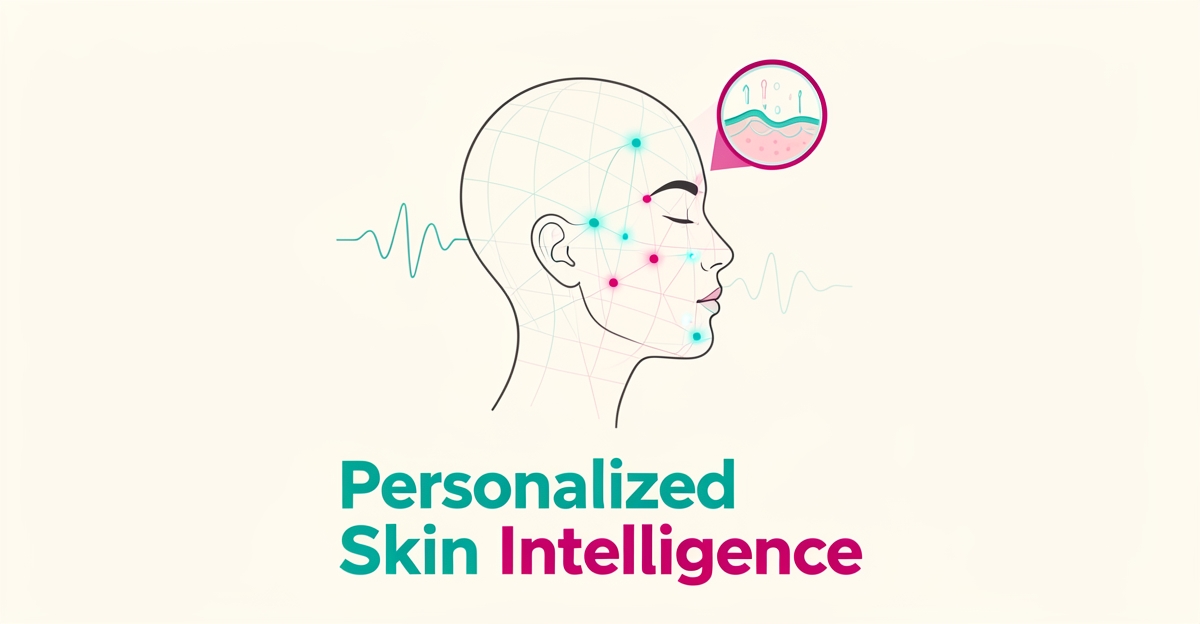
AI-Powered Skin Type Assessment: How Microneedling Studios Can Offer Personalized Care
Key Facts
- Commercial AI skin analysis tools typically report detecting a dozen or more common skin concerns, including wrinkles, spots, moisture imbalance, sagging, and dark circles
- Industry reporting has suggested AI skin analysis can lift skincare product sales by roughly 30%, though results vary by studio and implementation
- Interactive AI assessments tend to hold website visitors far longer than static service pages, with vendors reporting engagement increases well over 100%
- A majority of consumers, often cited around 70% in beauty industry surveys, now expect personalized experiences from brands
- Personalized, data-driven marketing in skincare is widely associated with higher customer satisfaction and conversion outcomes
- The AI skincare market has grown steadily since 2023 and is expected to keep expanding through 2030 as of late 2026
Hire a team member that works 24/7 — for less than a part-time wage.
AI receptionists, SDRs, dispatchers and 99+ roles. Trained on your business, fully managed.
Not sure where to start? Ask our AI planner
The Personalization Gap in Microneedling Studios
Microneedling studios face a growing challenge in meeting client expectations for truly personalized care. Demand for customized skincare continues to rise, yet many studios still rely on generalized treatment plans that fail to address individual skin types and concerns. This gap between what clients want and what standardized approaches deliver creates missed opportunities for deeper engagement and long-term retention. With a majority of consumers, often cited around 70% in beauty industry surveys, expecting personalized interactions from beauty brands, studios that cannot deliver risk falling behind in a market where customization drives satisfaction and loyalty.
The limitations of traditional assessment methods contribute significantly to this gap. Consultations often depend on visual inspection and client self-reporting, which can overlook subtle skin characteristics or misidentify underlying issues. Without objective, data-driven insight into factors like moisture levels, sebum production, or early signs of aging, studios may recommend microneedling protocols that are either too aggressive or insufficient for optimal results. That affects treatment efficacy and undermines client trust when outcomes don't match expectations. AI-powered skin analysis tools, by contrast, typically detect a dozen or more common skin concerns, wrinkles, spots, moisture imbalance, sagging, dark circles, providing a far more accurate foundation for personalized recommendations.
When studios fail to leverage advanced diagnostics, they also miss chances to enhance the client journey through personalized communication and follow-up. Industry analysis of personalized skincare marketing consistently links tailored, tech-enabled interactions to higher satisfaction and conversion. Studios that stick with generic outreach, one-size-fits-all email reminders or standard post-treatment advice, overlook opportunities to educate clients on at-home care, suggest appropriate product pairings, or schedule future sessions based on their skin's unique response cycle. Generic engagement reduces perceived value and weakens the studio-client relationship over time.
Integrating AI-powered skin assessment into the consultation process bridges this gap. By analyzing client photos to determine skin type and concerns, studios can generate customized treatment plans that specify needle depth, session frequency, and complementary therapies. Those insights can then feed personalized follow-up, email sequences that adapt to a client's progress or seasonal skin changes, boosting relevance and engagement. AIQ Labs supports this shift through AI Workflow Builds that rebuild the consultation-to-follow-up workflow, and through AI Employees that handle personalized client communication automatically, turning data into individualized care strategies that improve outcomes and retention.
How AI Skin Analysis Enables Precision Treatment Recommendations
A client walks into your studio with three distinct concerns, early wrinkles, dry patches, and dark circles, and expects you to spot all of them instantly. That expectation is exactly why AI-powered skin analysis has moved from novelty to necessity. These tools use machine learning to examine a client's photo and generate a precise, data-driven picture of their skin in seconds.
The capability behind this precision is real. Commercial AI skin analysis tools typically report detecting a dozen or more common skin concerns, wrinkles, spots, moisture levels, sagging, and dark circles among them. Beyond identifying individual concerns, these systems classify fundamental skin types, dry, normal, or oily, which forms the foundation for genuinely personalized treatment planning.
For a microneedling studio, this changes the consultation conversation entirely. Instead of relying on visual inspection alone, practitioners pair their clinical judgment with an objective, granular assessment that supports tailored needle depth decisions, serum selection, and aftercare recommendations.
The commercial impact of this precision is consistently reported across the industry:
- AI skin analysis has been associated with skincare product sales uplifts of roughly 30% in industry reporting, as data-backed recommendations feel more credible to clients.
- Interactive AI skin assessments hold website visitors dramatically longer than static service pages, with vendors reporting engagement gains well beyond typical benchmarks.
- A majority of consumers, often cited around 70%, now expect personalized experiences from beauty brands, making personalization a baseline expectation rather than a differentiator.
That last point matters most for studios. When a client sees their own skin data reflected in a treatment recommendation, trust follows, and trust converts. Industry analysis of personalized marketing in skincare consistently links hyper-personalized, tech-enabled interactions to improved satisfaction alongside conversion outcomes. The broader market reflects this momentum: the AI skincare segment has grown steadily since 2023 and is projected to keep expanding through 2030 as of late 2026.
The technology also extends beyond the treatment room. AI-driven personalization engines can generate dynamic product and treatment suggestions tailored to each client's skin condition and goals, then deliver those suggestions through email, booking confirmations, and follow-up messages. Studios working with AIQ Labs can build these systems so each client's assessment automatically shapes both their treatment plan and the messages they receive, turning a single scan into an ongoing personalized communication stream.
Precision assessment is only the starting point. What studios do with that data, how consistently and intelligently they act on it, determines whether AI analysis becomes a one-time gimmick or a durable engine for client retention and revenue.
From Assessment to Action: Implementing AI in Studio Workflows
Moving from a photo to a personalized treatment plan takes deliberate workflow design, not just a model. Studios that embed AI skin analysis into the consultation create a faster, more credible client experience and a repeatable path to revenue.
Start by capturing the data point that matters. During check-in, clients complete a brief profile and a standardized photo capture. The AI analyzes the image to detect concerns such as acne, wrinkles, and dryness, typically a dozen or more categories, including spots, moisture imbalance, sagging, and dark circles. That output becomes the clinical baseline for the consultation.
The assessment immediately informs the conversation. Staff review the AI-generated skin type and concern map with the client, then co-create a treatment plan for microneedling and home care. Because recommendations are grounded in the individual profile, trust rises and decision time falls.
Personalization then extends beyond the room. Studios can connect insights to omnichannel marketing that mirrors the in-studio experience. AI-driven personalization engines generate dynamic product suggestions tailored to each client's skin condition and goals, while automated messages reinforce aftercare and rebooking, meeting the expectation of personalized experiences that a majority of consumers now hold.
Workflow integration looks like this in practice:
- Capture and analyze: standardized photos at reception feed the AI skin analysis tool and build a client profile.
- Consult and prescribe: practitioners review AI insights and map them to microneedling protocols and product recommendations.
- Automate follow-up: personalized aftercare emails, SMS reminders, and rebooking prompts are triggered from the profile.
- Measure and refine: track conversion rates, engagement, and retention to optimize messaging and treatment offers.
The business impact is measurable. Industry reporting has associated AI skin analysis with product sales uplifts of roughly 30% and dramatic gains in website engagement. In a market that has grown steadily since 2023, studios that operationalize personalization gain a clear edge.
AIQ Labs helps studios build these systems, whether that's a single Workflow Build connecting assessment to automated follow-up, AI Employees handling client communication at a fraction of the cost of an extra hire, or a full AI Operating System that ties bookings, assessments, and marketing into one layer your studio owns outright. By weaving analysis into consultation, automated follow-up, and personalized content, studios deliver consistent, data-informed care that clients feel and return for.
Still paying for 10+ subscriptions that don’t talk to each other?
We build custom AI systems you own outright. No vendor lock-in. Full control.
Not sure where to start? Ask our AI planner
Frequently Asked Questions
How does AI skin analysis improve treatment recommendations in microneedling studios?
What measurable business benefits do microneedling studios see from using AI skin analysis?
Is AI skin analysis accurate enough to replace a practitioner's clinical judgment?
How can microneedling studios use AI skin analysis data beyond the treatment room?
What is the growth outlook for AI in skincare?
Do clients actually expect personalized skincare experiences from brands and studios?
From Data to Loyalty: Turning Skin Insights into Studio Growth
AI-powered skin assessment transforms microneedling studios from guesswork to precision, turning a simple scan into a foundation for personalized treatment plans, targeted product recommendations, and automated, relevant communication. By detecting a wide range of skin concerns and aligning treatments with individual profiles, studios improve outcomes and build the trust that drives retention, especially when a majority of consumers now expect personalized beauty experiences. The result is more than better skin: it's measurable growth, with AI-driven personalization consistently associated with stronger product sales and engagement in industry reporting. For studios ready to move beyond generic approaches, the next step is clear: take the 2-minute Fit Check to see whether AI fits your workflow, then schedule your free 30-minute strategy call to explore how custom AI systems can turn skin data into lasting client relationships and steady revenue.
Make AI your competitive advantage — not just another tool.
Strategy, implementation and ongoing optimization. One partner, end to end.
Not sure where to start? Ask our AI planner