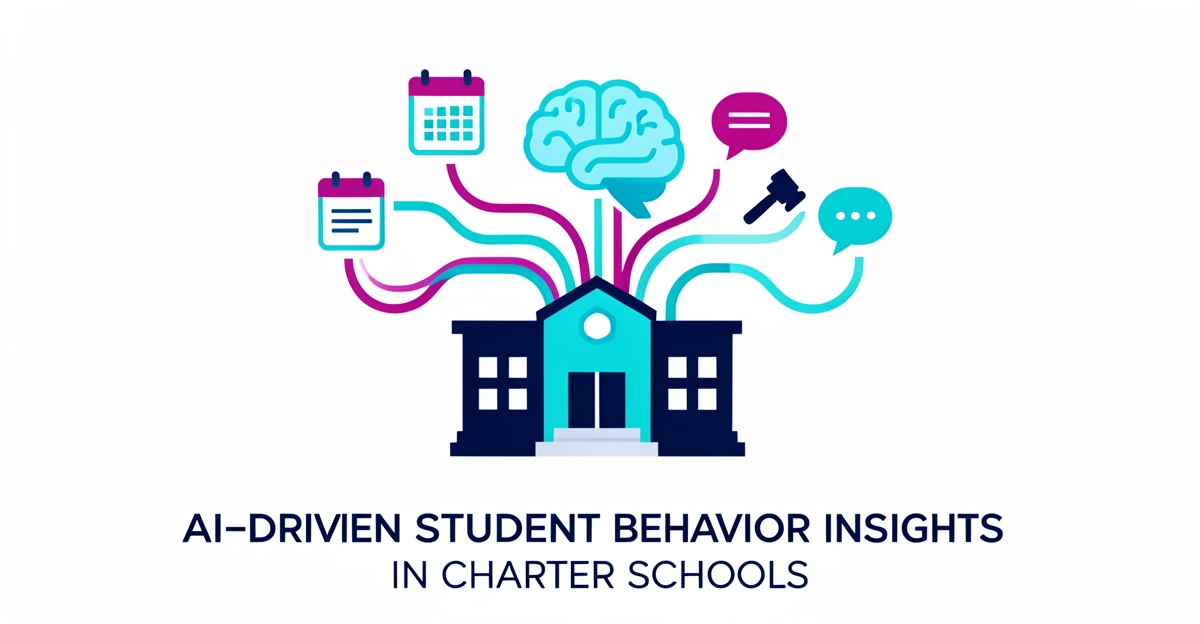
AI-Powered Student Behavior Insights: How Charter Schools Can Predict and Prevent Issues
Key Facts
- AI enables computers to simulate human learning, comprehension, problem solving, and decision-making according to IBM
- AI systems learn, reason, and perform advanced tasks that previously required human intelligence per Google Cloud
- Early-warning analytics in education typically draw on three data streams: attendance, discipline records, and engagement metrics
- US schools must comply with FERPA and COPPA when handling student data, making privacy-first architecture essential
- AIQ Labs has deployed 200+ multi-agent systems and runs 4 live SaaS products daily
Hire a team member that works 24/7 — for less than a part-time wage.
AI receptionists, SDRs, dispatchers and 99+ roles. Trained on your business, fully managed.
Not sure where to start? Ask our AI planner
The Growing Challenge of Student Behavioral Issues in Charter Schools
Charter schools face mounting pressure as student behavioral issues continue to rise, straining already limited resources and staff capacity. Reactive approaches to discipline and attendance problems often address symptoms rather than root causes, leading to cycles of disengagement and intervention that fail to create lasting change. AI-powered tools are increasingly sophisticated and designed specifically for educational environments, offering a pathway to shift from reactive management to proactive support. As IBM explains, artificial intelligence is technology that enables computers to simulate human learning, comprehension, problem solving, and decision-making, which makes it well suited to handling the routine pattern analysis that consumes so much staff time, allowing educators to focus on what matters most: supporting students.
The challenge is compounded by the sheer volume of data schools already collect, attendance logs, discipline records, learning platform activity, that rarely gets analyzed together. When these systems work in isolation, early warning signs get missed. The most effective approach combines machine pattern recognition with human judgment: AI surfaces the signals, and educators decide how to respond. Google Cloud's definition of AI emphasizes that these technologies learn, reason, and perform tasks that previously required human intelligence, but in education, the goal is always to enhance rather than replace educator judgment.
Without predictive insights, charter schools risk perpetuating inequitable disciplinary practices and missing early warning signs of disengagement. The inability to forecast behavioral trends means staff spend disproportionate time managing crises rather than preventing them. This reactive cycle consumes valuable instructional time and contributes to educator burnout. AIQ Labs recognizes these challenges and builds predictive models tailored to charter school environments, ensuring privacy, transparency, and actionable alerts that enable staff to intervene before issues escalate. By analyzing attendance patterns, discipline records, and engagement metrics, schools can identify at-risk students early and deploy targeted support strategies that address underlying needs rather than merely responding to outward behaviors.
How AI Predicts Behavioral Risks Using Attendance, Discipline, and Engagement Data
AI-powered systems transform how charter schools identify behavioral risks by analyzing patterns across attendance, discipline, and engagement data. Rather than waiting for incidents to occur, these tools detect subtle shifts, like increasing tardiness or declining participation in digital platforms, that often precede more serious challenges. By processing historical and real-time data together, AI surfaces early warning signs that might otherwise go unnoticed in busy classroom environments. This approach works best when combined with human expertise, creating a synergy where technology enhances rather than replaces educator judgment.
Attendance analysis reveals critical insights: AI models can flag students with erratic attendance patterns, such as frequent unexplained absences or sudden drops in punctuality, which research links to emerging disengagement or external stressors. Similarly, discipline record analysis examines not just the frequency of incidents but their context, timing, location, and preceding events, to identify students at risk for escalation. Engagement metrics from learning platforms add another layer, tracking changes in assignment completion, login frequency, or interaction depth that may signal waning motivation or unmet needs.
These predictive capabilities enable charter schools to shift from reactive discipline to proactive support. When AI detects a convergence of risk factors, such as declining attendance paired with minor disciplinary notes and reduced digital engagement, it triggers timely alerts for counselors or teachers to intervene with personalized strategies. This might include check-ins, academic accommodations, or family outreach before behaviors escalate. Crucially, the true value lies in the human-plus-AI partnership: educators interpret AI-generated insights through their contextual knowledge of students, ensuring responses are both data-informed and human-centered. AIQ Labs supports this balance by building transparent, auditable models that integrate with existing school systems while prioritizing student privacy and actionable outcomes. The result is not automation for its own sake, but a smarter, more responsive approach to student well-being.
Implementing Privacy-First AI Systems for Proactive Intervention in Charter Schools
The difference between a reactive discipline system and a proactive intervention framework often comes down to implementation strategy. Charter schools that successfully deploy AI-powered behavior insights follow a structured approach that prioritizes privacy, educator empowerment, and measurable outcomes from day one.
The foundation of effective implementation begins with comprehensive data integration. Schools must establish unified systems that capture attendance patterns, discipline records, and engagement metrics across all platforms. Centralized data processing is what enables personalized interventions at scale, without it, predictive models only see fragments of the picture. AIQ Labs' AI Operating Systems approach connects these data sources into one operating layer, built in phases so schools see value early without a disruptive rip-and-replace.
Once data flows seamlessly, schools need predictive models tailored to their specific environment. Generic algorithms often miss the nuanced cultural and demographic factors that influence student behavior. Combining machine learning pattern recognition with educator expertise ensures models reflect real classroom dynamics rather than abstract statistical correlations. For schools that want to start smaller, a targeted AI Workflow Build can rebuild the single workflow that costs the most, such as attendance tracking or incident reporting, at a fixed price, before committing to anything broader.
Privacy compliance cannot be an afterthought. Educational institutions handle sensitive data protected under FERPA and COPPA, requiring privacy-first architecture from the ground up. AIQ Labs builds systems with these regulatory frameworks embedded directly into the design, ensuring audit trails, data encryption, and access controls meet federal standards without sacrificing predictive power.
Staff training represents the critical bridge between technical capability and practical impact. Educators need to interpret AI-generated alerts within the context of their classroom knowledge. Structured professional development, whether through university partnerships or dedicated onboarding sessions, builds the AI literacy staff need to act on insights confidently while applying their professional judgment.
Before full deployment, schools should initiate pilot testing programs with limited student cohorts. This phased approach allows administrators to validate model accuracy, refine intervention protocols, and build staff confidence. Starting with a single grade level or department creates manageable feedback loops while protecting student privacy through controlled data exposure.
Implementation success requires ongoing refinement based on educator feedback and outcome metrics. Schools must establish clear channels for teachers to report false positives, suggest model adjustments, and share intervention success stories. This iterative process ensures the AI system evolves alongside the school's changing needs while maintaining the transparency and trust essential for ethical AI deployment in education.
Still paying for 10+ subscriptions that don’t talk to each other?
We build custom AI systems you own outright. No vendor lock-in. Full control.
Not sure where to start? Ask our AI planner
Frequently Asked Questions
How does AI actually predict behavioral risks in students before incidents happen?
Will using AI for student behavior insights replace teachers' judgment or make decisions without human oversight?
Is student data safe and private when using AI systems for behavior tracking in schools?
What kind of training do teachers need to effectively use AI-powered behavior insights in their classrooms?
Can AI really help reduce disciplinary incidents and improve student outcomes in charter schools?
How do schools start implementing AI for student behavior insights without disrupting current systems?
From Reactive to Proactive: Building a Smarter Future for Charter School Students
Charter schools no longer need to rely on reactive discipline systems that consume valuable time and fail to address root causes. By leveraging AI to analyze attendance, discipline records, and engagement metrics, schools can identify at-risk students early and intervene with targeted, human-centered support. The most effective implementations combine predictive analytics with educator expertise, privacy-first architecture, and ongoing refinement based on real-world feedback. This shift not only improves student outcomes but also reduces staff burnout and promotes more equitable disciplinary practices. AIQ Labs builds custom predictive models tailored specifically to charter school environments, whether through a single workflow build or a full AI operating system, ensuring compliance with FERPA and COPPA while delivering actionable alerts that fit into existing workflows. If your school is ready to move from crisis management to proactive student support, start with the 2-minute Fit Check and a free 30-minute strategy call to explore how AI-powered insights can transform your approach to student well-being.
Make AI your competitive advantage — not just another tool.
Strategy, implementation and ongoing optimization. One partner, end to end.
Not sure where to start? Ask our AI planner