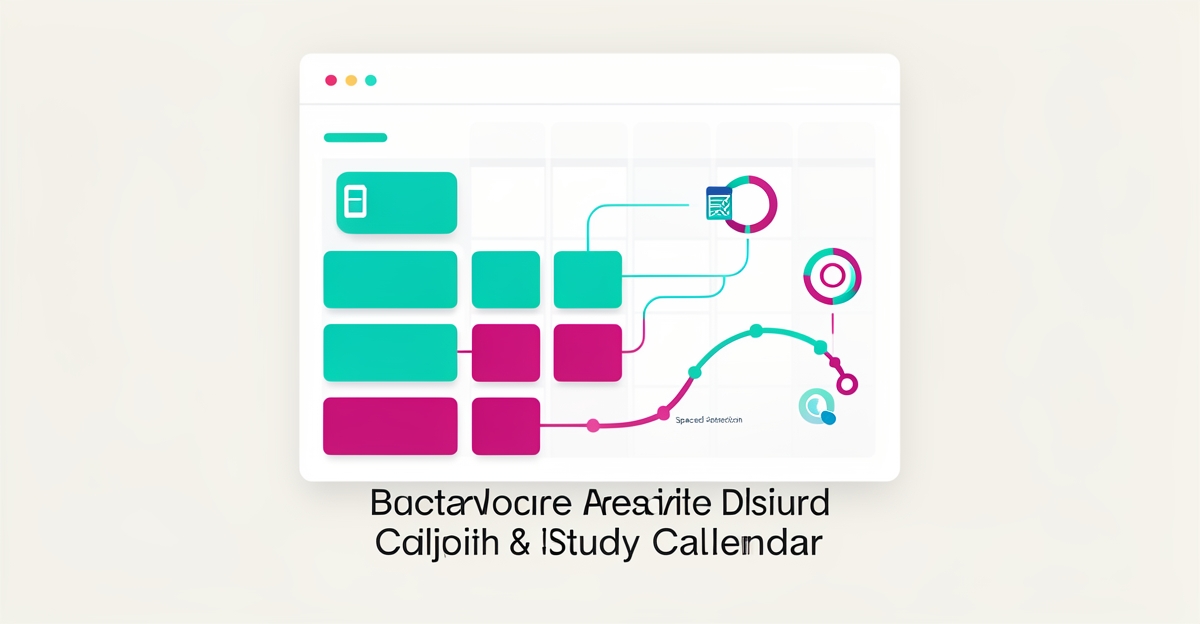
AI-Powered Study Plan Recommendations: How Test Prep Companies Can Increase Student Engagement
Key Facts
- Static study plans fail because they cannot adapt to missed sessions, work conflicts, or difficult concepts, causing motivation to disappear
- Industry analysts expect traditional search volume to decline significantly in the coming years as AI assistants reshape how students find tools and content
- AI study planners typically use spaced repetition intervals such as 1, 3, 7, and 14 days to reinforce material at optimal times for retention
- Leading platforms typically offer multiple study plan views, Calendar, Mind Map, Board, List, Table, Gantt, and Org Chart, so students can engage in the format that fits them
- AI tutor agents can automatically generate flashcards, summaries, and practice quizzes directly from uploaded syllabi
Hire a team member that works 24/7 — for less than a part-time wage.
AI receptionists, SDRs, dispatchers and 99+ roles. Trained on your business, fully managed.
Not sure where to start? Ask our AI planner
The Engagement Crisis in Test Prep: Why Static Study Plans Fail
Static schedules treat every student the same, and students feel it immediately. When a study plan cannot flex with a missed session, a hard week at work, or a concept that simply won’t click, motivation erodes and logins disappear.
Traditional test prep platforms hand out one-size-fits-all calendars that ignore individual pace, energy, and knowledge gaps. The result is predictable: disengagement, drop-off, and low retention. Industry observers often describe the problem as driving without a map, you might arrive, but you waste fuel, miss turns, and arrive stressed.
The shift in how learners find and use content amplifies the risk. As of late 2026, AI assistants are reshaping how students discover tools and study resources, and buyers increasingly expect software that adapts to them, not the other way around. Test prep companies still running static calendars are competing against that expectation every day.
Static systems also miss the personalization signals that keep users coming back. AI-powered study planners analyze behavior patterns, deadlines, and available hours to build dynamic schedules that rebalance automatically when life moves a deadline. That adaptive scheduling is the difference between a list and a system that reads your syllabus, generates materials, and reschedules itself.
Modern platforms show why flexibility matters. Leading tools offer multiple views for the same plan, Calendar, Mind Map, Board, List, Table, Gantt, and Org Chart, so students can engage in the format that matches their learning style. Off-the-shelf AI study planners with generous free tiers also make full study systems accessible without building infrastructure from scratch.
Disengagement shows up in specific failure points:
- Fixed timelines that don’t adjust after missed sessions
- Generic content that ignores identified knowledge gaps
- No spaced repetition, so review happens too late for retention
- One view, one pace, no option to collaborate or share progress
Test prep companies that stay static lose more than session time. They lose the retention loops that drive referrals and lifetime value. In the category of AI Customer Retention & Loyalty, keeping students engaged means delivering relevant content at the right moment based on behavior.
AIQ Labs builds systems that analyze student behavior and suggest relevant content to boost retention and referrals, mirroring how personalized content platforms keep subscribers active by tailoring each experience. When study plans respond to real-time progress instead of a preset calendar, students stay in the loop, complete more sessions, and return for the next exam cycle. For teams that want this capability without a long build, our AI Workflow Builds rebuild the one workflow that costs you the most students, at a fixed price, in phases.
How AI-Powered Study Plans Boost Engagement Through Personalization
AI-powered study planners are transforming student engagement by turning generic study routines into personalized learning journeys. These systems analyze individual behavior patterns, course requirements, and available time to create dynamically optimized schedules that adapt as students progress. This level of customization ensures that study plans remain relevant and challenging without becoming overwhelming, directly addressing the common dropout point in self-directed learning where students lose motivation due to poor pacing or mismatched content.
The core strength of AI study planners lies in their ability to generate adaptive learning materials alongside intelligent scheduling. As demonstrated by current platforms, AI tutor agents can read syllabi, build spaced-repetition schedules, and produce flashcards, summaries, and practice quizzes that align with each student’s current knowledge gaps. This automation eliminates the time-consuming task of manual content creation, allowing students to focus exclusively on active learning. For test prep companies, integrating such capabilities means offering a cohesive system where planning and content delivery work in tandem to sustain engagement over extended preparation periods.
Multi-view interface design further enhances stickiness by accommodating diverse learning preferences. Leading platforms typically provide up to seven visualization options, including Calendar, Mind Map, Board, List, Table, Gantt chart, and Org Chart, enabling students to interact with their study plans in formats that match their cognitive styles. Whether a learner prefers chronological time blocking, visual concept mapping, or simple task lists, the ability to switch views without losing context increases perceived utility and reduces friction in daily use. This flexibility is particularly valuable in high-stakes test prep, where sustained engagement over weeks or months depends on the tool feeling intuitive and personally relevant.
AIQ Labs applies similar personalization principles across its services. Our AI Employees handle student-facing communication, answering questions, following up on missed sessions, and keeping learners on schedule, at roughly 80% less cost than a comparable human hire. Just as AI study planners rebalance schedules when a student skips a session, AI-powered business systems adjust outreach, support, or content delivery based on real-time interaction data. This parallel underscores how adaptive AI, in education and across customer-facing operations, creates experiences that feel responsive and valuable, encouraging continued use and reducing churn. By grounding engagement strategies in individual behavior rather than static assumptions, both AI study planners and intelligent business systems foster deeper, more sustainable user relationships.
Implementing AI Study Recommendations: A Test Prep Company's Action Plan
Test prep companies looking to boost student engagement through AI-powered study recommendations can follow a clear implementation path that connects directly to their retention goals. The process begins with inputting course data, students add their syllabi, deadlines, and available study hours into the system, enabling the AI to analyze workload and estimate time requirements per topic. This foundational step allows the platform to generate optimized schedules that account for all commitments, a capability demonstrated by leading tools that create full study systems integrating scheduling with material generation.
Once the initial analysis is complete, companies can enable AI-driven content generation and spaced repetition workflows. Advanced systems use AI tutor agents to automatically create flashcards, summaries, and practice quizzes from course materials, addressing the time-intensive nature of quality study material creation. These platforms then implement scientifically grounded review intervals, typically 1 day, 3 days, 7 days, and 14 days, to move completed flashcard sets back for reinforcement at the most effective times for long-term retention. Test prep providers can further enhance usability by offering multiple visualization formats, Calendar, Mind Map, Board, List, Table, Gantt chart, and Org Chart, so students engage with their plans in ways that match their learning preferences.
To maximize adoption and ongoing use, AI study recommendations should integrate seamlessly with students’ existing workflows. Connecting with tools like Google Calendar allows study sessions to appear alongside personal and academic commitments, reducing friction and increasing adherence. AIQ Labs builds custom AI systems, from a single rebuilt workflow to a full AI Operating System deployed in phases, that you own outright, with deep two-way API connections to the tools you already run. That means test prep companies retain full control while delivering personalized experiences that analyze student behavior and suggest relevant content. This approach directly supports retention and referral goals by creating stickier, adaptive learning experiences that keep students engaged and coming back.
Still paying for 10+ subscriptions that don’t talk to each other?
We build custom AI systems you own outright. No vendor lock-in. Full control.
Not sure where to start? Ask our AI planner
Frequently Asked Questions
Why do static study plans cause students to disengage?
How does AI personalization actually improve engagement in test prep?
Can I really see my study plan in different formats?
Do AI study planners create study materials for me?
Is AI study planning accessible without building infrastructure from scratch?
Are students expecting AI-adaptive tools now?
The Study Plan That Doesn't Quit: Turning Engagement Into Retention
Static study plans lose students the moment life gets in the way. As this article has shown, AI-powered study planners fix that by analyzing behavior, deadlines, and knowledge gaps to build adaptive schedules that rebalance automatically, generate flashcards and practice quizzes on demand, and present plans in whatever format fits each learner. For test prep companies, that adaptability is the engine of retention: students who complete more sessions stay longer, return for the next exam cycle, and refer friends. And as AI assistants reshape how students find tools in 2026, the expectation of adaptive software keeps rising. The good news is you don't need to build this alone. AIQ Labs designs custom AI systems that analyze student behavior and deliver personalized content recommendations, systems you own outright, with no vendor lock-in. Start with a single high-impact workflow, prove the value, then scale. Take the two-minute Fit Check at aiqlabs.ai/apply, then book a free 30-minute strategy call to map your biggest engagement bottleneck with an AI engineer. If there isn't a clear win, we'll tell you that too.
Make AI your competitive advantage — not just another tool.
Strategy, implementation and ongoing optimization. One partner, end to end.
Not sure where to start? Ask our AI planner