AI-Powered Table Management: How Thai Restaurants Can Optimize Seating and Reduce Wait Times
Key Facts
- A large share of calls to restaurants, industry estimates often run as high as 40%, go unanswered during peak service
- AI-driven seating and waitlist systems typically improve table turnover rates by double-digit percentages
- Demand forecasting and real-time table assignment commonly reduce wait times meaningfully during peak hours
- As of late 2026, most large restaurant operators use AI somewhere in marketing, operations, or customer service
- AI-powered inventory alignment typically cuts food waste by meaningful margins by matching prep to predicted covers
- Behavior-driven recommendations at the moment of seating can lift repeat visits and average spend
Hire a team member that works 24/7 — for less than a part-time wage.
AI receptionists, SDRs, dispatchers and 99+ roles. Trained on your business, fully managed.
Not sure where to start? Ask our AI planner
The Hidden Cost of Empty Tables and Long Queues
Every empty seat in a Thai restaurant represents a silent revenue drain, and the problem runs deeper than most operators realize. While customers queue outside or hang up after endless rings, potential income evaporates into thin air.
Consider this reality: industry estimates suggest that as many as 40% of calls to restaurants go unanswered during busy periods. Every missed call could be a booking, a large party, or a loyal customer who takes their business elsewhere, often permanently.
The chaos intensifies during peak hours when manual table management collapses under pressure. Hosts juggle paper lists while servers scramble to turn tables, creating bottlenecks that frustrate hungry diners. In high-traffic tourist areas, where demand swings wildly between lunch rushes and dinner surges, these inefficiencies compound rapidly.
The financial impact is substantial. Operators who adopt AI-driven seating and waitlist systems typically report double-digit improvements in table turnover, directly translating to more covers per service. Yet without such optimization, restaurants leave money on the table, literally, while watching walk-aways that never return.
The operational squeeze manifests in three costly ways:
- Missed reservation opportunities from unanswered phones and overwhelmed staff during peak periods
- Inefficient seating patterns that leave tables empty while queues grow outside
- Walk-away customers who abandon long waits and rarely give second chances
Modern solutions exist to break this cycle. AIQ Labs builds managed AI Employees, including AI receptionists that answer every call, and custom systems that analyze booking patterns and real-time customer behavior to dynamically manage seating. These systems predict peak hours and optimize table allocation without human guesswork.
The gap between thriving restaurants and struggling ones increasingly comes down to operational intelligence. Those capturing every call, maximizing every seat, and minimizing wait times pull ahead, while others watch revenue slip through their fingers one empty table at a time.
How AI Predicts, Seats, and Turns Tables Faster
Thai restaurants are turning crowded evenings into predictable, profitable service by letting AI run the floor before the first guest arrives.
AI-powered table management starts with pattern recognition. Systems analyze historical bookings, day-of-week cycles, weather, local events and even tourist flows to forecast demand by hour and by party size. That demand forecasting aligns staffing with predicted covers, reducing over-scheduling and idle tables during soft periods.
From those forecasts, the engine predicts no-shows and late arrivals by scoring reservation risk from past behavior, channel, and lead time. When risk is high, the system automatically overbooks a calculated buffer or releases the hold to a waitlist, protecting revenue without creating chaos.
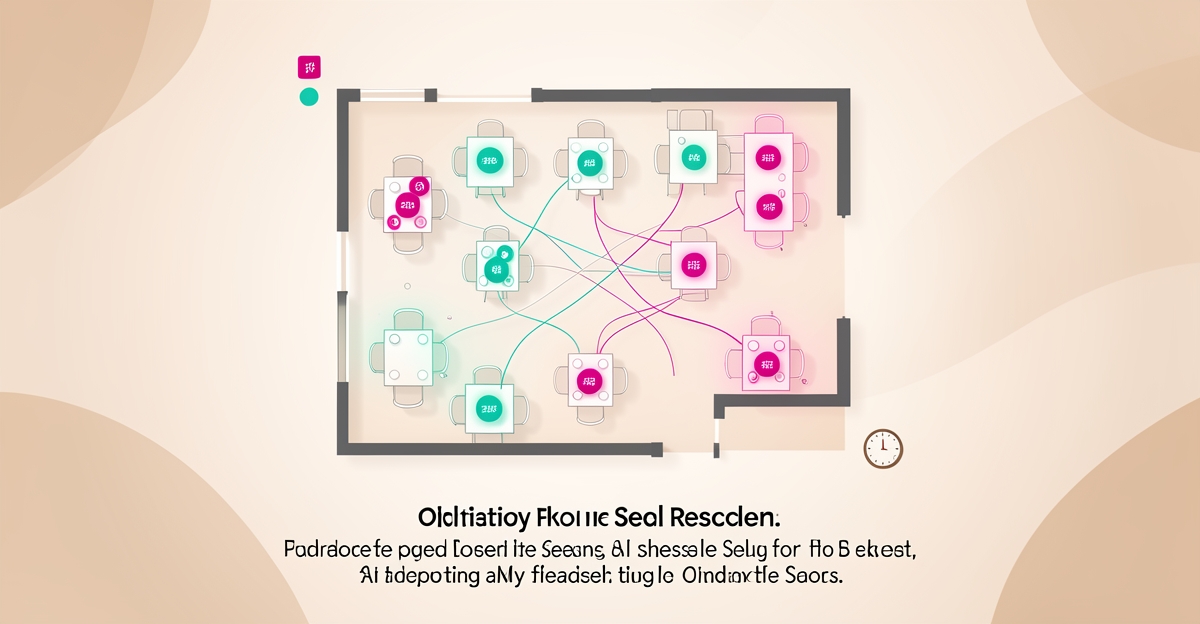
Dynamic seating is where speed materializes. In real time the AI matches incoming parties to the optimal table based on size, turnover history, and expected dining duration. It sequences turns so a two-top vacated early can be reassigned instantly instead of waiting for a bus. Operators using these systems typically see meaningful gains in table turnover and notable reductions in peak-hour wait times.
The mechanics that drive those gains typically include:
- Booking pattern analysis that identifies peak hours and party-size mix to pre-position tables
- No-show prediction models that trigger smart overbooking or waitlist backfill
- Real-time table assignment that balances party size, dwell time, and kitchen load
- Demand forecasting that aligns front-of-house staffing with predicted covers
Faster turns also lift spend. When forecasting is connected to the floor plan, staff can prioritize high-value tables during demand spikes and offer timely upsells without delaying service, typically nudging average ticket size upward.
For Thai operators, this is a focused AI Workflow Build applied to the dining room. AIQ Labs rebuilds the one workflow that costs you the most, reservations, waitlists, and table allocation, as owned, production-grade logic at a fixed price, replacing manual spreadsheets and host intuition.
The result is a floor that feels calm to guests and controlled to managers: shorter queues, fewer empty tables between covers, and teams focused on hospitality rather than firefighting.
Beyond Seating: The Compounding ROI of Connected AI
Table management is only the first move. The real compounding returns come when seating data starts talking to inventory, POS, and customer behavior in real time.
AI adoption is now baseline, not experimental. As of late 2026, the majority of large U.S. operators use AI for marketing, operations, or customer service, with similar penetration in the UK and Australia. For Thai restaurants navigating Thailand 4.0, that means connected systems are table stakes for competitiveness.
When table turnover insights feed inventory, waste falls and margins hold. AI-powered inventory management typically delivers a meaningful reduction in food waste by aligning prep with predicted covers. Smart POS data completes the loop, optimizing pricing, staffing, and menu mix from the same real-time signals that drive seating decisions.
Customer behavior analysis turns a single visit into lifetime value. Operators using AI-driven behavior analysis commonly see a measurable lift in repeat visits. That lift compounds when recommendations are triggered at the moment of seating, where context is richest.
Personalized recommendations at the table create immediate revenue impact. The system knows party size, time of day, historical preferences, and current kitchen capacity, then surfaces relevant offers without staff intervention, typically raising average order value without adding headcount.
This is where a single workflow grows into an AI Operating System. AIQ Labs builds one connected operating layer, seating linked to inventory, POS, and customer profiles, delivered in phases and owned outright by you, not rented from a stack of disconnected point tools.
Connected AI delivers compounding ROI across the operation:
- Inventory sync from forecasted covers reduces over-prep and stockouts
- Smart POS data informs dynamic pricing and staff deployment by predicted peak hours
- Behavior analysis drives personalized offers at seating for repeat visits and higher spend
Restaurants that treat table management as an isolated feature miss the network effect. When seating intelligence flows into inventory, sales data, and customer profiles, efficiency gains stack and revenue lifts persist beyond the dinner rush.
Implementation Without the Headache: A Phased Approach
Thai restaurants can feel the pressure of peak-hour crowds and long waits without adding staff or losing the warm, personal service guests expect. The shift to AI-powered table management doesn’t have to mean a disruptive overhaul.
Upfront cost concerns, staff training needs, and preserving Thai hospitality warmth are the three barriers operators name most often. Industry research consistently flags initial investment costs as a primary challenge, alongside the need for staff training and adaptation and maintaining the human element of hospitality.
A phased approach lowers risk and proves value before scaling. The path starts with clarity, then controlled rollout.
The five-step implementation path used by restaurants moving from pilot to scale is:
- Identify operational problems where AI can provide the most impact, such as slow service or missed calls
- Choose the right tools that align with specific needs and budget
- Train your team comprehensively on how to use the new AI tools
- Start small with pilot projects in one service area
- Monitor and adjust performance of AI systems over time
Identifying problems first prevents buying technology for its own sake. Many Thai restaurants lose bookings because a large share of calls go unanswered during peak hours. Mapping peak hours, no-show patterns, and table turnover gaps creates a clear target for automation.
Choosing tools with a narrow scope keeps costs contained. AI can meaningfully improve table turnover rates when systems analyze historical data and forecast demand, enabling more efficient allocation and shorter waits. Starting with reservations and waitlist management demonstrates ROI without touching kitchen workflows.
Training is what protects warmth. Staff need confidence using AI so they can stay focused on greeting, recommending, and caring for guests. When employees understand how AI handles repetitive tasks, they have more time for the personal interactions that define Thai hospitality.
Starting small is the practical way to prove value. A single dining room or lunch service pilot lets a team learn, adjust, and build trust. AIQ Labs builds custom AI systems that dynamically manage tables based on real-time data and customer behavior, and a milestone-based build lets restaurants validate results in one area before expanding.
Monitoring and adjusting closes the loop. Tracking wait times, turnover, and staff feedback shows where the system helps and where human judgment still leads. This iterative cycle is where Build in Milestones fits naturally, splitting the build into phases where you approve and pay per phase and keep everything built so far. When the system proves itself, Own It Outright means the logic is yours, no per-seat rentals, no lock-in.
With a phased plan, Thai restaurants can adopt AI for seating optimization without sacrificing service, cost control, or the hospitality warmth guests return for.
Still paying for 10+ subscriptions that don’t talk to each other?
We build custom AI systems you own outright. No vendor lock-in. Full control.
Not sure where to start? Ask our AI planner
Frequently Asked Questions
How much can AI improve table turnover rates in Thai restaurants?
What percentage of restaurant calls go unanswered, and how does that impact revenue?
Can AI help reduce food waste in Thai restaurants?
Will using AI for table management make service feel less personal or warm?
What is a low-risk way for a Thai restaurant to start using AI for table management?
From Empty Tables to Full Houses: Your Next Move
Empty seats and long queues are not just service hiccups for Thai restaurants, they are measurable revenue loss. Manual table management creates missed calls, inefficient seating and walk-aways, while AI-driven forecasting, no-show prediction and real-time table assignment typically lift turnover and cut wait times. The real compounding value comes when seating intelligence connects to inventory and POS, reducing waste and driving repeat visits through timely, contextual offers. A phased approach makes adoption practical: map peak hours and no-show patterns, pilot reservations and waitlist management, train staff to protect hospitality warmth, then expand. AIQ Labs has deployed 200+ multi-agent systems and runs four live SaaS products daily, building custom AI systems that dynamically manage tables based on real-time data and customer behavior, owned, production-grade logic, not another subscription. If you want a clear view of where seating optimization will pay first for your operation, start the 2-minute Fit Check at aiqlabs.ai/apply for a free 30-minute strategy call, or email [email protected]. With a large share of restaurant calls going unanswered, capturing every opportunity starts with the right first step.
Make AI your competitive advantage — not just another tool.
Strategy, implementation and ongoing optimization. One partner, end to end.
Not sure where to start? Ask our AI planner