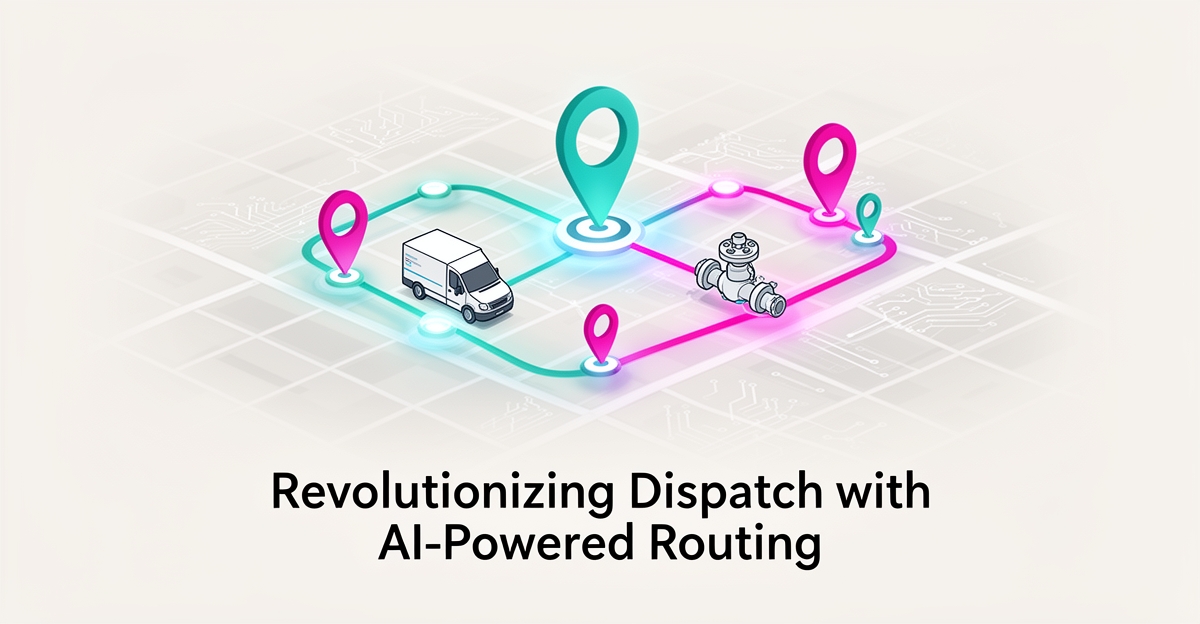
AI-Powered Technician Dispatching: How Backflow Companies Can Reduce Response Time and Missed Appointments
Key Facts
- Around half of frontline employees have reported being burned out at work, according to Microsoft WorkLab research
- Roughly two-thirds of frontline employees say they don't have enough time to finish tasks on the job, per Microsoft WorkLab findings
- Dynamic routing algorithms continuously optimize technician routes using real-time traffic, weather, and cancellation data as noted by industry experts
- Resource Scheduling Optimization automatically matches certified technicians with the right backflow assembly type and equipment, per Microsoft field service research
- AI workflow automation reduces repetitive tasks through rule-based automation, boosting accuracy and team collaboration according to Microsoft Copilot documentation
- IoT sensors on backflow assemblies enable predictive maintenance by triggering automated alerts before failures occur, per Microsoft WorkLab field service insights
- AI dispatch systems operate 24/7 to analyze location, availability, and performance data for efficient backflow inspection scheduling
Hire a team member that works 24/7 — for less than a part-time wage.
AI receptionists, SDRs, dispatchers and 99+ roles. Trained on your business, fully managed.
Not sure where to start? Ask our AI planner
The Hidden Cost of Inefficient Dispatching in Backflow Services
The operational reality for many backflow service providers remains rooted in manual dispatching practices that create costly inefficiencies. Dispatchers juggle spreadsheets, phone calls, and gut instinct to assign technicians, often resulting in suboptimal routing and scheduling conflicts. This approach not only wastes fuel and time but also places excessive cognitive load on frontline staff who must constantly adapt to last-minute changes and technician availability issues. The hidden cost manifests in missed appointments, technician frustration, and eroded customer trust, problems that compound daily in field service operations.
Research has consistently linked inefficient scheduling to employee burnout and time poverty among frontline workers. Microsoft WorkLab research found that roughly half of frontline employees report being burned out at work, while about two-thirds say they don't have enough time to finish tasks on the job. These findings highlight a systemic issue where outdated dispatching methods force technicians into reactive modes, constantly playing catch-up rather than performing preventive backflow testing with focus and precision. When technicians are overburdened by poor scheduling, their ability to deliver high-quality service diminishes, increasing the likelihood of errors or incomplete work.
The consequences extend beyond internal operations to directly impact customer experience and business reputation. Missed appointments due to inefficient routing or technician no-shows damage reliability perceptions, especially critical in backflow services where annual compliance testing is often time-sensitive and regulated. Customers expect technicians to arrive within promised windows, and repeated failures lead to dissatisfaction, negative reviews, and potential contract non-renewal. Furthermore, inefficient dispatching increases operational costs through unnecessary mileage, idle time, and overtime pay, expenses that could be redirected toward service improvements or technician training. Addressing these hidden costs requires shifting from intuition-based dispatching to data-driven systems that optimize both technician utilization and customer satisfaction. Alleviating time pressure and burnout isn't just beneficial for staff, it's essential for sustaining service quality in demanding field roles. AIQ Labs supports this transition through AI Workflow Builds that rebuild the dispatch workflow that costs you the most, at a fixed price and in phases.
How AI-Powered Dispatching Transforms Field Service Operations
AI-powered dispatching replaces reactive scheduling with continuous optimization that learns from every job completed. For backflow companies managing annual compliance testing, that shift means fewer missed appointments and technicians arriving prepared.
Dynamic routing algorithms calculate optimal routes and schedules based on real-time data and constraints, continuously adjusting to changing conditions such as traffic, weather, cancellations, or urgent requests. These models learn from historical data and patterns, improving performance over time. Resource Scheduling Optimization automatically suggests the technicians, equipment, and facilities best equipped to handle specific jobs, ensuring the right person with the right skills is sent to the right location at the right time.
Intelligent technician-job matching goes beyond simple availability. The system considers technician certifications, proximity to job sites, historical performance data, and customer preferences to make optimal dispatch decisions. For backflow testing, this means ensuring annual compliance tests are assigned only to certified personnel with the proper equipment for each specific type of backflow assembly. This intelligent assignment process improves first-time fix rates and customer satisfaction.
Predictive scheduling adds a proactive layer to field operations. Predictive analytics helps organizations see what might happen next, allowing for proactive scheduling of annual tests and maintenance before issues arise. When connected devices trigger warning alerts, AI systems can recommend immediate actions such as system restarts or scheduled visits, preventing future complications for customers.
Workflow automation removes manual friction from dispatch. AI workflow automation tools build smarter systems by streamlining tasks, boosting productivity, and helping teams focus on higher-value activities. These tools use rule-based logic to reduce manual effort, minimize mistakes, and enhance consistency across operations.
The operational impact is measurable in technician experience and efficiency:
- Smoother operations through automation of repetitive tasks
- Increased accuracy and quality through standardized information sharing
- Faster response to change through automated workflows that adapt to business priorities
- Better collaboration by connecting people, tools, and data consistently
Frontline pressure is real. According to Microsoft WorkLab research, roughly half of frontline employees report being burned out at work, and about two-thirds say they don't have enough time to finish tasks on the job. AI agents function as assistants that can adapt in real-time to make decisions and adjust to changes as they happen, giving technicians more time for meaningful work.
Integration is what makes the system reliable. Successful implementation requires integration with existing business systems such as CRM, ERP, and inventory management platforms. AI workflow systems connect tools, teams, and data in consistent, reliable ways, ensuring all stakeholders have access to the information they need for certifications, equipment inventories, customer histories, and compliance documentation.
AIQ Labs deploys AI dispatch systems that operate 24/7, improving service reliability and customer trust by analyzing job location, technician availability, and historical performance to dispatch backflow inspections efficiently. An AI dispatcher from the AI Employees line handles scheduling, routing, and rescheduling around the clock at a fraction of the cost of a human hire. By automating scheduling and routing, AI ensures timely service and reduces missed appointments while maintaining the highest standards of water safety protection.
Implementing AI Dispatching: A Practical Roadmap for Backflow Companies
Backflow companies can't afford missed annual tests, yet dispatchers are still juggling spreadsheets, phone calls, and traffic. An AI-powered roadmap turns reactive scheduling into a predictable operation that protects compliance and customer trust.
Start by assessing current operations. Map existing dispatch processes, response times, and missed appointment rates to identify bottlenecks where automation delivers the most value. Document technician certifications, equipment availability, and customer preference patterns that an algorithm will need.
Technology selection follows assessment. Choose a field service platform that supports dynamic routing, predictive analytics, and integration capabilities. Platforms such as Dynamics 365 Field Service offer Resource Scheduling Optimization that automatically suggests technicians, equipment, and facilities best equipped for specific jobs. This ensures the right certified person is sent to the right assembly at the right time.
Integration with existing systems is critical for backflow work. Connect the AI dispatch system with CRM, ERP, inventory management, and scheduling tools to eliminate manual data entry and maintain accurate certification and compliance records. Real-time data syncing creates a single source of truth for dispatchers and technicians.
IoT monitoring adds proactive capability. Deploy sensors on critical assemblies to enable remote monitoring and predictive maintenance. Connected devices can trigger warning alerts that allow AI systems to recommend immediate actions or scheduled visits, preventing failures before they become emergencies.
Configure dynamic routing algorithms to continuously optimize routes based on real-time data. The algorithms learn from historical data and patterns, improving performance over time. As industry experts note, intelligent algorithms support dispatchers with checking logic and automation performance while giving field service optimized appointments and routes.
Training and change management determine adoption. Provide comprehensive training for dispatchers, technicians, and support staff on how to interpret AI recommendations and when to override automated decisions. Frontline strain is real: Microsoft research indicates roughly half of frontline employees report being burned out at work and about two-thirds say they don't have enough time to finish tasks on the job. A well-designed rollout reduces that pressure.
Establish clear performance metrics and human-in-the-loop controls. Define KPIs such as first response time, resolution time, and customer satisfaction scores. For sensitive operations, require human approval before dispatch changes.
A practical implementation sequence for backflow companies includes:
- Assess current dispatch workflows and compliance documentation gaps
- Select and integrate an AI field service platform with existing CRM and scheduling tools
- Configure dynamic routing with technician skills, certifications, proximity, and travel time
- Train staff and launch a pilot region before company-wide scale
Monitor and optimize continuously. Gather user feedback, adjust algorithms and rules based on real-world results, and scale gradually. AIQ Labs has deployed 200+ multi-agent systems using exactly this kind of phased, milestone-based approach, companies can start monthly, build in milestones, or own the system outright. Larger operations ready to connect dispatch with scheduling, compliance records, and customer communications in one layer can explore an AI Operating System built in phases and owned outright.
The result is faster response times and fewer missed appointments, with technicians spending more time testing and less time driving.
Still paying for 10+ subscriptions that don’t talk to each other?
We build custom AI systems you own outright. No vendor lock-in. Full control.
Not sure where to start? Ask our AI planner
Frequently Asked Questions
How can AI-powered dispatching reduce missed appointments for backflow testing companies?
What specific benefits do frontline technicians experience from AI dispatching in their daily work?
Is integrating AI dispatching with our existing CRM and ERP systems complicated?
Can AI dispatching handle urgent requests or last-minute changes during the day?
Will using AI dispatching make our technicians feel monitored or replace their expertise?
What's the first step to implementing AI dispatching for our backflow business?
From Guesswork to Precision: How AI Dispatching Powers Reliable Backflow Service
AI-powered dispatching transforms backflow operations by replacing manual scheduling with intelligent, data-driven decisions that reduce missed appointments and optimize technician routes. By analyzing location, certifications, and real-time conditions, these systems ensure the right expert arrives at the right time, improving compliance adherence and customer trust while cutting fuel waste and overtime costs. Frontline teams gain relief from constant rescheduling, allowing them to focus on precise testing rather than logistical firefighting. For backflow companies ready to move beyond spreadsheets and gut instinct, the path forward starts with assessing current workflows to pinpoint where automation delivers the fastest impact. Take the first step with the 2-minute Fit Check, then book a free 30-minute strategy call to explore how AIQ Labs can build a custom dispatch system that turns operational friction into predictable, reliable service, built in phases, owned outright, with no vendor lock-in.
Make AI your competitive advantage — not just another tool.
Strategy, implementation and ongoing optimization. One partner, end to end.
Not sure where to start? Ask our AI planner