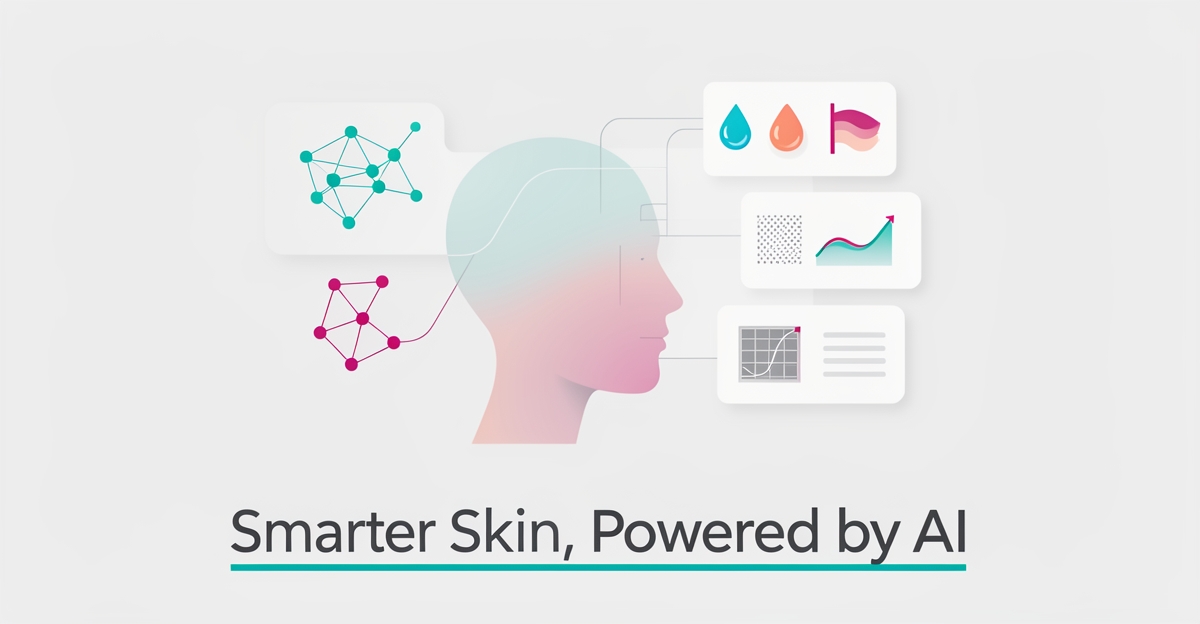
AI-Powered Treatment Recommendation Engine: How It Works in Practice
Key Facts
- AI-powered skincare systems typically analyze dozens of skin parameters from facial imaging to build a comprehensive baseline profile
- Hydration and tone improvements often appear within the first few weeks of consistent, personalized care; firmness and texture changes typically take longer
- Models trained on large, professionally graded image datasets tend to produce more reliable skin analysis
- AI-driven routines adapt continuously based on patient feedback, adherence and environmental factors
- AI-powered treatment engines augment clinical judgment by providing data-backed regimen suggestions, they are not meant to replace dermatological expertise
Hire a team member that works 24/7 — for less than a part-time wage.
AI receptionists, SDRs, dispatchers and 99+ roles. Trained on your business, fully managed.
Not sure where to start? Ask our AI planner
Why Generic Skincare Plans Fail Clinics
Generic skincare plans often fall short in clinical settings because they treat all skin as the same, ignoring the complex, evolving nature of individual dermatological needs. This one-size-fits-all approach leads to inconsistent outcomes, where patients may see little improvement or even experience adverse reactions despite following the same protocol. Aesthetic clinics relying on static routines struggle to deliver predictable results, which undermines patient trust and long-term engagement.
Traditional skincare methods typically analyze only broad skin types, resulting in variable efficacy and a higher risk of irritation due to mismatched product recommendations. In contrast, AI-powered systems evaluate a wide range of skin parameters using facial imaging and continuous data analysis to create dynamic, adaptive regimens tailored to each patient. This level of personalization can reduce the likelihood of irritation by identifying sensitivities and adjusting recommendations accordingly, a capability absent in generic plans.
Without personalization, clinics face declining retention as patients grow frustrated with slow or inconsistent progress. AI-driven routines, by contrast, give clinicians a feedback loop: progress is tracked, regimens are adjusted, and patients can see the plan responding to their skin. Hydration and tone improvements often show up within the first few weeks of consistent use, while firmness and texture changes typically take longer. Static plans offer no such adaptation, leaving both clinician and patient guessing about what works.
AIQ Labs integrates this intelligence into clinical workflows through AI-powered treatment recommendation engines that analyze patient history, skin type, and goals to suggest evolving, data-backed regimens. These systems help clinicians move beyond guesswork, delivering personalized care that aligns with the skin's changing needs while improving outcomes and strengthening patient relationships. The result is a smarter, more responsive approach to aesthetic care, one that replaces routine with relevance.
How AI Analyzes Skin History, Type and Goals
The foundation of any effective AI-powered treatment recommendation engine lies in its ability to process multiple layers of patient data with clinical precision. Modern systems begin by capturing a high-resolution facial image, which serves as the primary input for deep analysis of skin characteristics. This visual data is processed through machine learning models, often trained on tens of thousands of professionally graded images, to detect subtle variations in texture, tone, and concern distribution across facial zones. These systems typically analyze a broad set of skin parameters, including hydration levels, sebum production, elasticity, and barrier function, to build a comprehensive baseline profile.
Beyond surface-level imaging, the engine integrates patient history and stated goals to contextualize findings within individual health trajectories. Factors such as age, hormonal changes, medication use, past treatment responses, and lifestyle exposures are weighted alongside real-time skin readings to avoid misinterpreting transient conditions as chronic concerns. The AI cross-references this information against a range of commonly analyzed skin concerns, fine lines, hyperpigmentation, acne susceptibility, sensitivity, and more, to prioritize issues based on severity, progression risk, and treatment responsiveness. This multidimensional approach ensures recommendations align not only with current skin state but also with long-term wellness objectives.
Continuous learning algorithms refine these insights over time by tracking patient-reported outcomes, product adherence, and environmental influences, enabling dynamic adaptation of regimens as skin evolves. AIQ Labs builds these analytical frameworks into clinician dashboards that transform raw data into actionable intelligence, supporting evidence-based decisions without replacing professional judgment. By connecting imaging analytics, historical trends, and goal-oriented modeling, the system delivers personalized pathways that balance efficacy with safety, turning complex data streams into clear, clinically relevant guidance for skincare professionals.
From Analysis to Personalized Treatment Plans
The journey from data analysis to personalized treatment begins with deep skin profiling. AI systems process facial images to map skin parameters across facial zones, identifying concerns ranging from hydration levels to early signs of aging. This detailed analysis forms the foundation for regimens that go beyond generic advice, instead targeting specific needs with precision. The result is a customized routine that evolves with the patient's skin, supporting long-term efficacy.
Once the initial analysis is complete, the AI generates a personalized routine featuring optimized ingredient combinations designed to maximize efficacy while minimizing irritation risk. By analyzing patterns across graded images and patient feedback, the system recommends formulations that avoid known sensitivities and concentrate actives where they're most needed. With consistent use, hydration and tone improvements often appear within the first few weeks, while firmer, smoother texture typically emerges over a longer horizon.
The true power of AI lies in its ability to adapt over time. As patients log progress and provide feedback, the system continuously refines recommendations, adjusting product types, frequencies, or concentrations based on real-world results. This dynamic feedback loop ensures the regimen remains aligned with changing skin conditions, environmental factors, and evolving goals. For clinics and skincare providers, integrating such adaptive intelligence into patient workflows means moving from static prescriptions to living treatment plans that improve outcomes through continuous learning, a capability AIQ Labs builds into client dashboards to support clinicians in delivering data-driven, personalized care.
Implementing a Recommendation Engine in Practice
Clinics moving from generic protocols to data-driven care need a practical path that protects clinical judgment while scaling personalization. A recommendation engine works best when it augments the clinician, not replaces them, and is built into the tools staff already use.
Implementation starts with integration. The engine connects to existing PMS/CRM so patient history, skin type, goals and prior treatments flow in automatically. That avoids duplicate entry and gives the model context beyond a single photo. AIQ Labs builds these recommendation engines into client dashboards, helping clinicians make data-driven decisions and improve treatment outcomes while keeping workflows familiar.
Clinician oversight is kept explicit with human-in-the-loop controls. Recommendations are surfaced as suggestions with rationale, not orders. Clinicians approve, edit or override before a plan is finalized, and every decision is logged for review. This reflects the widely held view that AI is not meant to replace dermatological expertise but rather to augment it by providing data-driven insights for personalized care.
Privacy and bias are addressed by design. Training data is curated and de-identified, and models are monitored for performance across skin tones and conditions. Human review catches edge cases where imaging is ambiguous, and consent controls govern how photos and outcomes are stored and reused.
Rollout is staged for safety and adoption:
- Pilot on a single service line with a small clinician group and defined success metrics
- Validate recommendations against clinical outcomes and refine thresholds
- Expand department-wide with training, playbooks and feedback loops
- Scale to additional locations once governance and adoption are stable
Build models align with clinic risk and ownership preferences. Start Monthly delivers one AI employee with setup plus a flat monthly plan, ideal for testing triage or intake workflows. Build in Milestones splits a department system into phases you approve and pay per phase, keeping everything built so far. Own It Outright provides a full AI operating system with full ownership of code, agents and data when complete.
In practice, personalization mirrors proven skincare AI patterns. Systems analyze a broad set of parameters from facial imaging to map skin zones and concerns, and models trained on large, professionally graded datasets demonstrate how scale improves reliability. Clinics can set expectations transparently, for example, noting that hydration and tone improvements commonly appear within the first few weeks of consistent, AI-guided care, while structural changes take longer.
The result is a system that learns continuously from feedback and outcomes, adapts routines as skin changes, and keeps the clinician as the final authority.
Still paying for 10+ subscriptions that don’t talk to each other?
We build custom AI systems you own outright. No vendor lock-in. Full control.
Not sure where to start? Ask our AI planner
Frequently Asked Questions
How does AI-powered skincare differ from generic treatment plans in clinical settings?
What specific skin parameters does the AI analyze to create personalized treatment recommendations?
How long does it typically take to see visible improvements from an AI-guided skincare routine?
Can AI replace a dermatologist or aesthetic clinician in making treatment decisions?
How does AIQ Labs integrate its recommendation engine into existing clinic workflows?
What safeguards are in place to ensure AI recommendations are unbiased and privacy-compliant in skincare applications?
From Static Plans to Living Treatment Pathways
The shift from generic protocols to AI-driven personalization represents more than a technical upgrade, it redefines how clinics build trust and deliver results. By analyzing a broad set of skin parameters through facial imaging and integrating patient history with stated goals, these systems create adaptive regimens that evolve with the individual, moving beyond the limitations of one-size-fits-all approaches. The result is measurable progress patients can see, all while maintaining human oversight to catch edge cases and ensure safety. For clinics ready to replace guesswork with data-driven care, the path forward involves staged implementation, starting with a single service line, validating against clinical outcomes, and scaling only when governance and adoption are stable. AIQ Labs builds these recommendation engines directly into existing workflows, ensuring clinicians remain the final authority while gaining actionable intelligence. If you're exploring how adaptive treatment planning could strengthen your patient relationships and outcomes, start with the two-minute Fit Check at https://aiqlabs.ai/apply to map your highest-ROI opportunity, or book a free 30-minute strategy call to discuss your specific clinical workflow.
Make AI your competitive advantage — not just another tool.
Strategy, implementation and ongoing optimization. One partner, end to end.
Not sure where to start? Ask our AI planner