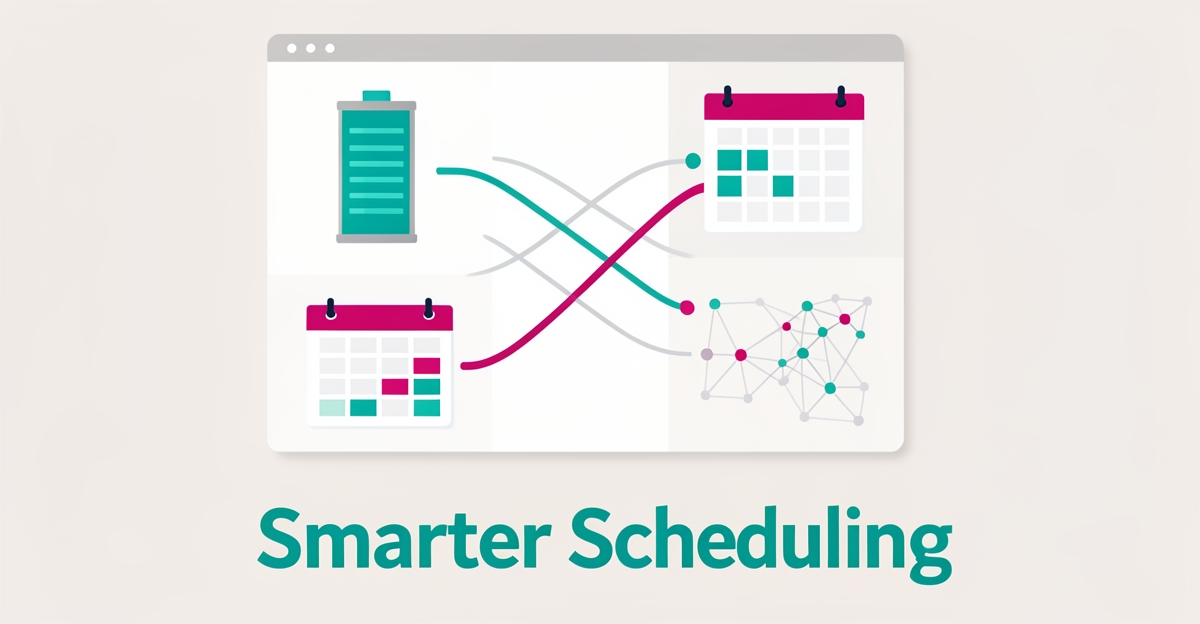
AI-Powered Workforce Management: How Battery Installers Can Optimize Technician Scheduling
Key Facts
- U.S. lithium-ion cell manufacturing capacity has expanded dramatically since 2020, with capacity roughly quadrupling between 2020 and 2025 according to Department of Energy workforce data
- Multiple new battery manufacturing plants have come online in recent years, expanding installation and service pipelines nationwide
- Enterprise workforce management deployments have reported schedule optimization gains in the range of 40% and meaningful reductions in employee attrition, with payback periods often under a year
- AI-powered scheduling platforms typically create optimal schedules automatically from demand forecasts, meeting the large majority of business and workforce constraints without manual rework
- AIQ Labs builds AI dispatchers and workflow automations that integrate with existing dispatch systems to improve response times and reduce idle time
Hire a team member that works 24/7 — for less than a part-time wage.
AI receptionists, SDRs, dispatchers and 99+ roles. Trained on your business, fully managed.
Not sure where to start? Ask our AI planner
The Scheduling Crisis in Battery Installation: Why Traditional Methods Fail
Battery installers are hitting a wall just as demand accelerates. Manual scheduling can’t keep pace with the volatility of field work, and the cost shows up as idle crews and missed service windows.
U.S. lithium-ion cell manufacturing capacity grew from roughly 59 GWh in 2020 to over 200 GWh by 2025, according to Department of Energy workforce data. Alongside that capacity buildout, multiple new battery manufacturing plants have come online in recent years, expanding installation and service pipelines nationwide.
That growth creates unpredictable job demands. Installations cluster around plant commissioning, grid projects, and seasonal weather windows, while technician availability shifts with skill shortages and overtime limits. Traditional spreadsheets and phone-based dispatch react too late, leaving crews waiting on site or rushing between jobs.
Skill gaps compound the pressure. The battery industry has developed national guideline standards for battery machine operator and battery machine repair technician roles through formal job task analysis, reflecting specialized diagnostics and fabrication needs. When certified technicians are scarce, manual schedulers default to over-booking generalists or leaving high-skill tasks unassigned.
Inefficient manual scheduling produces visible bottlenecks. Dispatchers juggle project queues without real-time visibility into travel time, parts availability, or technician certifications. The result is idle time on one job and delayed responses on another, eroding margins and customer trust.
AI-powered workforce management shows how the problem can be reduced. Enterprise workforce management platforms have reported schedule optimization gains in the range of 40% and meaningful reductions in employee attrition, with payback periods often under a year for large deployments. These systems automatically create optimal schedules from demand forecasts, meeting the large majority of business and workforce constraints without manual rework.
For battery storage installers, the failure points of traditional methods include:
- Static rosters that ignore weather patterns, site access delays, and project queue changes
- Manual matching of technician certifications to installation requirements
- Disconnected dispatch and labor planning that prevents real-time reallocation
- Limited visibility into idle time and travel inefficiencies across crews
With unpredictable job demands, battery storage installers need intelligent scheduling tools that analyze historical data, weather patterns, and project queues to optimize technician allocation. AIQ Labs builds AI Workflow Builds that integrate with existing dispatch systems, improving response times and reducing idle time without replacing the tools crews already use.
The scheduling crisis is not a staffing problem alone. It is a data and coordination problem that grows with industry scale.
How AI Workforce Management Solves Scheduling Complexity for Field Teams
Unpredictable job demands make technician scheduling a daily puzzle for battery installers. AI-driven workforce management turns that complexity into predictable, optimized deployment.
AI platforms analyze historical data, weather patterns, and project queues to forecast demand accurately across locations. Modern workforce management systems demonstrate this capability by predicting demand across locations and automatically creating optimal schedules that balance business and employee needs. Deployments of this kind have reported schedule optimization gains in the range of 40% while consistently meeting the majority of business and workforce constraints.
Automated optimization replaces manual spreadsheets with intelligent rules that balance skill sets, travel time, certifications, and customer windows. Large deployments have reported strong returns on investment with payback periods often under a year, and independent total-economic-impact studies of enterprise workforce platforms have quantified multi-million-dollar benefits for large organizations over three-year horizons. Employee attrition typically falls as gig-like flexibility and self-service improve engagement.
Real-time adjustments keep plans intact as conditions change. When a job runs long, weather shifts, or a new storage project enters the queue, the system recalculates coverage instantly and proposes swaps or additions. Managers focus on revenue-driving activities instead of firefighting schedules.
For battery storage installers, this means technicians are deployed where they are needed most without idle time. AIQ Labs builds AI dispatchers and scheduling automations that integrate with existing systems, improving response times and reducing idle time as demand fluctuates, whether through a targeted Workflow Build or a broader AI Operating System that connects scheduling to the rest of the business.
Core capabilities that solve field scheduling complexity include:
- Demand forecasting using historical installs, weather patterns, and project queues
- Automated scheduling that aligns demand with employee availability and preferences
- Real-time re-optimization for cancellations, delays, and emergency calls
- Employee self-service for shift swaps, open shift taking, and availability management
Integration with dispatch and field service tools ensures plans remain actionable. Time and attendance automation cuts administrative work while control centers provide analytics for continuous workforce allocation improvements. As U.S. battery manufacturing capacity continues to expand, intelligent scheduling becomes essential to support rapid growth.
The result is faster response, higher utilization, and a more engaged technician workforce.
Implementation Roadmap: Integrating AI Scheduling with Existing Dispatch Systems
Adopting AI-powered scheduling doesn't require ripping out your existing dispatch infrastructure. The most successful implementations layer intelligent workforce management on top of current systems, transforming how battery installers allocate technicians without disrupting daily operations.
Start by connecting labor planning with real-time execution. Organizations that align planning with execution consistently report that the right technicians with the right certifications reach the right job sites. For battery installers managing complex installations, from residential Powerwalls to commercial grid-scale storage, this means your AI system analyzes project queues alongside technician certifications, automatically matching skills to job requirements.
Next, implement demand forecasting that accounts for the unique variables affecting battery installation work. AI-driven forecasting analyzes historical patterns, weather data, and seasonal demand fluctuations to predict when installation requests will spike, such as before summer peak season or following extreme weather events that drive backup power demand. Your dispatch system feeds this intelligence, so forecasts stay grounded in your actual pipeline.
Deploy automated scheduling that respects both business constraints and technician preferences. The system generates compliant, budget-aware schedules while accommodating the gig-like flexibility today's workforce expects. Deployments of this kind typically reduce employee attrition while delivering strong returns, with payback periods often under a year.
Integration with existing tools happens through API connections to your current dispatch platform, CRM, and communication systems. AIQ Labs specializes in building these deep two-way integrations, ensuring your AI scheduling system pulls data from existing workflows rather than forcing teams to abandon familiar tools. This approach eliminates the many hours each week typically lost to manual data entry between disconnected systems.
Enable employee self-service through mobile-first platforms that let technicians manage their own schedules. Key capabilities include:
- Real-time shift swapping and open shift claiming
- Availability management and time-off requests
- Instant schedule notifications and updates
- Mobile access to job details and customer information
Change management determines implementation success. Train dispatchers to trust AI recommendations while maintaining override capabilities for exceptional circumstances. Start with a pilot program covering one service territory or team, measure results against baseline metrics, then scale gradually. Industry workforce programs emphasize that proper training ensures both entry-level and experienced technicians adapt to new technologies effectively.
Monitor performance through centralized dashboards that track schedule adherence, response times, and technician utilization. This visibility allows continuous optimization, ensuring your AI system evolves alongside your business needs and the rapidly expanding battery installation market.
Still paying for 10+ subscriptions that don’t talk to each other?
We build custom AI systems you own outright. No vendor lock-in. Full control.
Not sure where to start? Ask our AI planner
Frequently Asked Questions
How can AI-powered scheduling help battery installers reduce idle time for technicians?
Will implementing AI scheduling require us to replace our existing dispatch system?
What kind of return on investment can battery installers expect from AI workforce management?
How does AI handle unexpected changes like weather delays or emergency service calls?
What specific features do technicians get with AI-powered self-service tools?
Is there proof that AI scheduling works specifically for battery installation work?
Turn Scheduling Chaos Into Your Competitive Advantage
Battery installers face a scheduling crisis as industry growth outpaces traditional methods, leading to idle crews, missed windows, and eroding margins. AI-powered workforce management solves this by forecasting demand using historical data, weather patterns, and project queues, then automatically optimizing technician allocation based on skills, certifications, and availability. The result is faster response, higher utilization, and a more engaged workforce, turning scheduling from a cost center into a strategic advantage. For battery storage installers ready to move beyond spreadsheets, the path forward starts with assessing your current workflow. Take the two-minute Fit Check to see where AI can deliver the fastest impact, then schedule a free 30-minute strategy call to map your highest-ROI opportunities and keep your teams deployed where they’re needed most.
Make AI your competitive advantage — not just another tool.
Strategy, implementation and ongoing optimization. One partner, end to end.
Not sure where to start? Ask our AI planner