AI-Powered Workforce Optimization: How Trenchless Repair Firms Can Schedule Technicians Smarter
Key Facts
- AI-powered workforce planning is shifting from intuition-based estimation to algorithm-driven precision, a trend reflected in current workforce research
- AI can improve scheduling decisions through efficiency, objectivity, and consistency when fed good data
- Large-scale logistics operators have publicly credited AI-driven planning with measurable forecasting improvements, illustrating what data-driven allocation can do at scale
- Many enterprises still struggle with AI implementation due to technical complexity, data quality and integration are the usual culprits
- AIQ Labs' custom systems reduce technician idle time by dynamically reassigning tasks and optimizing schedules
- Trenchless firms gain improved crew utilization and customer satisfaction when scheduling moves from gut feeling to precision
- AI tools excel at streamlining workflows and improving decision-making by adapting to real-time conditions
Hire a team member that works 24/7 — for less than a part-time wage.
AI receptionists, SDRs, dispatchers and 99+ roles. Trained on your business, fully managed.
Not sure where to start? Ask our AI planner
The Scheduling Crisis in Trenchless Repair: Why Traditional Methods Fail
Trenchless repair runs on crews, trucks, and tight windows. When scheduling relies on gut feeling and spreadsheets, idle technicians and missed appointments become the norm, not the exception.
Manual dispatch treats every job the same. Dispatchers balance technician availability, job complexity, and location by memory, which creates gaps in coverage and costly overtime. The result is revenue loss, frustrated customers, and crews that spend more time driving than repairing.
AI-powered workforce planning is shifting from intuition-based estimation to algorithm-driven precision, a direction reflected in current workforce research. That shift matters for field services where travel time, equipment needs, and site access change daily. Without data-driven matching, firms leave capacity on the table.
The pain shows up in predictable ways:
- Technician idle time between jobs because routes are not optimized for proximity and skill match
- Missed or late appointments from overbooking and last-minute changes that manual boards cannot absorb
- Inefficient routing that increases fuel costs and reduces jobs completed per day
- Revenue leakage from emergency re-dispatch and customer churn after poor on-time performance
Applied to scheduling, AI's core value is analyzing real availability, certification requirements, and travel constraints instead of assumptions. Dynamic reassignment becomes possible when a job slips or a crew finishes early.
Firms that stay manual also struggle with visibility. Leaders cannot see bottlenecks until they cost money, and crews lose trust when schedules feel arbitrary. Algorithm-driven scheduling replaces reactive firefighting with proactive planning that respects both utilization and workload balance.
This is where AI Workflow Builds create leverage. AIQ Labs rebuilds the one workflow that costs you the most, dispatch scheduling included, so the system analyzes technician availability, job complexity, and location to create optimal schedules and dynamically reassign tasks. The approach reduces idle time and improves on-time performance without replacing dispatcher judgment.
Operational forecasting improves with the same principles used at scale elsewhere. Large logistics operators have publicly credited AI-driven planning with measurable forecasting gains, illustrating how data-driven allocation lifts execution. Trenchless firms see similar benefits in crew utilization and customer satisfaction when scheduling moves from gut feeling to precision.
How AI Analyzes Availability, Complexity, and Location to Optimize Schedules
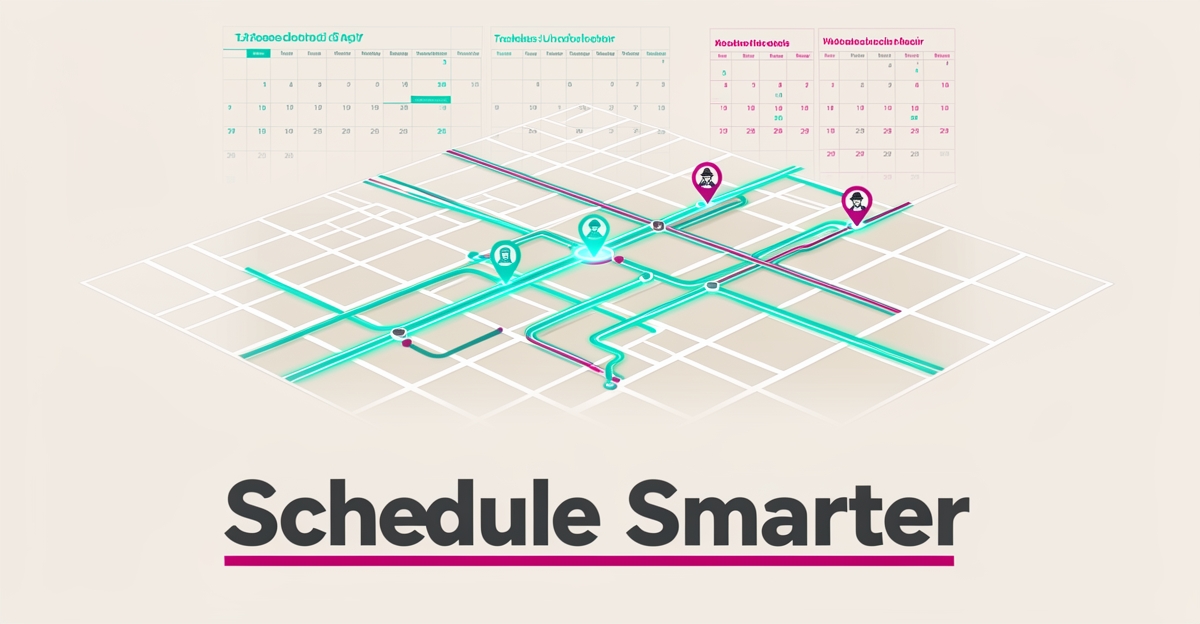
Trenchless repair crews lose money every time a truck rolls out with the wrong tech or sits idle between jobs. AI changes that by turning availability, complexity, and location into a live scheduling engine instead of a morning huddle guess.
The system ingests real-time technician availability, certifications, and current job status, then matches those constraints against incoming work orders. This is the shift from intuition-based estimation to algorithm-driven precision that current workforce planning research describes.
Job complexity scores are built from historical data on pipe diameter, access difficulty, equipment needs, and estimated duration. AI weighs those scores against each technician's skill profile and past performance, reducing mismatches that create delays and rework. This is how algorithmic precision replaces manual balancing.
Location data completes the picture. Real-time traffic, travel time between sites, and proximity to inventory or support crews are factored into every assignment. The result is tighter routes, fewer drive hours, and more billable time on site. Large-scale AI-driven forecasting work in logistics shows the pattern at scale, with publicly reported improvements in both national and regional forecast accuracy.
Dynamic reassignment is continuous. When a job finishes early, a weather delay hits, or a call-out occurs, the model re-optimizes instantly and proposes alternatives without waiting for dispatch intervention.
For trenchless firms, that translates to:
- Reduced idle time by matching crew capacity to demand windows
- Higher on-time performance through travel-aware sequencing
- Fairer workloads by balancing complexity and skill across technicians
- Faster response to emergencies via instant task reallocation
The system does not remove human judgment. Dispatchers review recommendations, approve exceptions, and handle customer conversations. AIQ Labs builds custom systems that dynamically reassign tasks and reduce idle time, improving efficiency and on-time performance within this human-in-the-loop model.
By analyzing availability, complexity, and location together, firms move from reactive scheduling to proactive workforce optimization. Crews spend more time repairing and less time waiting, while customers see consistent arrival windows and completion times.
Dynamic Reassignment and Continuous Optimization: The AI Advantage in Field Operations
Unexpected disruptions are inevitable in field service operations, but AI transforms how trenchless repair firms respond. When jobs run long or emergencies arise, AI-powered systems enable real-time task reassignment by continuously analyzing technician availability, location, and job complexity. This dynamic adaptation reduces idle time and improves on-time performance, directly addressing the operational volatility that plagues traditional scheduling methods. The broader shift toward algorithm-driven workforce planning lets firms maintain service quality even amid uncertainty.
The advantage lies in AI's ability to process multiple variables simultaneously and recommend optimal reallocations within seconds. Unlike manual dispatching, which relies on static schedules and delayed communication, AI systems use multi-agent frameworks to simulate scenarios and execute adjustments autonomously. For example, if a technician encounters an unforeseen complication at a site, the system can instantly identify the next-best qualified technician nearby, factor in travel time, and update schedules across the team, all without human intervention. This kind of AI integration improves both the speed and the fairness of scheduling decisions, since assignments are based on data rather than memory.
This continuous optimization creates a feedback loop where each disruption becomes a learning opportunity. Over time, the AI refines its predictions about job duration, travel patterns, and skill matching, making the workforce increasingly resilient. AI tools excel at streamlining workflows and improving decision-making by adapting to real-time conditions, critical for field services where variables change by the minute. For trenchless repair firms, this means fewer delays, better resource utilization, and stronger customer trust.
AIQ Labs builds custom systems that embed this level of responsiveness into daily operations, using multi-agent architectures to balance automation with human oversight. With 200+ multi-agent systems deployed, the pattern is well tested. By treating schedule disruptions not as exceptions but as data points, firms turn unpredictability into a source of operational insight. The result is a workforce that doesn't just react to change, it anticipates and adapts to it, maintaining high performance even when plans shift. This adaptive capability is no longer optional; it's becoming the standard for field service excellence in an on-demand world.
Implementation Path: From AI Readiness to Owned Workforce Optimization Systems
Trenchless repair firms face mounting pressure to optimize technician schedules amid rising service demands and unpredictable job variables. Traditional scheduling methods often fall short when balancing availability, skill matching, and geographic efficiency. AI-powered workforce optimization transforms this challenge into a strategic advantage by analyzing real-time data to create dynamic, adaptive schedules.
The shift toward algorithm-driven precision in workforce planning directly addresses the core scheduling pain points in field services. It enables trenchless firms to move beyond static calendars toward systems that continuously learn and adjust based on job outcomes, traffic patterns, and technician performance.
AIQ Labs offers three entry points, and the right one depends on where the bottleneck lives. If dispatch scheduling is the single workflow costing you the most, AI Workflow Builds rebuild it at a fixed price, in phases. If you want a connected layer across scheduling, dispatch, intake, and reporting, AI Operating Systems deliver one operating layer built in phases and owned outright. And if the pain is more about coverage, missed calls, slow follow-up, an AI Employee acting as a dispatcher or receptionist can run at roughly 80% less cost than a human hire. The process begins with evaluating current dispatch tools, data infrastructure, and team capabilities to identify high-impact automation opportunities.
- Assess current workflows and data quality for AI readiness
- Build custom AI models trained on historical job data and real-time constraints
- Integrate with existing dispatch and CRM systems via API
- Deploy and train teams on the new system
- Monitor performance and continuously optimize
Unlike off-the-shelf tools that create vendor lock-in, AIQ Labs' payment models, Start Monthly, Build in Milestones, or Own It Outright, mean trenchless firms can own their AI scheduling system outright. No fake prices, no invented case-study numbers: just a fixed-price build delivered in phases. This approach sidesteps the technical complexity that stalls many enterprise AI implementations. By controlling the system, firms can scale AI capabilities across departments, retrain models as needed, and adapt to evolving service demands without recurring subscription costs or platform dependencies. The result is a sustainable, competitive advantage rooted in owned intelligence rather than rented software.
Still paying for 10+ subscriptions that don’t talk to each other?
We build custom AI systems you own outright. No vendor lock-in. Full control.
Not sure where to start? Ask our AI planner
Frequently Asked Questions
Will AI replace my dispatchers in trenchless repair scheduling?
How does AI actually reduce idle time for technicians?
What kind of performance gains can we expect from AI scheduling?
Is AI workforce planning more objective than manual dispatch?
What are the biggest risks when implementing AI scheduling?
Can AI handle unexpected disruptions in field service?
From Reactive Dispatch to Precision Workforce
Trenchless repair firms lose revenue every time a crew sits idle, drives too far, or arrives late. AI moves scheduling from gut-feel spreadsheets to algorithm-driven precision by continuously analyzing technician availability, job complexity, and real-time location. That means tighter routes, fairer workloads, dynamic reassignment when disruptions hit, and more billable time on site without removing dispatcher judgment from the loop. The result is less overtime, higher on-time performance, and stronger customer trust. If you're ready to test what's possible for your crews, start with a clear-eyed assessment of your current dispatch data and workflows. AIQ Labs offers a free 30-minute strategy call after a two-minute Fit Check at https://aiqlabs.ai/apply to map your biggest bottleneck and identify high-ROI automation opportunities, with no obligation if there isn't a clear win.
Make AI your competitive advantage — not just another tool.
Strategy, implementation and ongoing optimization. One partner, end to end.
Not sure where to start? Ask our AI planner