AI vs Human Inspectors: How Solar Companies Can Use AI to Pre-Screen Roof Conditions
Key Facts
- AI-powered image analysis can meaningfully reduce unnecessary on-site trips for solar safety audits, consistent with industry safety audit guidance
- Drone-based AI inspections can improve forecasting accuracy when image data is combined with historical performance metrics, as demonstrated in drone-based AI inspection studies
- AI-powered inspection systems detect defects and measure critical distances with high precision, handling challenges like varying panel positions and complex backgrounds per computer vision case studies in solar manufacturing
- AI pre-screening lets solar companies prioritize high-potential locations based on objective, data-driven insights from aerial or ground imagery
- Traditional manual roof inspection is time-consuming, prone to human error, and limited in scalability, creating operational burden across lead volume and rework cycles
- Across industries, most large enterprises are now actively exploring agentic AI workflows to automate routine manual effort
Hire a team member that works 24/7 — for less than a part-time wage.
AI receptionists, SDRs, dispatchers and 99+ roles. Trained on your business, fully managed.
Not sure where to start? Ask our AI planner
The Cost of Traditional Roof Inspections in Solar Projects
Manual roof assessments still drive a large share of pre-installation cost for solar projects, and the friction is visible before the first panel is ordered. Teams dispatch crews to verify structure, shading and damage, then return for re-checks when conditions change or documentation is incomplete.
Traditional manual inspection offers human expertise, but the approach remains time-consuming, prone to human error, and limited in scalability. The operational burden compounds across lead volume, travel time and rework cycles that are difficult to compress with headcount alone.
Site visits are expensive because they bundle labor, vehicle time and scheduling coordination into a single pass. When a roof is inaccessible, weather shifts, or access permission is delayed, the visit is lost and the sales cycle stalls. Human error adds another layer: missed shading, undocumented wear, or inconsistent reporting force additional trips and erode installer confidence.
The inspection process also creates downstream risk. Inaccurate pre-screening can lead to under-sized designs, unexpected structural remediation, or post-install performance issues. Solar technology monitoring strategies involve tracking and analyzing data from solar energy systems to ensure they are working as expected and to quickly identify issues that could reduce performance or cause downtime, according to industry monitoring guidance.
AI-powered image analysis can detect defects and measure critical distances with high precision, overcoming challenges such as varying panel positions and complex backgrounds in manufacturing, as shown in computer vision case studies. Applied to roof pre-screening, the same principles reduce unnecessary on-site trips by flagging damage or shading issues from imagery before a crew is dispatched.
The cost profile of manual inspection typically includes:
- Labor hours for travel, on-roof assessment and report writing
- Repeat visits caused by incomplete data or access issues
- Sales cycle delays from waiting on inspection windows
- Design rework when field conditions differ from assumptions
Adoption pressure is rising. As of late 2026, most large enterprises are actively exploring agentic AI workflows, and AI-assisted development has become standard practice across software teams. The shift reflects a broader move toward automation that supports strategic decision-making and reduces routine manual effort.
For solar teams, the implication is clear: pre-screening roof conditions with AI before a site visit saves time and reduces unnecessary trips. If roof pre-screening is the workflow costing your business the most, AIQ Labs' AI Workflow Builds rebuild it as a fixed-price, phased system, no vague retainers, no open-ended commitments.
How AI-Powered Image Analysis Pre-Screens Roof Conditions with High Accuracy
AI-powered image analysis is changing how solar companies assess roof conditions before deploying field teams. By leveraging computer vision models trained on solar-specific data, these systems can identify structural issues, shading obstructions, and surface damage from aerial or ground imagery with high accuracy. This pre-screening capability reduces unnecessary site visits and allows teams to prioritize high-potential locations based on objective, data-driven insights.
Research shows that AI-powered inspection systems can detect defects and measure critical distances with high precision, overcoming challenges like varying panel orientations and complex backgrounds. One study demonstrated that adaptive positioning algorithms enable accurate localization of roof features regardless of their position in the image, while techniques like Hough Line Transform calculate distances between components with sub-millimeter precision. These capabilities ensure that potential issues such as cracks, debris accumulation, or uneven surfaces are flagged early in the process.
AI models also excel at identifying shading patterns caused by trees, chimneys, or nearby structures, factors that significantly impact solar energy yield. By analyzing irradiance-blocking elements across multiple times of day and seasons, the system provides a comprehensive shading analysis that informs optimal panel placement. This level of detail supports better system design decisions without requiring physical presence on the roof.
- Adaptive thresholding and morphological operations enhance edge detection to separate roof components from complex backgrounds
- Automated alerting systems trigger real-time notifications when predefined defect criteria are met
- Custom computer vision pipelines overcome limited training data through algorithm fusion and transfer learning
AIQ Labs builds custom AI models trained specifically on solar roof datasets to support these pre-screening workflows, part of a track record that now includes 200+ multi-agent systems deployed. These models integrate into field operations, providing actionable insights that help solar companies reduce inspection cycle times and improve first-visit success rates. By combining high accuracy with scalable analysis, AI-powered image analysis turns roof assessments into a proactive, efficient step in the solar deployment process.
Implementing AI Pre-Screening: From Image Capture to Actionable Insights for Field Teams
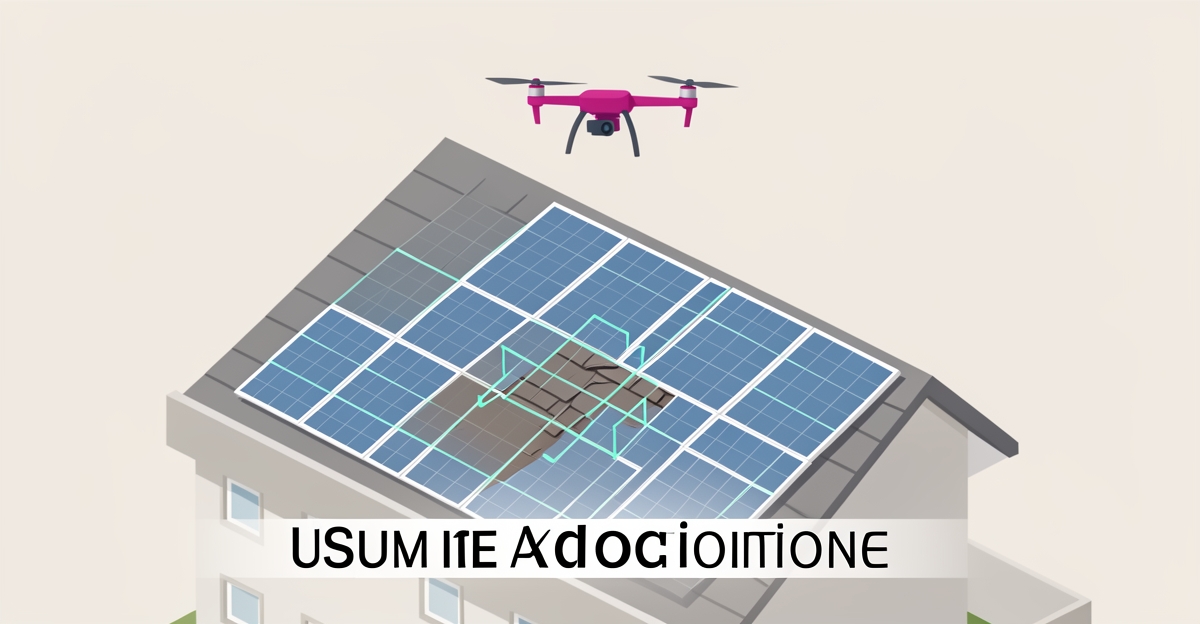
Solar companies can now pre-screen roof conditions using AI-powered image analysis before sending field teams to a site. The process begins with capturing high-resolution images of the roof using drones or mobile devices, ensuring consistent lighting and angles for optimal analysis. These images are then processed through adaptive positioning algorithms that automatically locate solar panel modules regardless of their orientation or partial obstructions in the frame. Advanced image enhancement techniques, including adaptive thresholding and morphological operations, isolate panel surfaces from complex backgrounds like trees, vents, or roofing materials, significantly improving defect detection accuracy. Computer vision systems trained on solar-specific datasets can identify cracks, delamination, soiling, and shading patterns with precision comparable to manual inspection but at a fraction of the time.
Once the AI model analyzes the imagery, it generates actionable insights prioritized by urgency and risk level. Field teams receive automated alerts highlighting critical issues such as structural damage, persistent shading from new obstructions, or water pooling that could affect panel longevity. These insights are delivered directly to mobile devices or integrated into existing workflow platforms, allowing technicians to prepare targeted repair plans or schedule preventive maintenance before arriving on-site. Solar safety audits increasingly rely on this pre-screening approach to cut unnecessary site visits, particularly for routine inspections where no significant changes are expected. AIQ Labs supports this workflow by developing custom computer vision pipelines that align with a company's specific roof types, geographic conditions, and historical failure patterns, ensuring the model adapts to real-world variability.
The final step closes the loop between AI analysis and field execution through intelligent alerting systems that trigger based on predefined thresholds. For example, if shading analysis shows a 20%+ efficiency loss due to new tree growth, the system flags the site for vegetation management rather than a full technical inspection. Similarly, if microcracks exceed acceptable density thresholds, the alert prompts a specialized repair team instead of a general assessor. This prioritization reduces diagnostic time during site visits and ensures the right expertise is deployed immediately. Drone-based AI inspections have demonstrated improved forecasting accuracy when combining image data with historical performance metrics, enabling predictive maintenance that extends system lifespan. By integrating AI pre-screening into standard operating procedures, solar companies transform reactive maintenance into a proactive, data-driven operation, saving time, reducing costs, and improving customer satisfaction through faster, more accurate service delivery. For teams ready to go beyond a single workflow, AIQ Labs' AI Operating Systems connect pre-screening, dispatch, and reporting into one operating layer you own outright, no vendor lock-in, no dependency.
Still paying for 10+ subscriptions that don’t talk to each other?
We build custom AI systems you own outright. No vendor lock-in. Full control.
Not sure where to start? Ask our AI planner
Frequently Asked Questions
Can AI really inspect a roof without anyone visiting the site?
How accurate is AI compared to a human roof inspector?
How much time and money can solar companies save with AI pre-screening?
What equipment do I need to capture images for AI roof analysis?
Can AI detect shading from trees and nearby structures?
How does AI pre-screening fit into our existing field workflow?
From Inspection Bottleneck to Competitive Advantage
Solar companies face mounting pressure to accelerate project timelines while controlling costs, yet traditional roof inspections remain a persistent drain on resources, introducing delays, human error, and scalability challenges. As outlined, AI-powered image analysis transforms this bottleneck into a strategic lever: by pre-screening for damage, shading, and structural issues from drone or mobile imagery, teams eliminate unnecessary site visits, prioritize high-potential leads, and enter installations with greater confidence. The result isn't just faster assessments, it's less rework, improved first-visit success rates, and field teams freed to focus on complex, value-driven tasks. For solar businesses ready to move beyond manual processes, the path forward begins with a clear assessment of where AI can deliver the quickest win. Start the Fit Check, a free, two-minute process that identifies your highest-ROI automation opportunity with no obligation. If there isn't a clear path to savings and efficiency, we'll tell you that too. Then schedule your free 30-minute strategy call to see how custom AI models trained on your solar roof data can turn inspection from a cost center into a competitive advantage.
Make AI your competitive advantage — not just another tool.
Strategy, implementation and ongoing optimization. One partner, end to end.
Not sure where to start? Ask our AI planner